Settore Industriale: Defense

Who dominates Metal AM in 2026?

Who dominates Metal AM in 2026?

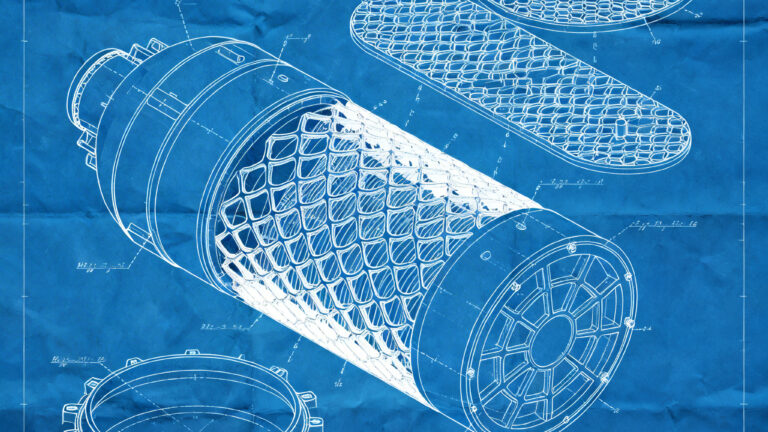
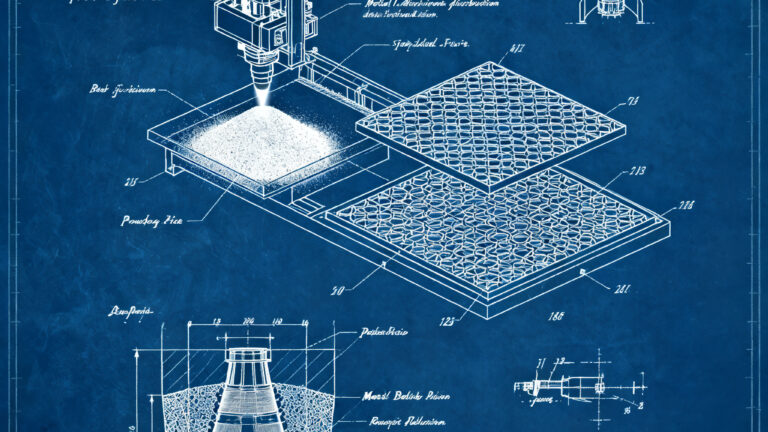
The Metal AM market in 2026 exceeds 6 billion with a decisive turning point: for the first time, data include defense and maritime, revealing hidden dynamics. Solid growth, a data-driven approach based on real data, and consolidation towards specialized applications will guide winning strategies.
HyCAT: 300 km/h in 3 days?

HyCAT: 300 km/h in 3 days?

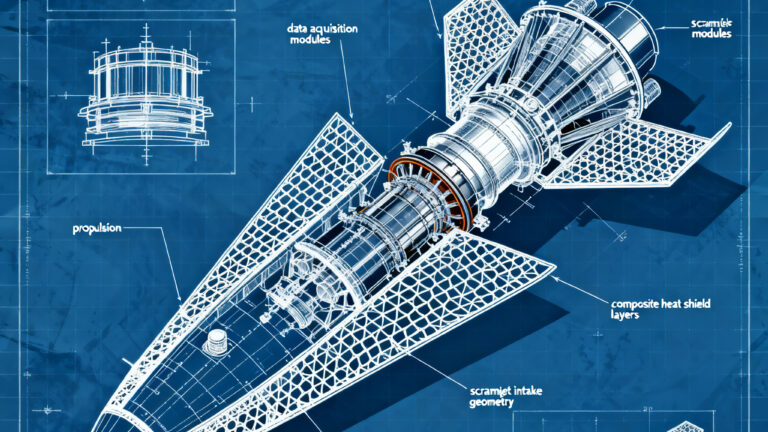
HyCAT, a Pentagon program, accelerates hypersonic aerodynamic testing with dedicated vehicles and commercial launchers, reducing time and costs.

3D RF Components: Less Weight, More Power?

3D RF Components: Less Weight, More Power?

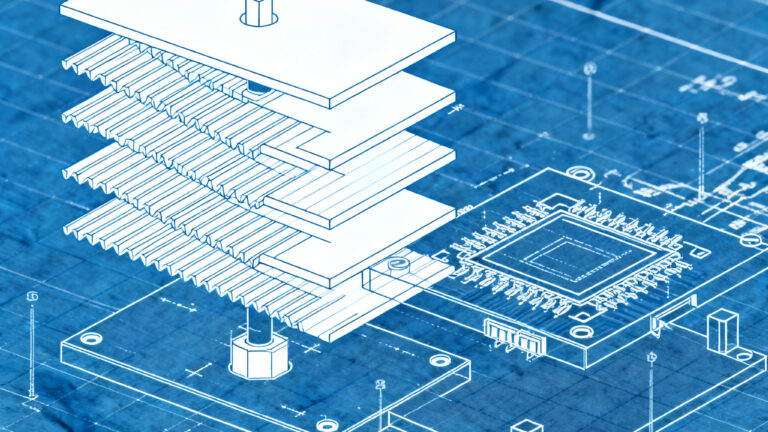
3D printing is revolutionizing the production of RF components, enabling lighter antennas and integrated EMI shielding in electronic packages. Additive technologies improve efficiency, customization, and reduce weight, while posing challenges regarding materials and repeatability.

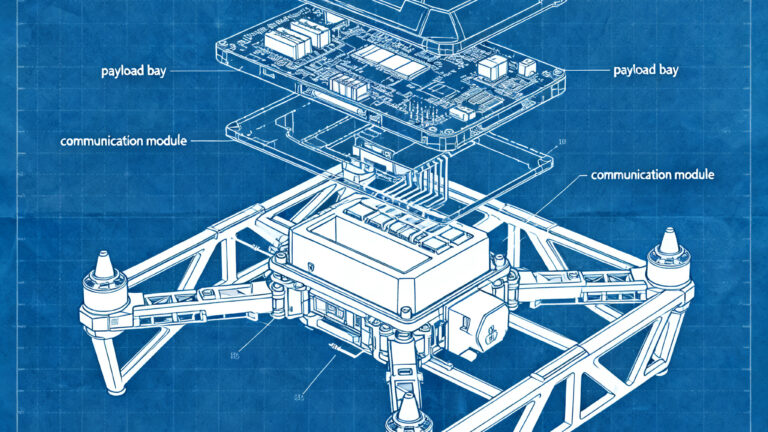
War drones: how to build autonomous systems at a defensive level?

War drones: how to build autonomous systems at a defensive level?

Autonomous warfare requires integrated multi-domain systems, not just drones. The US DAWG program invests billions in sacrificial, modular platforms produced locally with technologies like 3D printing. The objective is to create rapid, scalable, and interoperable defensive capabilities, supported by advanced commands like SAWC. Priorities: distributed production, reduced costs, rapid qualification.

Metal 3D Printing in Space: How Close Are We to Real Production?

Metal 3D Printing in Space: How Close Are We to Real Production?

Metal 3D printing in space is still experimental. Suborbital experiments show potential but last only a few minutes, insufficient for complex processes. The first metal objects have been produced on the ISS, demonstrating long-term feasibility. However, challenges such as thermal control, power supply, structural integration, and material quality are slowing down the application

How does the army print in mission?

How does the army print in mission?

Additive production is revolutionizing military logistics, reducing supply times and costs. The Camp Lejeune model shows how targeted training and technological integration allow for the printing of critical parts in the field, saving up to 99.81% compared to traditional methods.

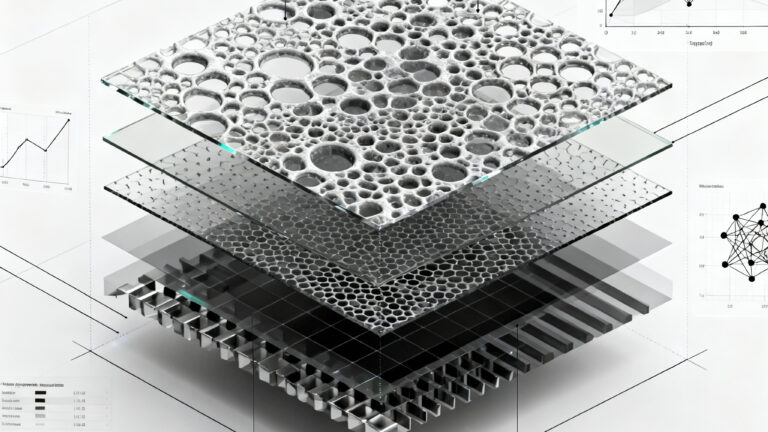
Can AI read defects in LPBF metal?

Can AI read defects in LPBF metal?

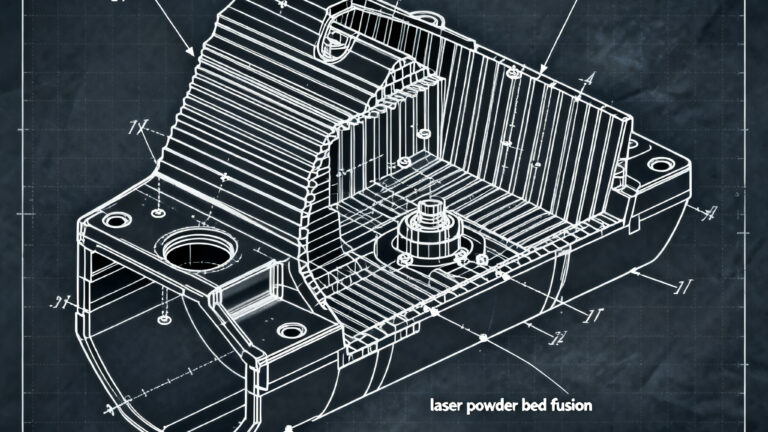
An artificial intelligence model developed by KIMS and Max Planck Institute predicts the mechanical properties of metal components produced with LPBF, analyzing pore morphology without destructive testing.

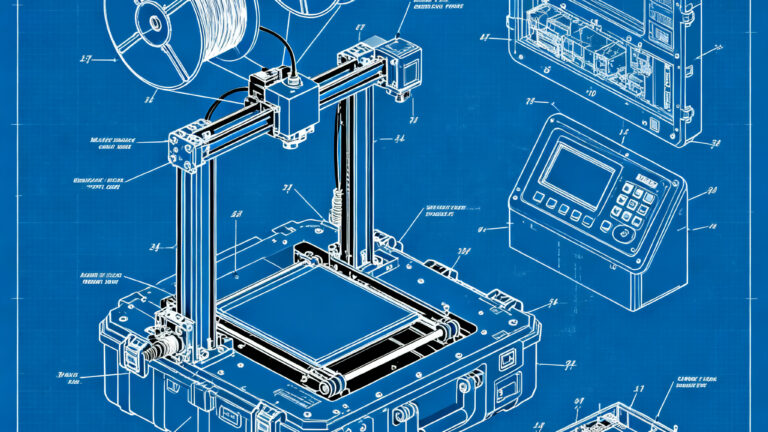
90% uptime? The truth about industrial 3D printers

90% uptime? The truth about industrial 3D printers

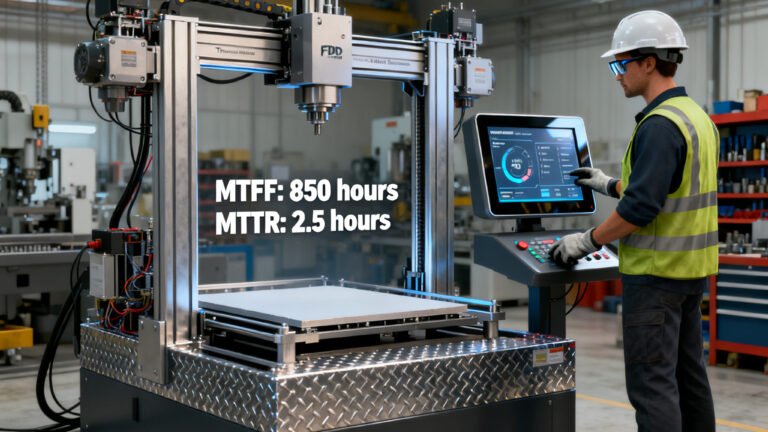
The real uptime of industrial 3D printers exceeds 90%, with less than 73 hours of annual downtime. Metrics such as MTBF and MTTR are essential for evaluating reliability. The difference between hobby and industry lies in construction details: robust frames, mechanical auto-leveling, and automation reduce dead times. The main causes of downtime are thermal instability, mechanical wear, and human errors.

Does the US Navy 3D print spare parts? Here's how

Does the US Navy 3D print spare parts? Here's how

The US Navy introduces a “material maturity” framework to certify 3D printed materials, reducing logistics lead times by 70% and integrating additive parts into the supply chain without compromising safety or reliability.

Why is the 3D market splitting in two?

Why is the 3D market splitting in two?

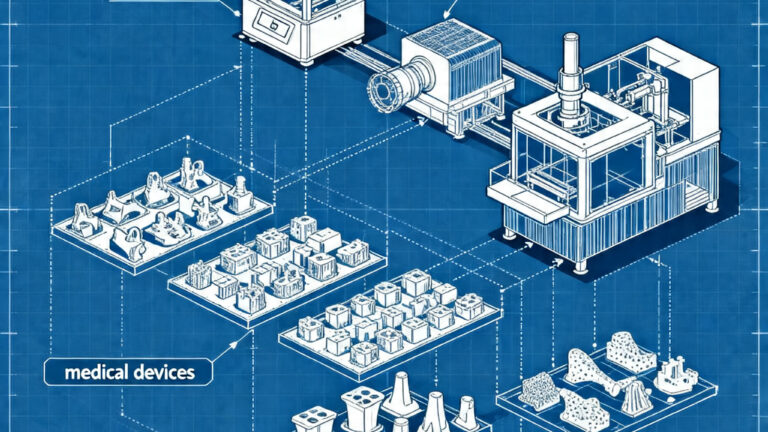
The 3D market is splitting: on one hand, entry-level systems under 2.500$ are growing by more than 30%; on the other, high-end industrial platforms are struggling. Three sectors are driving demand: aerospace, defense, and healthcare. China is recording strong increases in metal PBF. Business models are differentiating: suppliers are focusing on specific segments to remain competitive. Future growth

Polyamide for 3D printing: why traditional PA is no longer enough (and what to use today)

Polyamide for 3D printing: why traditional PA is no longer enough (and what to use today)

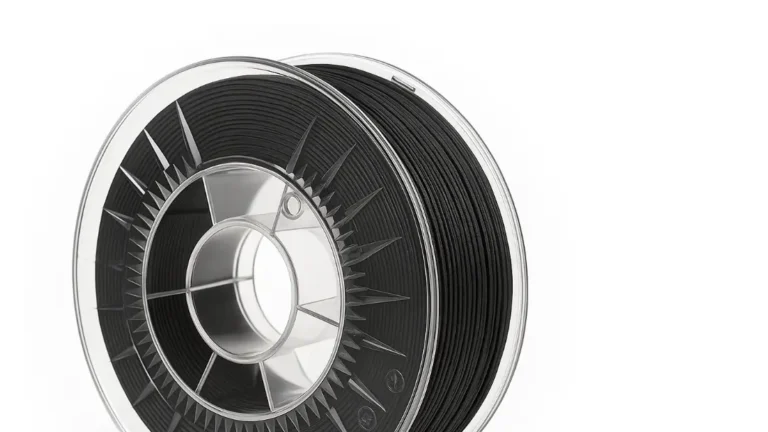
Technical polyamides offer excellent performance, but their printing complexity often makes them impractical. SP4 CF15 from 3DBooster was created to solve this paradox: 8.5 GPa rigidity, thermal resistance up to 180°C, and open-air printability without advanced setups.

Can AM revolutionize the transport of nuclear fuel?

Can AM revolutionize the transport of nuclear fuel?

Additive manufacturing could revolutionize the transport of spent nuclear fuel, reducing costs and production times for critical components such as impact limiters. Technologies like FFF and PBF allow for complex geometries and savings of up to $1.7 million per cask. Studies by Orano and UNC Charlotte confirm technical feasibility, but specific regulatory standards are still lacking.

/