Tecnologia: MJF

Comparison of 3D Printing Technologies for Polymers: FDM, SLA, SLS, and MJF Compared

Comparison of 3D Printing Technologies for Polymers: FDM, SLA, SLS, and MJF Compared

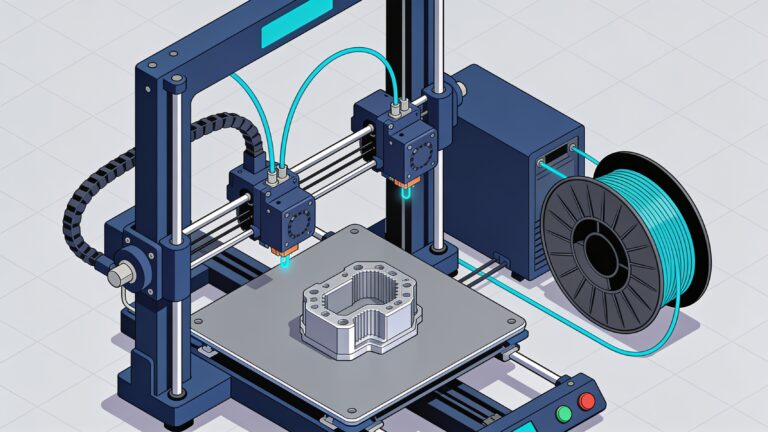
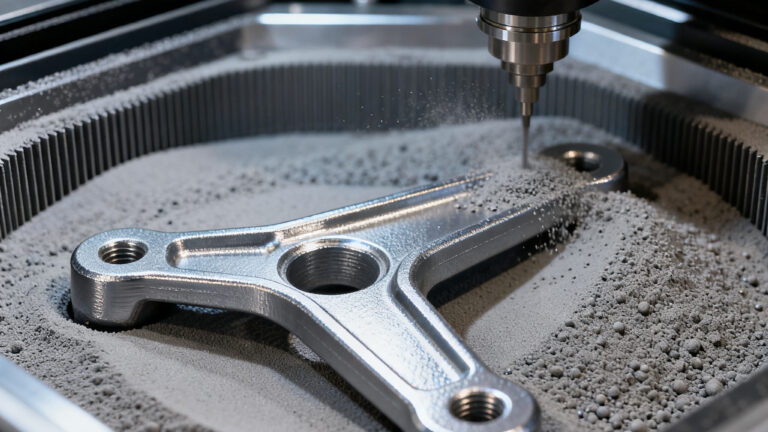
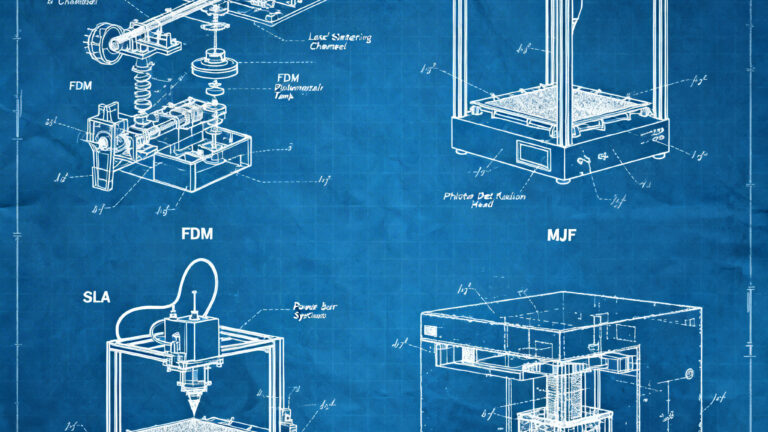
Comparison between 3D printing technologies for polymers: FDM, SLA, SLS, and MJF. Each technology offers specific advantages in terms of precision, mechanical strength, surface finish, and industrial applications. The evolution of materials is expanding operational boundaries in advanced sectors such as aerospace, automotive, and medical.

Integration of 3D Printing in Hospitals: An Operational Guide for Safe and Efficient Clinical Implementation

Integration of 3D Printing in Hospitals: An Operational Guide for Safe and Efficient Clinical Implementation

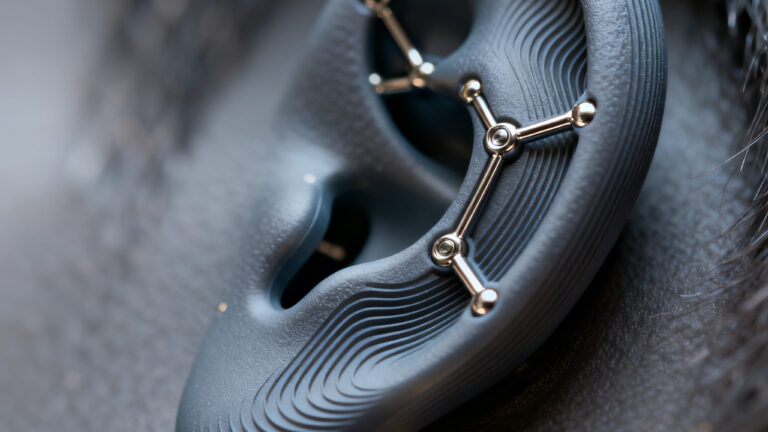
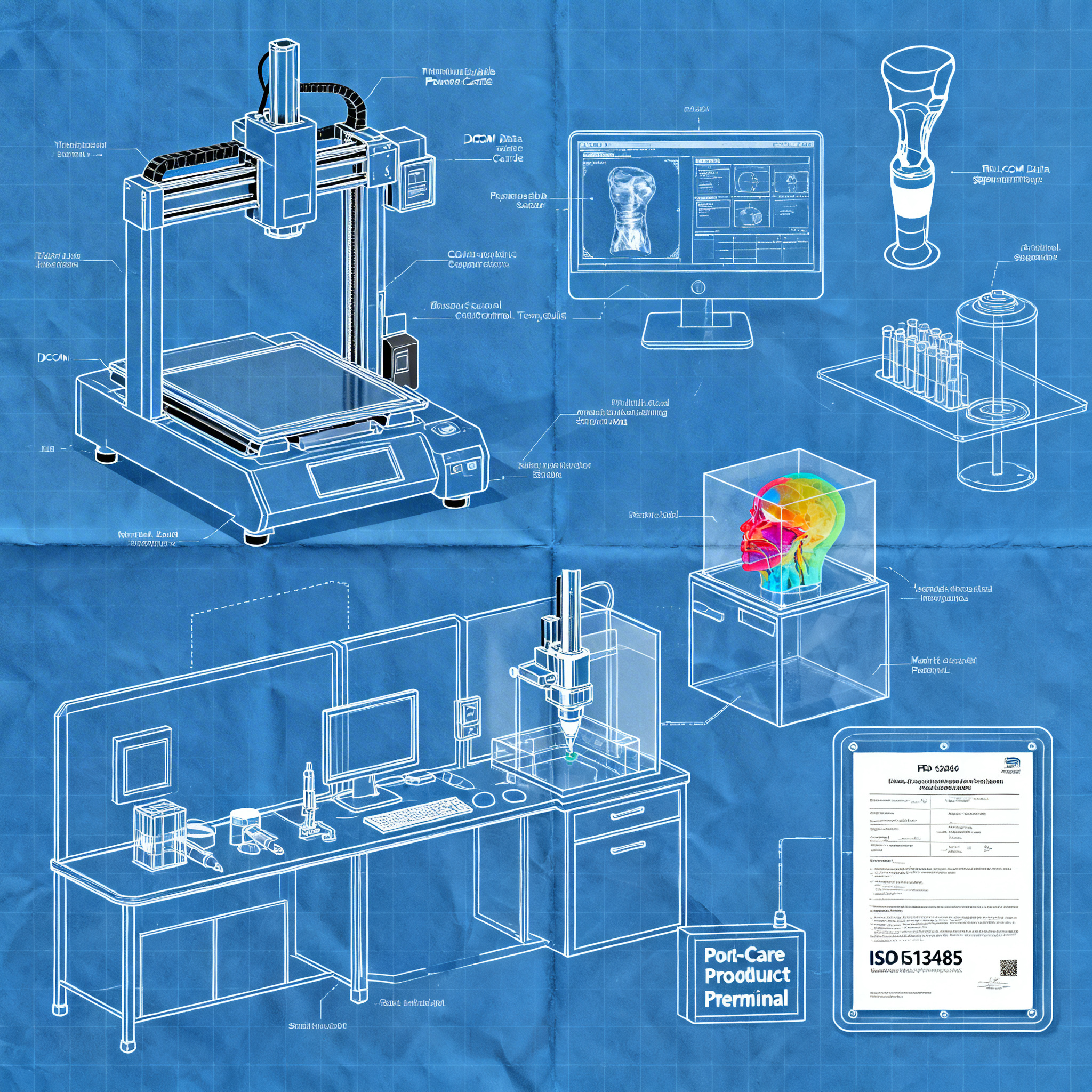
3D printing in hospitals is becoming an essential resource for personalized medicine, with applications ranging from anatomical models to custom implants. Integration requires adequate technologies, biocompatible materials, standardized workflows, and trained staff. Benefits include shorter waiting times, greater clinical precision, and cost reduction. Leading hospitals

How Chemical Vapor is Revolutionizing the Post-Processing of 3D Parts

How Chemical Vapor is Revolutionizing the Post-Processing of 3D Parts

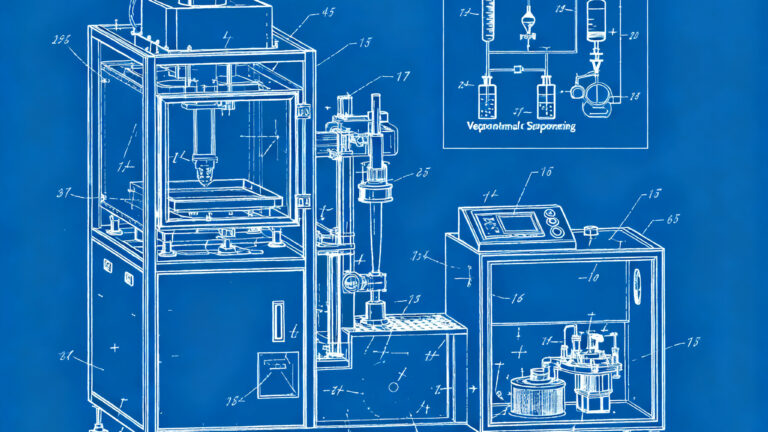
Chemical vapor is revolutionizing the post-processing of 3D parts, offering smooth, waterproof, and repeatable finishes without material removal. Automated technologies like AMT PostPro eliminate production bottlenecks, reduce costs, and improve mechanical properties, making additive production scalable and certifiable for demanding industries.

HP MJF Technology in Industrial Services: How to Implement It for Resilient and Responsive Production

HP MJF Technology in Industrial Services: How to Implement It for Resilient and Responsive Production

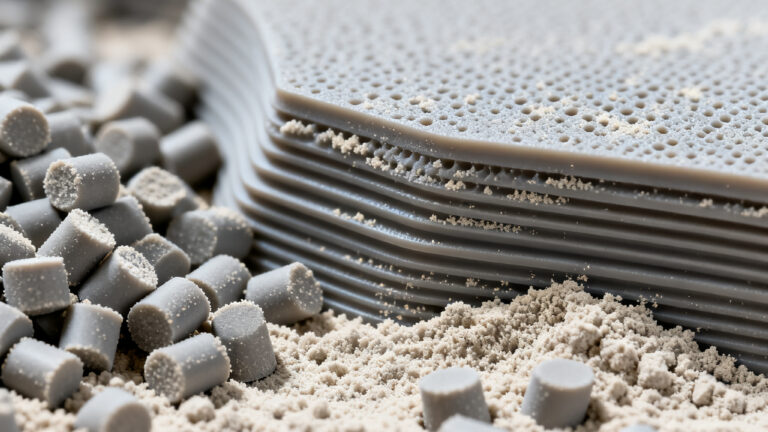
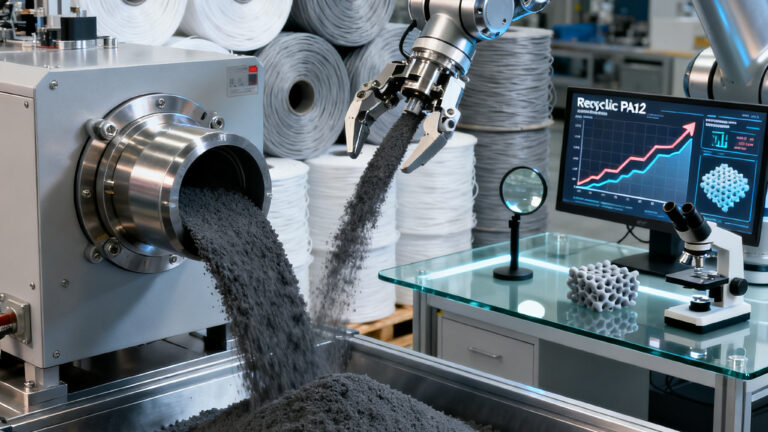
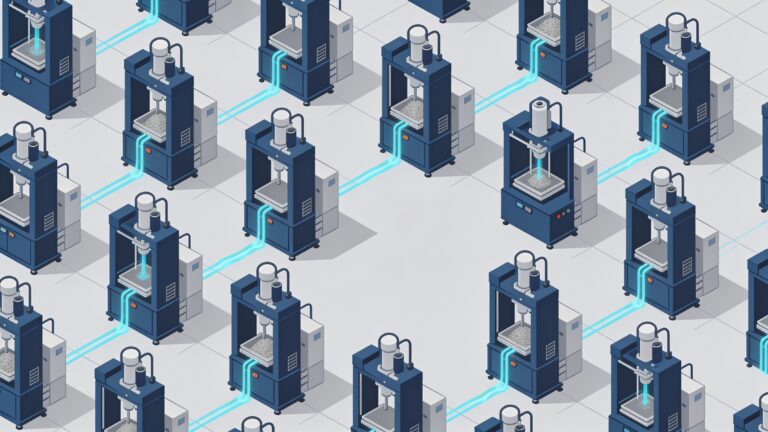
HP MJF Technology revolutionizes industrial production, enabling flexibility, lead time reduction, and digital warehousing. Ideal for sectors such as aerospace, defense, medical, and data centers, it allows for on-demand production of custom components, improving supply chain resilience and reducing costs. Integration with traditional processes and the use of advanced materials make

Direct Production of Functional Parts Without Post-Processing: Mechanisms and Advanced Technologies

Direct Production of Functional Parts Without Post-Processing: Mechanisms and Advanced Technologies

The direct production of functional parts without post-processing represents an evolution of additive manufacturing, aimed at eliminating post-printing processing stages. Thanks to advanced technologies and specialized materials, it is possible to obtain immediately usable components, reducing costs, times, and variability. Sectors such as aerospace and automotive are adopting these s

Implement Compact Industrial Solutions for AM Post-Processing: The M4 Basic Case

Implement Compact Industrial Solutions for AM Post-Processing: The M4 Basic Case

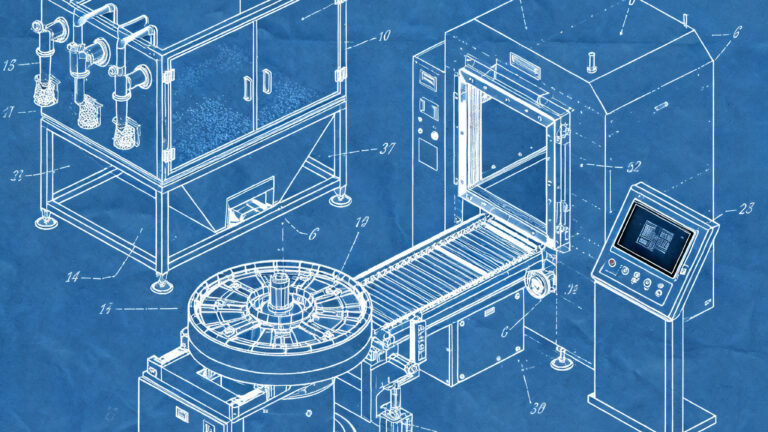
The M4 Basic by AM Solutions is a compact and plug-and-play system for industrial post-processing, ideal for small and medium-sized production realities. It guarantees quality finishes, repeatability and sustainability, eliminating manual methods. With easy installation, compatibility with various AM technologies and low operating costs, it represents an efficient and scalable solution for int

Ultrafast and High Precision in Industrial Additive Processes: How It Really Works

Ultrafast and High Precision in Industrial Additive Processes: How It Really Works

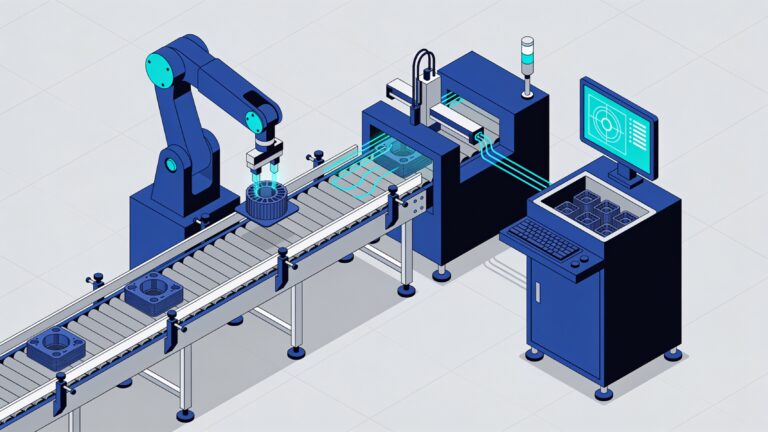
Industrial additive manufacturing today combines speed and precision thanks to advanced technologies such as multi-laser, AI and automated post-processing. Systems like SSLM and TVAM drastically reduce production times while maintaining high quality. High-performance materials – technical polymers, metal alloys and composites – expand applications. Automation in vapor smoothing and depowdering m

Implementing Industrial Adoption of 3D Printing in Non-Traditional Sectors

Implementing Industrial Adoption of 3D Printing in Non-Traditional Sectors

Industrial adoption of 3D printing in non-traditional sectors, such as automation, robotics, and energy infrastructure, is growing thanks to structured operational plans. By integrating digital design, simulations, and rapid production, companies like Boston Dynamics and Siemens are optimizing products and processes, reducing costs, times, and the number of components.

Industrial Build Preparation Automation: The Concrete Plan to Reduce Errors and Times

Industrial Build Preparation Automation: The Concrete Plan to Reduce Errors and Times

Automation of build preparation in additive manufacturing reduces errors and time through standardized and repeatable processes. Solutions like AMIS Runtime enable intelligent nesting and continuous optimization, increasing density and production flexibility. Benefits include fewer human errors, greater machine efficiency, and cost reduction. Integration requires val

Post-Processing and Debinding: How Key Additive Manufacturing Technologies Work

Post-Processing and Debinding: How Key Additive Manufacturing Technologies Work

Post-processing and debinding are crucial stages in additive manufacturing that determine the quality, strength, and finish of components. Technologies such as vapor smoothing and chemical debinding improve surface and structural properties, making parts ready for industrial use.

Optimizing Post-Processing for Industrial Production: An Operational Guide to Scalable Technologies

Optimizing Post-Processing for Industrial Production: An Operational Guide to Scalable Technologies

Operational guide for automating industrial post-processing: scalable technologies to reduce costs, maintain mechanical properties, and scale additive production.

Advanced Post-Processing Techniques for 3D Printing: From Support Removal to Surface Finishing

Advanced Post-Processing Techniques for 3D Printing: From Support Removal to Surface Finishing

Post-processing is key for 3D printing: automates supports, polishing, chemical finishes, and quality control to produce efficient and precise end-use components.

/