Settore Industriale: Manufacturing

Metrology in 3D Scanning: How Integrated Processing Works and Its Industrial Applications

Metrology in 3D Scanning: How Integrated Processing Works and Its Industrial Applications

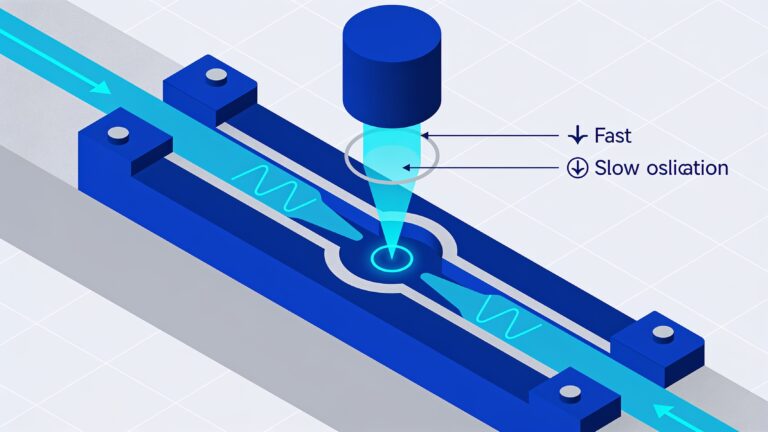
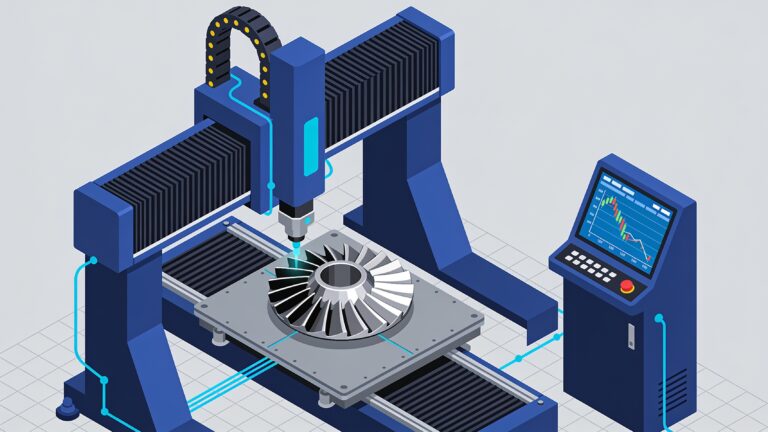
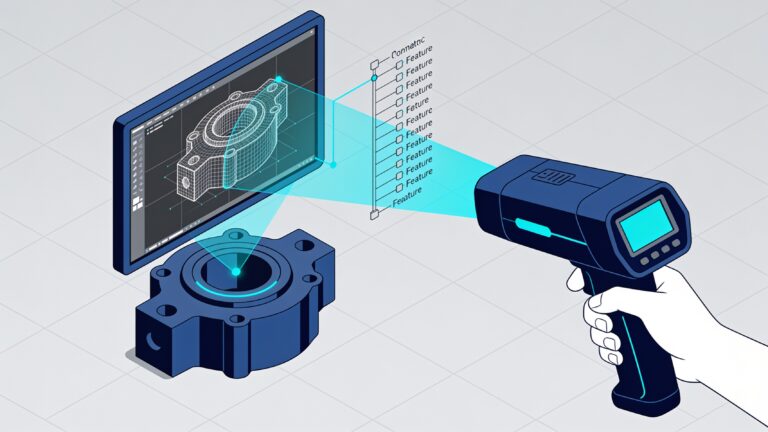
Integrated metrology in 3D scanners enables real-time quality control, reducing time and costs. Thanks to advanced sensors, geometric algorithms, and connectivity, these systems process dimensional data directly during scanning, integrating with metrology platforms and production processes. Despite some technological limitations, they represent a breakthrough for high-

Polyamide for 3D printing: why traditional PA is no longer enough (and what to use today)

Polyamide for 3D printing: why traditional PA is no longer enough (and what to use today)

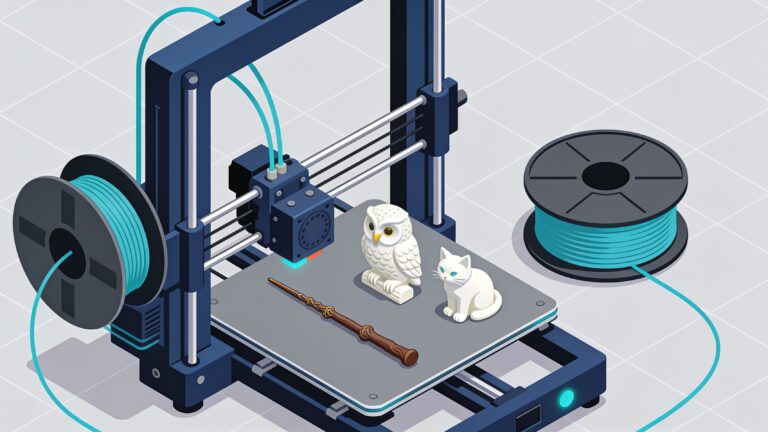
Technical polyamides offer excellent performance, but their printing complexity often makes them impractical. SP4 CF15 from 3DBooster was created to solve this paradox: 8.5 GPa rigidity, thermal resistance up to 180°C, and open-air printability without advanced setups.

Does 3DSearch beat native platforms?

Does 3DSearch beat native platforms?

3DSearch is a meta-engine that indexes millions of 3D models from various platforms, offering fast search and a modern interface. While scalable and comprehensive, it does not yet replace the integrated features and community of native platforms. Ideal for quick research, less suitable for professional workflows.

Transparent and Special: How Do They Really Work?

Transparent and Special: How Do They Really Work?

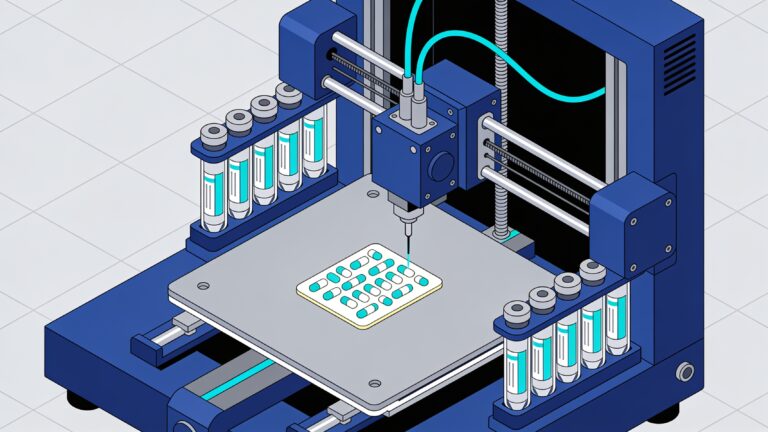
Transparent and special photopolymers are revolutionizing industrial 3D printing thanks to light transmittance greater than 90%, biocompatibility, and micrometric precision. Used in sectors such as medical, microfluidics, and jewelry, these materials offer advanced optical and mechanical properties but require specific knowledge for effective use.

Who wins in 2026 among FDM toolchangers?

Who wins in 2026 among FDM toolchangers?

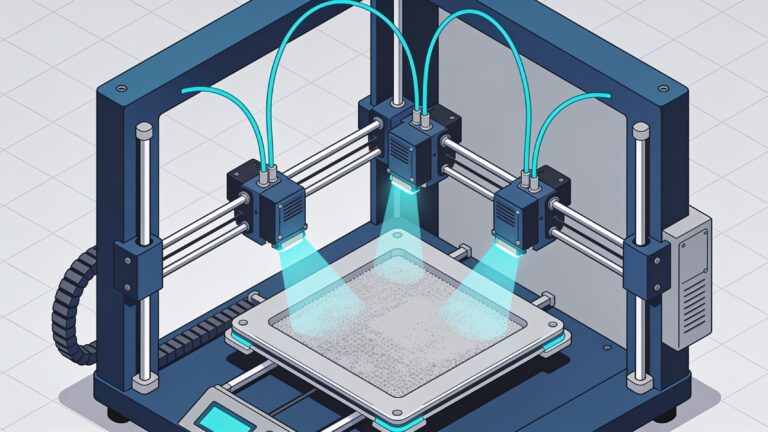
In 2026, the FDM toolchanger market has consolidated: here is the solution that stands out for performance, reliability, and software integration. The best choice depends on the specific workload.

FullSpectrum and Toolchanger: How Advanced Color 3D Printing Really Works

FullSpectrum and Toolchanger: How Advanced Color 3D Printing Really Works

Advanced color 3D printing is evolving with FullSpectrum and intelligent toolchangers, combining optical mixing and rapid tool changing to achieve realistic gradients and shades, reducing waste and downtime. Technologies like Snapmaker Orca Full Spectrum and multi-nozzle toolchangers open new possibilities for aesthetic prototyping and multicolor design, maintaining high productivity.

Beyond Traditional Slicing: Advanced Architectures for Path Planning in Industrial 3D Printing

Beyond Traditional Slicing: Advanced Architectures for Path Planning in Industrial 3D Printing

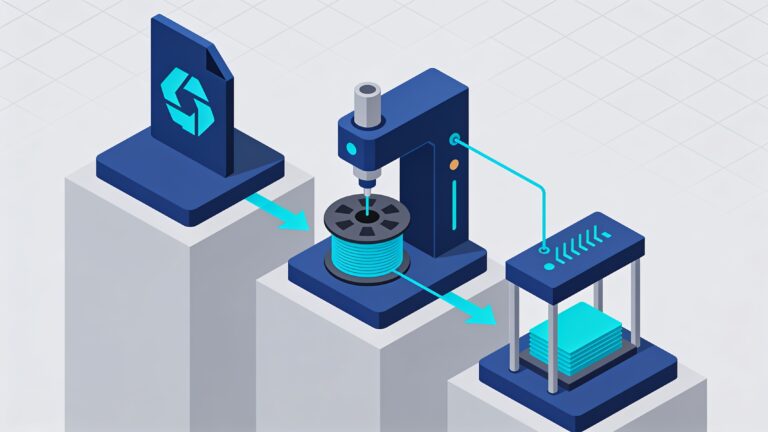
The article explores how advanced software architectures, such as 64-bit systems and modern geometric libraries, are revolutionizing path planning in slicers for industrial 3D printing, improving precision, reliability, and efficiency.

Photopolymer Resin Safety in SLA Printers: Process Standardization and Informed Choices

Photopolymer Resin Safety in SLA Printers: Process Standardization and Informed Choices

SLA 3D printing with photopolymer resins requires attention to chemical risks. Material selection, operational safety, and disposal are fundamental for health and compliance.

Nozzle and Gcode: Advanced Techniques for Precision in 3D Printing

Nozzle and Gcode: Advanced Techniques for Precision in 3D Printing

Optimizing nozzle and G-code is essential for precise 3D printing. The choice of nozzle diameter, extrusion calibration, and the correct use of G1, M109/M104 commands allow for avoiding defects and improving quality. Advanced techniques like Blender simulation and custom nozzles open new possibilities in areas such as food or ceramics.

How Functional Grading Works in Industrial Additive Processes

How Functional Grading Works in Industrial Additive Processes

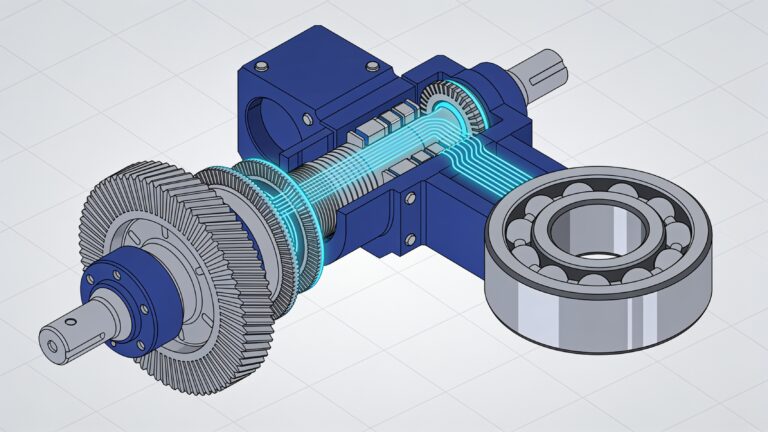
Functional grading in industrial additive processes enables the creation of components with variable properties in a controlled manner, modulating the thermal energy during deposition. Thanks to sensors and real-time feedback, the process allows gradual and precise transitions of mechanical characteristics, without interruptions or the need for assembly. This innovative technology finds app

HP extends Multi Jet Fusion service: here is how the 3D printing industry is changing

HP extends Multi Jet Fusion service: here is how the 3D printing industry is changing

HP expands Multi Jet Fusion service with the new IF 600HT printer and the Maintenance & Monitoring Service, targeting the industry with greater reliability, scalability, and flexibility on materials.

Additive Manufacturing vs Plastic Injection: Trade-offs in Industrial and Aerospace Contexts

Additive Manufacturing vs Plastic Injection: Trade-offs in Industrial and Aerospace Contexts

The choice between 3D printing and plastic injection depends on volume, customization, and operational context. Injection dominates in high volumes, while 3D printing is preferred for small batches and complex geometries. Both are complementary.

/