VBN: 3D-printed pure tungsten at 99,7%
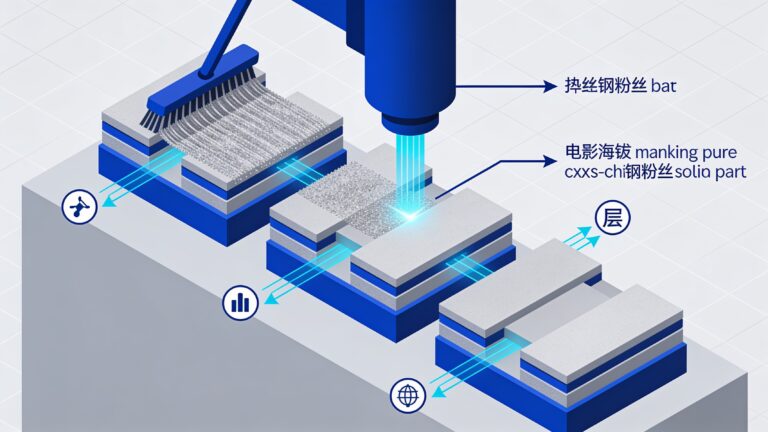
VBN Components has introduced Vibenite 500, pure tungsten for PBF-EB 3D printing with density above 99.7% and hardness of about 400 HV2, intended for high-temperature applications and radiation shielding.

 Innovations
 VBN Components has introduced Vibenite 500, pure tungsten for PBF-EB 3D printing with density above 99.7% and hardness of about 400 HV2, intended for high-temperature applications and radiation shielding.
 Manufacturing
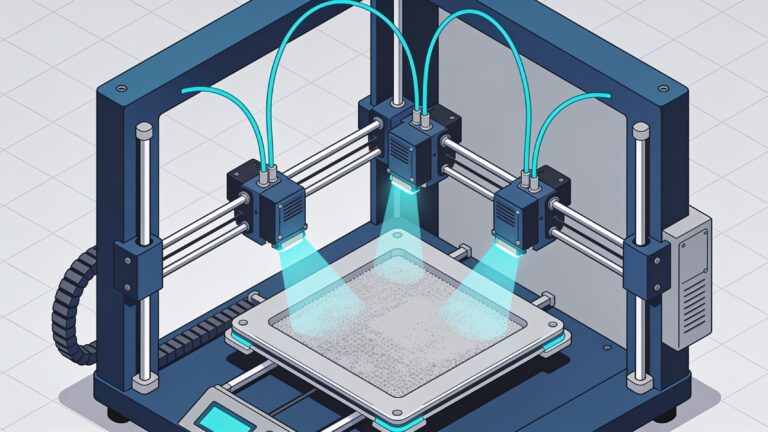
 Oerlikon has started up the first ATLIX xBUILD 5000 at Huntersville, an LPBF printer with four 1 kW lasers and automatic build module changing, designed to reduce downtime between one production cycle and the next.
 Innovations
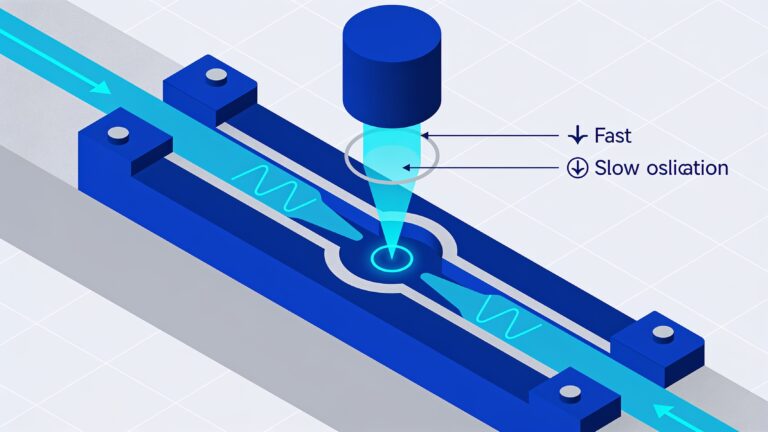
 General Electric has patented a monitoring system for metal 3D printing that analyzes high-frequency oscillations of the light emitted during laser melting, separating them from the average signal, to detect defects in real time via machine learning.
 Innovations
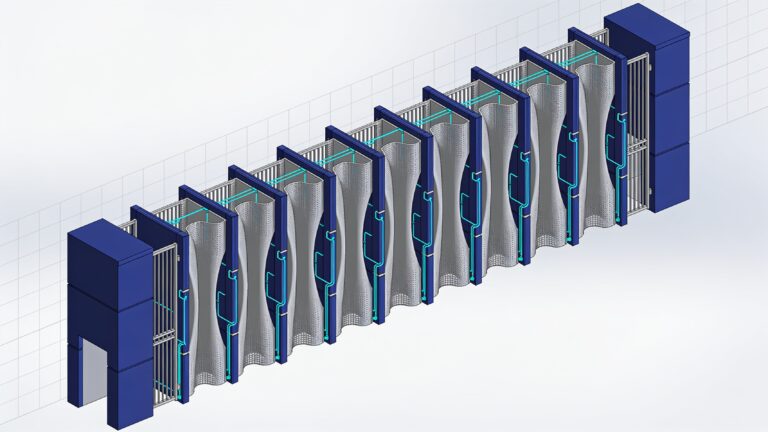
 Design Museum Gent has a new entrance: a 250 kg gate in 3D-printed aluminium by the studio Unfold, which reproduces a textile curtain frozen in motion. Installed on 3 October 2026, it combines WAAM printing and traditional construction.
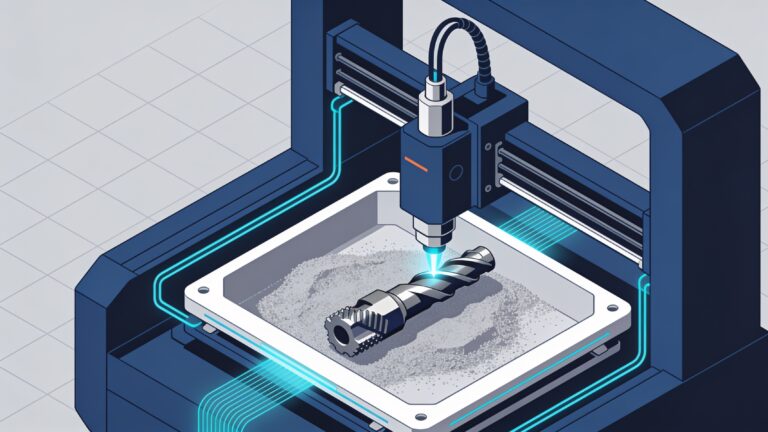 Manufacturing
 Edith Cowan University joins the AMCRC as the twelfth partner university, bringing expertise in advanced materials and metal 3D printing. The network focuses on defense, mining, and natural resources in Western Australia.
 Innovations
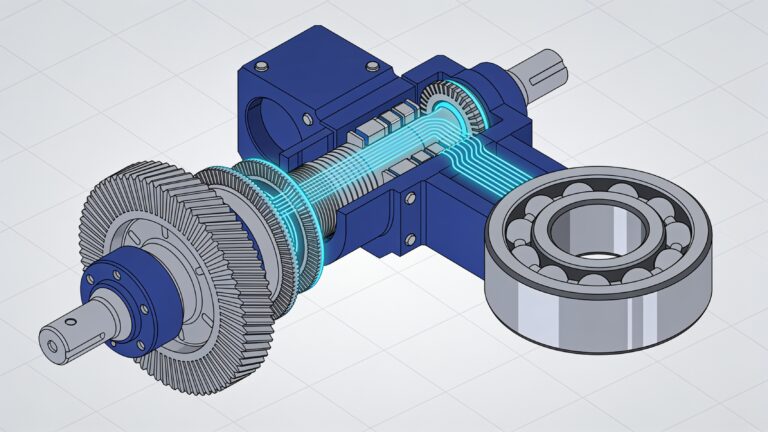
 Virginia Tech is leading a $2 million project to create 3D-printed metal alloys that self-lubricate above 600 °C, leveraging controlled oxidation to generate low-friction layers without external lubricants.
 Innovations
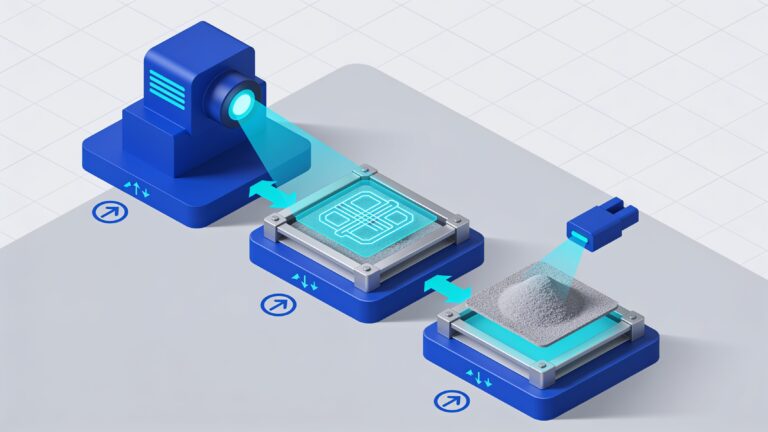
 Lawrence Livermore National Laboratory has patented a laser melting system that uses a digital mask to expose entire areas of the metal powder bed in parallel, replacing point-by-point scanning and reducing production times.
 Manufacturing
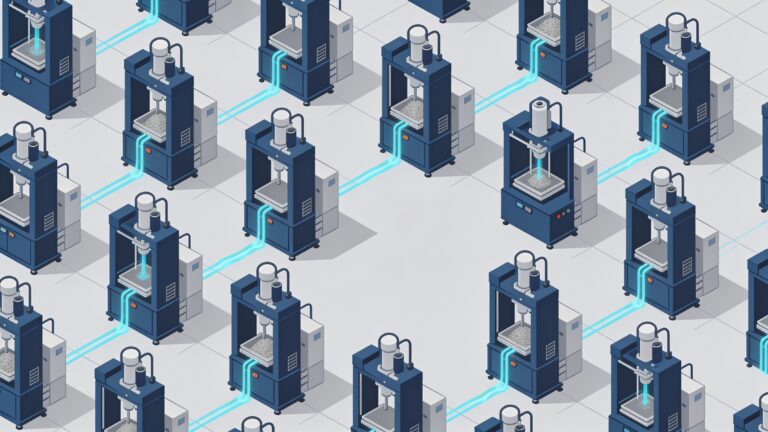
 ADDMAN expands its fleet with 81 new HP Jet Fusion 5620 Pro printers, surpassing 125 MJF systems, and signs a $10.8 million contract with 6K Additive for the supply of Nickel 718 alloy powders.
 Manufacturing
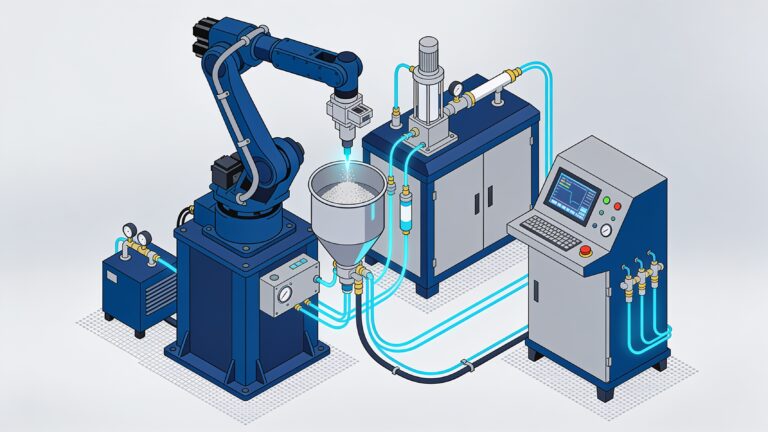
 Titomic USA has been awarded a $4.95 million contract by the US Air Force for an industrial High Pressure Cold Spray system to be installed at Tinker Air Force Base, with delivery expected in the third quarter of 2027.
 Innovations
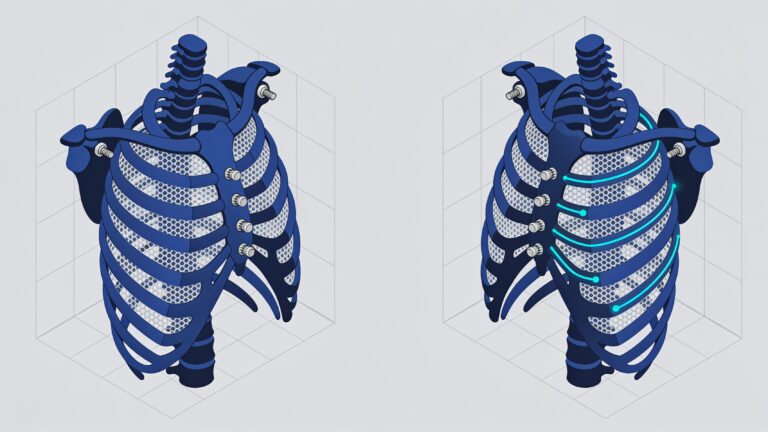
 Morriston Hospital in Swansea has standardized a complete digital workflow for 3D-printed titanium thoracic implants, from CT to production. Six patients were treated without intraoperative modifications and without hardware failure during follow-up.
 Manufacturing
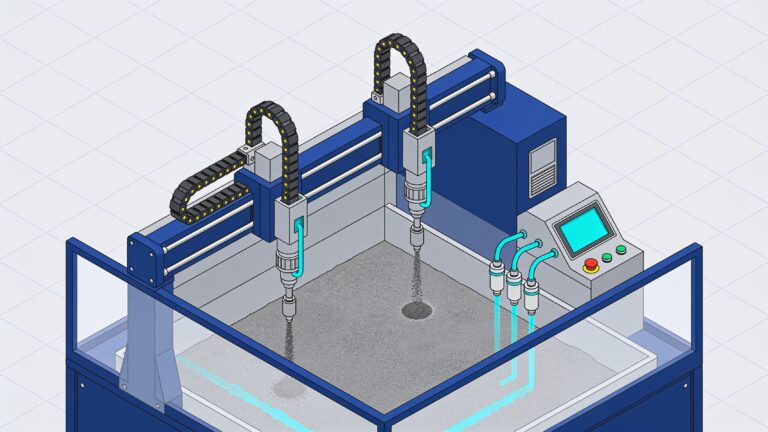
 Addiblast MARS05 XL is an automatic depowdering system for large-format metal AM, capable of handling builds up to 7,000 kg and 1,375 × 1,375 × 1,700 mm. Enclosed chamber with ATEX design, two-axis movement, and programmable vibration.
 Manufacturing
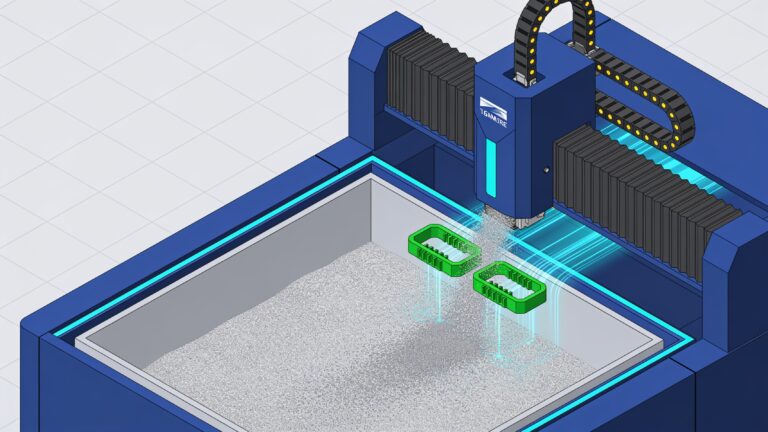
 Dou Yee Technologies integrates the HP Metal Jet platform into its production cycle with a Metal Binder Jetting program launched in October 2025 with HP and NAMIC. The first qualified materials are 316L and 17-4PH steels.