HP Metal Jet enters Dou Yee Technologies' production workflow in Singapore
Dou Yee Technologies is integrating the HP Metal Jet platform into its production cycle through a structured Metal Binder Jetting program. The Singapore-based company aims to transform thirty years of experience in Metal Injection Moulding into industrial additive capacity.
The project stems from a Memorandum of Understanding signed on October 16, 2025, during the Global AM Summit in Singapore. The partners are Dou Yee Technologies, HP, and the National Additive Manufacturing Innovation Cluster (NAMIC), with support from the research infrastructure of the A*STAR Additive Innovation Centre.
In September 2026, the company began publicly communicating the program's progress. The first qualified materials are 316L and 17-4PH stainless steels, which are also the two main certified materials of the HP Metal Jet ecosystem.
From MIM to Binder Jetting: a natural evolution
Dou Yee comes to metal additive manufacturing from a solid foundation in traditional powder metallurgy. This background makes Metal Binder Jetting a digital extension of already established processes.
The company was founded in 1996 and has established expertise in Metal Injection Moulding, Ceramic Injection Moulding, precision machining, heat treatments, and powder metallurgy. It operates in Singapore and China, serving the medical, automotive, consumer, industrial, and semiconductor sectors.
The choice of Metal Binder Jetting is not random. This technology uses a metallurgical chain very close to that of MIM, with debinding and sintering phases that Dou Yee has known for decades.
- Program formally launched in October 2025 with HP and NAMIC
- First qualified materials: 316L and 17-4PH
- Target sectors: tooling, automotive, medical
- Starting point: 30 years of experience in Metal Injection Moulding
Clear industrial objectives
The program does not simply aim to add a printer to the machine fleet. The goal is to build a repeatable industrial path from material qualification to series production.
The three partners defined three strategic priorities from the outset. First: accelerate application qualification. Second: define a clear path from development to scaled production. Third: strengthen local manufacturing capacity through digital processes.
The priority sectors identified include tooling, automotive and medical. These areas require components with certified mechanical properties and repeatable processes.
Expanding materials roadmap
The HP Metal Jet platform is expanding the range of processable materials. This opens up application opportunities for Dou Yee well beyond the initial stainless steels.
Currently, the HP platform is expanding toward copper, tool steel, nickel superalloys and cemented carbides. This materials roadmap could allow Dou Yee to enter higher value-added applications in the coming years.
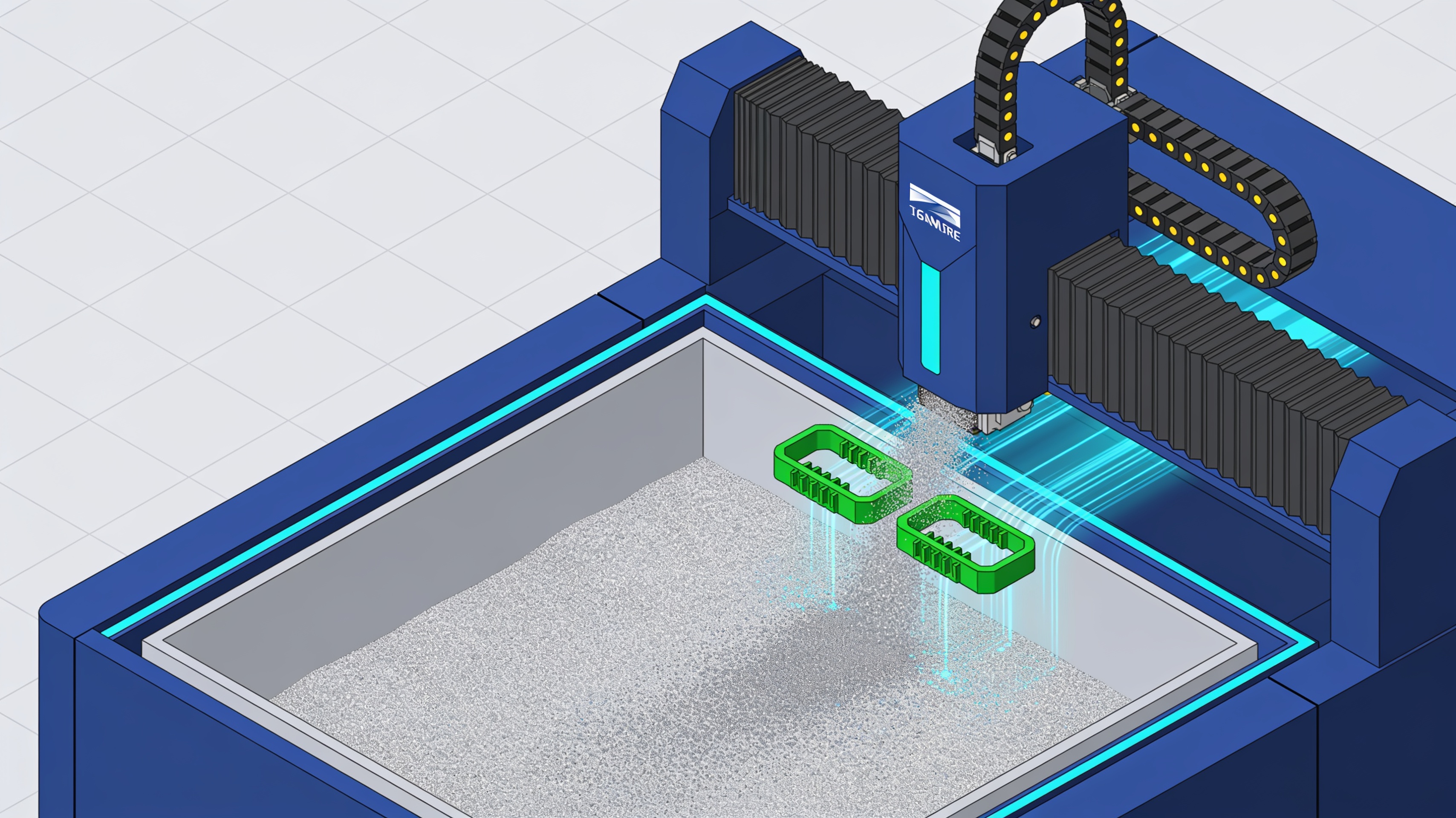
Metal Binder Jetting selectively deposits a liquid binder onto layers of metal powder. The components are then subjected to debinding (binder removal) and sintering (thermal densification), processes identical to those of Metal Injection Moulding.
A collaborative model for additive manufacturing
The involvement of NAMIC and A*STAR Additive Innovation Centre is not formal. These organizations provide concrete support in process validation and material qualification.
The A*STAR Additive Innovation Centre provides research infrastructure for material characterization and component validation. NAMIC coordinates Singapore's additive manufacturing ecosystem, facilitating collaboration between industry and research.
This collaborative approach reduces the risks of industrialization. It allows a manufacturing company to access expertise and instrumentation that would be expensive to develop internally.
Outlook
The Dou Yee case demonstrates how Metal Binder Jetting can integrate into existing production workflows when the company already has expertise in powder metallurgy. The main challenge remains the qualification of applications and demonstrating process repeatability at industrial volumes.
HP Metal Jet's materials roadmap will be crucial. Access to advanced alloys and special materials could transform Binder Jetting from an alternative to MIM into a complementary technology for complex geometries and small-to-medium production runs.
article written with the help of artificial intelligence systems
Q&A
When was the agreement for Dou Yee's integration of HP Metal Jet signed?
The Memorandum of Understanding was signed on October 16, 2025, during the Global AM Summit in Singapore. The agreement involves Dou Yee Technologies, HP, and the National Additive Manufacturing Innovation Cluster (NAMIC).
What are the first qualified materials in Dou Yee's new additive process?
The first qualified materials are 316L and 17-4PH stainless steels. These also represent the two main certified materials of the HP Metal Jet ecosystem.
Why is Metal Binder Jetting considered a natural evolution for Dou Yee Technologies?
Dou Yee has thirty years of experience in Metal Injection Moulding (MIM) and powder metallurgy. Metal Binder Jetting shares crucial stages such as debinding and sintering, processes already well established within the company.
Which industrial sectors have been identified as priorities for this program?
The target sectors identified are tooling, automotive, and medical. These fields require components with certified mechanical characteristics and highly repeatable processes.
What are the three strategic priorities defined by the project partners?
The priorities are to accelerate application qualification, define a clear path from development to scaled production, and strengthen local manufacturing capacity. The goal is to create a repeatable industrial path.