Settore Industriale: Dental

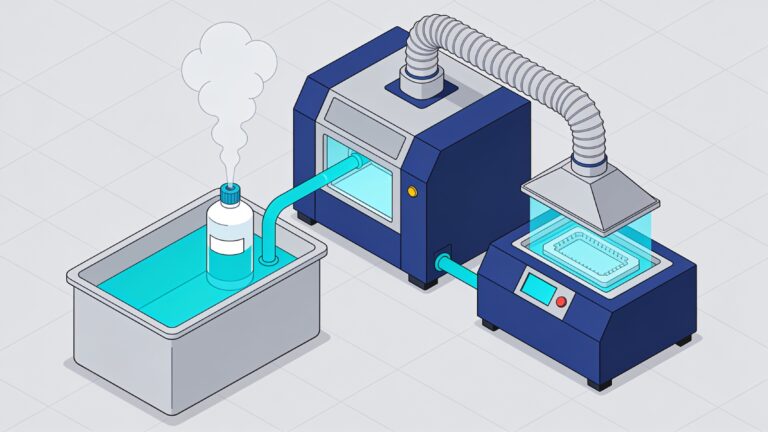
Resin 3D printing: VOCs “peak” during washing, not during printing

Resin 3D printing: VOCs “peak” during washing, not during printing

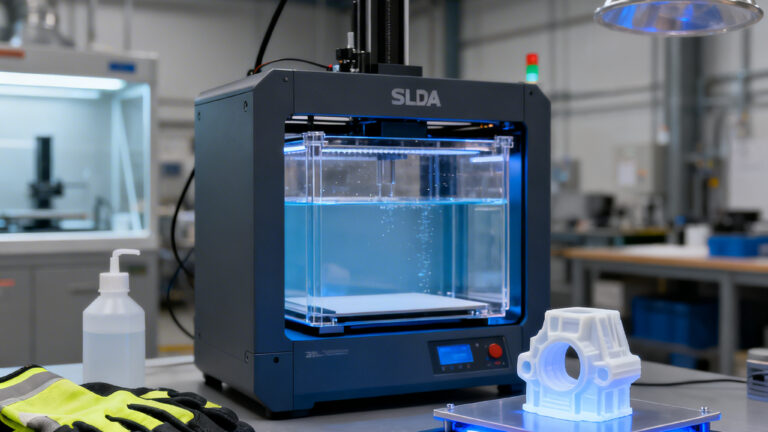
A scoping review on resin 3D printing indicates that VOC peaks often occur in post-processing phases, such as washing with isopropanol and post-curing, not only during printing. Safety must be designed for the entire workstation.
Who buys and why? The hidden rules of consolidation

Who buys and why? The hidden rules of consolidation

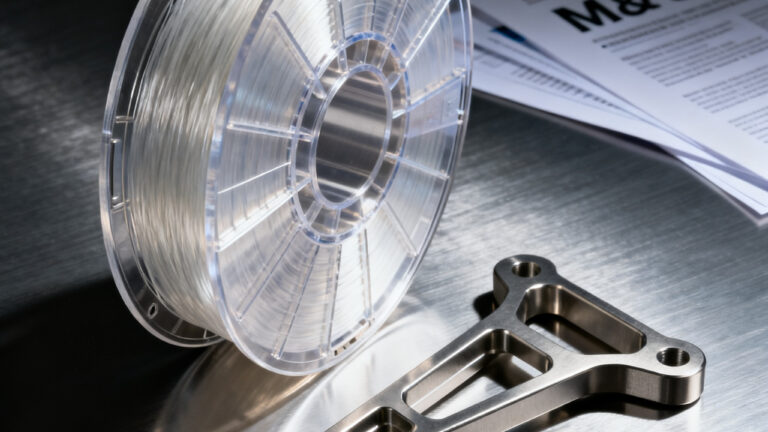
Nel settore della stampa 3D il consolidamento premia la specializzazione verticale e il controllo delle filiere, penalizzando chi è generalista. Management buyout e acquisizioni mirate rafforzano nicchie ad alto margine come medical e aerospazio. Coerenza tecnologica e ricavi ricorrenti sono la chiave per competere.

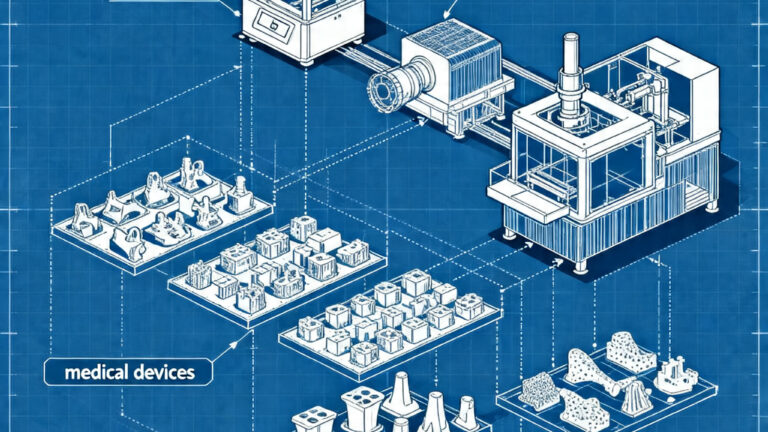
Can you really automate custom prosthetics?

Can you really automate custom prosthetics?

Automation in custom prosthetics is now a necessity. Integrating design, production, and support removal with end-to-end digital workflows guarantees scalability, repeatable quality, and regulatory traceability, from dental labs to complex hip prostheses.

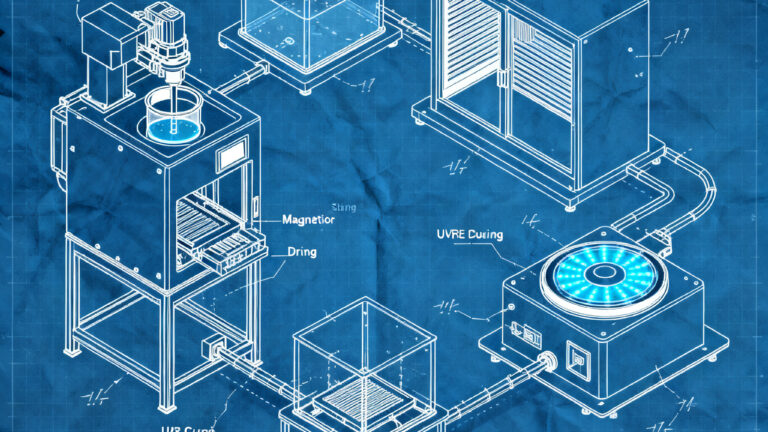
Can you automate the post-processing of the resin?

Can you automate the post-processing of the resin?

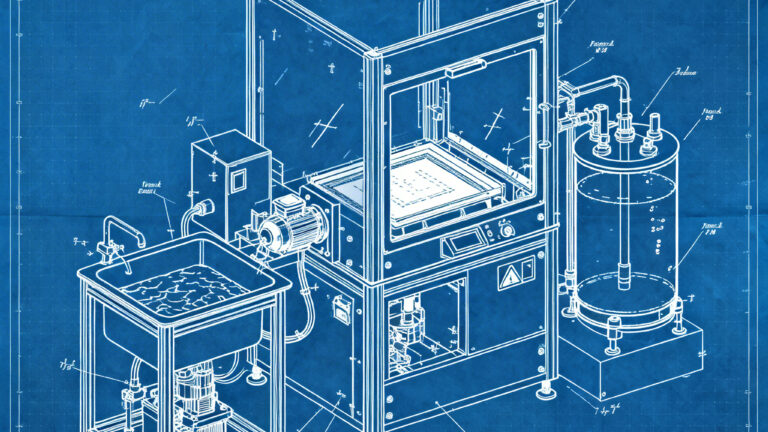
Automating the post-processing of resin improves precision and repeatability. A modular workflow adapts each phase to the specific parameters of the material, reducing errors and manual times. The integration between the printer and washing/curing stations enables certified, traceable, and scalable flows, ideal for professional and biocompatible applications.

Is AM really revolutionizing the industry?

Is AM really revolutionizing the industry?

Additive manufacturing is transforming sectors such as aerospace and healthcare, where complex geometries and customizations offer tangible structural and economic advantages, confirming the mechanism of creative destruction.

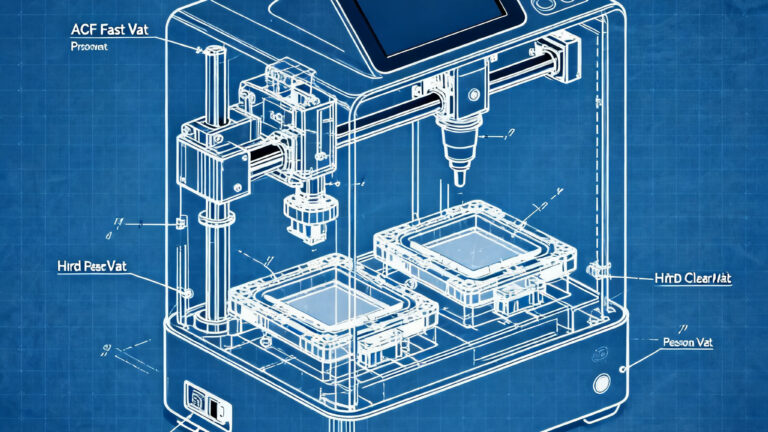
3D in studio: less than 10 minutes for a crown?

3D in studio: less than 10 minutes for a crown?

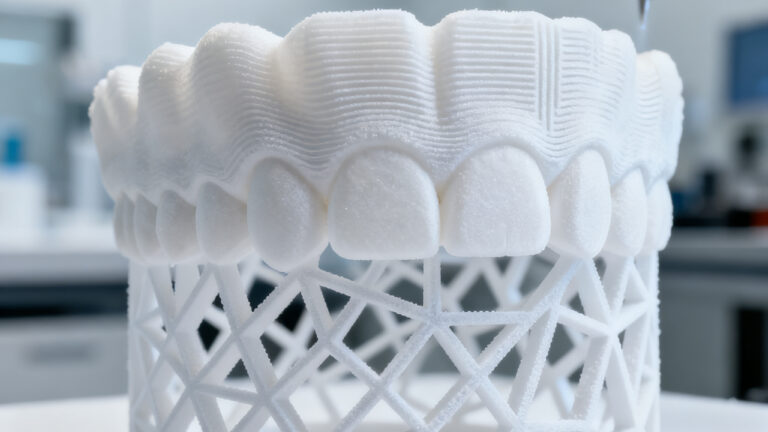
PioCreat presents at Formnext 2025 3D solutions for rapid dental production: the PioNext Mini prints crowns in 10 minutes with compact design and dual resin vat. Ideal for dental studios, it offers high precision, biocompatibility and operational flexibility, revolutionizing the digital workflow in the medical and dental field. Learn more at PioCreat.com.

Why is the 3D market splitting in two?

Why is the 3D market splitting in two?

The 3D market is splitting: on one hand, entry-level systems under 2.500$ are growing by more than 30%; on the other, high-end industrial platforms are struggling. Three sectors are driving demand: aerospace, defense, and healthcare. China is recording strong increases in metal PBF. Business models are differentiating: suppliers are focusing on specific segments to remain competitive. Future growth

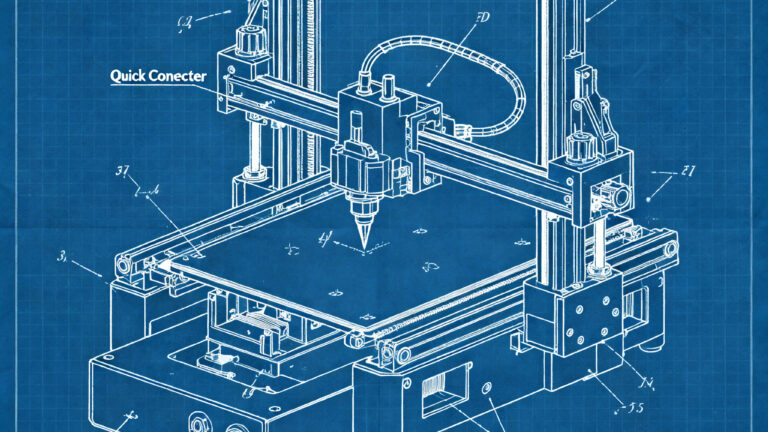
Who wins in 2026 among FDM toolchangers?

Who wins in 2026 among FDM toolchangers?

In 2026, the FDM toolchanger market has consolidated: here is the solution that stands out for performance, reliability, and software integration. The best choice depends on the specific workload.

Photopolymer Resin Safety in SLA Printers: Process Standardization and Informed Choices

Photopolymer Resin Safety in SLA Printers: Process Standardization and Informed Choices

SLA 3D printing with photopolymer resins requires attention to chemical risks. Material selection, operational safety, and disposal are fundamental for health and compliance.

Safety and Standards in Post-Processing of Resins for Stereolithography

Safety and Standards in Post-Processing of Resins for Stereolithography

Post-processing is crucial in stereolithography to ensure safety and regulatory compliance. Stages such as washing and post-curing eliminate chemical residues and complete polymerization, ensuring mechanical properties and biocompatibility. The use of validated systems and low-risk solvents improves operational efficiency and safety.

Medical Implants and Metal Sensitivity: Balancing Biocompatibility, Durability and Costs

Medical Implants and Metal Sensitivity: Balancing Biocompatibility, Durability and Costs

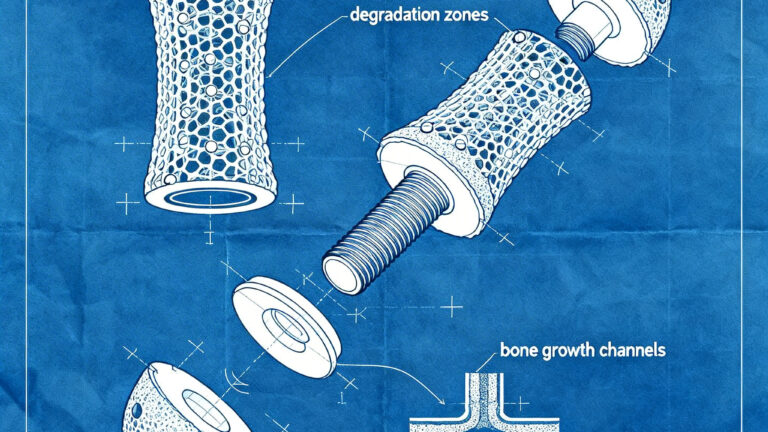
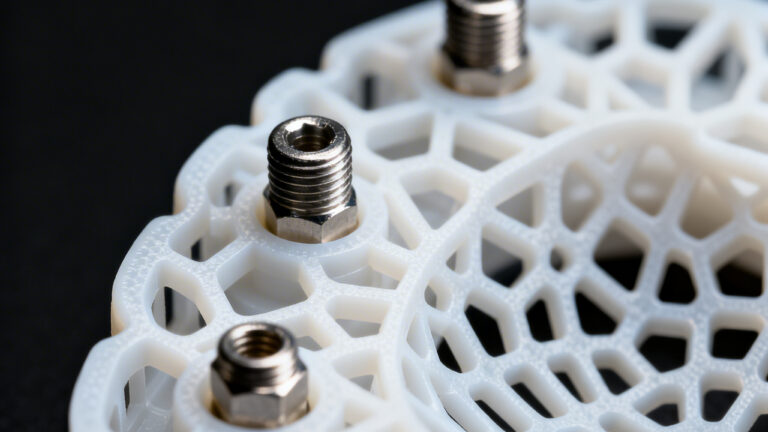
The choice of materials for medical implants requires a balance between biocompatibility, durability and costs. Titanium, PEEK and bioresorbable materials such as magnesium offer different solutions with specific advantages. Innovations such as TPMS structures and AI improve bone integration and reduce operating times. Customization enables better results, albeit with higher initial costs

How 3D Printing Is Transforming Dentistry: Technologies, Materials and Clinical Applications

How 3D Printing Is Transforming Dentistry: Technologies, Materials and Clinical Applications

3D printing is revolutionizing dentistry, enabling rapid and customized production of dental devices directly in the office. Thanks to technologies such as SLA, DLP and PolyJet and biocompatible materials, it is possible to create crowns, surgical guides, orthodontic models and prostheses in reduced times, with greater precision and lower costs compared to traditional methods. The integr

/