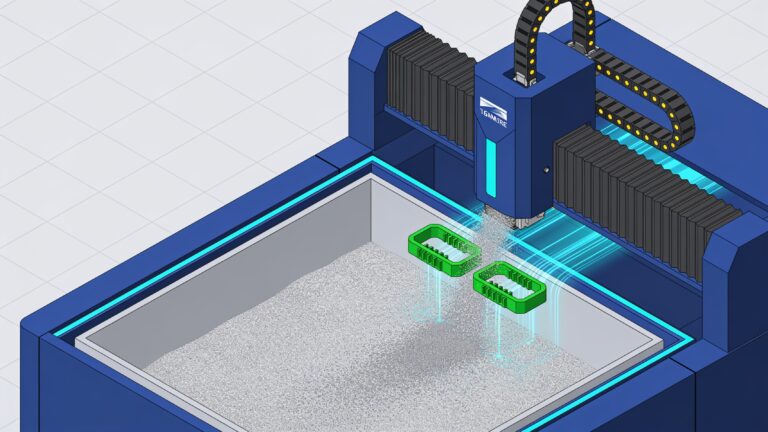
Tecnologia: Binder Jetting

High-temperature ceramics: which AM process to choose?

High-temperature ceramics: which AM process to choose?

Additive manufacturing of high-temperature resistant ceramics requires careful selection of the process: melt-infiltration, CVI, or PIP, each with advantages and limitations in terms of cost, speed, and complexity. Cellular structures reduce weight and material but can compromise structural integrity. Advanced materials such as SiC and multi-oxide composites offer high performance but at

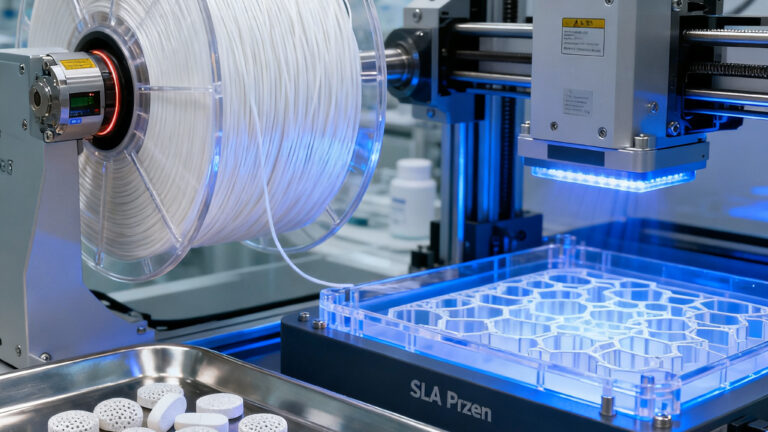
Integration of 3D Printing in Hospitals: An Operational Guide for Safe and Efficient Clinical Implementation

Integration of 3D Printing in Hospitals: An Operational Guide for Safe and Efficient Clinical Implementation

3D printing in hospitals is becoming an essential resource for personalized medicine, with applications ranging from anatomical models to custom implants. Integration requires adequate technologies, biocompatible materials, standardized workflows, and trained staff. Benefits include shorter waiting times, greater clinical precision, and cost reduction. Leading hospitals

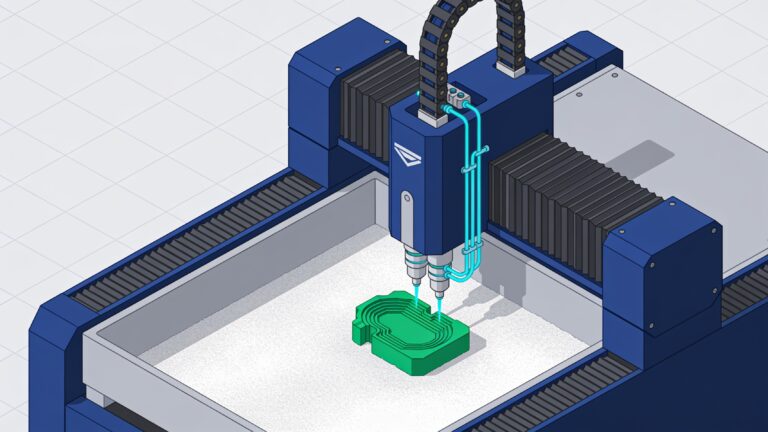
Industrial Binder Jetting with Ceramic Slurries: Mechanisms, Criticalities, and Advantages Compared to Powder Systems

Industrial Binder Jetting with Ceramic Slurries: Mechanisms, Criticalities, and Advantages Compared to Powder Systems

Binder jetting with ceramic slurries offers industrial advantages such as higher green density and controlled shrinkage, but requires precise management of rheology and material stability. Compared to dry powder systems, this technology allows for greater uniformity and production scalability, provided that advanced control systems and stable formulations are integrated to ensure quality and repeatability

Additive Manufacturing: How Market Consolidation Redesigns Financial Strategy in the Sector

Additive Manufacturing: How Market Consolidation Redesigns Financial Strategy in the Sector

The additive manufacturing sector is experiencing a shift: from growth based on volumes to a strategy focused on margins, vertical specialization, and operational optimization. Companies like Materialise demonstrate how consolidation and attention to profitability, rather than expansion, can guarantee positive cash flows and solid financial positions, even

Press TCT 2026: new frontiers of industrial additive manufacturing

Press TCT 2026: new frontiers of industrial additive manufacturing

The TCT Awards 2026 highlight the growing role of additive manufacturing in strategic sectors such as aerospace, defense, and automotive, with projects that integrate optimized structures, advanced materials, and cross-sector collaborations.

Innovative Materials for Industry 4.0: Advanced Solutions in Technical Ceramics and Reinforced Polymers

Innovative Materials for Industry 4.0: Advanced Solutions in Technical Ceramics and Reinforced Polymers

Innovative materials such as technical ceramics and reinforced polymers are revolutionizing Industry 4.0, offering high-performance solutions for sectors like automotive, aerospace, and additive manufacturing. With advanced sintering and production technologies, these materials enable complex geometries and structural applications, also thanks to specialized centers like AMPP. The implementation

Industrial Build Preparation Automation: The Concrete Plan to Reduce Errors and Times

Industrial Build Preparation Automation: The Concrete Plan to Reduce Errors and Times

Automation of build preparation in additive manufacturing reduces errors and time through standardized and repeatable processes. Solutions like AMIS Runtime enable intelligent nesting and continuous optimization, increasing density and production flexibility. Benefits include fewer human errors, greater machine efficiency, and cost reduction. Integration requires val

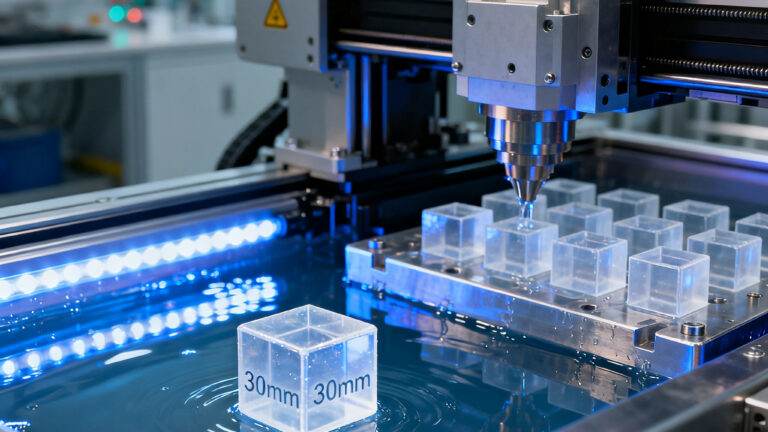
Post-Processing and Debinding: How Key Additive Manufacturing Technologies Work

Post-Processing and Debinding: How Key Additive Manufacturing Technologies Work

Post-processing and debinding are crucial stages in additive manufacturing that determine the quality, strength, and finish of components. Technologies such as vapor smoothing and chemical debinding improve surface and structural properties, making parts ready for industrial use.

Why the Industry is Finally Adopting Large-Scale 3D Printing

Why the Industry is Finally Adopting Large-Scale 3D Printing

In 2025-26, 3D printing moves beyond experimentation: aerospace, medical, automotive, and defense integrate it into main lines, driven by investments, geopolitics, and reliable standards. Market from 40 to 250 billion by 2035: those who train and scale now will lead the manufacturing of the future.

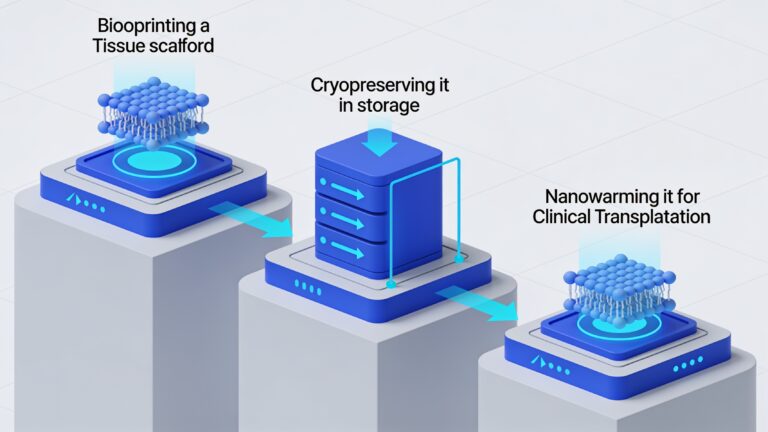
Liver Bioprinting: A Decisive Step Towards Temporary Liver Regeneration

Liver Bioprinting: A Decisive Step Towards Temporary Liver Regeneration

Carnegie Mellon leads the $28.5 million LIVE project to print temporary liver tissue: a “biological bridge” that supports the liver in regeneration, avoids transplantation, and reduces waiting lists within 5 years.

Metal and Ceramic Additive Manufacturing: Innovations Transforming Industrial Production

Metal and Ceramic Additive Manufacturing: Innovations Transforming Industrial Production

In 2025, additive manufacturing of metals and ceramics enters industrial production: DED heads without chamber, LFAM for large structures, 3D ceramics for medtech and semiconductors.

New Frontiers of Industrial 3D Printing: Composite Materials and Multi-Material Additive Production

New Frontiers of Industrial 3D Printing: Composite Materials and Multi-Material Additive Production

Multi-material 3D printing: a single part with rigid, flexible, conductive zones. Innovations from Bambu to Stratasys, automotive-aerospace applications, open-source software, and US investments toward mass production.

/