Materiale: Polymers

DIY 3D Kit: Saving or Wasting Time?

DIY 3D Kit: Saving or Wasting Time?

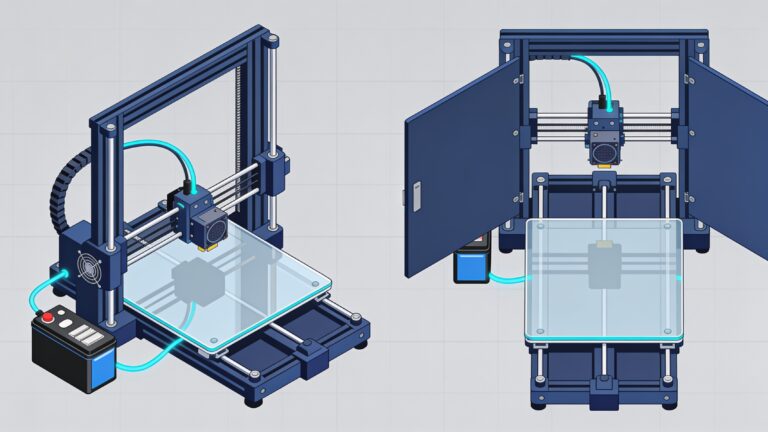
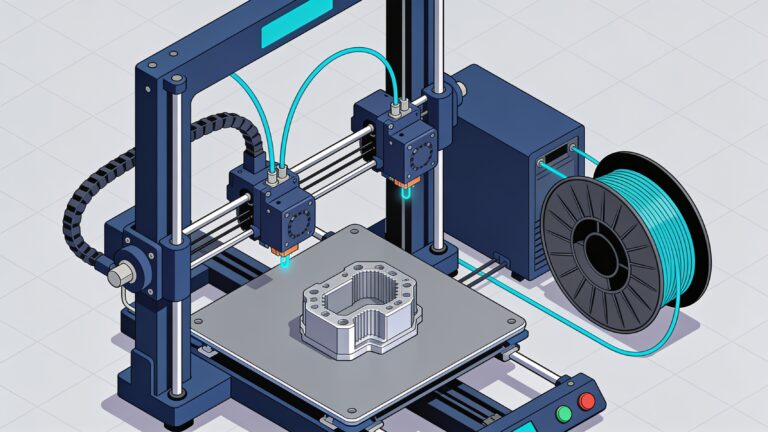
3D printer kits save 20-30% and offer total control, but require time and skills. From basic models like Dagoma (€399) to advanced ones like Prusa CORE One+ (€1,999), choosing a kit is convenient for those who want to customize and maintain their own machine, dedicating hours to assembly.

Large-scale AI: the automation that doesn't fail?

Large-scale AI: the automation that doesn't fail?

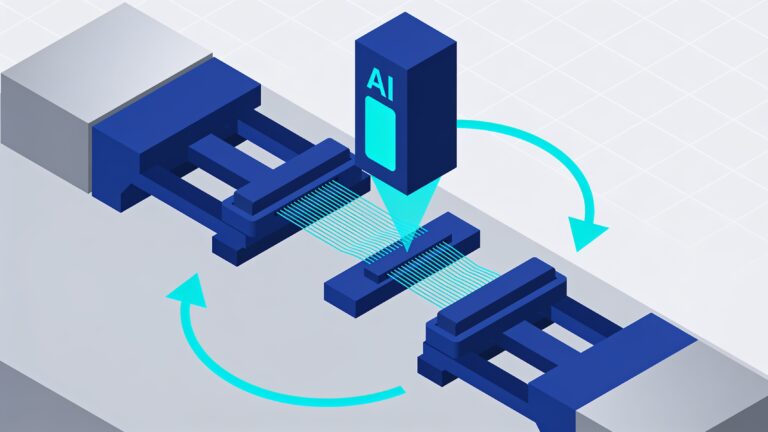
AI in industrial automation requires rethinking the entire production flow. Real value emerges when artificial intelligence operates along the entire chain, overcoming the limited approach to single machines and local optimizations in additive manufacturing.

OrcaSlicer 2.4.0 Alpha: innovation at what cost?

OrcaSlicer 2.4.0 Alpha: innovation at what cost?

OrcaSlicer 2.4.0 Alpha offers Orca Cloud, Z Anti-Aliasing, and Machine Input Shaping, but it has technical limitations and risks of instability. For production environments, it is essential to maintain a stable version in parallel and test only copies of the profiles.

3 components, 1 pump: the trick is in the mounts?

3 components, 1 pump: the trick is in the mounts?

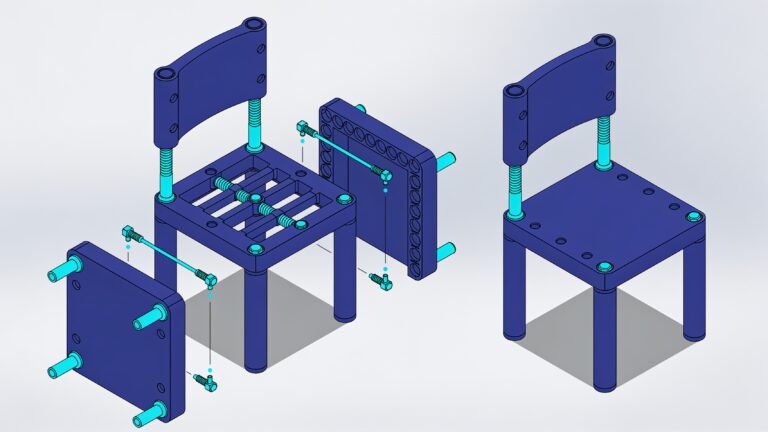
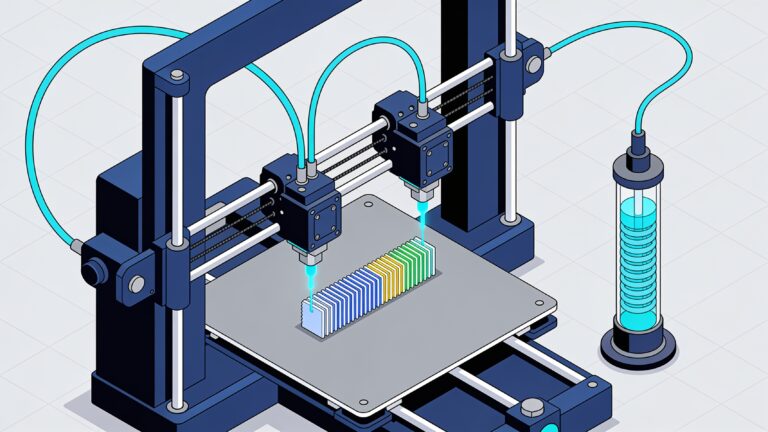
3D printed centrifugal pump in a single piece: bearings and o-rings inserted during printing, dissolvable supports for the impeller and epoxy coating for sealing. A hybrid technique that eliminates post-print assembly.

3 G-Code moves that double strength without extra weight?

3 G-Code moves that double strength without extra weight?

Double the strength of 3D prints without extra weight: use gyroid infill, optimized pathing with Arachne, and localized reinforcements in the G-Code. Advanced slicing techniques for stronger and lighter parts, without complex CAD modifications.

The smart skin that protects robots in space?

The smart skin that protects robots in space?

ESA is developing Smart Skin, an intelligent 3D-printed skin for space robotic arms. The flexible coating integrates thermal protection, sensors, and wiring for lunar and Martian missions, overcoming the limits of traditional insulation.

30€ and 2 days: here's how I built my tool changer

30€ and 2 days: here's how I built my tool changer

Practical guide to building a tool changer system for 3D printers with less than €30 and a weekend of work. Discover which components to buy, what to print, the critical tolerances to respect, and common errors to avoid to build a functional DIY tool changer.

3D printed shoes? Here's who's already making money from them

3D printed shoes? Here's who's already making money from them

In 2026, 3D shoes become industrial reality: Zellerfeld, PollyFab and others offer production platforms, AI design and dedicated materials. From custom footwear to orthopedic soles, the industry abandons experimentation for scalable models and digital customization.

30 printers, 1 historic environment: how they did it

30 printers, 1 historic environment: how they did it

The Saint Louis Art Museum replicated a section of the Trajan's Column with 30 desktop 3D printers. A modular workflow of modeling, printing, and assembly created a full-scale tactile replica, demonstrating that distributed desktop production is scalable for cultural heritage.

Thus I digitized an industrial piece

Thus I digitized an industrial piece

Digitizing industrial components for 3D printing in a few hours is possible with real-time visual feedback scanners, automatic mesh cleaning, and parameters aligned with the printer. A method that reduces errors, iterations, and the learning curve.

3 tools that cut setup times by up to 70%

3 tools that cut setup times by up to 70%

Three solutions to optimize print farms: SimplyPrint, AutoFarm3D, and 3D Print Manager. Reduce setup times by up to 70% with centralized queues, multi-start, automatic monitoring, and integrated material and cost management.

Functional 3D fidget toys? Here's how to make them properly

Functional 3D fidget toys? Here's how to make them properly

Guide to creating functional 3D fidget toys: choose tested models, use print-in-place and snap-fit with tolerances of 0.2-0.3 mm, and suitable materials: PLA for rigid clickers, PETG for stress, and TPU for soft grips. Calibrate the printer for durable results.

/