Tecnologia: DMLS/SLM

Can AM revolutionize the transport of nuclear fuel?

Can AM revolutionize the transport of nuclear fuel?

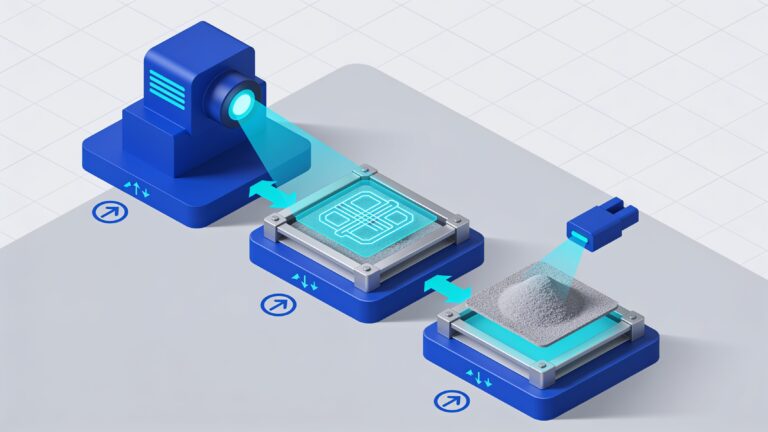
Additive manufacturing could revolutionize the transport of spent nuclear fuel, reducing costs and production times for critical components such as impact limiters. Technologies like FFF and PBF allow for complex geometries and savings of up to $1.7 million per cask. Studies by Orano and UNC Charlotte confirm technical feasibility, but specific regulatory standards are still lacking.

Real-time correction: how patents promise to revolutionize 3D printing

Real-time correction: how patents promise to revolutionize 3D printing

New real-time quality control systems promise to revolutionize 3D printing by correcting errors during the production process. Optical and thermal sensors monitor printed calibration elements alongside the component, enabling immediate corrections to parameters. This reduces waste and improves precision, especially for complex geometries such as aerospace ones. The patent

Resilience and Hidden Costs: How Geopolitics Is Redesigning Global Supply Chains

Resilience and Hidden Costs: How Geopolitics Is Redesigning Global Supply Chains

The resilience of global chains is becoming crucial for economic sustainability. Geopolitics reveals hidden costs related to distances, logistics, and systemic fragility. Companies are reconsidering production localization and additive manufacturing to reduce risks and improve self-sufficiency.

How Functional Grading Works in Industrial Additive Processes

How Functional Grading Works in Industrial Additive Processes

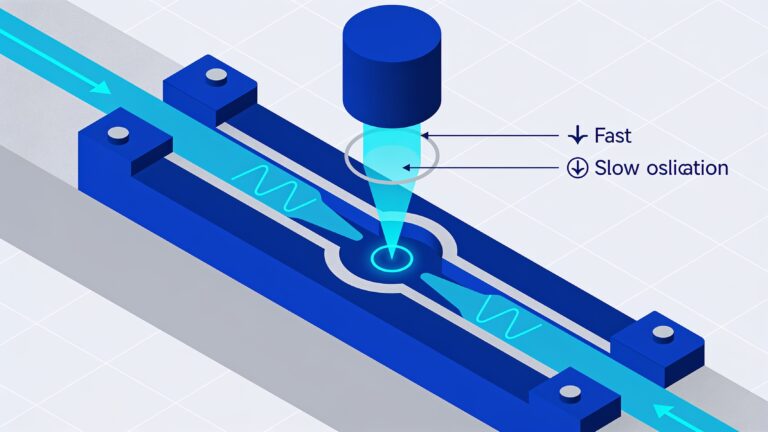
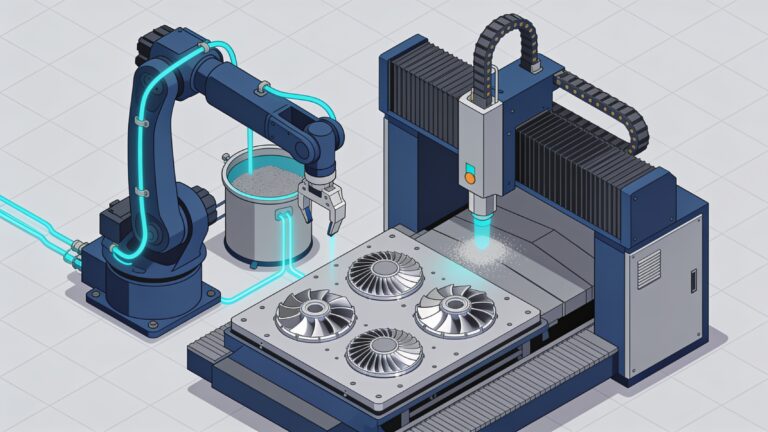
Functional grading in industrial additive processes enables the creation of components with variable properties in a controlled manner, modulating the thermal energy during deposition. Thanks to sensors and real-time feedback, the process allows gradual and precise transitions of mechanical characteristics, without interruptions or the need for assembly. This innovative technology finds app

Integration of 3D Printing in Hospitals: An Operational Guide for Safe and Efficient Clinical Implementation

Integration of 3D Printing in Hospitals: An Operational Guide for Safe and Efficient Clinical Implementation

3D printing in hospitals is becoming an essential resource for personalized medicine, with applications ranging from anatomical models to custom implants. Integration requires adequate technologies, biocompatible materials, standardized workflows, and trained staff. Benefits include shorter waiting times, greater clinical precision, and cost reduction. Leading hospitals

Advanced Training for Industrial 3D Printing: How Companies Build Scalable Competencies

Advanced Training for Industrial 3D Printing: How Companies Build Scalable Competencies

Advanced training in industrial 3D printing is now strategic for bridging the skills gap and ensuring the growth of the sector. Structured programs, academic partnerships, and hybrid learning models are preparing professionals capable of integrating technology and productive practice.

Additive Manufacturing vs Plastic Injection: Trade-offs in Industrial and Aerospace Contexts

Additive Manufacturing vs Plastic Injection: Trade-offs in Industrial and Aerospace Contexts

The choice between 3D printing and plastic injection depends on volume, customization, and operational context. Injection dominates in high volumes, while 3D printing is preferred for small batches and complex geometries. Both are complementary.

Implementing WAAM in Civil Engineering: A Real Case of Industrial Integration

Implementing WAAM in Civil Engineering: A Real Case of Industrial Integration

The collaboration project between NAICO Malaysia and WAAM3D demonstrates the concrete integration of Wire Arc Additive Manufacturing (WAAM) in civil engineering, with a systemic approach covering every phase of the process, from engineering to finishing. Through the MiniWAAM platform, the project develops advanced industrial capabilities, promoting the efficient production of metallic components of

Custom and biodegradable implants: what patents tell us about the future of orthopedics

Custom and biodegradable implants: what patents tell us about the future of orthopedics

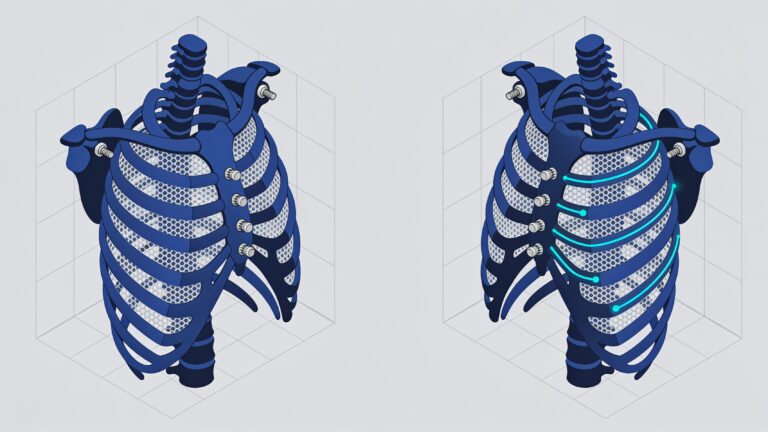
3D printing is revolutionizing orthopedics with custom, biodegradable, and hybrid implants, which combine mechanical precision and porous structures to improve bone integration and reduce secondary surgeries.

How 3D Printing is Revolutionizing Luxury Jewelry Production

How 3D Printing is Revolutionizing Luxury Jewelry Production

3D printing is revolutionizing luxury jewelry, enabling complex shapes, reduced production times, and less waste of precious metals. Thanks to digital design and technologies like SLA and LPBF, designers can create details impossible to achieve with traditional methods, accelerating prototyping and production. Integration with lost-wax casting maintains the high quality

Implementing Direct-to-Consumer in the industrial sector: an operational plan for regional expansion

Implementing Direct-to-Consumer in the Industrial Sector: An Operational Plan for Regional Expansion

Implementing a Direct-to-Consumer (DTC) model in the industrial sector requires a structured approach that goes beyond online sales, integrating design, production, and logistics into an end-to-end workflow. Success depends on the governance of distributed capacity, secure digital platforms, and transparency in processes. Cases like Polymaker and Juise Mobility show how DTC, if well pro

How to Redesign Industrial Metal AM Production: An Operational Playbook for Scalability and Efficiency

How to Redesign Industrial Metal AM Production: An Operational Playbook for Scalability and Efficiency

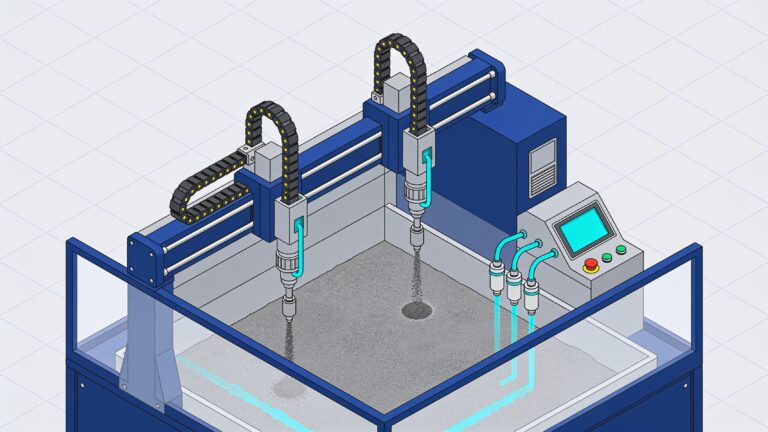
The future of industrial metal AM requires an integrated approach that connects all production processes into a single intelligent architecture, eliminating physical movements and operational delays. Winning factories do not improve individual steps, but redesign the entire workflow as a system coordinated by a common layer of intelligence, automation, and shared data.

/