Settore Industriale: Medical

AM in production? Only if you know what to stop

AM in production? Only if you know what to stop

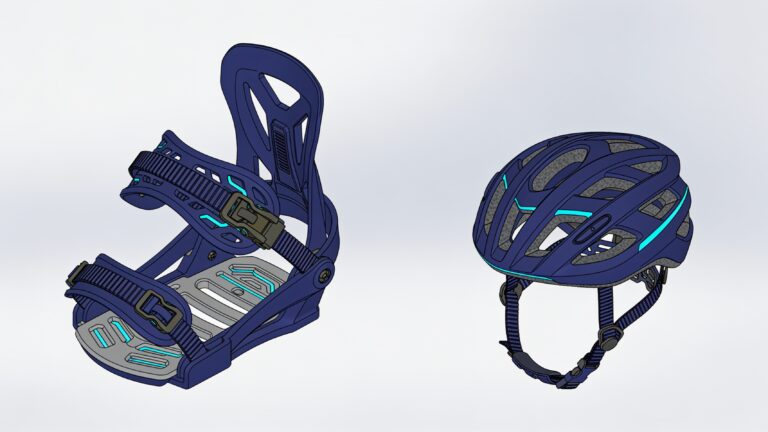
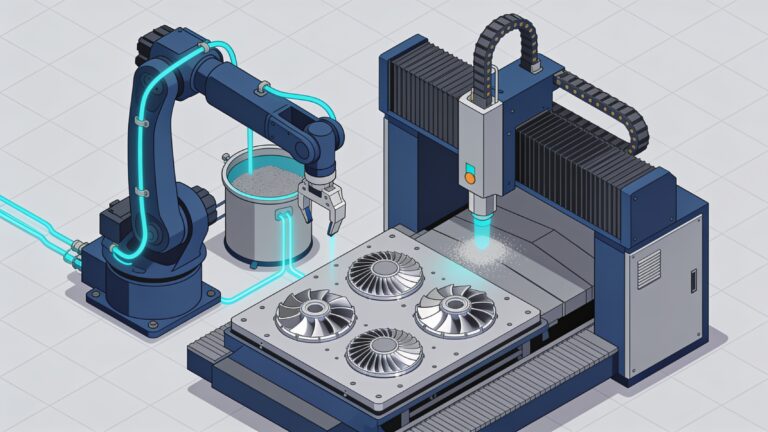
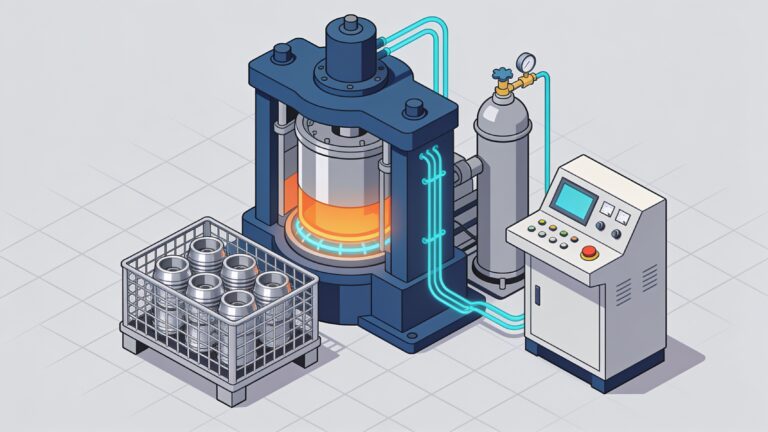
Additive Manufacturing (AM) succeeds in production only when applied to specific cases with high functional requirements, not to replace traditional methods, but to solve needs that these cannot satisfy. Success depends on consolidated designs, controlled materials, fixed parameters, and disciplined post-processing. Sectors such as aerospace, medical, and tooling exploit the

Metrology in 3D Scanning: How Integrated Processing Works and Its Industrial Applications

Metrology in 3D Scanning: How Integrated Processing Works and Its Industrial Applications

Integrated metrology in 3D scanners enables real-time quality control, reducing time and costs. Thanks to advanced sensors, geometric algorithms, and connectivity, these systems process dimensional data directly during scanning, integrating with metrology platforms and production processes. Despite some technological limitations, they represent a breakthrough for high-

3D Micropile for Immunotherapy? Here's How It Works

3D Micropile for Immunotherapy? Here's How It Works

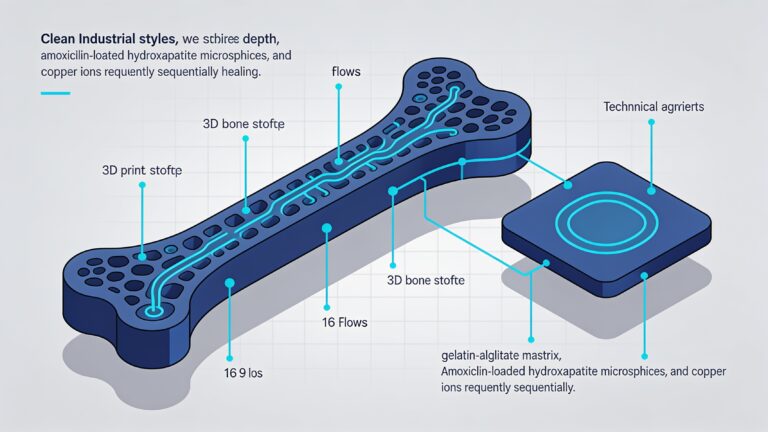
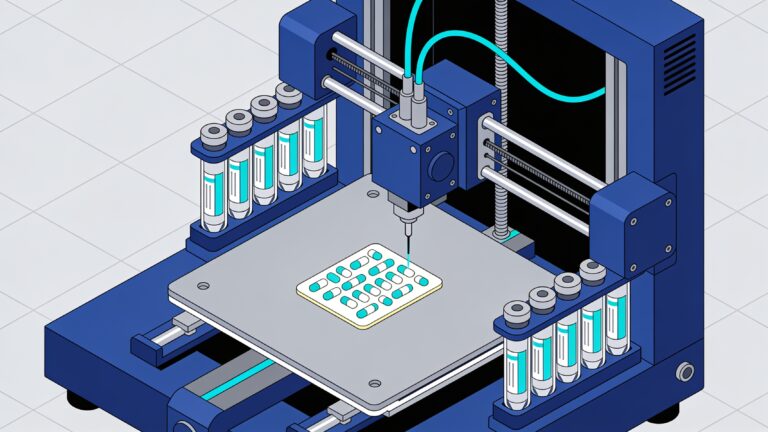
3D microneedles based on polysaccharides represent a new frontier for cancer immunotherapy. These biodegradable structures penetrate the skin to release drugs directly into the tumor microenvironment, reducing side effects and increasing therapeutic efficacy. Thanks to 3D printing, it is possible to customize their shape and composition for targeted and controlled release. I

Transparent and Special: How Do They Really Work?

Transparent and Special: How Do They Really Work?

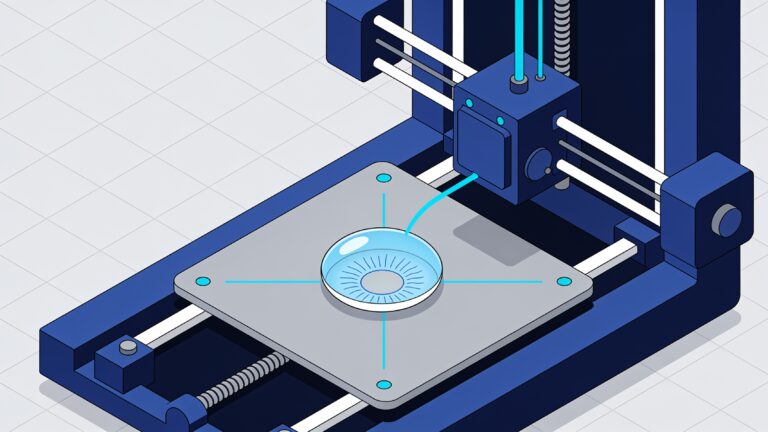
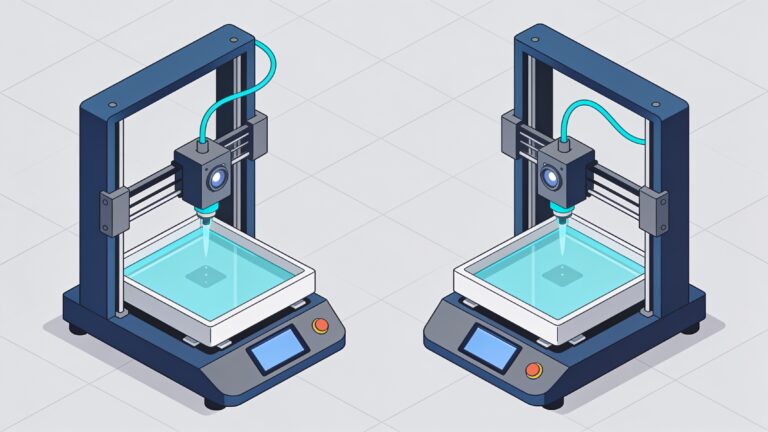
Transparent and special photopolymers are revolutionizing industrial 3D printing thanks to light transmittance greater than 90%, biocompatibility, and micrometric precision. Used in sectors such as medical, microfluidics, and jewelry, these materials offer advanced optical and mechanical properties but require specific knowledge for effective use.

Resilience and Hidden Costs: How Geopolitics Is Redesigning Global Supply Chains

Resilience and Hidden Costs: How Geopolitics Is Redesigning Global Supply Chains

The resilience of global chains is becoming crucial for economic sustainability. Geopolitics reveals hidden costs related to distances, logistics, and systemic fragility. Companies are reconsidering production localization and additive manufacturing to reduce risks and improve self-sufficiency.

Photopolymer Resin Safety in SLA Printers: Process Standardization and Informed Choices

Photopolymer Resin Safety in SLA Printers: Process Standardization and Informed Choices

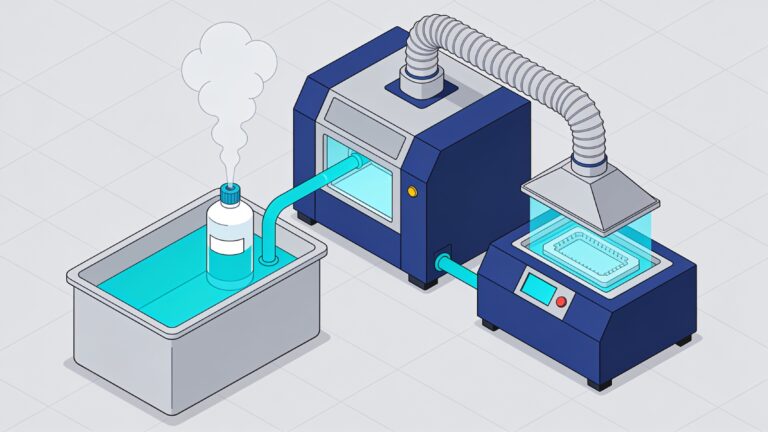
SLA 3D printing with photopolymer resins requires attention to chemical risks. Material selection, operational safety, and disposal are fundamental for health and compliance.

Comparison of 3D Printing Technologies for Polymers: FDM, SLA, SLS, and MJF Compared

Comparison of 3D Printing Technologies for Polymers: FDM, SLA, SLS, and MJF Compared

Comparison between 3D printing technologies for polymers: FDM, SLA, SLS, and MJF. Each technology offers specific advantages in terms of precision, mechanical strength, surface finish, and industrial applications. The evolution of materials is expanding operational boundaries in advanced sectors such as aerospace, automotive, and medical.

HP extends Multi Jet Fusion service: here is how the 3D printing industry is changing

HP extends Multi Jet Fusion service: here is how the 3D printing industry is changing

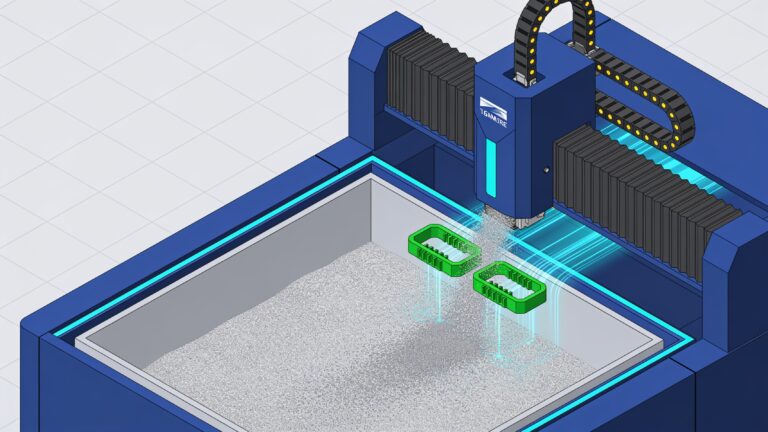
HP expands Multi Jet Fusion service with the new IF 600HT printer and the Maintenance & Monitoring Service, targeting the industry with greater reliability, scalability, and flexibility on materials.

Integration of 3D Printing in Hospitals: An Operational Guide for Safe and Efficient Clinical Implementation

Integration of 3D Printing in Hospitals: An Operational Guide for Safe and Efficient Clinical Implementation

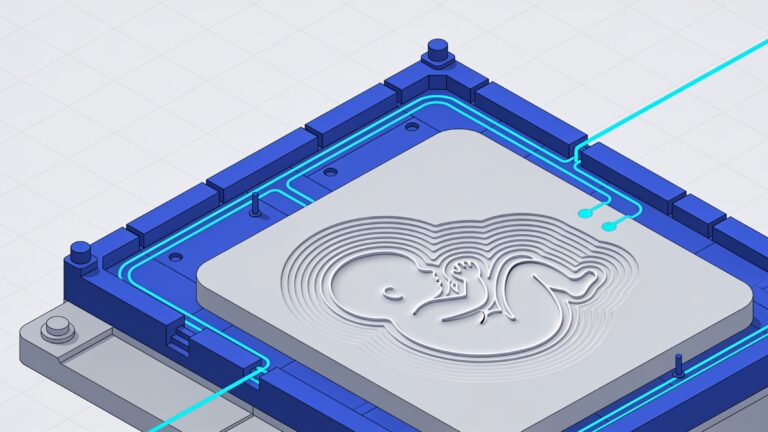
3D printing in hospitals is becoming an essential resource for personalized medicine, with applications ranging from anatomical models to custom implants. Integration requires adequate technologies, biocompatible materials, standardized workflows, and trained staff. Benefits include shorter waiting times, greater clinical precision, and cost reduction. Leading hospitals

Advanced Training for Industrial 3D Printing: How Companies Build Scalable Competencies

Advanced Training for Industrial 3D Printing: How Companies Build Scalable Competencies

Advanced training in industrial 3D printing is now strategic for bridging the skills gap and ensuring the growth of the sector. Structured programs, academic partnerships, and hybrid learning models are preparing professionals capable of integrating technology and productive practice.

Custom and biodegradable implants: what patents tell us about the future of orthopedics

Custom and biodegradable implants: what patents tell us about the future of orthopedics

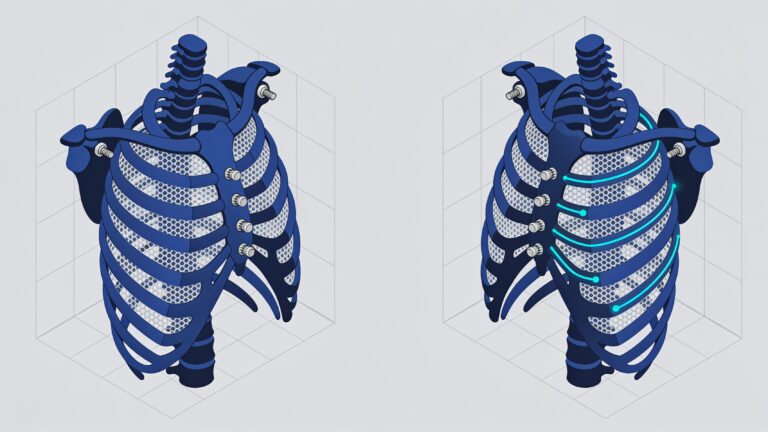
3D printing is revolutionizing orthopedics with custom, biodegradable, and hybrid implants, which combine mechanical precision and porous structures to improve bone integration and reduce secondary surgeries.

Managing Software and Firmware Updates for Printers: A Technical Operational Guide

Managing Software and Firmware Updates for Printers: A Technical Operational Guide

Updating printer firmware and software is essential to prevent errors, optimize materials, and improve efficiency. Neglecting them can cause waste, interruptions, and a drop in quality. Following an accurate procedure, with testing and backups, allows you to fully leverage technological advantages and extend the life of the machines.

/