MEDevice Boston 2026: la manifattura additiva al centro dell’innovazione medtech
Boston's Thomas M. Menino Convention & Exhibition Center will host MEDevice Boston on August 26-27, 2026, one of the most relevant events in New England for the design and production of medical devices. 3D printing and rapid prototyping are identified as central areas of the event, reflecting the growing role of additive manufacturing in the development of medical products.
The event, previously known as BIOMEDevice and now part of the MD&M portfolio, brings together medical device OEMs, startups, engineers, product developers, contract manufacturers, and technology and materials suppliers.
- MEDevice Boston 2026 will take place on August 26-27 at the Boston convention center
- 3D printing is identified as a central area of the event
- Focus on patient-specific devices and digital workflows
- Copertura dell’intero percorso di sviluppo dei dispositivi medici
From prototyping to final production
Additive manufacturing in the medical field has moved beyond simple visual models, embracing functional and production applications.
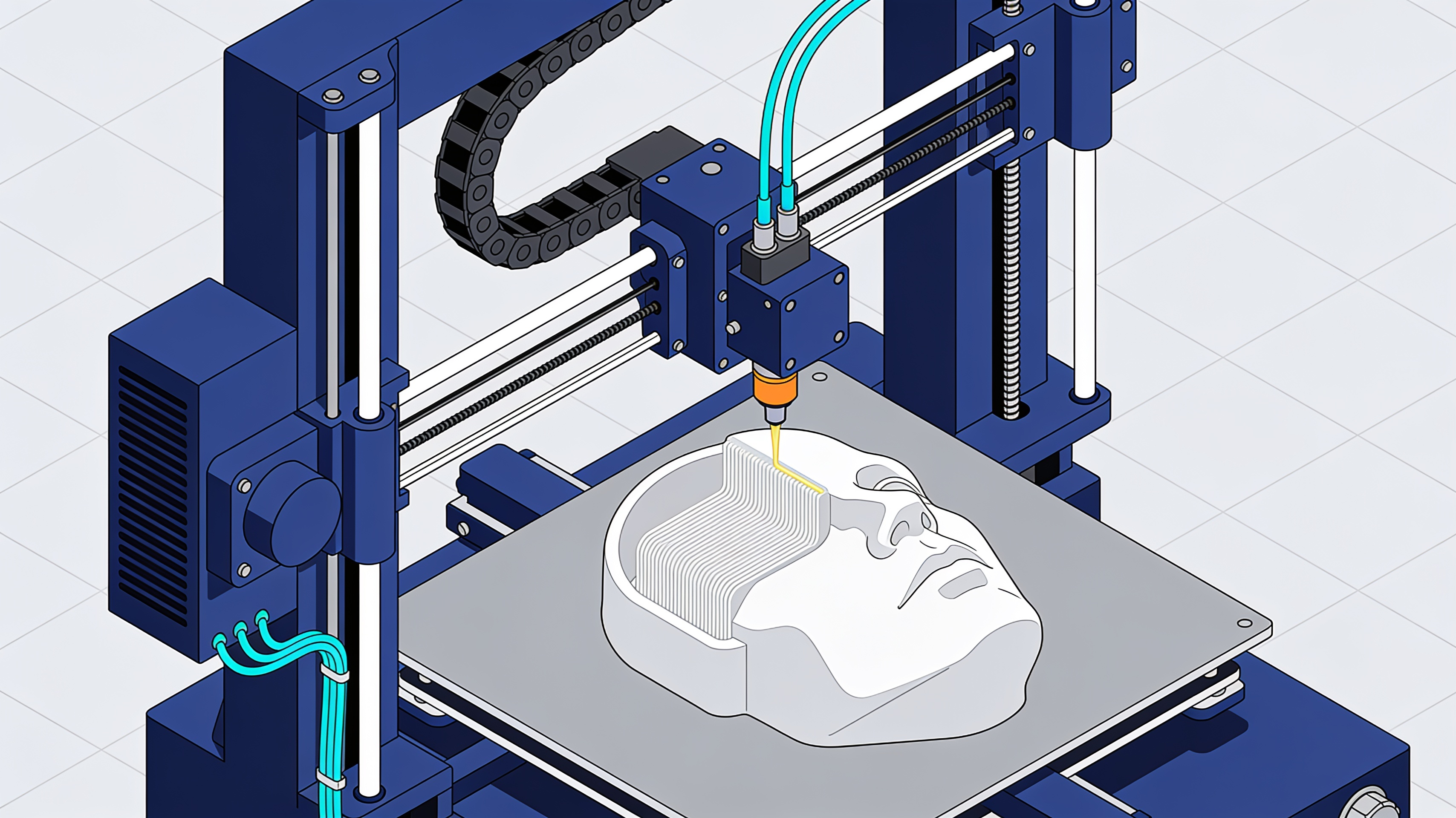
Engineers today use 3D printing to evaluate form and fit, test assembly methods, develop functional prototypes, and produce anatomical models and surgical guides. The technology is also used in creating equipment and fixtures, in the production of patient-specific devices and, in appropriate applications, in the fabrication of final components.
The ability to quickly move from a digital model to a physical part reduces learning cycles. It allows development teams to evaluate geometries that are difficult or uneconomical to produce with conventional methods.
The conference program and regulatory focus
A dedicated session highlights the intersection of additive technology, FDA compliance, and device personalization.
The program includes a session titled “Personalized Medical Device Manufacturing: FDA Clearance, and Reshoring for Patient-Specific Devices”. The focus is on the shift toward patient-specific devices enabled by additive manufacturing and digital design workflows.
This combination of technical development, regulatory strategy, and production implementation represents the distinctive value of MEDevice Boston for the 3D printing community.
The event covers the entire medical device development path: R&D, design, components, materials, sensors, electronics, automation, injection molding, testing, packaging, sterilization, quality systems, and regulatory compliance.
Materials and technologies for the medical field
High-performance materials such as PEEK and Radel PPSU are becoming standard in 3D printing for medical applications.
Among the materials validated for high-temperature printing in the medical sector, PEEK stands out, used on specialized platforms. Radel PPSU represents another high-performance polymer used in medical 3D printing.
Nota3D offers the EXT 220 MED platform, an open-filament extrusion system compatible with both PEEK and Radel PPSU, specifically designed for medical devices. The company provides 3D printers, software, and materials for the sector.
Key exhibitors
Companies like Forj Medical and Protolabs represent the integration between additive manufacturing and medical device development.
Forj Medical, identified as a key exhibitor, was born from the merger of Intricon and Minnetronix Medical. The company is involved in the design and production of medical devices.
Protolabs participates with its digital manufacturing service capabilities, including 3D printing expertise specific to the medical sector.
Outlook for the sector
The event reflects the maturation of additive manufacturing as a mainstream production technology in the medical field.
MEDevice Boston 2026 positions itself as a meeting point between technological innovation and industrial requirements of the medical sector. The presence of R&D Tax Savers at the event underscores the interest in learning directly from engineers, designers, manufacturers, and technology suppliers who develop the next generation of medical products.
The integration of 3D printing, digital workflows, and regulatory compliance represents the future of medical device manufacturing. MEDevice Boston offers a platform to explore these convergences in a practical context oriented toward industrial implementation.
article written with the help of artificial intelligence systems
Q&A
When and where will MEDevice Boston 2026 take place?
The event will be held on August 26-27, 2026, at the Thomas M. Menino Convention & Exhibition Center in Boston. It represents one of the most significant gatherings in New England for medical device design and manufacturing.
What are the main applications of 3D printing in the medical sector mentioned?
The technology is used to evaluate form and fit, test assemblies, develop functional prototypes, and produce anatomical models and surgical guides. It is also employed in creating equipment, fixtures, and patient-specific devices, up to the production of final components.
What is the focus of the conference session on additive manufacturing?
The program includes a dedicated session titled 'Personalized Medical Device Manufacturing: FDA Clearance, and Reshoring for Patient-Specific Devices.' The discussion focuses on the intersection of additive technology, FDA regulatory compliance, and device personalization.
Who participates in the MEDevice Boston event?
The event brings together medical device OEMs, startups, engineers, product developers, contract manufacturers, and technology and material suppliers. The exhibition covers the entire development pathway, from R&D to regulatory compliance.
What advantages does additive manufacturing offer in medical product development?
The ability to rapidly transition from a digital model to a physical part reduces learning cycles and allows for the evaluation of complex or cost-prohibitive geometries using conventional methods. This accelerates the development of patient-specific devices enabled by digital workflows.