Materiale: Resins

Transparent and Special: How Do They Really Work?

Transparent and Special: How Do They Really Work?

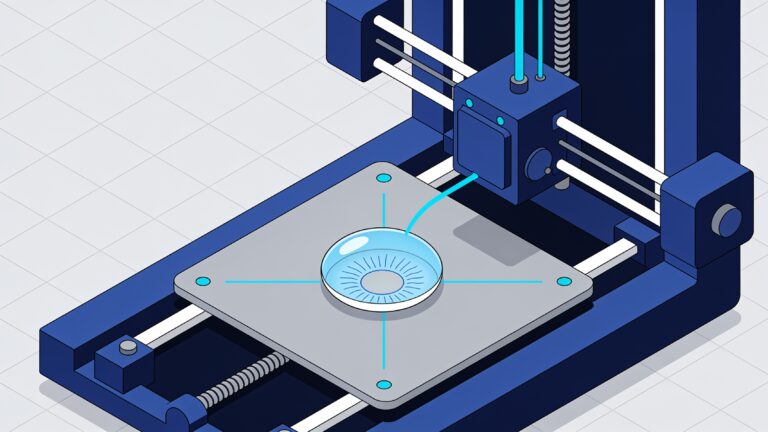
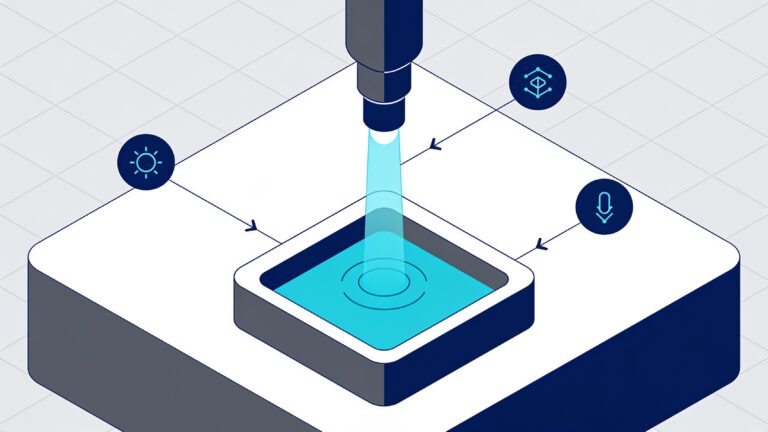
Transparent and special photopolymers are revolutionizing industrial 3D printing thanks to light transmittance greater than 90%, biocompatibility, and micrometric precision. Used in sectors such as medical, microfluidics, and jewelry, these materials offer advanced optical and mechanical properties but require specific knowledge for effective use.

Photopolymer Resin Safety in SLA Printers: Process Standardization and Informed Choices

Photopolymer Resin Safety in SLA Printers: Process Standardization and Informed Choices

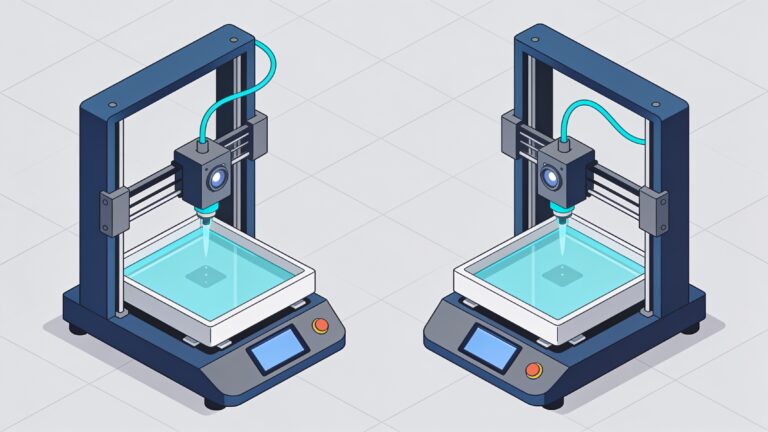
SLA 3D printing with photopolymer resins requires attention to chemical risks. Material selection, operational safety, and disposal are fundamental for health and compliance.

Integration of 3D Printing in Hospitals: An Operational Guide for Safe and Efficient Clinical Implementation

Integration of 3D Printing in Hospitals: An Operational Guide for Safe and Efficient Clinical Implementation

3D printing in hospitals is becoming an essential resource for personalized medicine, with applications ranging from anatomical models to custom implants. Integration requires adequate technologies, biocompatible materials, standardized workflows, and trained staff. Benefits include shorter waiting times, greater clinical precision, and cost reduction. Leading hospitals

Managing Software and Firmware Updates for Printers: A Technical Operational Guide

Managing Software and Firmware Updates for Printers: A Technical Operational Guide

Updating printer firmware and software is essential to prevent errors, optimize materials, and improve efficiency. Neglecting them can cause waste, interruptions, and a drop in quality. Following an accurate procedure, with testing and backups, allows you to fully leverage technological advantages and extend the life of the machines.

3D Printing Implementation for Microfluidic Devices: A Practical Guide to Reducing Costs and Complexity

3D Printing Implementation for Microfluidic Devices: A Practical Guide to Reducing Costs and Complexity

3D printing is revolutionizing microfluidics by enabling the rapid and precise production of complex devices in a single process. Technologies like PolyJet and PµSL allow for the creation of microfluidic chips with micrometer-scale channels, eliminating assembly phases and reducing development costs and times. The integration of advanced design, biocompatible materials, and functional coatings enables

Additive Manufacturing Certification for Medical Devices: An Operational Framework for Effective Qualification

Additive Manufacturing Certification for Medical Devices: An Operational Framework for Effective Qualification

The certification of medical devices produced with additive manufacturing requires an operational framework that integrates regulatory requirements from the design phase. This approach, called “design for certification”, reduces delays and late reviews, turning compliance into a competitive advantage. It is fundamental to qualify the 3D printing process with documented proof of rep

How the Soft Optical SOLen Sensor Works in Medical Applications

How the Soft Optical SOLen Sensor Works in Medical Applications

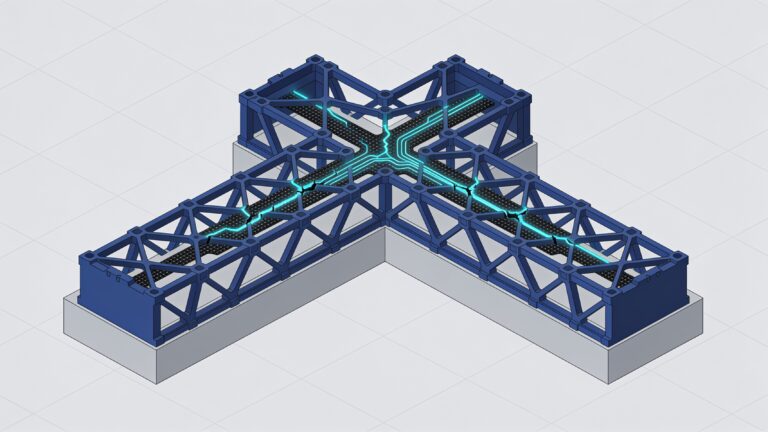
The SOLen soft optical sensor uses light to measure deformations with high precision and stability, overcoming the limits of traditional sensors. Thanks to a 3D-printed Y-structure and a differential configuration of photoreceptors, it offers reliable measurements and is insensitive to environmental interference. Ideal for advanced medical devices, smart orthoses, and monitoring systems

Safety and Standards in Post-Processing of Resins for Stereolithography

Safety and Standards in Post-Processing of Resins for Stereolithography

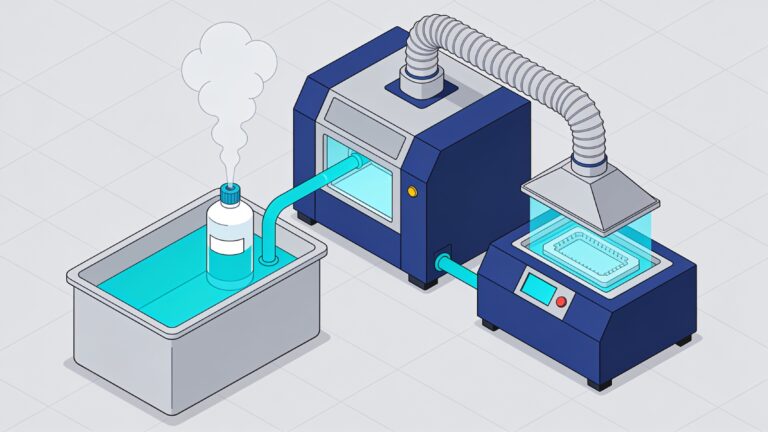
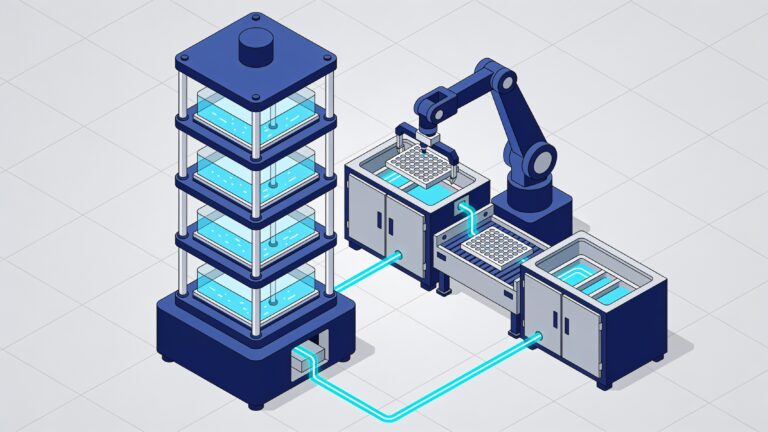
Post-processing is crucial in stereolithography to ensure safety and regulatory compliance. Stages such as washing and post-curing eliminate chemical residues and complete polymerization, ensuring mechanical properties and biocompatibility. The use of validated systems and low-risk solvents improves operational efficiency and safety.

How the Plug-and-Play Optical Interface Made with 3D Printing Works

How the Plug-and-Play Optical Interface Made with 3D Printing Works

New plug-and-play optical interface developed with 3D printing enables high-efficiency connections between optical fibers and integrated photonic circuits, with losses of only 0.78 dB. Thanks to polymer structures created via two-photon polymerization, the system offers passive alignment, compatibility with standard MTP cables, and stable performance over broad bandwidth, paving the way for photonic systems

How 3D Modeling Tools Work for Youth Education

How 3D Modeling Tools Work for Youth Education

3D modeling tools are revolutionizing youth education, making STEAM learning more visual, interactive, and engaging. Through intuitive interfaces and complete design cycles, students transform ideas into physical objects, developing technical and creative skills from primary school. Software like BlocksCAD and SelfCAD combine geometry, coding and s

Educational Robotics and Maker Approach: Practical Guide for Schools and Teachers

Educational Robotics and Maker Approach: Practical Guide for Schools and Teachers

Educational robotics and the maker approach, if integrated with a structured teaching plan, can transform learning into a practical experience. Success depends on teacher training, the appropriate choice of technologies and materials, and coherent curricular integration.

How 3D Printing is Transforming Dentistry: Technologies, Materials, and Clinical Applications

How 3D Printing is Transforming Dentistry: Technologies, Materials, and Clinical Applications

3D printing is revolutionizing dentistry, enabling the rapid and customized production of dental devices directly in the office. Thanks to technologies like SLA, DLP, and PolyJet and biocompatible materials, it is possible to create crowns, surgical guides, orthodontic models, and prostheses in shorter times, with greater precision and lower costs compared to traditional methods. The integr

/