VBN: 3D-printed pure tungsten at 99,7%
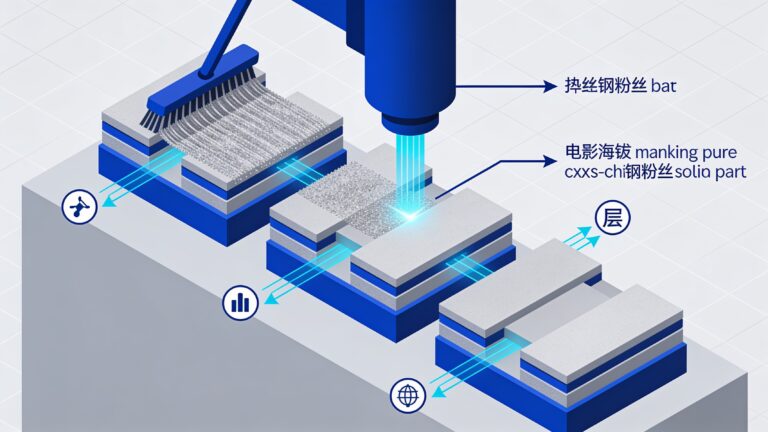
VBN Components has introduced Vibenite 500, pure tungsten for PBF-EB 3D printing with density above 99.7% and hardness of about 400 HV2, intended for high-temperature applications and radiation shielding.

 Innovations
 VBN Components has introduced Vibenite 500, pure tungsten for PBF-EB 3D printing with density above 99.7% and hardness of about 400 HV2, intended for high-temperature applications and radiation shielding.
 Innovations
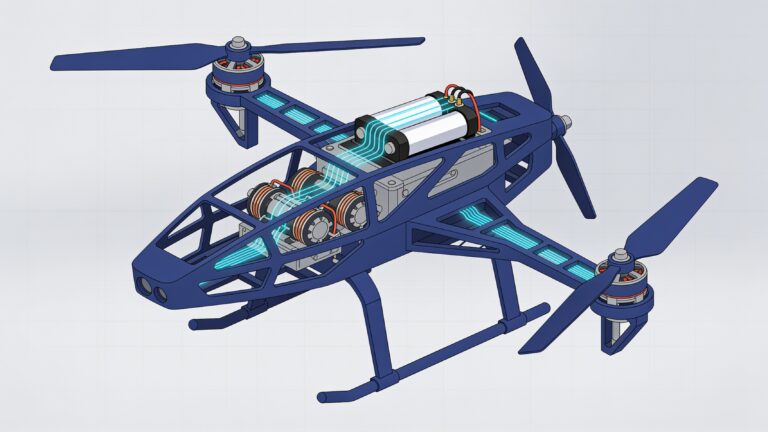
 A 250-gram FDM drone reached 413 km/h according to its designer, an uncertified figure. The case shows how 3D printing enables rapid iterative development cycles, combining aerodynamic simulation and field testing.
 Innovations
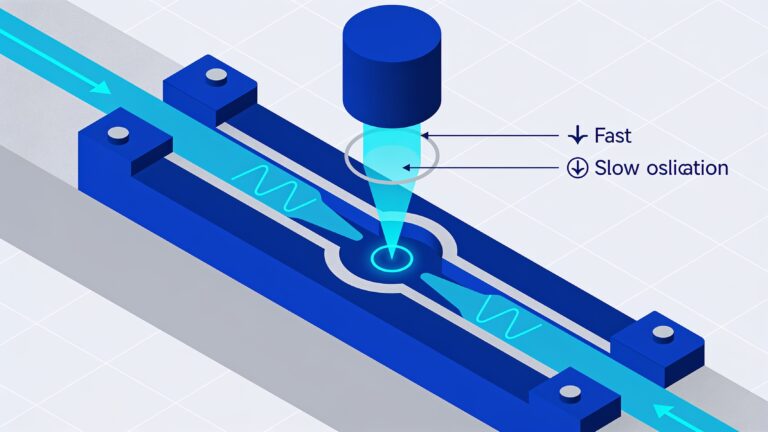
 General Electric has patented a monitoring system for metal 3D printing that analyzes high-frequency oscillations of the light emitted during laser melting, separating them from the average signal, to detect defects in real time via machine learning.
 Innovations
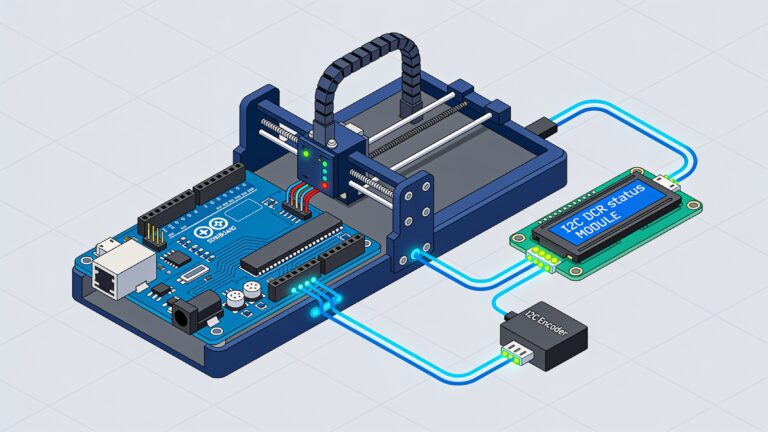
 Marlin 2.1.2.9 is a corrective release that fixes bugs in the status LEDs of VIKI I2C LCD displays and in the compilation of I2C encoders, with updates to documentation and development scripts.
 Innovations
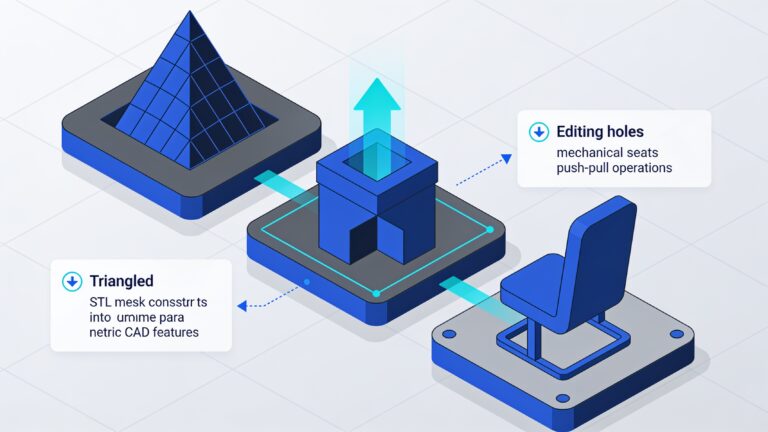
 ShapeAnywhere launches a browser-based CAD with a Mesh → CAD feature in beta, which reconstructs editable parametric geometry from STL or 3MF files. The conversion remains limited to suitable technical shapes, not universal.
 Innovations
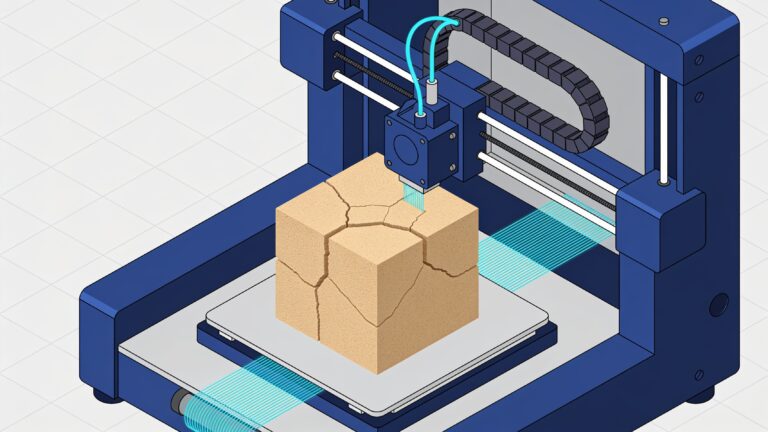
 Researchers at ETH Zurich will use binder jetting 3D printing to create stone samples with controlled defects, studying in the laboratory the degradation of Molasse sandstones in Swiss historic buildings.
 Innovations
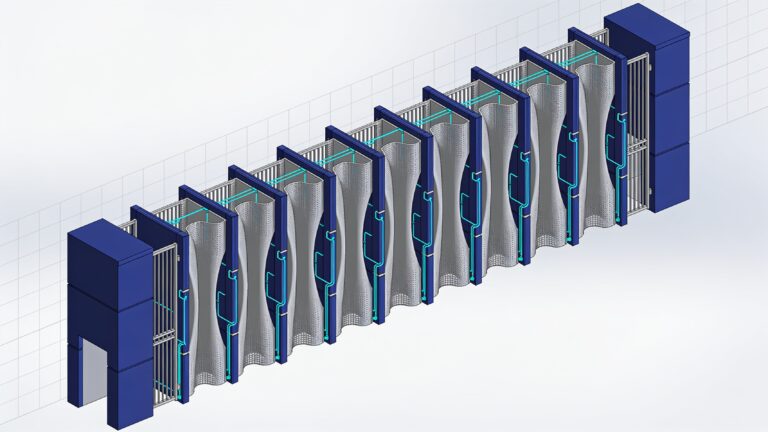
 Design Museum Gent has a new entrance: a 250 kg gate in 3D-printed aluminium by the studio Unfold, which reproduces a textile curtain frozen in motion. Installed on 3 October 2026, it combines WAAM printing and traditional construction.
 Innovations
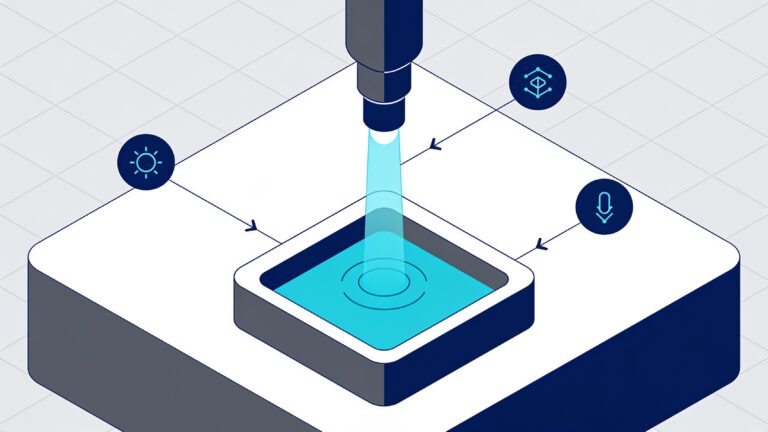
 Researchers at the University of Illinois have developed Growth Printing, a 3D printing method that uses a self-propagating chemical reaction in the resin instead of layer-by-layer deposition. The geometry of the object is controlled by chemical kinetics and mechanical movement.
 Innovations
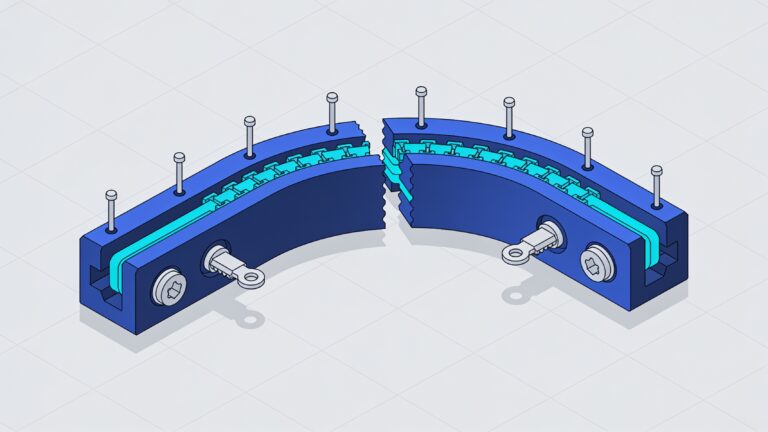
 ModelSplitter is a free web app that splits 3D models directly in the browser with curved cuts, custom joints, and automatic splitting, overcoming the limitations of traditional planar cuts on organic geometries.
 Innovations
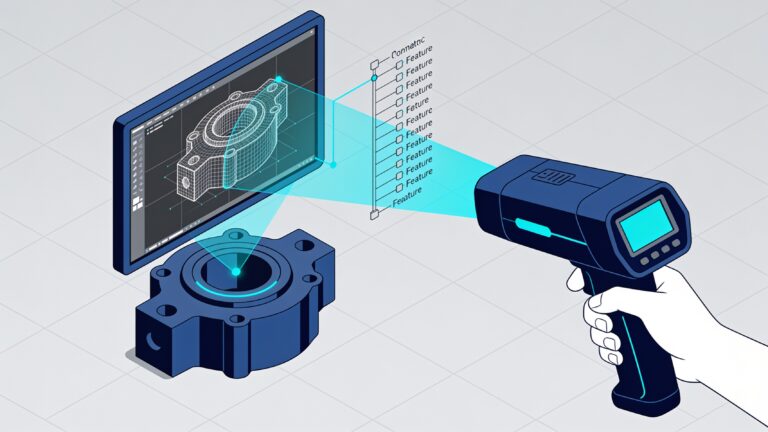
 Mark3D brings Backflip AI to Europe, a platform that uses artificial intelligence to convert 3D scans, meshes and photos into editable parametric CAD models, reconstructing the feature tree and reducing reverse engineering times.
 Innovations
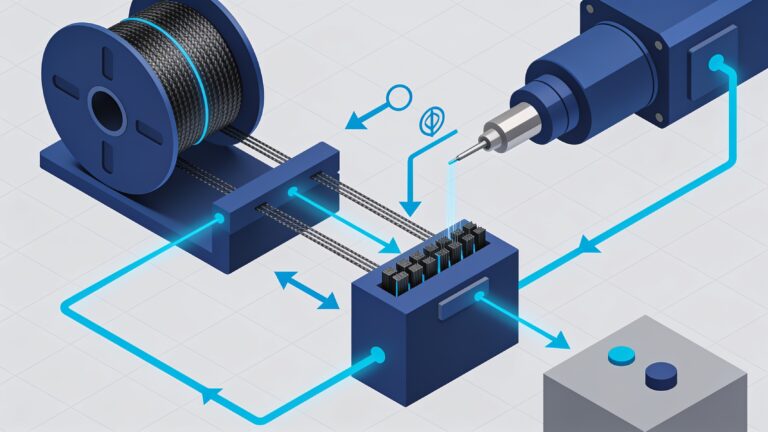
 A scientific review indicates that carbon fiber does not automatically make FFF-printed parts stronger: fiber alignment and good adhesion are needed, otherwise the strength benefits vanish.
 Innovations
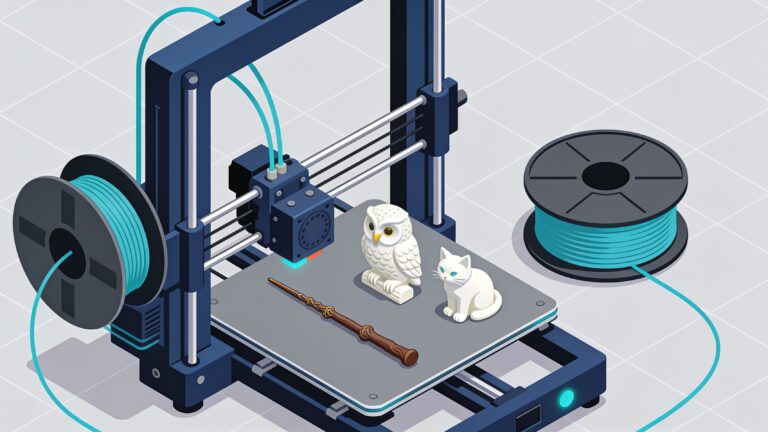
 Warner Bros. adds Harry Potter to the Toybox catalog: from October 23, 2026, official wands and figures can be 3D printed at home. The model moves production of the licensed toy directly into the user's printer.