Settore Industriale: Construction

3D printing builds with waste?

3D printing builds with waste?

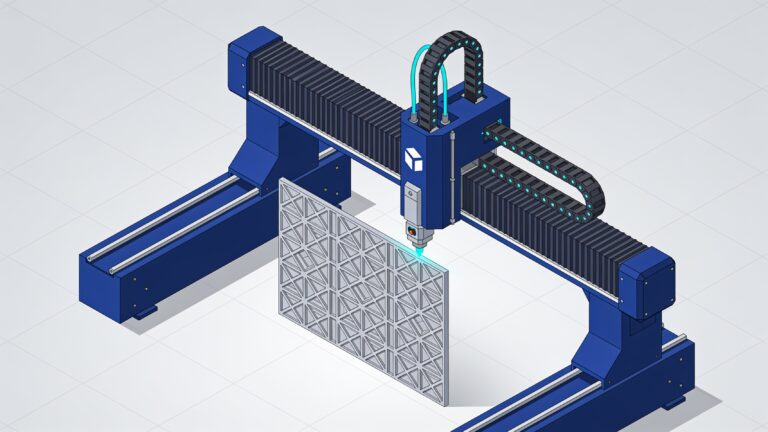
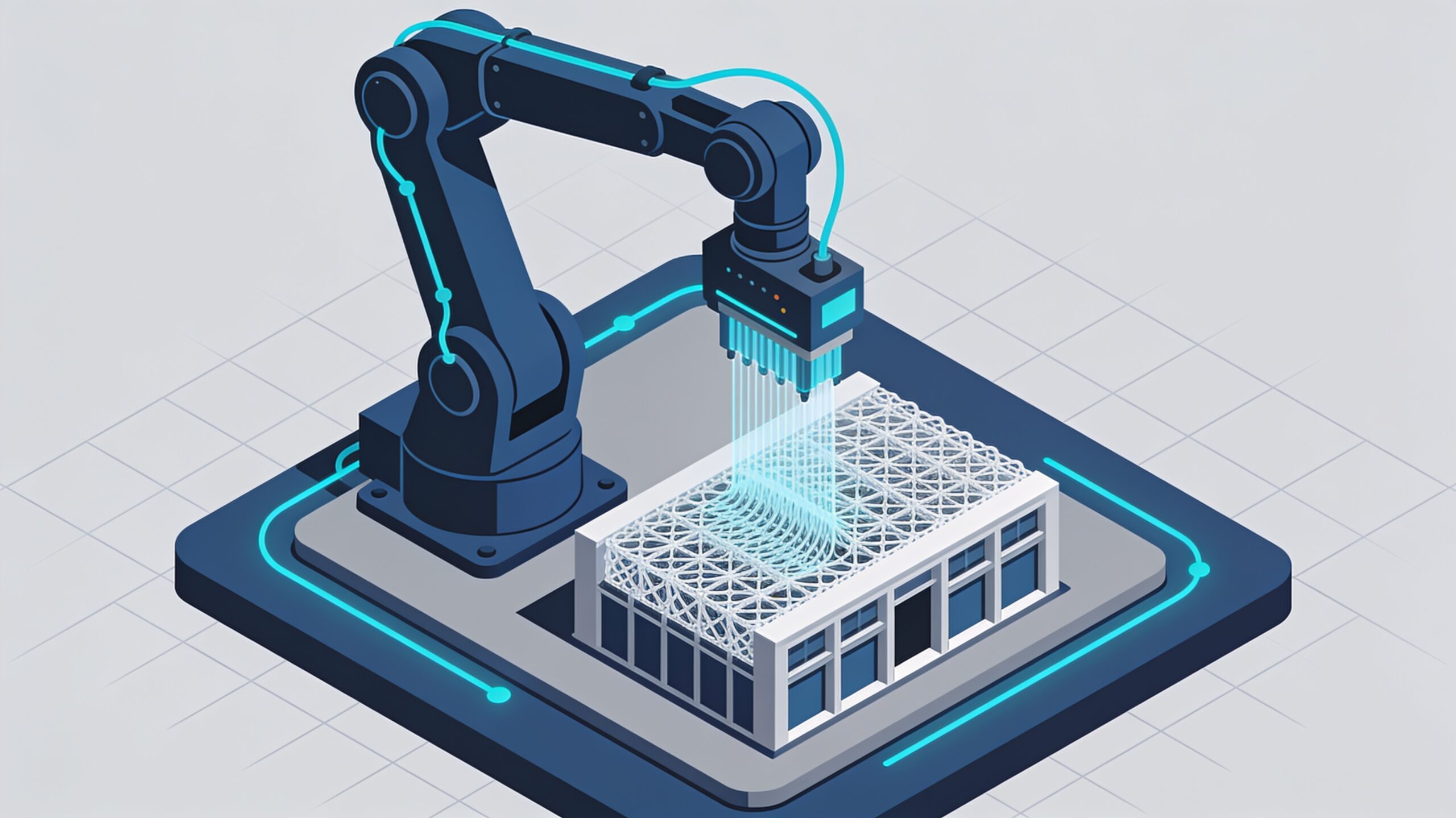
The AddMamBa project transforms steel scrap into metal powder to print high-performance building components with 3D laser technology. Concrete circular economy to reduce emissions, consumption, and waste in the construction sector.

300 km of cables in 48h?

300 km of cables in 48h?

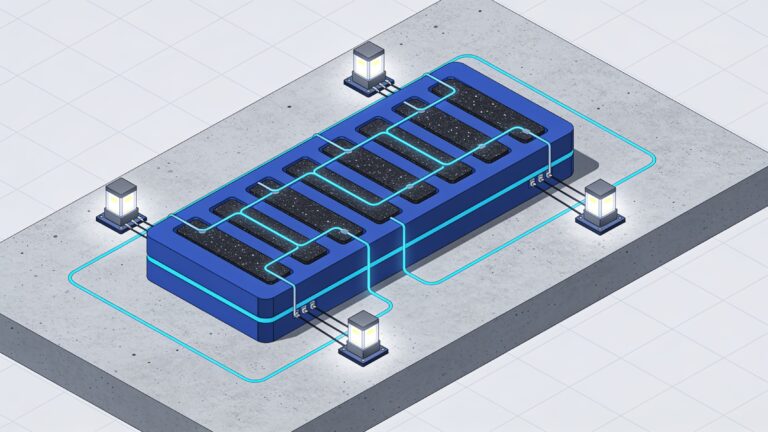
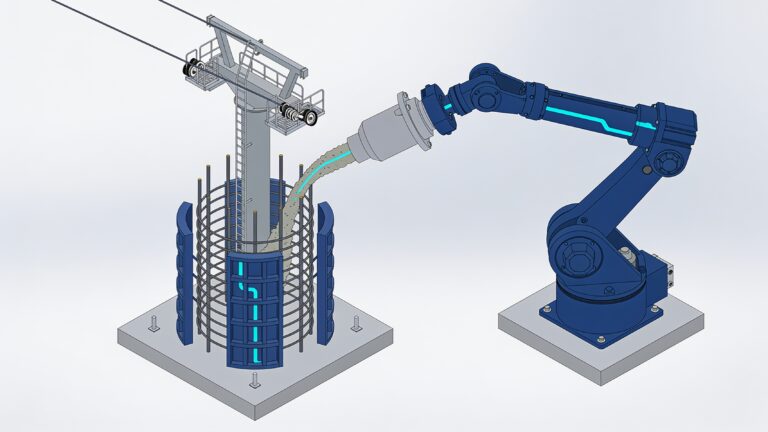
Data centers and chip factories are driving industrial-scale infrastructure investments. 3D printing, custom materials, and integrated logistics reduce times and costs. However, scaling requires mature digital ecosystems and resilient supply chains.

Does the factory of the future build with 3D concrete?

Does the factory of the future build with 3D concrete?

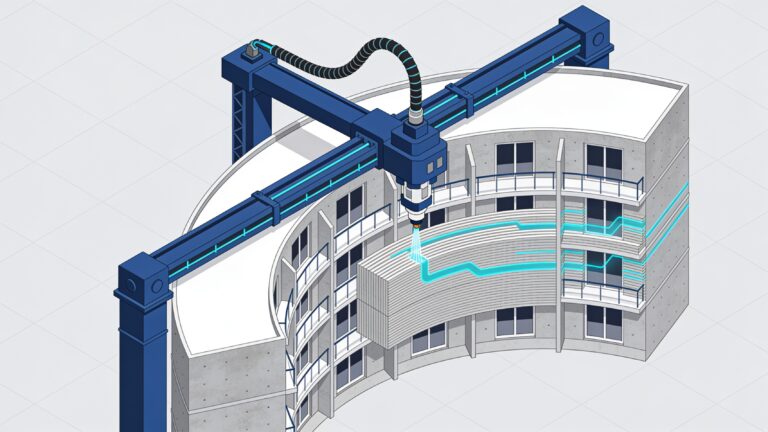
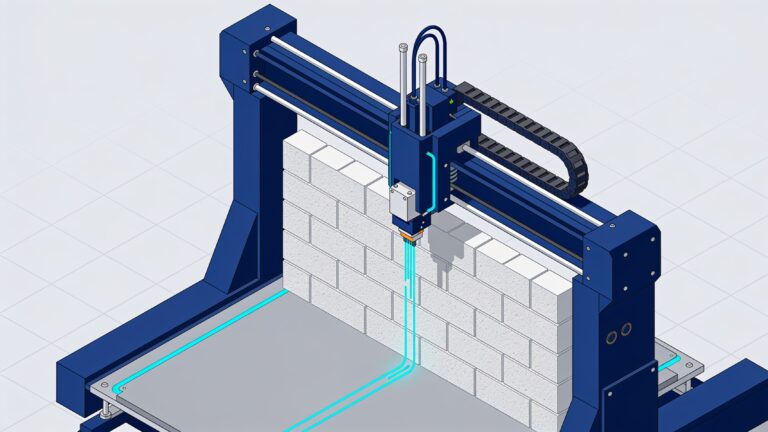
Forge I, a new factory in the United Kingdom, produces structural concrete elements via large-scale 3D printing. The project, led by Hyperion Robotics and LKAB Minerals, represents a paradigm shift towards the industrial production of complex building components, with benefits in terms of efficiency, quality control, waste reduction, and lower environmental impact. The factory is expected to

Scrap steel becomes a structure? Here's how

Scrap steel becomes a structure? Here's how

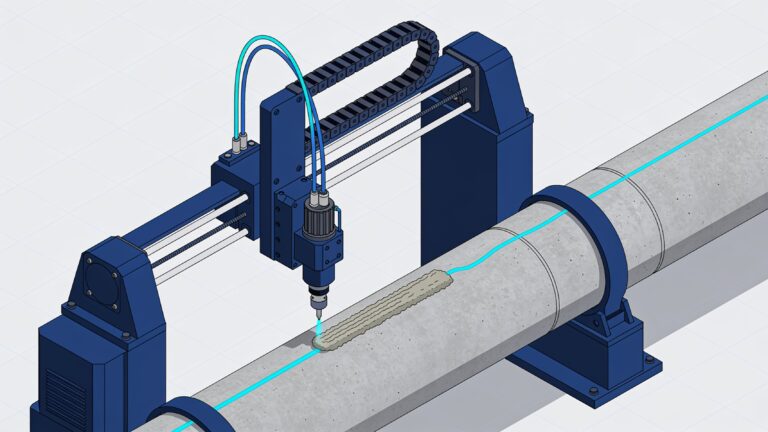
The German project AddMamBa transforms scrap steel into structural components for construction via 3D printing, reducing emissions and waste. Through the atomization of metal scraps into powder suitable for laser melting, brackets and connectors are obtained with performance similar to traditional components, but with lower environmental impact. The approach includes chemical control, optimization

Sensors that sense without electronics?

Sensors that sense without electronics?

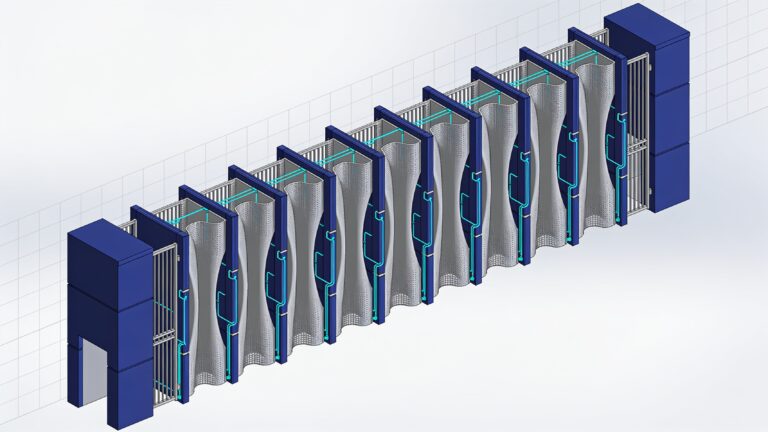
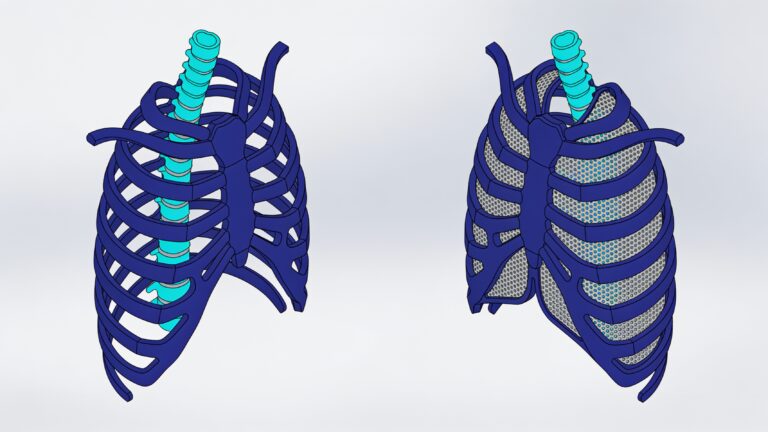
Bio-inspired soft sensors represent an engineering revolution: the material structure itself becomes the true sensor, generating electrical signals without electronic components. Thanks to porous and anisotropic microarchitectures, these smart materials convert mechanical stimuli into electrical responses by leveraging natural physical phenomena, such as streaming potential. Studies inspired by the spines

Industrial 3D Printing: Contract Clauses at Risk and How to Avoid Them

Industrial 3D Printing: Contract Clauses at Risk and How to Avoid Them

Industrial 3D printing presents often underestimated contractual risks, with clauses that unilaterally shift liability and costs onto clients. Key points include: GPS tracking, geographic limits, training obligations, vague definitions of “failure”, and choice of jurisdiction. It is essential to negotiate fair contracts to avoid legal constraints and ensure safe operations.

Implementing WAAM in Civil Engineering: A Real Case of Industrial Integration

Implementing WAAM in Civil Engineering: A Real Case of Industrial Integration

The collaboration project between NAICO Malaysia and WAAM3D demonstrates the concrete integration of Wire Arc Additive Manufacturing (WAAM) in civil engineering, with a systemic approach covering every phase of the process, from engineering to finishing. Through the MiniWAAM platform, the project develops advanced industrial capabilities, promoting the efficient production of metallic components of

From Agricultural Waste to Construction Materials: How the Industrial Process Works

From Agricultural Waste to Construction Materials: How the Industrial Process Works

From agricultural waste to construction materials: an innovative industrial process transforms waste such as straw and peels into eco-friendly panels and bricks. Technologies such as robotic extrusion and 3D printing enable the creation of high-performance biocomposites, reducing the environmental impact of construction. Projects such as CORNCRETL in Mexico and European initiatives demonstrate industrial feasibility

Sustainability in Industrial 3D Printing: Understanding Environmental and Technological Trade-offs

Sustainability in Industrial 3D Printing: Understanding Environmental and Technological Trade-offs

Industrial 3D printing can reduce environmental impact, but it requires strategic choices on materials, energy efficiency and life cycle management. Although it offers advantages such as less waste and simplification of the supply chain, the real benefit depends on sustainable feedstocks, efficient processes and recovery policies. Studies show that the use of recycled material and energy sources

Prusa PETG Ultraglow vs. Alternatives: Is it the True Leap Forward for Nighttime 3D Printing?

Prusa PETG Ultraglow vs. Alternatives: Is it the True Leap Forward for Nighttime 3D Printing?

Prusa launches PETG Ultraglow, a high-quality phosphorescent filament. Superior to glow-in-the-dark PLA for brightness and durability. Ideal for technical and safety applications thanks to the resistance of PETG and its ability to shine for a long time. Requires hardened nozzles for printing. High cost but justified for professional use.

Building the Future: How 3D Printing Works in Architecture

Building the Future: How 3D Printing Works in Architecture

3D printing is revolutionizing architecture: models and concrete houses in days, zero waste, recycled materials and circular design for a sustainable future.

Underwater 3D Printing: New Technologies for Marine Exploration and Conservation

Underwater 3D Printing: New Technologies for Marine Exploration and Conservation

Cornell prints 3D concrete on the seabed using marine sediments: lower costs, zero transport, autonomous robots and reduced environmental impact for sustainable infrastructure.

/