Scrap steel becomes a structure? Here's how
A German research project shows how scrap steel can become a construction material thanks to 3D printing. The process transforms metal scrap into structural components for facades, reducing emissions and waste in the construction industry.
From waste to resource: the genesis of the process
The AddMamBa project at RWTH Aachen University converts steel scrap into metal powder ready for 3D printing, opening new pathways for the circular economy in the construction sector.
The construction sector generates over a third of global energy-related CO₂ emissions. The AddMamBa project, funded by the German government, addresses this problem by transforming steel scrap into 3D-printed structural components.
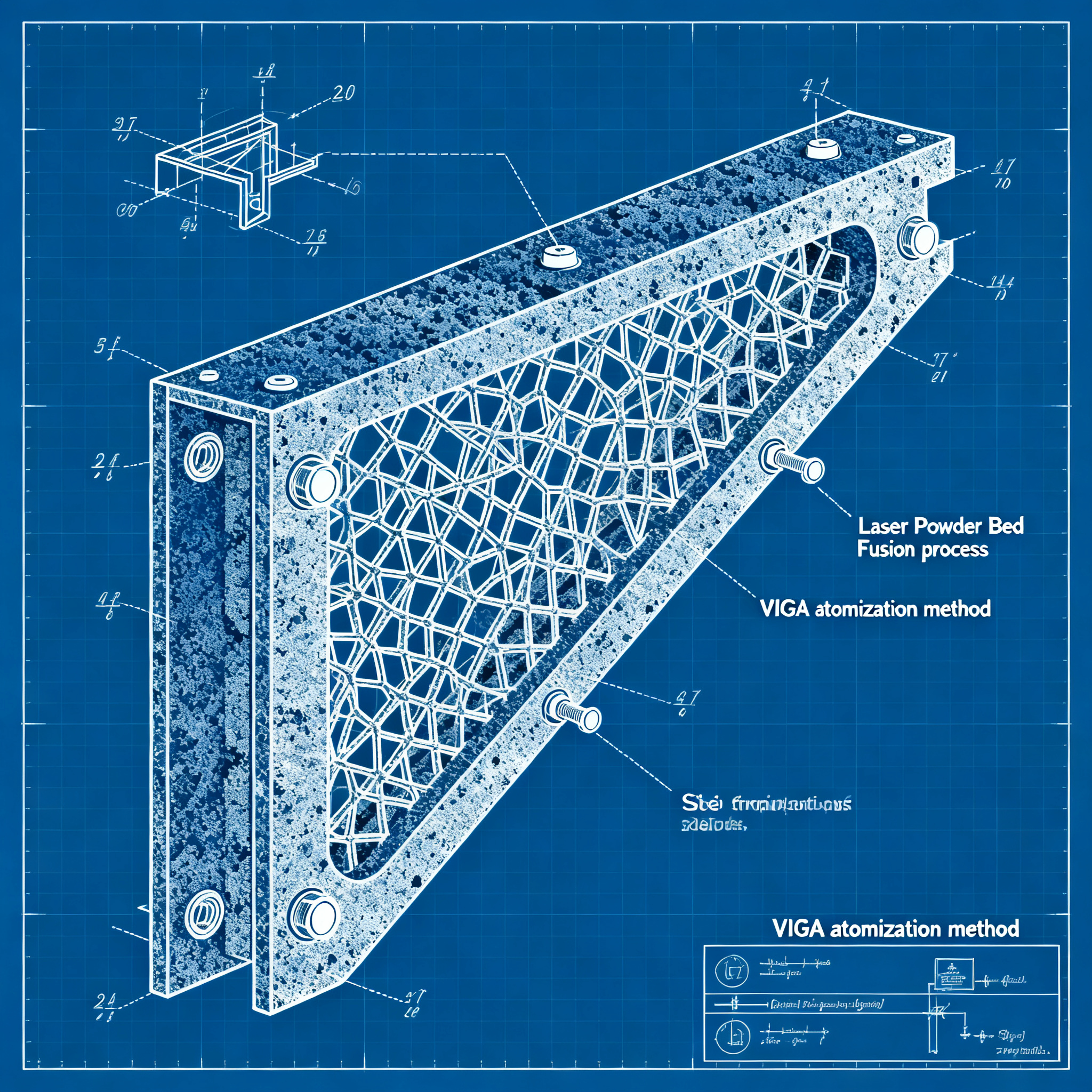
The process starts with the selection and chemical analysis of the scrap. The waste is then atomized via the VIGA process to create metal powder. The final particle size is 15-45 micrometers, ideal for 3D printing.
- The project transforms steel scrap into powder for 3D printing via gas atomization
- The recovery yield reaches 60%: 30 kg of usable powder from 50 kg of scrap
- The components produced are brackets for ventilated facades and connectors for load-bearing structures
The researchers have developed a digital tool to select the most suitable solutions based on the building and facade data. The system takes into account regulatory standards, in particular DIN EN 1991-1-4/NA.
Laser melting and compositional control
The key technology is LPBF (Laser Powder Bed Fusion), supported by advanced chemical analyses to ensure the structural quality of the final components.
Printing occurs via laser powder bed fusion. This technology allows producing brackets for ventilated facades without molds or tools. Each component can be adapted to the specific geometries of the building.
Compositional control of scrap is fundamental. Before atomization, each batch is analyzed to verify the chemical composition. Only materials that meet the required parameters enter the production process.
Researchers apply topological optimization to distribute material along load paths. This approach reduces component weight while maintaining the required mechanical performance.
Manufactured components and mechanical performance
Produced connectors and brackets show comparable strength to traditional components, but with lower environmental impact verified through LCA analysis.
The project focuses on two types of components: brackets for ventilated facade systems (VHF) and connectors for load-bearing structures. Both must meet stringent regulatory requirements for wind loads and structural safety.
Production procedure
- Selection: The scrap is classified by condition and chemical composition.
- Atomization: The VIGA process transforms molten metal into spherical powder of 15-45 micrometers.
- Print: Laser powder bed fusion builds the component layer by layer.
- Qualification: Mechanical tests verify compliance with industry standards.
The mechanical performance of printed components is comparable to that of traditional components. The geometric freedom of 3D printing also allows optimizing material distribution, reducing weight and waste.
Environmental impact and industrial scalability
The reuse of waste reduces emissions and the need for extraction, but requires rigorous production standards and life cycle analysis according to European regulations.
The life cycle analysis follows the DIN EN 15804 standard, which defines the rules for environmental product declarations (EPD) in the construction sector. This allows direct comparisons with traditional solutions.
Initial estimates indicate a Global Warming Potential between 23,8 and 33,5 kg CO₂e per kg of component, based on the expected electricity mix for 2030. The value is expected to decrease with the increase of renewable sources in the electricity grid.
The environmental benefit increases significantly when components are designed for disassembly and reuse. In buildings with gas boilers, operational savings amplify the advantage; with heat pumps the’effect is less pronounced.
The 60% yield in powder recovery represents a concrete data of industrial feasibility. From 50 kg of scrap, about 30 kg of usable powder are obtained. The challenge remains the standardization of the process to ensure constant quality on different batches of waste material.
Transforming waste into structure: an industrial reality
Transforming waste into structure is not science fiction: it is a concrete, sustainable, and scalable an’application. The AddMamBa project demonstrates that the’circular economy in the construction sector can pass through advanced additive technologies.
The combination of compositional control, topological optimization, and digital design tools creates a complete workflow. For designers, facade specialists, and metal powder producers, this approach integrates thermal performance, mechanical performance, and end-of-life management into a’single solution.
Explore the details of the AddMamBa project to understand how to integrate this solution into your production processes and supply chain decarbonization strategies.
article written with the help of artificial intelligence systems
Q&A
What is the main objective of the AddMamBa project?
The AddMamBa project aims to transform steel waste into structural components for construction through 3D printing. This process helps reduce emissions and waste in the construction sector, promoting the circular economy.
How is steel waste transformed into material ready for 3D printing?
Steel waste is first selected and chemically analyzed. Subsequently, through the VIGA process, it is atomized into metal powder with a particle size between 15 and 45 micrometers, ideal for 3D printing.
What types of components are produced with this technology?
The produced components include brackets for ventilated facades and connectors for load-bearing structures. These elements meet strict regulatory requirements for wind loads and structural safety.
What 3D printing technology is used and what are its advantages?
LPBF (Laser Powder Bed Fusion) technology is used, which allows producing components without molds or tools. Moreover, it enables shape and material distribution optimization, reducing weight and waste.
What is the environmental impact of the described process?
Reusing steel waste reduces CO₂ emissions and the need for new material extraction. According to LCA analyses, the Global Warming Potential ranges between 23.8 and 33.5 kg CO₂e per kg of component, with potential improvement expected.