USA: 2.1 million unfilled manufacturing jobs in 2030
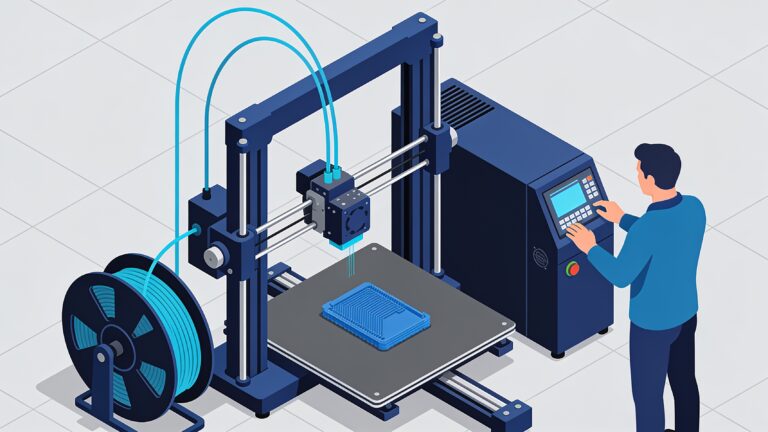
The additive manufacturing skills shortage risks leaving 2.1 million jobs unfilled in the USA by 2030. University of Tennessee and America Makes discussed training strategies to bridge the gap.

 Manufacturing
 The additive manufacturing skills shortage risks leaving 2.1 million jobs unfilled in the USA by 2030. University of Tennessee and America Makes discussed training strategies to bridge the gap.
 Manufacturing
 Edith Cowan University joins the AMCRC as the twelfth partner university, bringing expertise in advanced materials and metal 3D printing. The network focuses on defense, mining, and natural resources in Western Australia.
 Manufacturing
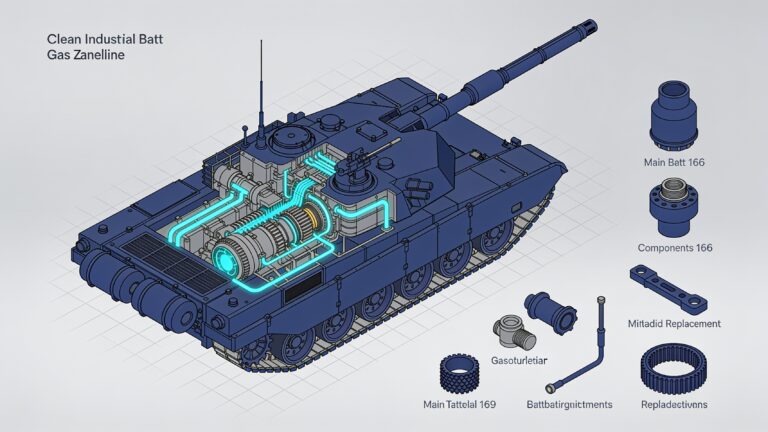
 The US Army is seeking alternative suppliers for 166 critical components of the Abrams tank, using digital twin and additive manufacturing to address spare parts obsolescence and reduce dependence on a few specialized manufacturers.
 Innovations
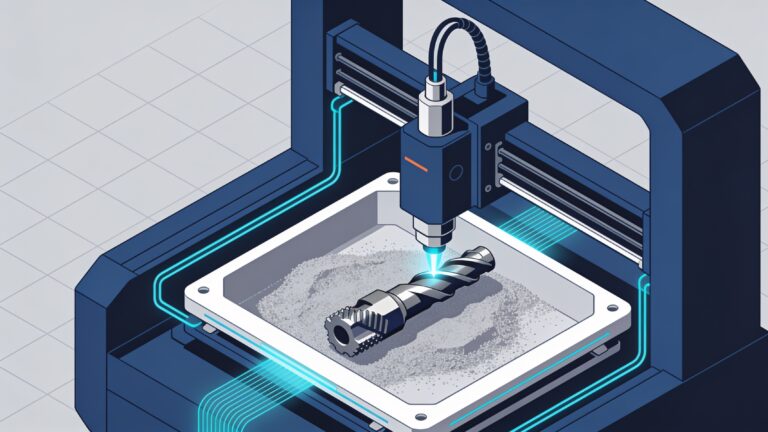
 Lawrence Livermore National Laboratory has patented a laser melting system that uses a digital mask to expose entire areas of the metal powder bed in parallel, replacing point-by-point scanning and reducing production times.
 Manufacturing
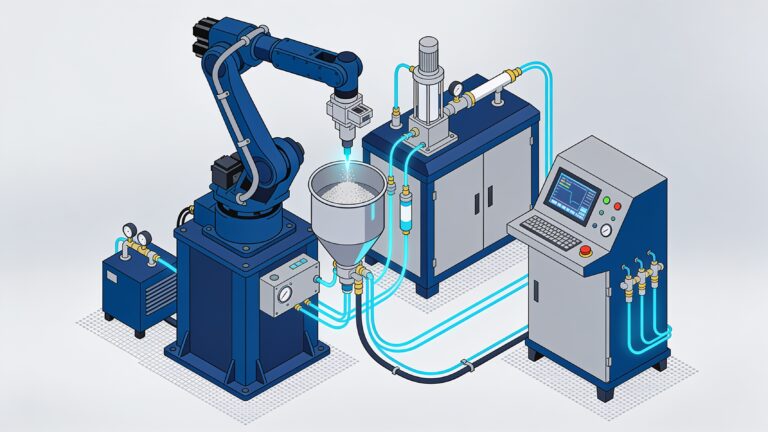
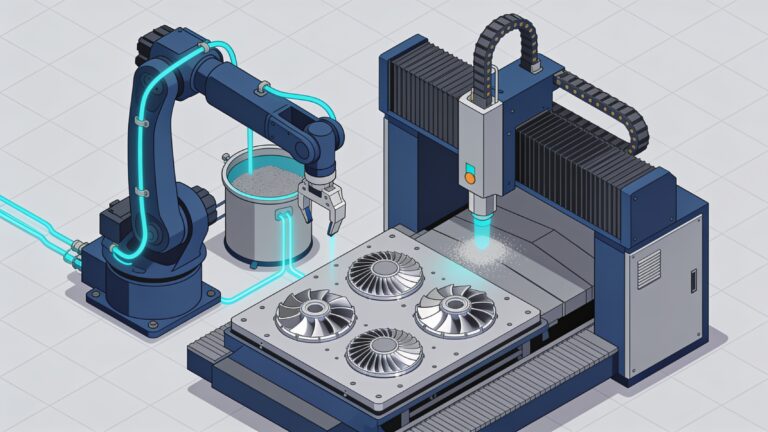
 Titomic USA has been awarded a $4.95 million contract by the US Air Force for an industrial High Pressure Cold Spray system to be installed at Tinker Air Force Base, with delivery expected in the third quarter of 2027.
 Manufacturing
 VulcanForms appointed Jeff Hemenway Chief Revenue Officer on September 18, 2026. The company aims to transform production capacity into long-term industrial programs, following its $220 million funding in January.
 Innovations
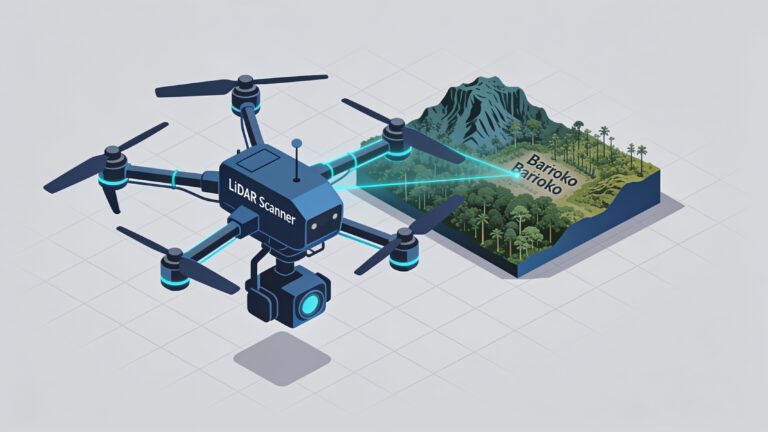
 U.S. archaeologists use LiDAR drones, artificial intelligence, and printed 3D models to locate the remains of 23 soldiers missing in the 1943 Battle of Bairoko, in the Solomon Islands.
 Manufacturing
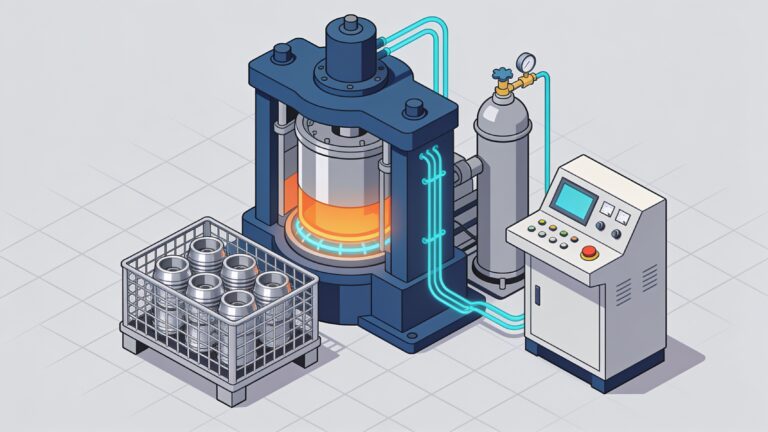
 TTT Group announces the largest investment in its history: a new HIP division with a Hiperbaric HIP 107, operational from 2027, for the post-processing of critical components in aerospace, energy, and metal additive manufacturing.
 Manufacturing
 On October 27, 2026, Chicago hosts the Smart Manufacturing for Aerospace & Defense Summit, dedicated to digital thread, AI, and connected production systems. Additive manufacturing is included, but it is not the central theme of the event.
 Manufacturing
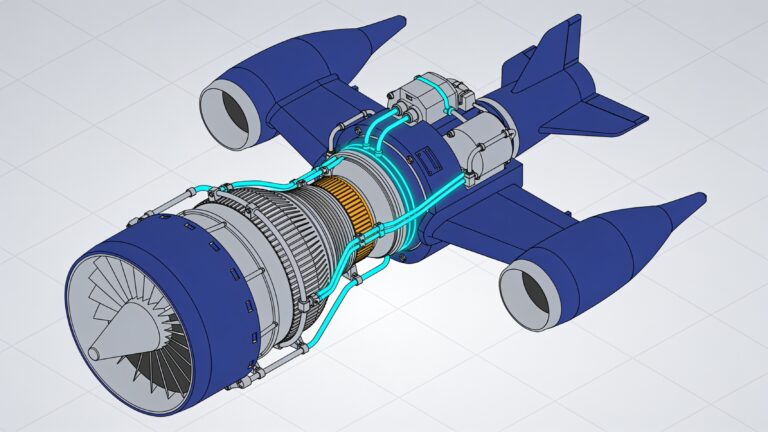
 The UK Ministry of Defence and Alloyed have brought a 1,100 N turbojet to flight-ready status in less than seven months, while the 300 N model is already in serial production. The programme aims at a family of propulsion systems from 30 to 2,000 N for uncrewed aircraft.
 Manufacturing
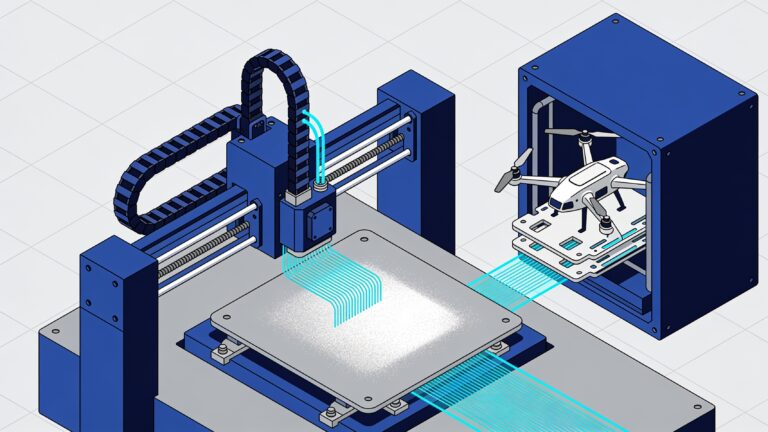
 Impossible Objects has closed a $40 million Series B round to expand production of additive manufacturing systems for composites, aiming to produce up to 10,000 drone bodies per month for the American army.
 Manufacturing
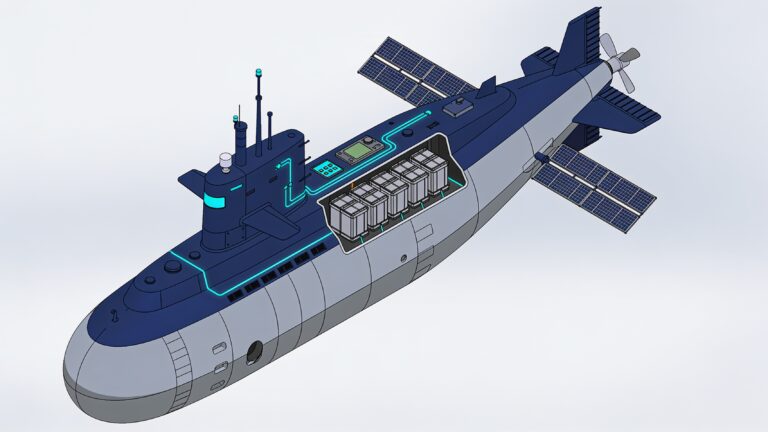
 Iran captures Anduril underwater drone made with large-format 3D printing
An autonomous underwater vehicle Dive-LD from Anduril Industries has ended up in the hands of Iranian forces at the Strait of Hormuz. The case brings attention to a platform that integrates robotic additive manufacturing