$42.5 million and an industrial turning point: who benefits?
The acquisition of Markforged by Stratasys marks a shift in the industrial 3D printing landscape, with strategic implications for both companies.
Stratasys has signed a definitive agreement to acquire Markforged from Nano Dimension in an all-cash transaction valued at $42.5 million. Closing is expected in the second half of 2026, subject to customary regulatory approvals.
However, the agreement excludes the Metal Binder Jetting line, which remains with Nano Dimension. This choice highlights targeted strategies from both parties.
- Stratasys acquires Markforged for $42.5 million in cash
- Closing expected in the second half of 2026
- Metal Binder Jetting technology excluded from the agreement
- Markforged had generated approximately $70 million in revenue
Stratasys buys Markforged: the industrial rationale
The acquisition fits into a strategy aimed at strengthening Stratasys's industrial offering, especially in the composite materials and integrated solutions sector.
For Stratasys, the operation represents an expansion of the portfolio with a recognized brand. Markforged is one of the most well-known companies in the field of industrial 3D printing for composites, reinforced filaments, and integrated hardware-software solutions.
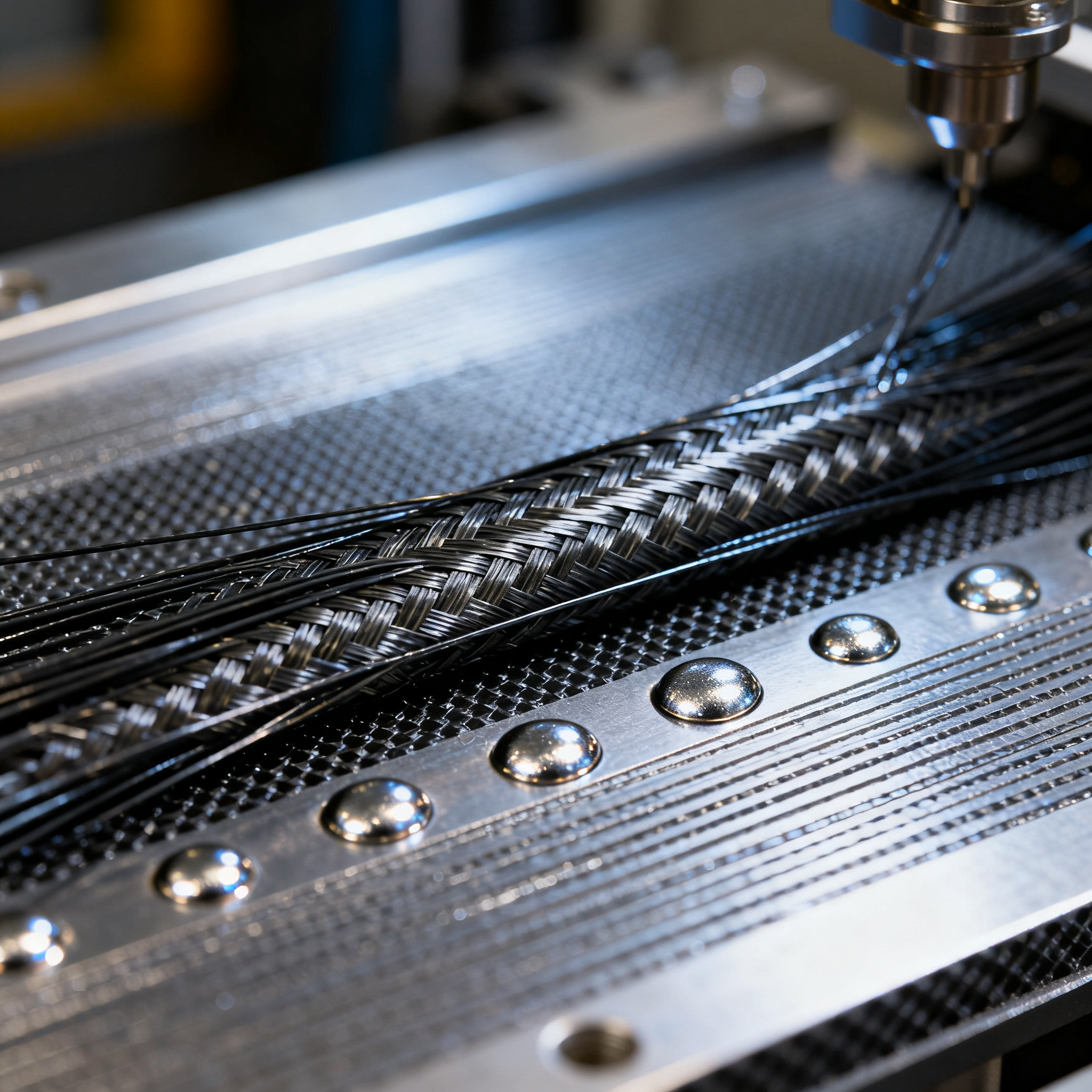
Markforged's Continuous Carbon Fiber technology enables the production of lightweight parts with superior mechanical strength. This aspect is central for applications in aerospace, defense, automotive, and industrial automation.
Stratasys is also betting on the Digital Forge platform, which combines machines, proprietary materials, secure software, and part management. The software represents one of the complementary elements of the operation, with workflows for production, remote printing, and intellectual property protection.
The company positions itself this way to respond to the growing demand for lightweight, resistant, and production-ready components. The applications range from jigs and fixtures to ground support equipment and selected production parts.
What's left out of the agreement: the mystery of Metal Binder Jetting
Metal Binder Jetting technology is not part of the acquisition, a sign of targeted strategic choices by Nano Dimension toward specific metal technologies.
The agreement does not include Markforged's Metal Binder Jetting line. This detail separates the fate of the Markforged portfolio into two distinct blocks.
Nano Dimension had completed the acquisition of Markforged in April 2025. About a year later, the company decided to divest the business to Stratasys, however retaining the Metal Binder Jetting technology.
Nano Dimension thus transforms into a company focused on Metal Binder Jetting, a technology completely different from the company's original core business related to 3D printed electronics.
This step highlights a strategic shift towards focusing on specific production technologies. The choice to retain only the metal binder jetting indicates a precise direction for Nano Dimension.
New assets, old objectives: FX10 and beyond
The integration of the metal kit for the FX10 and the experience in advanced materials could accelerate Stratasys's metal offering in the extrusion segment.
One of the most interesting possibilities concerns how Stratasys could benefit from the metal kit for the FX10 developed by Markforged. Although it is not certain that there are margins of application, Stratasys could learn from the new subsidiary to apply similar technologies to other product lines.
Markforged's consolidated commercial network represents another strategic asset. Stratasys will be able to leverage its partner channels to relaunch revenue growth with Markforged products and software systems.
The company also expects a positive contribution to EBITDA and growing gross margins. Cost synergies should be significant, thanks to common expertise in material development and complementary software capabilities.
| Appearance | Stratasys | Markforged |
|---|---|---|
| Technology focus | FDM, PolyJet, P3 | Reinforced composites |
| Key sectors | Aerospace, automotive | Tooling, fixtures |
| Software platform | GrabCAD | Digital Forge |
A clear move towards consolidation
The acquisition marks a clear move towards industrial consolidation, with long-term strategic implications for the professional 3D printing market.
Stratasys strengthens its position in sectors where performance, supply chain resilience, and scalability are essential. The operation is strategic: it minimizes redundancies by maximizing synergies between two companies with complementary expertise.
Analyze how this move could influence your technology choices in the industrial sector. Market consolidation continues to redefine the options available for additive production.
article written with the help of artificial intelligence systems
Q&A
What is the value of Stratasys' acquisition of Markforged and when is it expected to close?
The deal is all-cash and valued at $42.5 million. Closing is expected in the second half of 2026, but remains subject to customary regulatory approvals.
Why did Stratasys decide to acquire Markforged?
Stratasys aims to strengthen its industrial offering in composite materials and integrated solutions. Markforged is a leader in 3D printing of reinforced composites and in the Digital Forge platform, strategic elements for sectors such as aerospace, defense, and automotive. The goal is to meet the growing demand for lightweight, durable, and production-ready components.
Which Markforged technology is excluded from the deal and who retains it?
The Metal Binder Jetting line is excluded from the deal and remains with Nano Dimension. This choice reflects Nano Dimension's desire to focus on specific metal technologies. At the same time, it highlights a clear separation in the fate of the Markforged portfolio, with Nano Dimension making a strategic shift from its original core business in 3D printed electronics.
What are the main strategic advantages that Stratasys will gain from the integration of Markforged?
Stratasys expands its portfolio with an established brand in composites and will be able to leverage Markforged's consolidated commercial network. The integration also involves software and advanced materials expertise, with expectations of significant cost synergies. The company also expects a positive contribution to EBITDA and an improvement in gross margins.
How could Stratasys leverage the metal kit for the FX10 developed by Markforged?
The metal kit for the FX10 and Markforged's experience with advanced materials could accelerate Stratasys' metal offering in the extrusion segment. It is not yet certain whether there is scope for direct application, but the acquired know-how could be transferred to other product lines. It is therefore a relevant technological asset for future development.
How does the acquisition reflect the trend in the industrial 3D printing market?
The transaction confirms a trend toward industrial consolidation in the professional 3D printing market. By minimizing redundancies and maximizing synergies between complementary competencies, Stratasys strengthens its position in sectors where performance and scalability are crucial. This redefines the options available for additive manufacturing at the industrial level.