Materiale: Composites

High-temperature ceramics: which AM process to choose?

High-temperature ceramics: which AM process to choose?

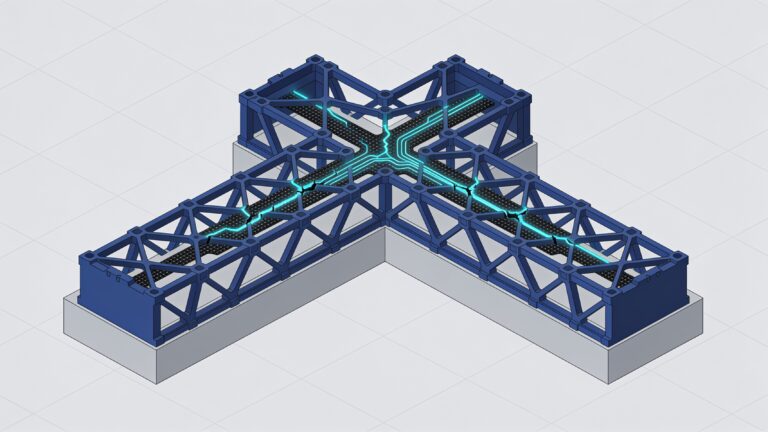
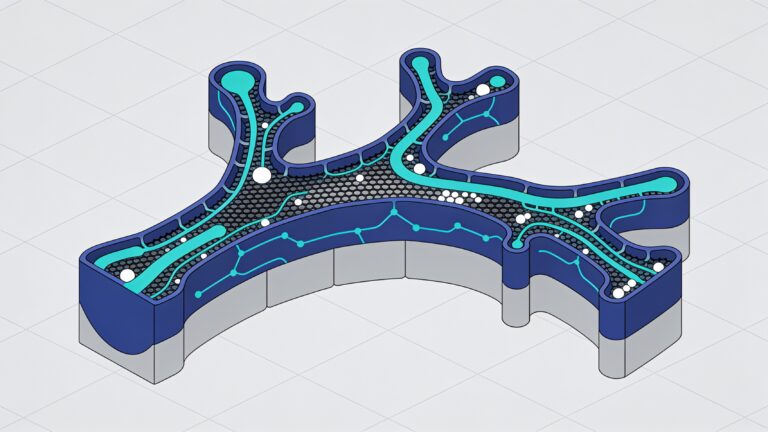
Additive manufacturing of high-temperature resistant ceramics requires careful selection of the process: melt-infiltration, CVI, or PIP, each with advantages and limitations in terms of cost, speed, and complexity. Cellular structures reduce weight and material but can compromise structural integrity. Advanced materials such as SiC and multi-oxide composites offer high performance but at

Who wins in 2026 among FDM toolchangers?

Who wins in 2026 among FDM toolchangers?

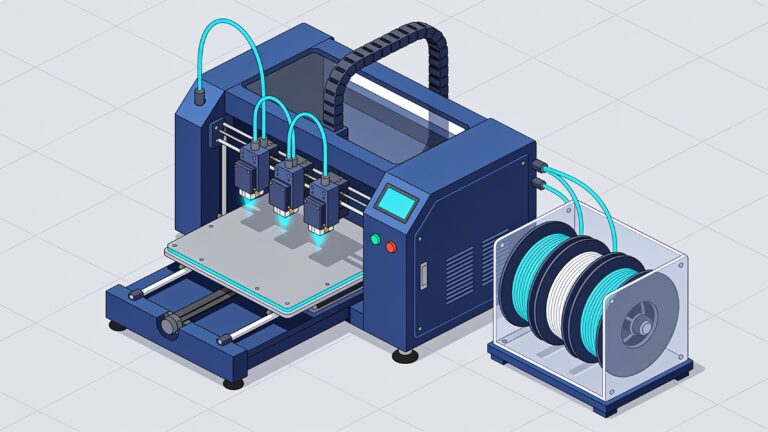
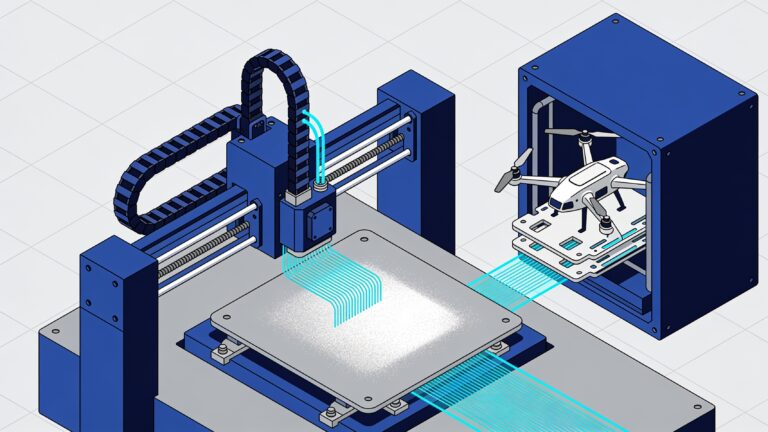
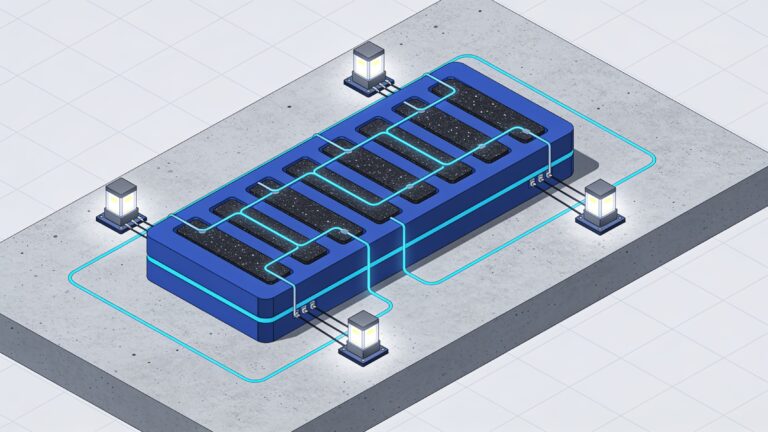
In 2026, the FDM toolchanger market has consolidated: here is the solution that stands out for performance, reliability, and software integration. The best choice depends on the specific workload.

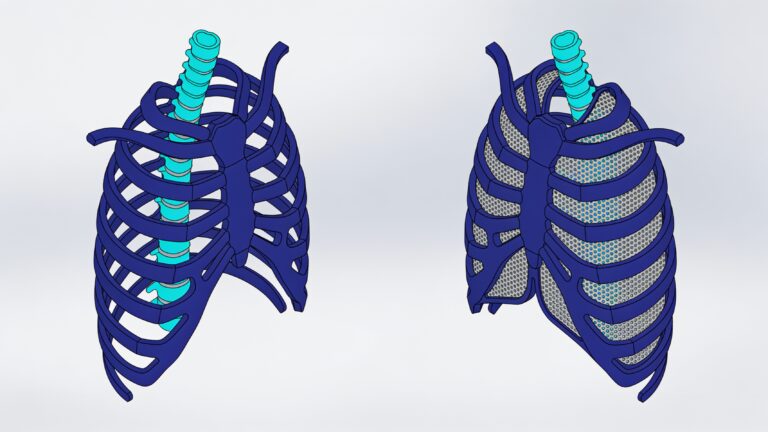
How Lightweight Reticulated and Foamed Structures Work: A Technical Overview of Advanced Composite Materials

How Lightweight Reticulated and Foamed Structures Work: A Technical Overview of Advanced Composite Materials

New IFAM technique combines foam and 3D structures for lightweight, high-performance, low-cost composites, with energy absorption up to 10x higher.

Functional and Adaptive Filaments: Mechanisms of Failure and Thermomechanical Stability

Functional and Adaptive Filaments: Mechanisms of Failure and Thermomechanical Stability

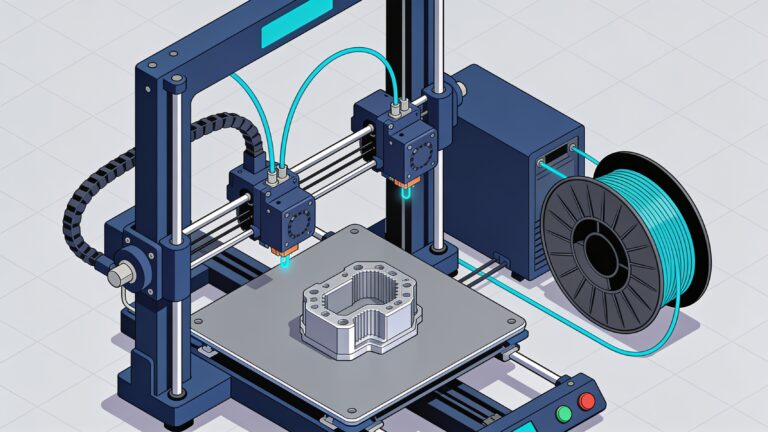
Composite filaments for FDM 3D printing, enriched with carbon or glass fibers, exhibit brittleness and risk of breakage during printing due to poor integration between additives and the polymer matrix. Chamber heating does not improve the situation and may worsen the problem. Structural discontinuities generate localized stresses, especially in the filament path curves

Beyond Traditional Slicing: Advanced Architectures for Path Planning in Industrial 3D Printing

Beyond Traditional Slicing: Advanced Architectures for Path Planning in Industrial 3D Printing

The article explores how advanced software architectures, such as 64-bit systems and modern geometric libraries, are revolutionizing path planning in slicers for industrial 3D printing, improving precision, reliability, and efficiency.

How Functional Grading Works in Industrial Additive Processes

How Functional Grading Works in Industrial Additive Processes

Functional grading in industrial additive processes enables the creation of components with variable properties in a controlled manner, modulating the thermal energy during deposition. Thanks to sensors and real-time feedback, the process allows gradual and precise transitions of mechanical characteristics, without interruptions or the need for assembly. This innovative technology finds app

Industrial 3D Printing: Contract Clauses at Risk and How to Avoid Them

Industrial 3D Printing: Contract Clauses at Risk and How to Avoid Them

Industrial 3D printing presents often underestimated contractual risks, with clauses that unilaterally shift liability and costs onto clients. Key points include: GPS tracking, geographic limits, training obligations, vague definitions of “failure”, and choice of jurisdiction. It is essential to negotiate fair contracts to avoid legal constraints and ensure safe operations.

New Frontiers of the Workforce in Additive Manufacturing: Operational Skills at the Center of Industrial Transformation

New Frontiers of the Workforce in Additive Manufacturing: Operational Skills at the Center of Industrial Transformation

The additive manufacturing industry is evolving towards greater maturity, with a focus on specific skills, production, and customer interaction. An increasing number of professionals is changing the job market, making hiring more selective and promoting internal skill development.

Implementing Mass Customization with Additive Manufacturing: A Technical Playbook for Consumer Products

Implementing Mass Customization with Additive Manufacturing: A Technical Playbook for Consumer Products

Mass customization is now possible thanks to additive manufacturing, artificial intelligence, and parametric design. These technologies allow for the production of thousands of customized variants while maintaining efficiency and margins, overcoming the limits of traditional production. The integration of software toolchains and automated processes enables the management of variability without au

Bio-Based SLS Printing: When Sustainability Meets Technological Limits

Bio-Based SLS Printing: When Sustainability Meets Technological Limits

Bio-based materials for SLS 3D printing, such as PHB and PA11, offer more sustainable solutions but still present technological limitations compared to traditional polymers like PA12. Although they improve stiffness and thermal stability, they suffer from lower ductility, high porosity, and a narrow process window. Research continues to optimize composition and parameters, aiming for a balance between sust

Sustainable materials in action: how the industry is implementing bio-based solutions on a large scale

Sustainable materials in action: how the industry is implementing bio-based solutions on a large scale

The industry is implementing bio-based sustainable materials on a large scale, integrating responsible agricultural supply chains, technological innovation and circular economy. Projects such as Pragati, Bio.3DGREEN and Virtucycle demonstrate how sustainability and industrial performance can coexist, thanks to strategic partnerships and standardization.

How Chemical Vapor is Revolutionizing the Post-Processing of 3D Parts

How Chemical Vapor is Revolutionizing the Post-Processing of 3D Parts

Chemical vapor is revolutionizing the post-processing of 3D parts, offering smooth, waterproof, and repeatable finishes without material removal. Automated technologies like AMT PostPro eliminate production bottlenecks, reduce costs, and improve mechanical properties, making additive production scalable and certifiable for demanding industries.

/