Why do consumers choose 3D printing now?
3D printed products are no longer just promotional gadgets: today they offer functionality and quality that are changing consumer expectations.
From gadgets to everyday goods
3D printing is leaving the role of a promotional tool to enter the market of functional consumer goods. Printed objects today respond to concrete everyday needs.
Consumers are looking for products that go beyond simple novelty. Modern 3D prints offer practical solutions for everyday life, from customizing accessories to creating made-to-measure objects.
Technology has surpassed the stage of simple gadgets. Today it allows the production of items that are durable and suitable for prolonged use, no longer limited to decorative or promotional objects.
- 3D printed products have moved from gadgets to everyday goods
- New materials guarantee strength and durability comparable to traditional products
- Custom-made personalization has become accessible to consumers
Materials that make the difference
New polymer formulations and post-processing techniques are improving the strength, aesthetics, and durability of printed objects. Flexible materials like TPU open up possibilities that were previously unthinkable.
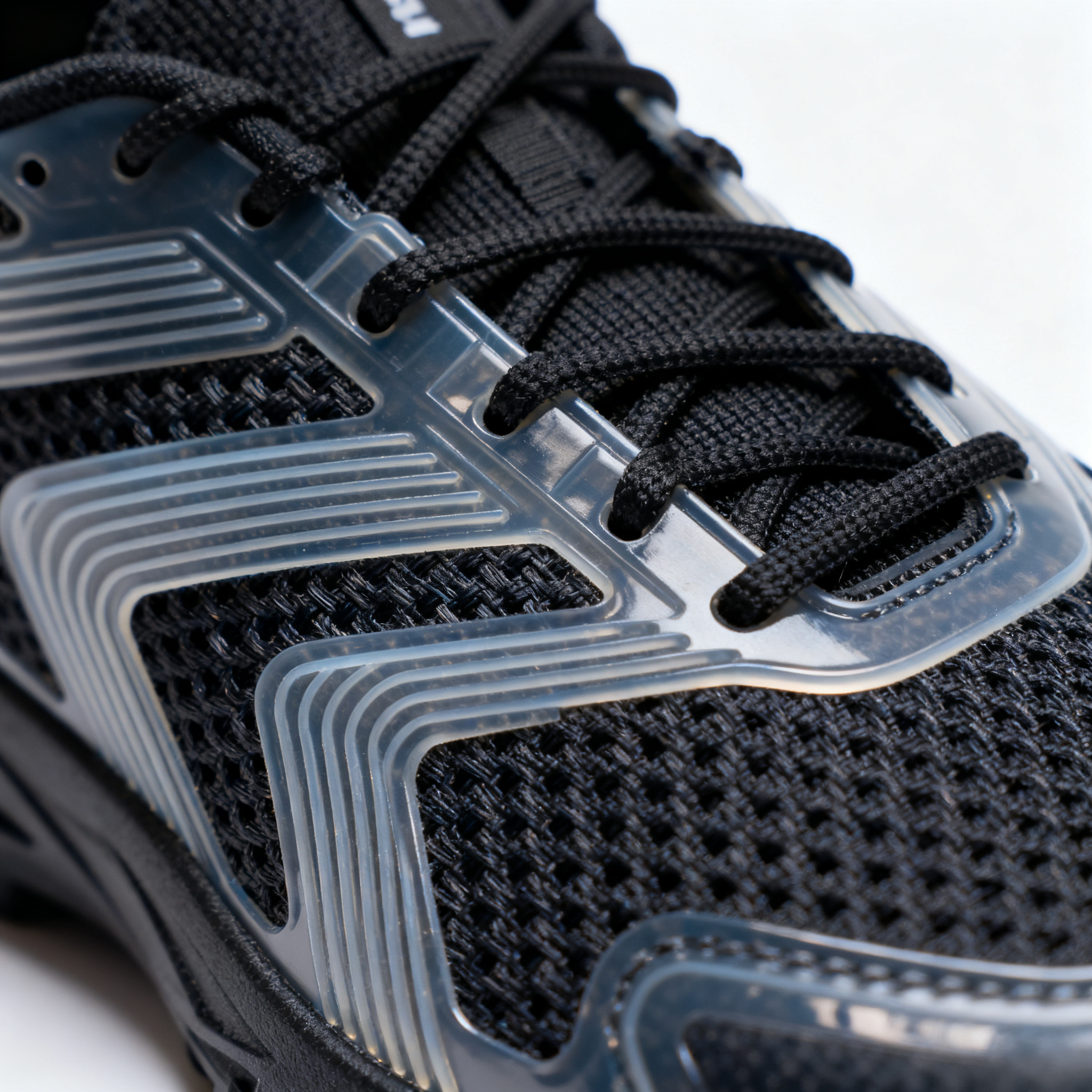
TPU and other flexible materials allow for the creation of products that require elasticity and wear resistance. Shoes, ergonomic supports, and custom accessories leverage these unique properties.
Finishing techniques have made significant advances. The insertion of fabrics and composite materials gives printed objects a premium feel, eliminating the plastic-like appearance typical of early prints.
Modern materials better withstand mechanical stress. This makes them suitable for repeated and prolonged use, no longer limited to prototypes or demonstration models.
The consumer is changing course
Customers are increasingly seeking customized, sustainable products suited to specific uses, shifting from disposable items to tailored solutions. The demand for uniqueness is driving the market.
Customization has become a decisive factor. Consumers appreciate objects designed for their specific needs, which are impossible to find in mass production.
Buyers evaluate real functionality. A printed object must solve a concrete problem or improve the user experience, not just be a technological experiment.
Sustainability influences choices. On-demand production reduces waste compared to traditional manufacturing, an advantage appreciated by environmentally conscious consumers.
Local production, lower costs
Distributed production reduces delivery times and ecological footprint, favoring more efficient economic models. 3D printing eliminates many steps of the traditional supply chain.
Distributed production brings manufacturing closer to the point of consumption. This reduces transportation costs and waiting times, making customized products economically competitive.
The on-demand model eliminates the need for warehouses and inventory. Companies produce only what is actually ordered, reducing waste and storage costs.
The environmental footprint is significantly reduced. Less intercontinental transportation and targeted production mean lower emissions and a more sustainable process from start to finish.
3D printing is becoming a concrete resource for the modern consumer, no longer just a niche technology. Advanced materials, accessible customization, and distributed production models are transforming the way we think about everyday objects.
Explore how new 3D printed products can meet your daily needs. The technology is mature, materials are reliable, and customization possibilities are infinite.
article written with the help of artificial intelligence systems
Q&A
How has the role of 3D printing changed in the consumer market?
3D printing has moved beyond its role as a mere promotional tool for gadgets to enter the market for functional consumer goods. Today, printed objects meet concrete daily needs, offering strength and durability comparable to traditional products. The technology enables the creation of custom-made items suitable for prolonged use.
Which materials are improving the quality of 3D printed products?
New polymer formulations, flexible materials such as TPU, and post-processing techniques are enhancing strength, aesthetics, and durability. TPU enables the creation of elastic and wear-resistant products such as shoes and ergonomic supports. Furthermore, the incorporation of fabrics and composite materials eliminates the plastic-like appearance typical of early prints.
Why are consumers today choosing 3D printed products over mass-produced ones?
Consumers seek personalized, functional products suited to specific uses that mass production cannot offer. They appreciate the ability to obtain objects designed around their concrete needs, which solve real problems or improve the user experience. Sustainability and waste reduction also positively influence their choices.
How does on-demand production through 3D printing promote sustainability?
On-demand production eliminates the need for large warehouses and inventory, as companies produce only what is ordered. This reduces waste and storage costs. Furthermore, local distribution of production lowers transportation costs and emissions associated with intercontinental shipping.
What makes 3D printing economically competitive for consumer goods?
Distributed production brings manufacturing closer to the point of consumption, reducing delivery times and logistics costs. The on-demand model eliminates inventory and related warehousing costs. This efficiency, combined with customization, makes 3D printed products competitive compared to traditional ones.