Category: Innovations

3D in studio: less than 10 minutes for a crown?

3D in studio: less than 10 minutes for a crown?

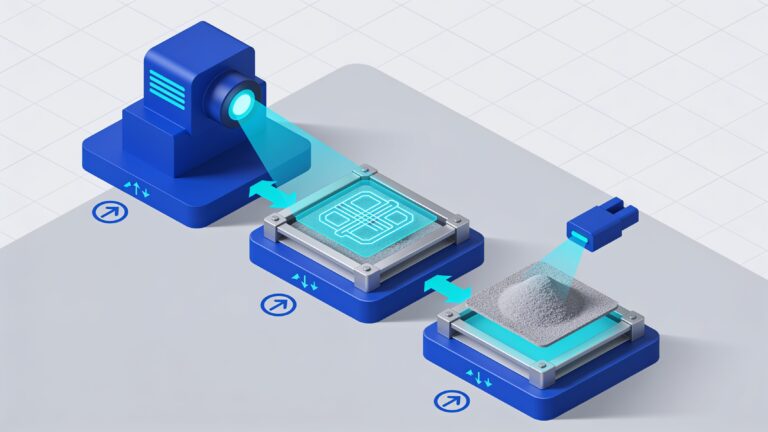
PioCreat presents at Formnext 2025 3D solutions for rapid dental production: the PioNext Mini prints crowns in 10 minutes with compact design and dual resin vat. Ideal for dental studios, it offers high precision, biocompatibility and operational flexibility, revolutionizing the digital workflow in the medical and dental field. Learn more at PioCreat.com.

3D custom in the operating room? Here's how it really works

3D custom in the operating room? Here's how it really works

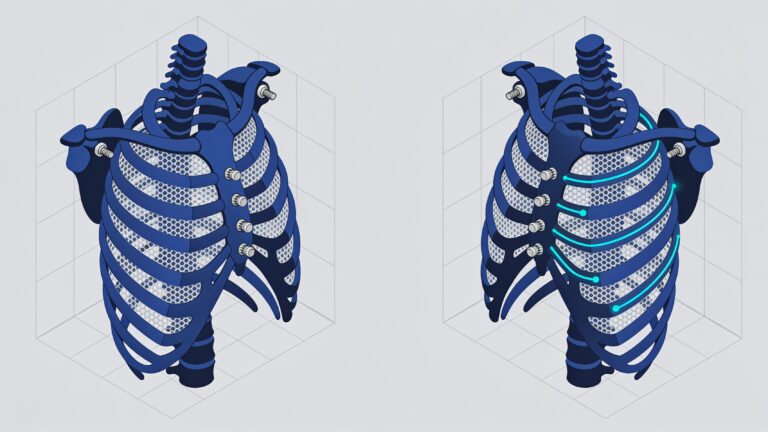
MedCAD has obtained FDA authorization for AccuStride, a system that brings personalized surgical planning for lower limbs to 3D-printed titanium guides, with delivery in 5 days. By integrating imaging, digital design, and rapid production, it reduces operating times and complications.

ESAM: 3x faster than the traditional bow?

ESAM: 3x faster than the traditional bow?

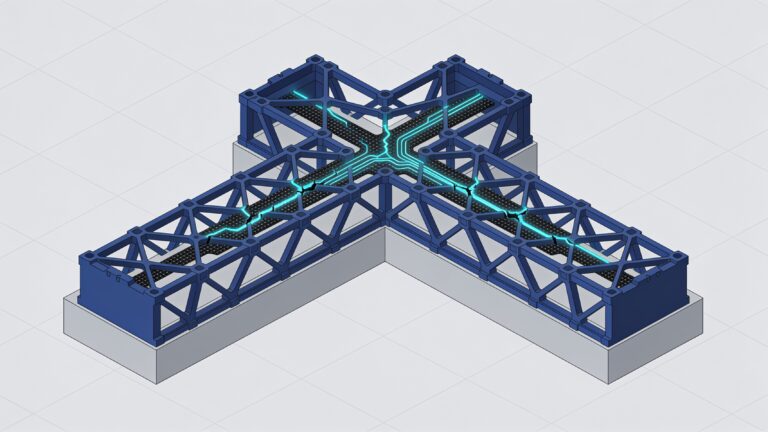
ESAM, developed by ORNL and ARC Specialties, accelerates the production of large metal components up to 3x compared to traditional methods. It combines electroslag strip cladding and wire arc additive manufacturing to achieve high productivity and geometric control, with mechanical properties comparable to cast materials. Ideal for the energy sector.

Can hydrogen really be safe? Yes, if you 3D print it

Can hydrogen really be safe? Yes, if you 3D print it

3D printing makes hydrogen safer for use in transportation by eliminating joints and improving the strength of metals.

Low-cost precision? Here are the real trade-offs

Low-cost precision? Here are the real trade-offs

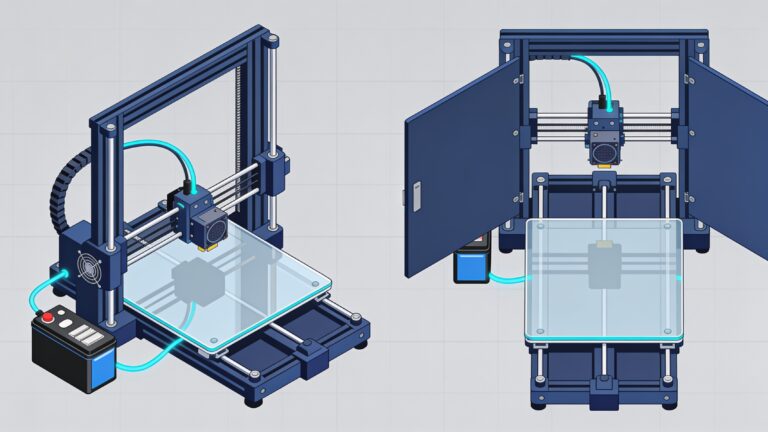
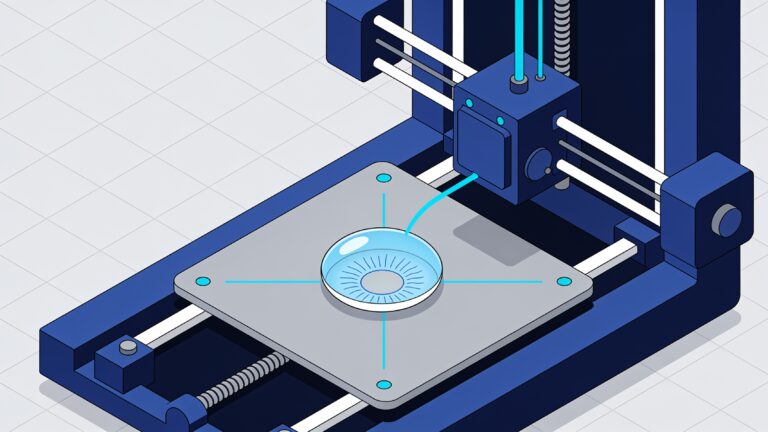
Desktop 3D printing today offers industrial-grade precision at contained costs, but with limits on scale and speed. Solutions like the microArch S150 and its Ultra upgrade balance precision and throughput for R&D and pilot production. Entry-level post-processors like the M4 Basic improve finish, albeit with dimensional limits. The right choice depends on the specific use case.

Can 3D printing really save the planet?

Can 3D printing really save the planet?

3D printing can be sustainable with targeted choices. Additive-X demonstrates how: every kg of filament sold removes plastic from the oceans and offsets CO₂ emissions. Thanks to partnerships with Plastic Bank and Carbon Footprint™, in 2022, 64 tons of CO₂ were offset. Additive manufacturing reduces waste and emissions, especially with on-demand models and certified systems. Traceability,

Why is the 3D market split into two?

Why is the 3D market split into two?

The 3D market is splitting: on one side entry-level systems under $2,500 are growing over 30%, on the other high-end industrial platforms are struggling. Three sectors are driving demand: aerospace, defense and healthcare. China records strong increases in metal PBF. Business models are differentiating: providers are targeting specific segments to stay competitive. Future growth

Customizing on a large scale? Here's how it's done in sports

Customizing on a large scale? Here's how it's done in sports

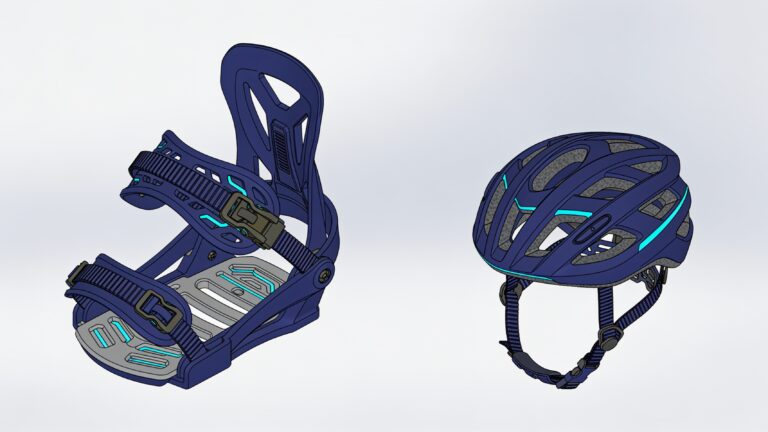
Large-scale customization in the sports industry is made possible by 3D printing, which allows for the production of customized equipment without increasing costs. Thanks to parametric design and AI, companies and teams like Legacy Motor Club are able to create functional components quickly and with significant savings. The technology enables the efficient management of thousands of variants,

Aerosol Jet Printing: Really Revolutionary?

Aerosol Jet Printing: Really Revolutionary?

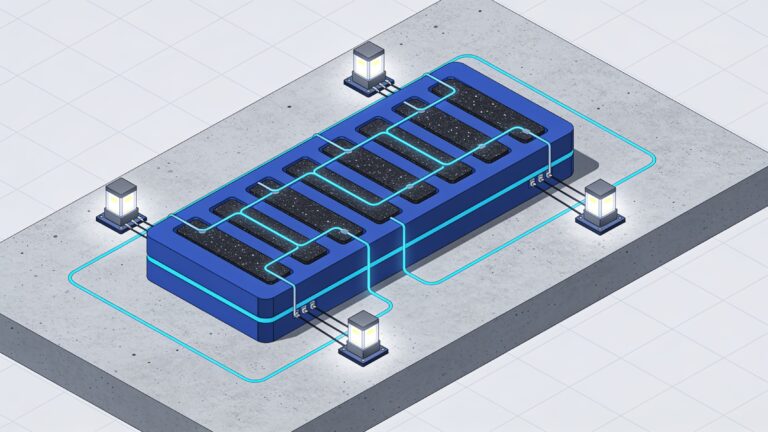
Transistors produced with Aerosol Jet Printing are overcoming the limits of printed electronics, opening new paths for flexible and low-cost devices. Thanks to a resolution of 10-50 micrometers and the use of printable materials, this technology allows for the realization of circuits on 3D substrates with good electrical reliability, suitable for sensors, wearable electronics, and circuits lo

THE EYE THAT DOES NOT MISTAKE? PROCESS CONTROL IN THE AEROSPACE AM

THE EYE THAT DOES NOT MISTAKE? PROCESS CONTROL IN THE AEROSPACE AM

In aerospace additive manufacturing, in-process inspection with calibrated measurements overcomes the limits of passive monitoring. Technologies such as structured light metrology enable objective, traceable, and comparable controls between machines, reducing qualification costs and times.

Sensors that sense without electronics?

Sensors that sense without electronics?

Bio-inspired soft sensors represent an engineering revolution: the material structure itself becomes the true sensor, generating electrical signals without electronic components. Thanks to porous and anisotropic microarchitectures, these smart materials convert mechanical stimuli into electrical responses by leveraging natural physical phenomena, such as streaming potential. Studies inspired by the spines

Why do 8 out of 10 additive startups fail?

Why do 8 out of 10 additive startups fail?

Many additive startups fail because they focus on technology without building a sustainable business. A solid economic model, paying customers, and strategic patience are needed.

/