LiDAR and AI to find 23 missing people from 1943
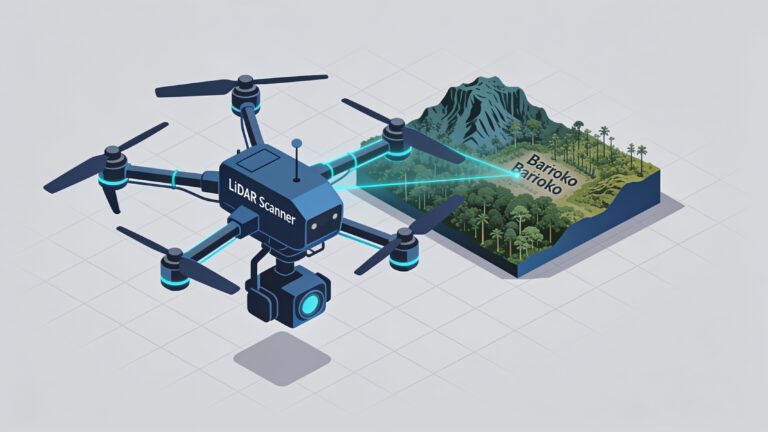
U.S. archaeologists use LiDAR drones, artificial intelligence, and printed 3D models to locate the remains of 23 soldiers missing in the 1943 Battle of Bairoko, in the Solomon Islands.

 Innovations
 U.S. archaeologists use LiDAR drones, artificial intelligence, and printed 3D models to locate the remains of 23 soldiers missing in the 1943 Battle of Bairoko, in the Solomon Islands.
 Innovations
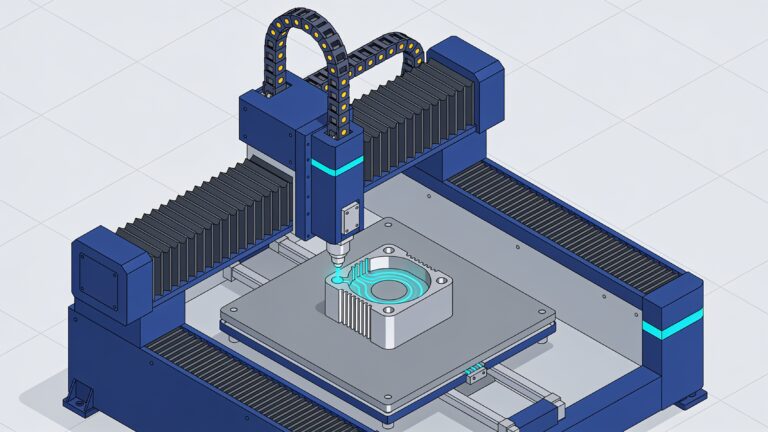
 Researchers at Washington State University used AI to 3D print NASA's GRCop-42 alloy with 80% less laser power. The method, based on a predictive model, could make the technology accessible to smaller laboratories and companies.
 Innovations
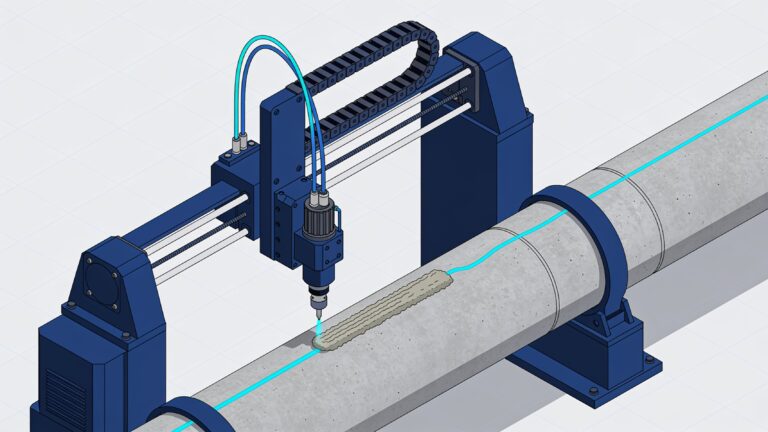
 3D printing is being applied to water infrastructure to address obsolete facilities and inefficiencies. In the United Kingdom, the Printfrastructure project produces concrete components for water treatment.
 Innovations
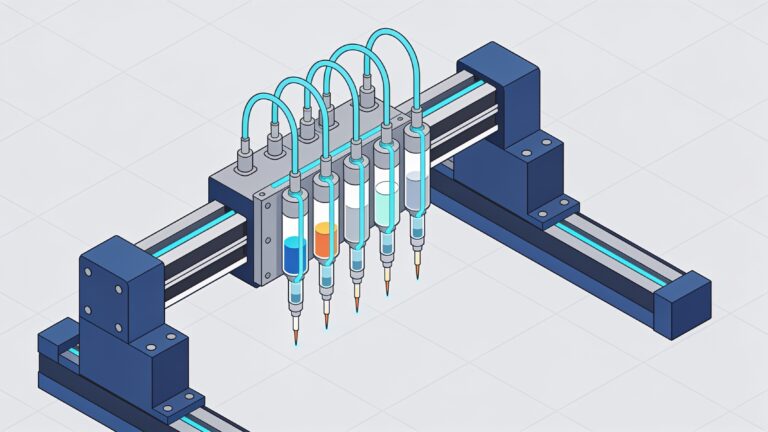
 ATLANT 3D has patented a multi-fluid printhead for atomic layer deposition, based on surface chemical reactions such as ALD. It offers atomic control of thickness, while lateral resolution depends on other factors.
 Innovations
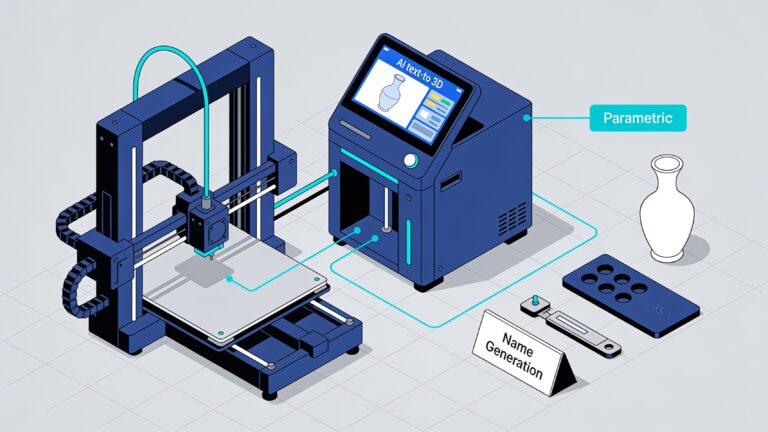
 Elegoo introduces on Nexprint three tools for generating 3D models: Vase Generator and Nameplate Generator, based on parametric modeling, and Text & Image to 3D, which uses AI to convert text or images into printable geometries without CAD skills.
 Innovations
 A Chinese team has developed an automatic system that detects and corrects stringing in FFF 3D printing in real time, combining computer vision and closed-loop control to intervene during the process.
 Innovations
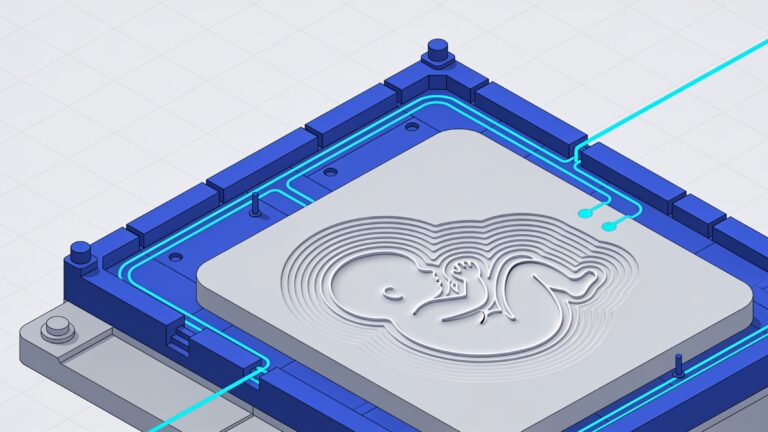
 Guide Dogs has launched the First Hello pilot programme in Great Britain, which turns ultrasound scans into 3D-printed tactile models for blind or visually impaired parents, responding to a need for greater inclusivity that emerged from a survey.
 Innovations
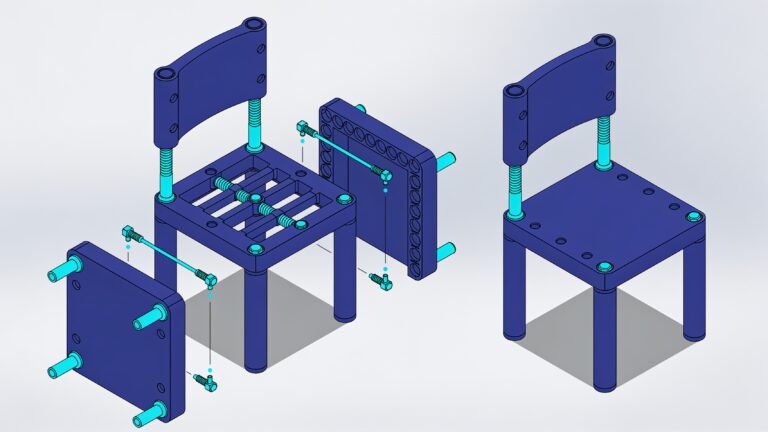
 SNAP3D: from image to glue-free assemblable 3D printing A system developed at Carnegie Mellon University generates 3D models from a single photo and makes them physically assemblable. Six objects were printed in PLA and manually assembled without fasteners. 3D generators based on artificial intelligence
 Innovations
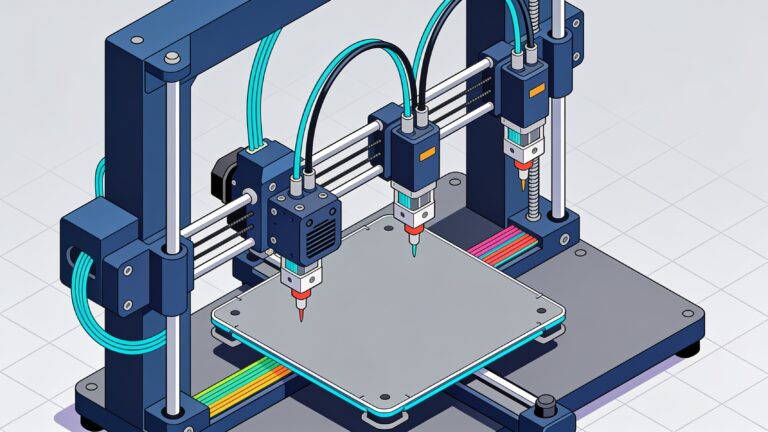
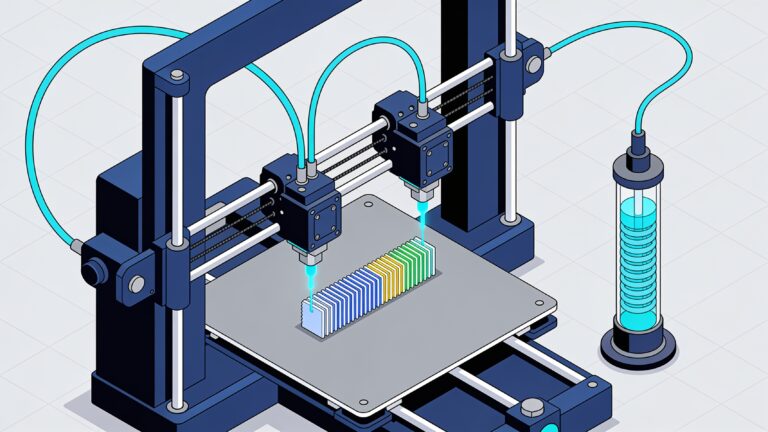
 Creality launches the K3: four nozzles and waste-free multicolor printing
Creality has officially introduced the K3, a next-generation desktop 3D printer equipped with the four-nozzle KliTek system. The technology promises to reduce material waste by 85% and printing times
 Innovations
 Alternating layers of PLA and TPU: mechanical strength without blending, but machine learning should be treated with caution
A group of researchers from the Chaitanya Bharathi Institute of Technology in Hyderabad tested a simple approach to combine rigidity and flexibility in a single printed component: a
 Innovations
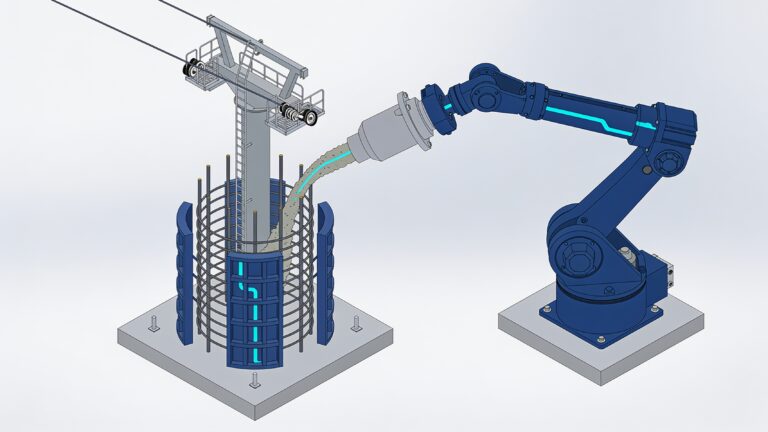
 3D-printed foundations for the new Hemavan chairlift: optimized infrastructure in the mountains
In the ski resort of Syterbyn, in northern Sweden, 3D printing of concrete finds an unprecedented application: robotic foundations for ski lifts. The Hyperio project
 Innovations
 Miltenyi Biotec patents the “light sheet” to overcome the limits of volumetric 3D printing
Miltenyi Biotec has filed an international patent proposing a new approach to volumetric 3D printing. The system uses a thin inclined “light sheet” combined with a second beam