Intelligent system against stringing in FFF 3D printing: the solution from the Civil Aviation University of China
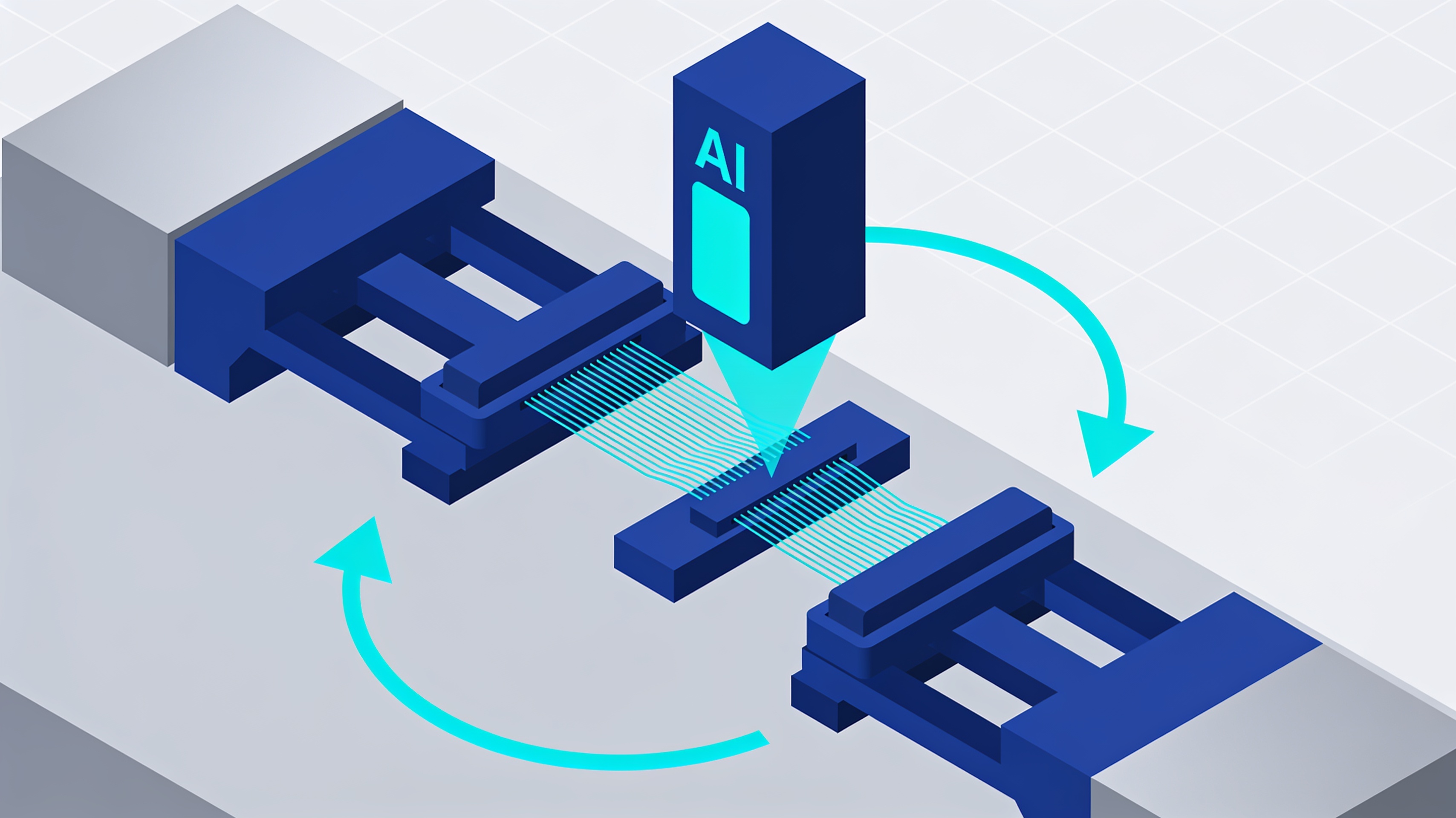
A team of Chinese researchers has developed an automatic system that detects and corrects in real time one of the most common defects in extrusion-based 3D printing: stringing. The technology combines computer vision and closed-loop control to intervene during the process.
Stringing appears as thin threads of polymer stretched between separate areas of the component. The phenomenon occurs when the nozzle performs movements without deposition and the molten material continues to ooze, creating unwanted filaments.
The problem of stringing in additive manufacturing
Stringing represents a complex challenge because it depends on multiple interconnected process parameters, not only on retraction.
In simple cases, the defect is mainly aesthetic and is solved with manual cleaning. In complex geometries, however, the filaments can cross cavities, small channels, and functional surfaces. This increases post-processing times and reduces process repeatability.
During travel moves, the extruder should completely stop deposition. However, the molten material in the hotend remains under pressure. If viscosity is low or residual pressure is not compensated, the polymer continues to ooze from the nozzle.
- Nozzle temperature and rheological properties of the polymer
- Retraction speed and distance
- Travel speed without deposition
- Moisture absorbed by the filament (critical for hygroscopic polymers)
- Hotend geometry and nozzle diameter
Retraction attempts to reduce internal pressure by retracting the filament. However, its effectiveness depends on all the factors listed. Moisture is particularly critical: absorbed water can vaporize in the hotend and alter extrusion stability.
The solution: multimodal neural network and automatic control
The system developed by Civil Aviation University of China integrates visual analysis and process data to automatically correct parameters during printing.
The research group consisting of Hao Wu, Rui Zhou, Chunzhi Du, Yunteng Jiang, Ruitai Liu, and Xingjie Zhang published the study “Online detection and closed-loop correction of stringing defects in fused filament fabrication using a mixed-input multi-head network” on September 8, 2026, in the journal Progress in Additive Manufacturing.
The system combines three fundamental elements. First: computer vision to detect stringing in real time. Second: direct acquisition of parameters from the printer. Third: automatic correction of process parameters.
The system uses a multimodal neural network that simultaneously processes images and numerical data. The visual component is based on a Residual Attention Network, while the numerical parameters are processed via a multilayer perceptron.
Closed-loop control for automatic correction
The closed-loop approach allows the system to intervene during printing, modifying parameters without interruptions.
The monitored and corrected parameters include retraction distance and retraction speed. These values are automatically adjusted based on defect detection.
The multimodal neural network architecture represents an advancement over traditional systems. By integrating visual and numerical information, the system can assess the severity of stringing and determine the appropriate correction.
Closed-loop control eliminates the need to stop printing for manual inspections. Correction occurs in real time, reducing waste and improving the repeatability of the production process.
Implications for industrial additive manufacturing
This approach opens new possibilities for automating quality control in FFF 3D printing, reducing dependence on operator experience.
The ability to automatically detect and correct defects represents an important step toward the standardization of extrusion-based 3D printing. Many process defects currently require manual intervention or iterative parameter adjustment.
An automatic system reduces setup times and makes it possible to maintain consistent quality even with different materials or complex geometries. The technology developed by the Civil Aviation University of China demonstrates the feasibility of this approach for one of the most common defects.
The integration of artificial intelligence and process control represents a promising direction for industrial additive manufacturing. The next challenge will be to extend these systems to other defects and 3D printing technologies.
article written with the help of artificial intelligence systems
Q&A
What is stringing in FFF 3D printing?
Stringing is a defect characterized by thin polymer filaments forming between separate areas of the component during non-deposition movements. It occurs when molten material continues to ooze from the nozzle due to residual pressure or low viscosity.
How does the system developed by the Civil Aviation University of China work?
The system integrates computer vision to detect defects in real time, acquires parameters directly from the printer, and applies automatic corrections to printing processes. It uses a multimodal neural network to simultaneously analyze visual data and process parameters.
What are the main factors influencing stringing?
Factors include nozzle temperature, polymer rheological properties, retraction speed and distance, and moisture absorbed by the filament. Hotend geometry and non-deposition travel speed also play a crucial role.
Why is filament moisture critical for stringing?
Water absorbed by hygroscopic polymers can vaporize inside the hotend, altering extrusion stability and promoting the formation of unwanted filaments. This makes moisture control essential to reduce the defect.
What are the consequences of stringing on complex prints?
In complex geometries, filaments can bridge cavities and functional surfaces, significantly increasing post-processing time required for cleaning. Furthermore, this defect reduces the overall repeatability of the additive manufacturing process.