
General Electric patents laser oscillation monitoring to detect defects in metal 3D printing
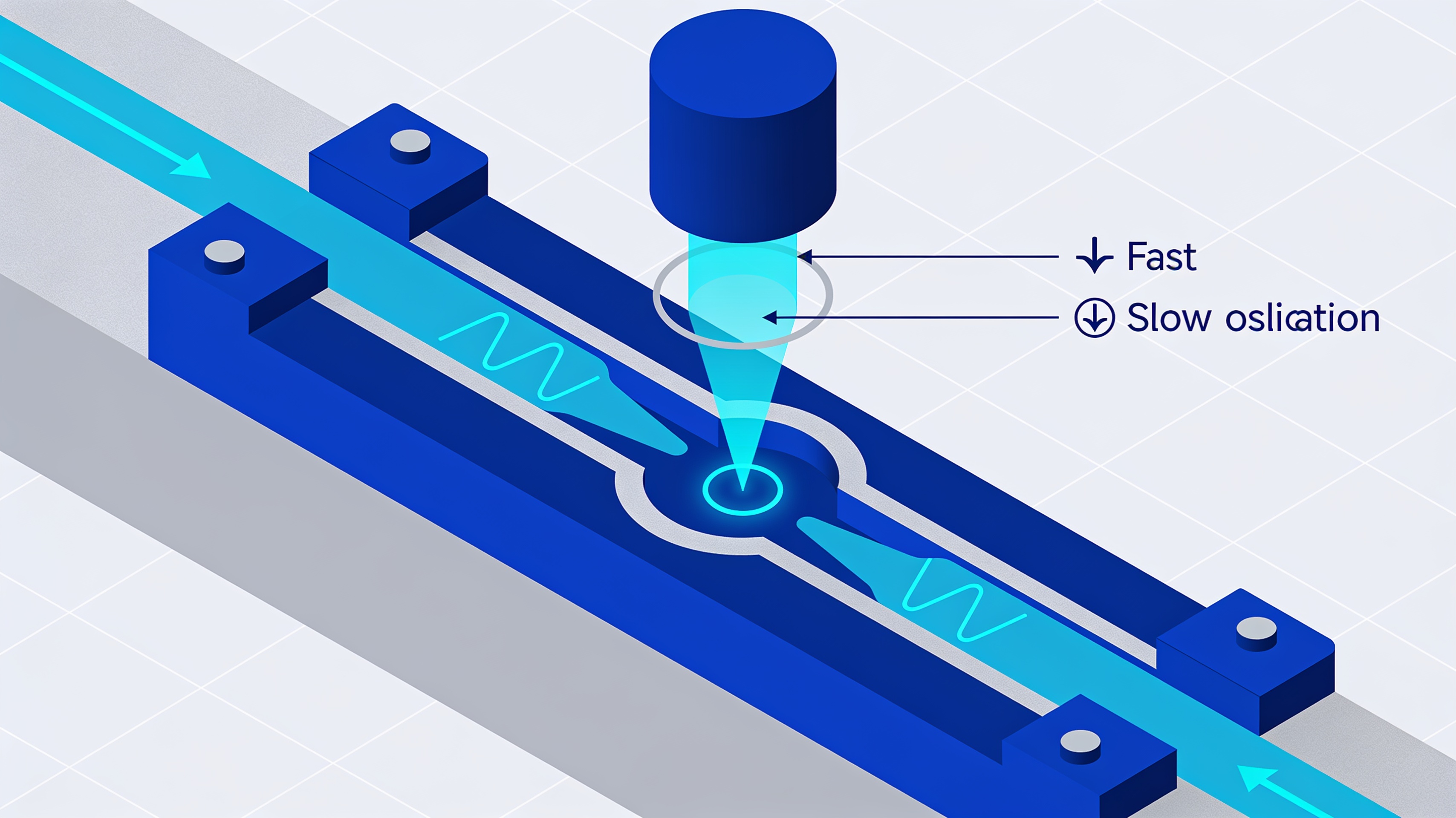
A General Electric patent application describes a system that analyzes rapid variations in the light emitted during laser melting to identify anomalies in real time. The method separates the high- and low-frequency components of the optical signal, focusing on fast oscillations that could reveal defects invisible to traditional systems.
U.S. application US20260295679A1, entitled “Laser Powder Bed Fusion Additive Manufacturing Anomaly Detection,” was published on October 1, 2026, after being filed on March 26, 2025. The inventors are Scott Alan Gold and Ziyad Smoqi.
The quality control problem in LPBF
In Laser Powder Bed Fusion processes, even brief variations in the laser-material interaction can generate defects that are difficult to detect with conventional monitoring methods.
A laser beam selectively melts layers of metal powder to progressively build the component. The result depends on laser power, scanning speed, powder characteristics, and local conditions of the melt zone.
Even brief variations can destabilize the melt pool and cause defects. For this reason, many industrial systems use cameras, photodiodes, and other optical sensors during production.
- GE proposes separating the light signal into low- and high-frequency components
- Rapid oscillations could reveal anomalies invisible to the average signal
- The system integrates machine learning models for analysis
The problem is not only collecting data, but interpreting signals that change rapidly even without actual defects. A change in average brightness can signal an anomaly, but some phenomena manifest mainly through rapid oscillations that are difficult to distinguish.
The proposal: separating slow and fast
The GE patent focuses on decomposing the signal into two distinct components, isolating the high-frequency oscillations that could contain crucial diagnostic information.
The system processes the data collected during the laser-material interaction by separating them into low- and high-frequency components. The former describes slow variations or the general trend of light intensity.
The latter preserves the rapid oscillations superimposed on the main signal. According to Fabbaloo, which analyzed the document on October 13, this attention to high-frequency components represents the distinctive element of the approach.
The documentation illustrates the analysis of a trace acquired over an interval of about 350 microseconds. Once separated, the high-frequency signal can be studied to recognize variations that would be less evident when observing only the average level.
Why rapid oscillations matter
The LPBF process includes very rapid phenomena that can affect final quality but escape monitoring systems based on average values or slow sampling.
The principle is relevant because laser powder bed fusion includes extremely fast phenomena. These include molten pool movement and other transient events that occur in fractions of a millisecond.
The 350-microsecond interval cited in the patent corresponds to 0.35 milliseconds, a timescale in which melt pool instabilities can occur that are not detectable with slower sampling.
The proposed system integrates machine learning models to process high-frequency signals and identify patterns associated with anomalies. This approach could improve real-time quality control, reducing the need for post-production inspections.
Implications for the industry
If implemented, the system could increase the reliability of metal additive manufacturing in critical sectors such as aerospace and energy, where GE has operated for decades.
General Electric has long experience in metal additive manufacturing for turbine and engine components. A more sensitive monitoring system could reduce scrap and increase confidence in the technology for critical structural applications.
The patent application does not specify whether GE is already testing the system on production machines. However, publication of the document suggests a concrete interest in developing more sophisticated quality control tools for LPBF processes.
The frequency-analysis-based approach could also be applied to other laser fusion technologies, potentially expanding the impact of the proposed solution in the metal additive manufacturing sector.
article written with the help of artificial intelligence systems
Q&A
What does General Electric's patent application describe?
US patent application US20260295679A1, titled 'Laser Powder Bed Fusion Additive Manufacturing Anomaly Detection', describes a system that analyzes rapid variations in light emitted during laser melting to detect anomalies in real time. The method separates the high- and low-frequency components of the optical signal.
When was the patent application published and who are the inventors?
US patent application US20260295679A1 was published on October 1, 2026, after being filed on March 26, 2025. The inventors are Scott Alan Gold and Ziyad Smoqi.
What is the quality control problem in LPBF processes?
In Laser Powder Bed Fusion processes, even brief variations in the laser-material interaction can destabilize the melt pool and generate defects that are difficult to detect with conventional monitoring methods. Some phenomena manifest mainly through rapid oscillations that are hard to distinguish.
What does GE's proposed approach consist of?
The system processes the data collected during the laser-material interaction by separating them into low- and high-frequency components. The low-frequency component describes the general trend of light intensity, while the high-frequency one preserves the rapid oscillations that could contain crucial diagnostic information.
What analysis interval is the patent documentation based on?
The documentation illustrates the analysis of a trace acquired over an interval of approximately 350 microseconds. Once separated, the high-frequency signal can be studied to identify anomalies.


