Settore Industriale: Defense

High-temperature ceramics: which AM process to choose?

High-temperature ceramics: which AM process to choose?

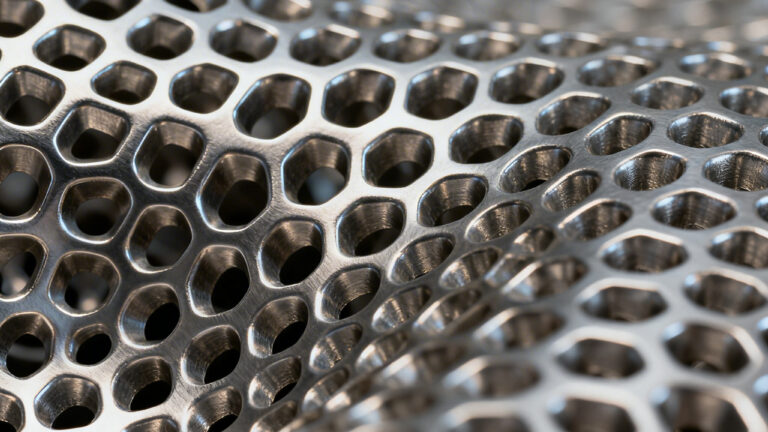
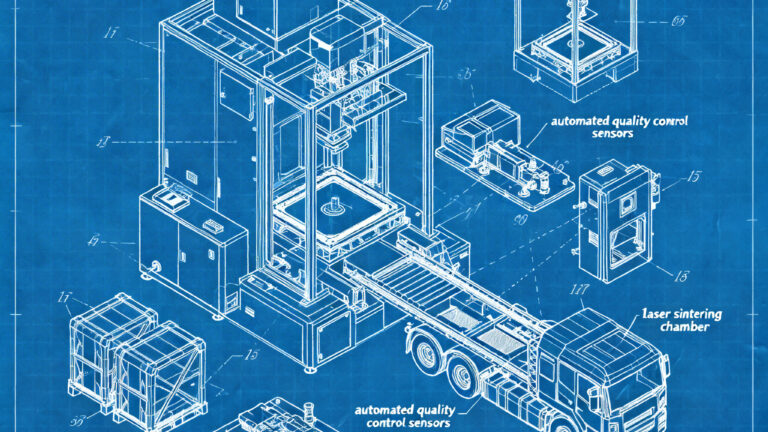
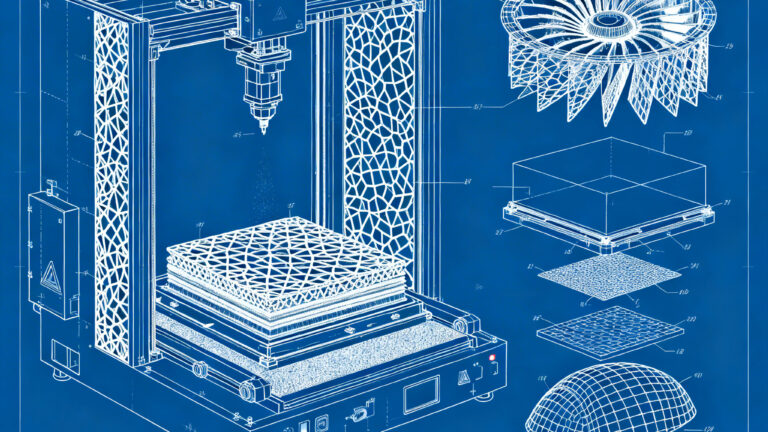
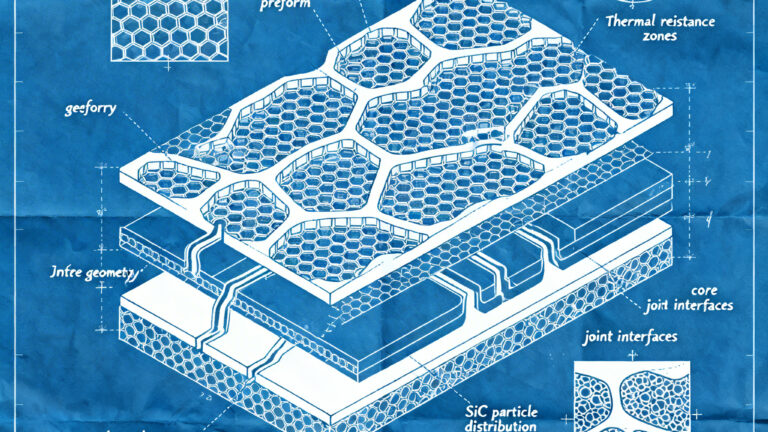
Additive manufacturing of high-temperature resistant ceramics requires careful selection of the process: melt-infiltration, CVI, or PIP, each with advantages and limitations in terms of cost, speed, and complexity. Cellular structures reduce weight and material but can compromise structural integrity. Advanced materials such as SiC and multi-oxide composites offer high performance but at


How Lightweight Reticulated and Foamed Structures Work: A Technical Overview of Advanced Composite Materials

How Lightweight Reticulated and Foamed Structures Work: A Technical Overview of Advanced Composite Materials

New IFAM technique combines foam and 3D structures for lightweight, high-performance, low-cost composites, with energy absorption up to 10x higher.

Resilience and Hidden Costs: How Geopolitics Is Redesigning Global Supply Chains

Resilience and Hidden Costs: How Geopolitics Is Redesigning Global Supply Chains

The resilience of global chains is becoming crucial for economic sustainability. Geopolitics reveals hidden costs related to distances, logistics, and systemic fragility. Companies are reconsidering production localization and additive manufacturing to reduce risks and improve self-sufficiency.

How Functional Grading Works in Industrial Additive Processes

How Functional Grading Works in Industrial Additive Processes

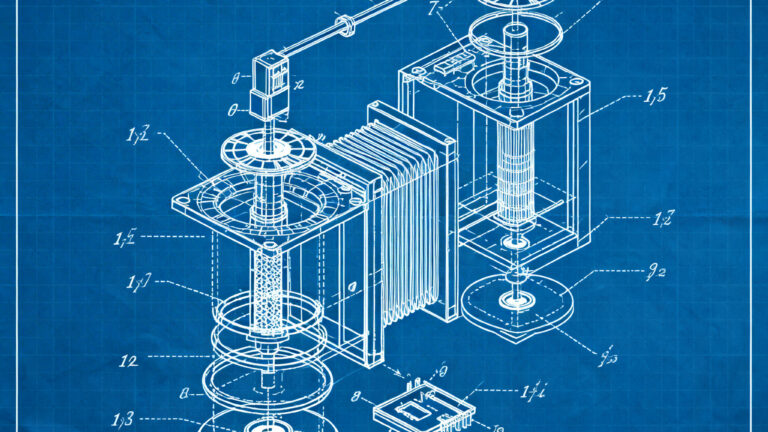
Functional grading in industrial additive processes enables the creation of components with variable properties in a controlled manner, modulating the thermal energy during deposition. Thanks to sensors and real-time feedback, the process allows gradual and precise transitions of mechanical characteristics, without interruptions or the need for assembly. This innovative technology finds app

Advanced Training for Industrial 3D Printing: How Companies Build Scalable Competencies

Advanced Training for Industrial 3D Printing: How Companies Build Scalable Competencies

Advanced training in industrial 3D printing is now strategic for bridging the skills gap and ensuring the growth of the sector. Structured programs, academic partnerships, and hybrid learning models are preparing professionals capable of integrating technology and productive practice.

Industrial 3D Printing: Contract Clauses at Risk and How to Avoid Them

Industrial 3D Printing: Contract Clauses at Risk and How to Avoid Them

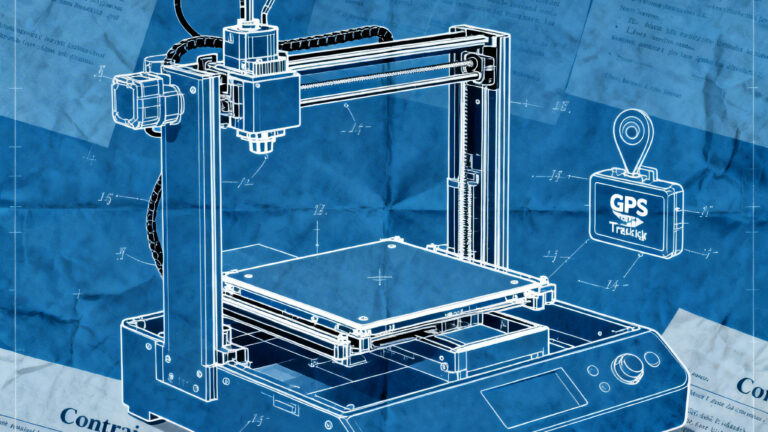
Industrial 3D printing presents often underestimated contractual risks, with clauses that unilaterally shift liability and costs onto clients. Key points include: GPS tracking, geographic limits, training obligations, vague definitions of “failure”, and choice of jurisdiction. It is essential to negotiate fair contracts to avoid legal constraints and ensure safe operations.

How Energy-Absorbing Metamaterials Are Revolutionizing Structural Safety

How Energy-Absorbing Metamaterials Are Revolutionizing Structural Safety

Titanium metamaterials, thanks to their geometric structure inspired by nature and produced with SLM 3D printing, absorb energy more efficiently and predictably than traditional materials. Designed to distribute stresses evenly, they offer a stable stress plateau during deformation, ideal for structural safety applications in the aerospace field.

Alloy Evolution: How high-entropy refractory alloys are redefining the aerospace industry

Alloy Evolution: How high-entropy refractory alloys are redefining the aerospace industry

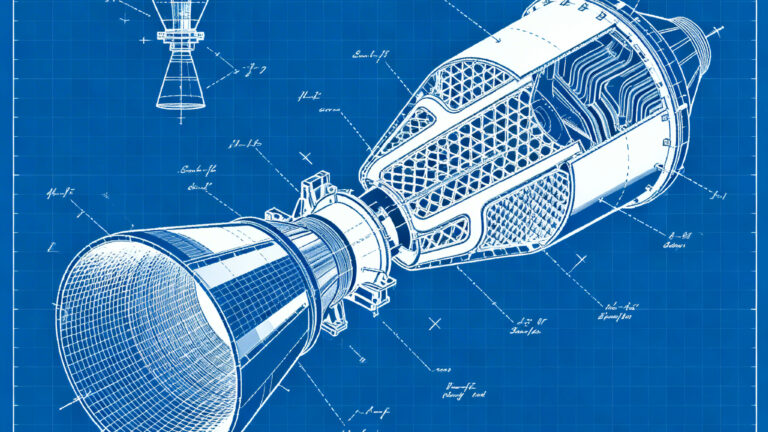
High-entropy refractory alloys are revolutionizing aerospace thanks to superior properties at extreme temperatures. Compared to traditional Inconel, they offer greater strength, lower weight, and better performance in applications such as combustion chambers, nozzles, and hypersonics. RCCAs, with disordered BCC structures, exceed melting and corrosion limits, opening up new possibilities for

New Era of Governance: The Evolution of Leadership in the Additive Manufacturing Industry

New Era of Governance: The Evolution of Leadership in the Additive Manufacturing Industry

The Additive Manufacturing Alliance, born from the union of Leading Minds and AM I Navigator, promotes the industrial integration of additive manufacturing through structured governance, standardization, and operational support.

Defensive Supply Chains: How Additive Manufacturing is Redesigning Operational Resilience

Defensive Supply Chains: How Additive Manufacturing is Redesigning Operational Resilience

The war in Iran has pushed the defense sector to rethink supply chains, focusing on additive manufacturing for greater flexibility and resilience. Advanced technologies and partnerships between government and startups enable the production of critical components in record time, reducing dependence on foreign suppliers. Examples like Ursa Major and the Draper engine show how it is possible

Additive Manufacturing: How Market Consolidation Redesigns Financial Strategy in the Sector

Additive Manufacturing: How Market Consolidation Redesigns Financial Strategy in the Sector

The additive manufacturing sector is experiencing a shift: from growth based on volumes to a strategy focused on margins, vertical specialization, and operational optimization. Companies like Materialise demonstrate how consolidation and attention to profitability, rather than expansion, can guarantee positive cash flows and solid financial positions, even

Press TCT 2026: new frontiers of industrial additive manufacturing

Press TCT 2026: new frontiers of industrial additive manufacturing

The TCT Awards 2026 highlight the growing role of additive manufacturing in strategic sectors such as aerospace, defense, and automotive, with projects that integrate optimized structures, advanced materials, and cross-sector collaborations.

/