3D metal simulation: prevent defects in 24h?
3D simulation is essential to prevent defects in metal printing, reducing costs and production times. Tools like PanX allow for predictive process optimization, improving quality and efficiency.

 Manufacturing
 3D simulation is essential to prevent defects in metal printing, reducing costs and production times. Tools like PanX allow for predictive process optimization, improving quality and efficiency.
 Manufacturing
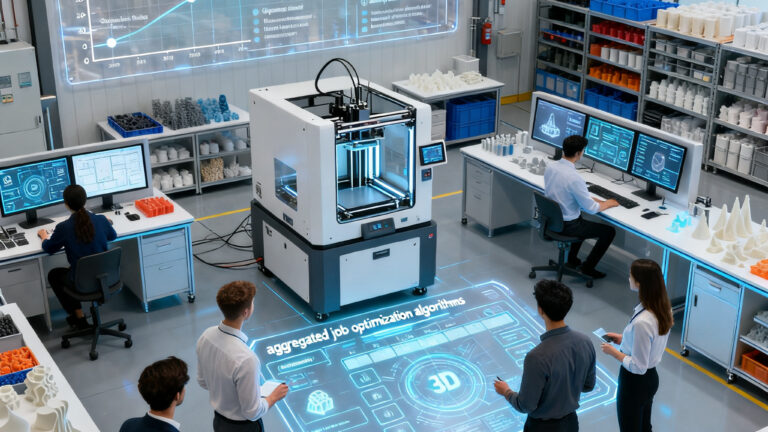
 Optimizing additive production requires a holistic vision that includes not only print time, but also preparation phases, order aggregation, and post-processing. Often overlooked, these latter stages represent the true bottlenecks. To improve efficiency and reduce delivery times from 3 days to 3 hours, it is essential to integrate the entire production flow into a system
 Manufacturing
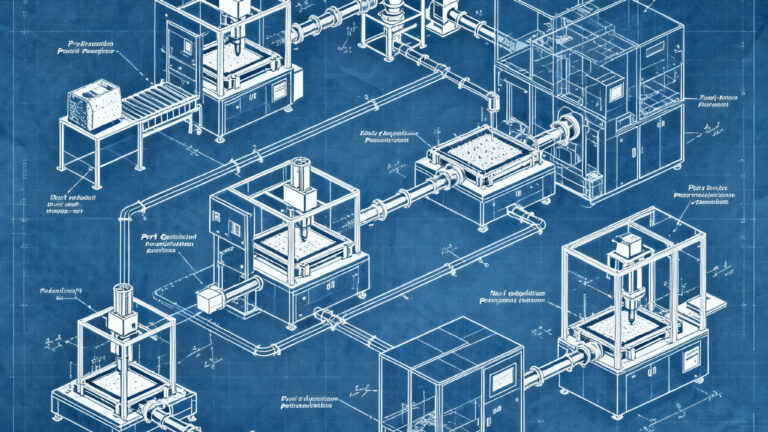
 The integrated supply chain in the metal 3D printing sector represents a key competitive advantage, with a focus on end-to-end support, traceability, and certified quality. Technology alone is not enough: reliable partners are needed to reduce costs and lead times, improving efficiency and production resilience.
 Manufacturing
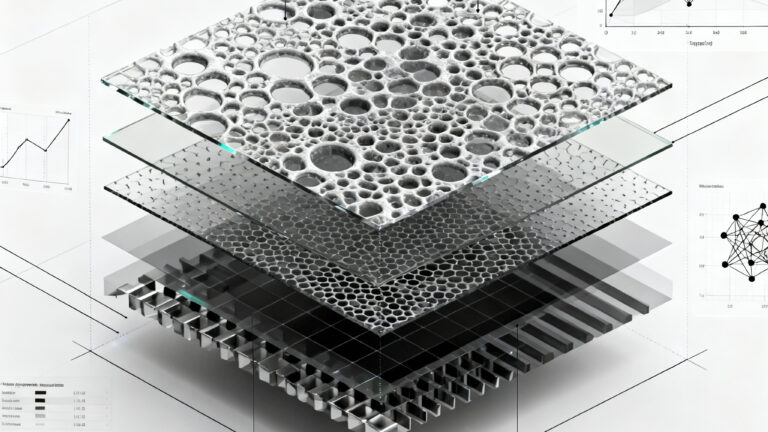
 An artificial intelligence model developed by KIMS and Max Planck Institute predicts the mechanical properties of metal components produced with LPBF, analyzing pore morphology without destructive testing.
 Innovations
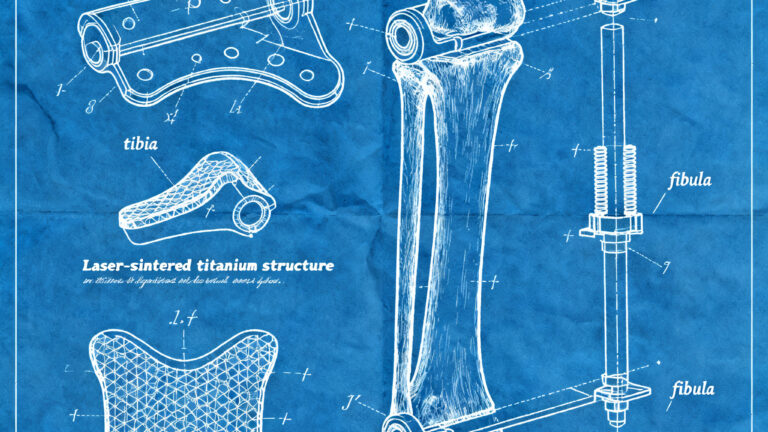
 MedCAD has obtained FDA authorization for AccuStride, a system that brings personalized surgical planning for lower limbs to 3D-printed titanium guides, with delivery in 5 days. By integrating imaging, digital design, and rapid production, it reduces operating times and complications.
 Manufacturing
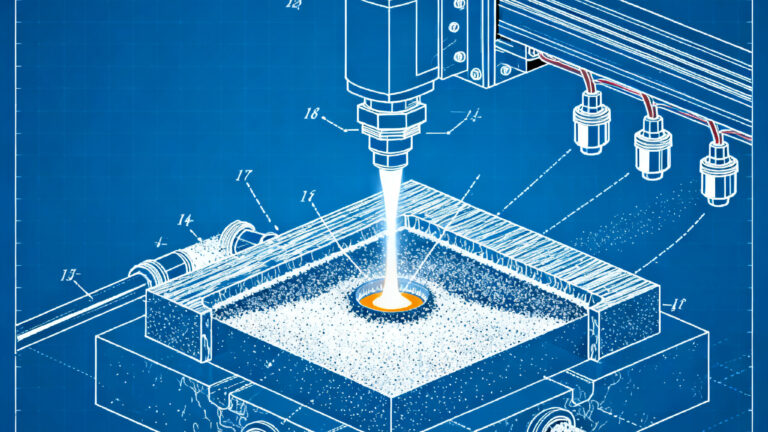
 Laser cladding offers an innovative and sustainable solution against corrosion, overcoming the limits of hard chrome plating. This technology deposits resistant alloys directly onto surfaces, without toxic substances such as hexavalent chromium, ensuring a strong metallurgical bond and precise control of the layer. Compared to chrome plating, it reduces the CO₂ footprint by up to 12 times and perme
 Manufacturing
 The fragility of global supply chains puts the world economy at risk. Distance, logistics, and geopolitical volatility generate hidden costs. Local production and additive manufacturing are emerging as solutions to reduce risks and response times. Traditional metrics are not enough: a new approach based on resilience is needed.
 Innovations
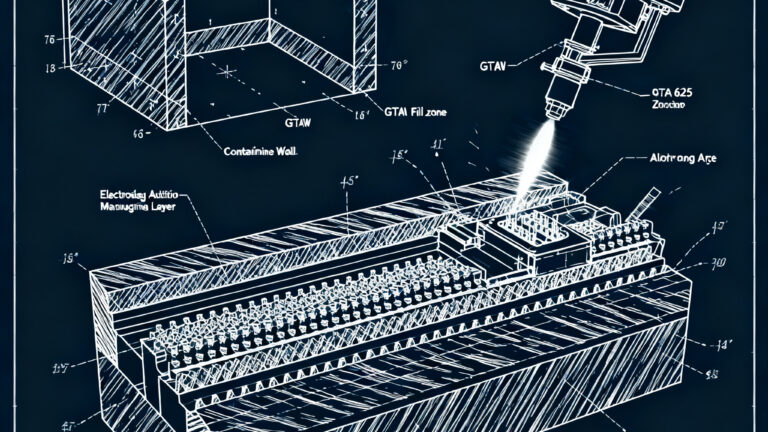
 ESAM, developed by ORNL and ARC Specialties, accelerates the production of large metal components up to 3x compared to traditional methods. It combines electroslag strip cladding and wire arc additive manufacturing to achieve high productivity and geometric control, with mechanical properties comparable to cast materials. Ideal for the energy sector.
 Innovations
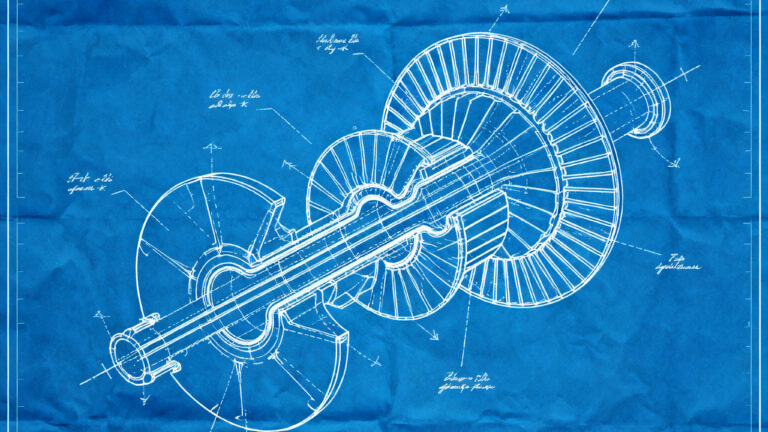
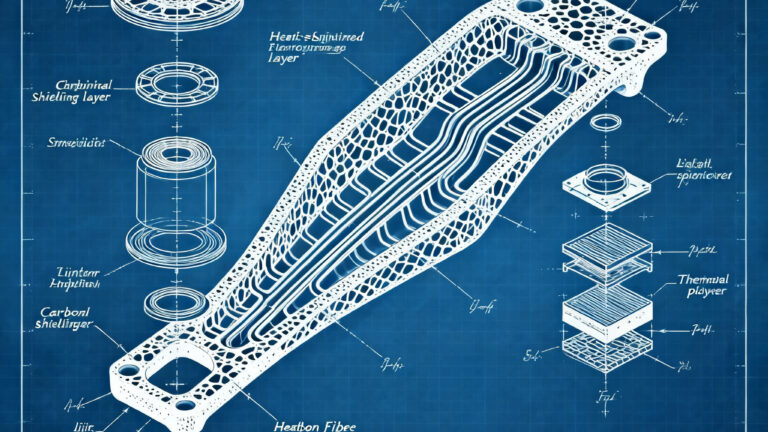
 3D printing makes hydrogen safer for use in transportation by eliminating joints and improving the strength of metals.
 Manufacturing
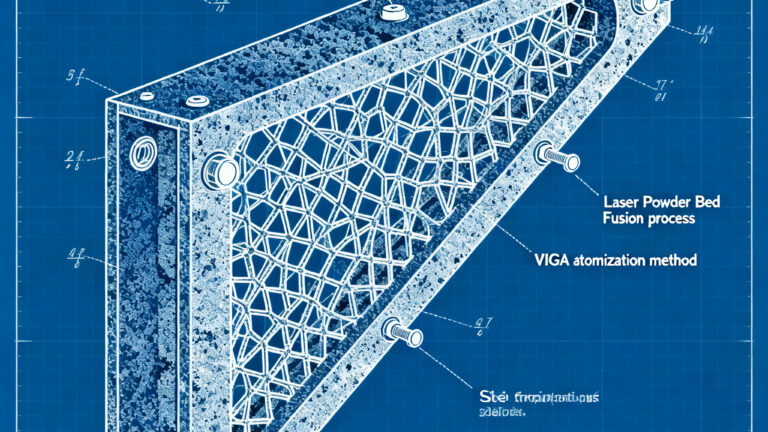
 Additive manufacturing offers competitive advantages in automotive and motorsport, reducing development times and optimizing components. Technologies like SLS, binder jetting, and PBF allow on-demand production, weight reduction, and greater strength. Practical cases demonstrate the effective integration of 3D printing without disrupting existing production lines.
 Manufacturing
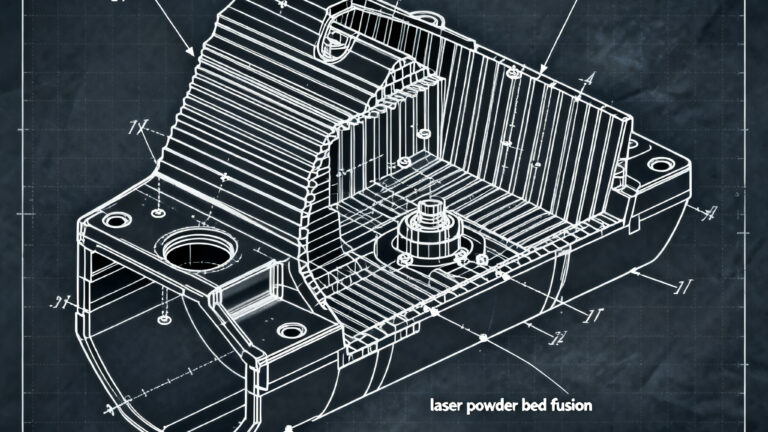
 The German project AddMamBa transforms scrap steel into structural components for construction via 3D printing, reducing emissions and waste. Through the atomization of metal scraps into powder suitable for laser melting, brackets and connectors are obtained with performance similar to traditional components, but with lower environmental impact. The approach includes chemical control, optimization
 Manufacturing
 The US Navy introduces a “material maturity” framework to certify 3D printed materials, reducing logistics lead times by 70% and integrating additive parts into the supply chain without compromising safety or reliability.