Advanced Training in Industrial Additive Manufacturing: Future Skills for Production 4.0
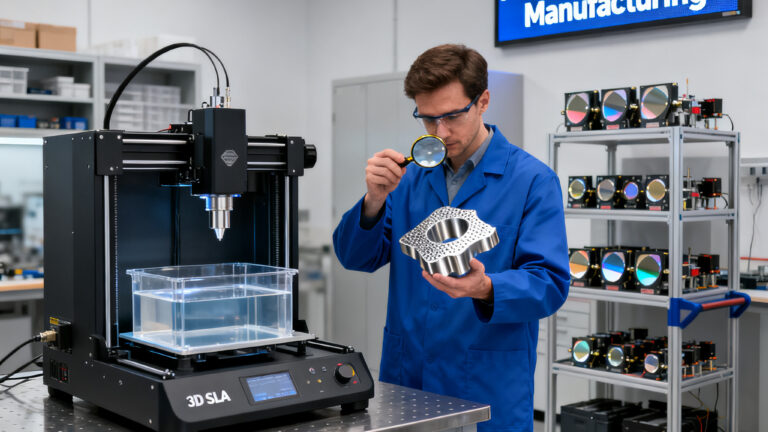
The lack of skills is slowing the growth of additive manufacturing: universities, industry, and certifications converge to rapidly train 4.0 professionals.
Manufacturing The lack of skills is slowing the growth of additive manufacturing: universities, industry, and certifications converge to rapidly train 4.0 professionals.
Manufacturing The EU pushes for shared standards for autonomous systems and additive manufacturing: rigorous qualification, traceability, and ISO/AS certifications to accelerate industrial adoption and reduce risks.
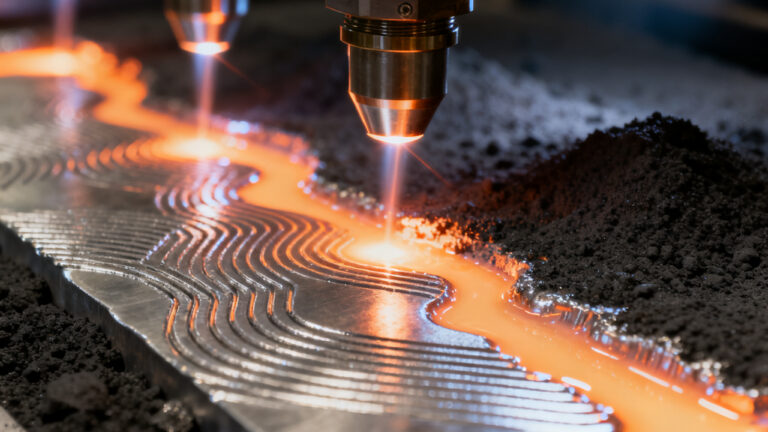
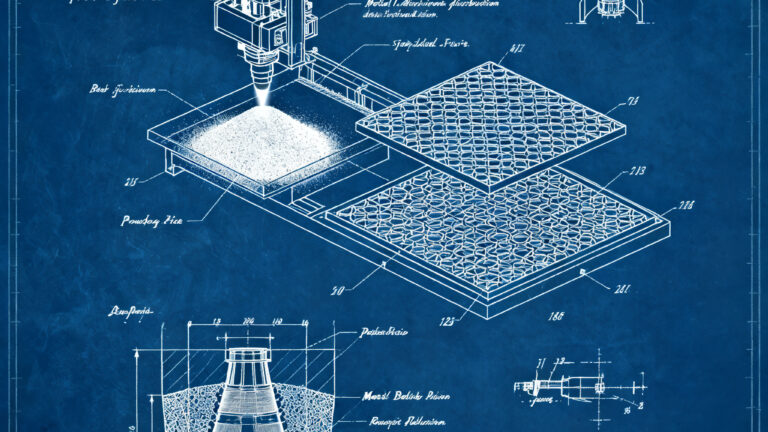
Manufacturing Metal additive manufacturing is now essential in aerospace and defense: lightweight alloys, DMLS/EBM/FFF processes and increasingly stringent certifications reduce weight, times and costs, but powder qualification and supply-chain remain the main challenges.
Manufacturing In 2026, 4.0 automation integrates AI, IoT, and flexible robotics for end-to-end production chains. Scalability, traceability, and hybrid skills are essential for competitiveness.
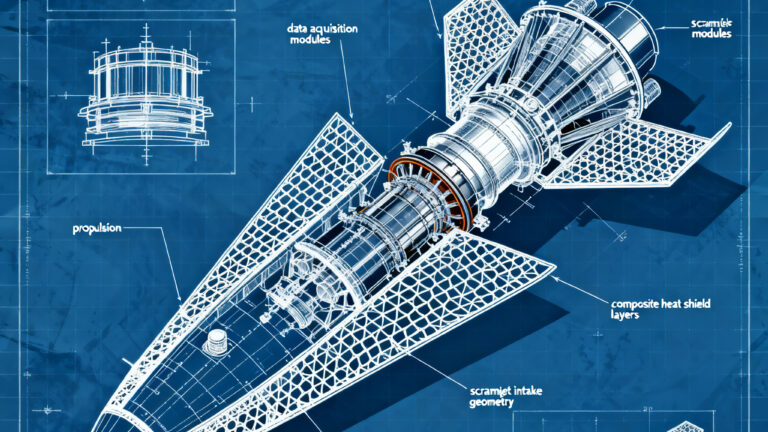
Manufacturing Metal 3D printing is now strategic in aerospace and defense: advanced alloys, certified processes, closed-loop recycling, and military and space use cases are accelerating its global adoption.
Manufacturing Industry 4.0: 3D printing, AI, digital twin, and robotics merge into open ecosystems, transforming production, supply chains, and skills.
Manufacturing In 2026, additive manufacturing exits the pilot phase: aerospace, automotive, data centers, and oil & gas adopt it into true production, but slowly. The winner integrates processes, not just sells machines.
Manufacturing Intelligent software, low-code automation, and cloud optimize business workflows: they eliminate bottlenecks, integrate legacy systems, enable real-time monitoring, and transform measurement data into strategic insights for quality and resilience.
Manufacturing AI transforms engineering by shifting value from execution to strategic judgment. If the growth path for young engineers is not redesigned, there is a risk of a “skills cliff” and a dangerous concentration of responsibility.
Manufacturing Industrial 3D printing scales volumes and speeds: SLA and FDM XXL, advanced materials, Industry 4.0 automation, and new frontiers in tooling, construction, and aerospace.
Manufacturing Metal additive manufacturing is growing thanks to new high-speed technologies and materials for extreme environments, with applications in aerospace, defense, energy and nuclear fusion. Goal: lighter, more efficient and certified components.
Manufacturing In 2026, record investments in industrial 3D printing: +51% hardware revenue, China boom +221%, defense and water infrastructure projects with CO₂ savings up to 501%.