Settore Industriale: Aerospace

Metrology without technological boundaries?

Metrology without technological boundaries?

Industrial metrology requires flexibility. Discover how universal software platforms overcome rigidity and inefficiencies, integrating every measuring device to maximize precision and productivity. A practical guide to choosing the ideal solution.

3 moves that are revolutionizing industrial AM

3 moves that are revolutionizing industrial AM

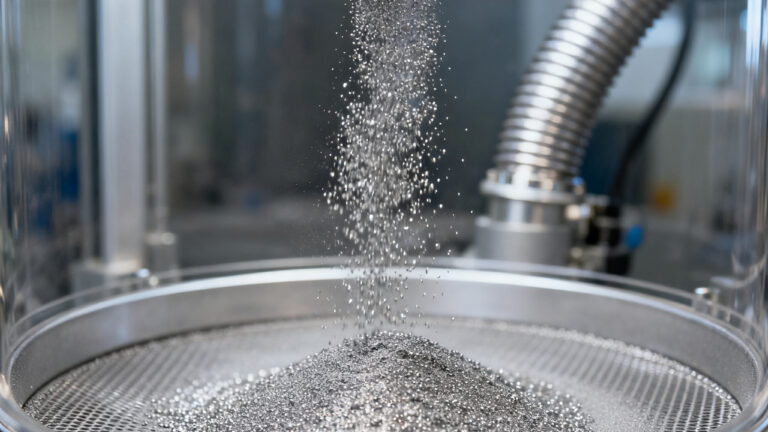
Metals and ceramics in industrial 3D printing are complementary, not alternative. The competitive advantage comes from structured workflows, replicable case studies, and targeted training. To scale, standardized processes and a clear integration plan are needed.

Mobile production in containers? Here's how to scale it

Mobile production in containers? Here's how to scale it

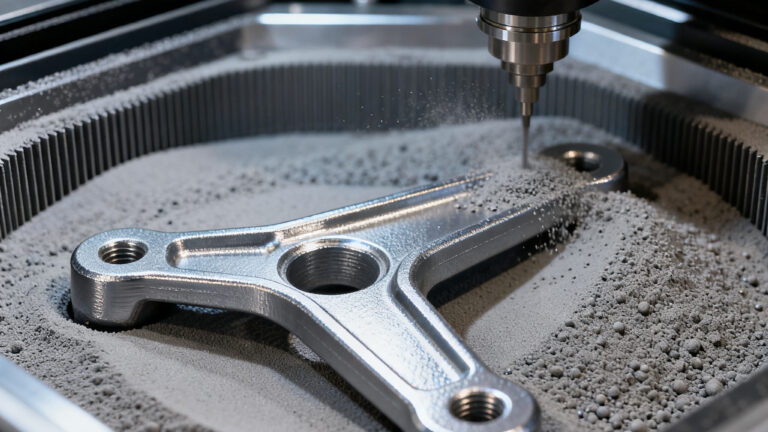
Containerized production combines additive and subtractive technologies in ruggedized containers for remote and defensive contexts. Cases like Farsoon-Addimax and Snowbird-Meltio demonstrate flexibility, autonomy, and reduced dependence on the supply chain, with local support and standard materials.

Thus I digitized an industrial piece

Thus I digitized an industrial piece

Digitizing industrial components for 3D printing in a few hours is possible with real-time visual feedback scanners, automatic mesh cleaning, and parameters aligned with the printer. A method that reduces errors, iterations, and the learning curve.

Additive manufacturing in APAC: from laboratory to production line?

Additive manufacturing in APAC: from laboratory to production line?

Additive manufacturing in the APAC region is now a production infrastructure. TCT Asia 2026 confirms the overcoming of the experimental phase: the market competes on reliable workflows, industrial integration, and operational costs, shifting the focus from prototyping to mass production.

How does stiffness arise in flexible 3D structures?

How does stiffness arise in flexible 3D structures?

Flexible 3D structures that become rigid: variable geometries, asymmetric struts, and central limiting structures allow for the controlled transition from flexibility to rigidity, optimizable with 3D printing and composite materials.

3D printers at school? Not enough: here's the real plan

3D printers at school? Not enough: here's the real plan

Equipping schools with 3D printers is not enough: a structured educational plan oriented towards professional objectives is needed. Programs must integrate practical skills, critical thinking, and knowledge of materials to train professionals capable of choosing and applying technology with awareness.

Who dominates Metal AM in 2026?

Who dominates Metal AM in 2026?

The Metal AM market in 2026 exceeds 6 billion with a decisive turning point: for the first time, data include defense and maritime, revealing hidden dynamics. Solid growth, a data-driven approach based on real data, and consolidation towards specialized applications will guide winning strategies.

AI and Digital Twin: the future of smart recycling?

AI and Digital Twin: the future of smart recycling?

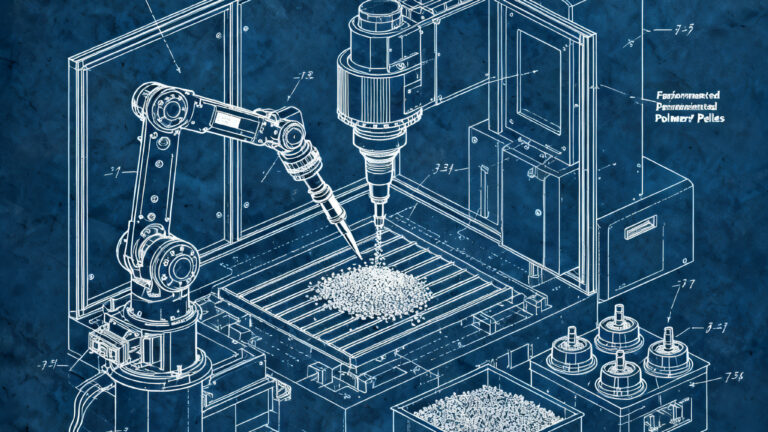
Fraunhofer IAPT combines AI and Digital Twin for intelligent recycling in 3D printing. The closed-loop system manages the variability of recycled polymers in real time, reduces waste, and builds a shared technical memory for sustainable and predictive production processes.

HyCAT: 300 km/h in 3 days?

HyCAT: 300 km/h in 3 days?

HyCAT, a Pentagon program, accelerates hypersonic aerodynamic testing with dedicated vehicles and commercial launchers, reducing time and costs.

3D RF Components: Less Weight, More Power?

3D RF Components: Less Weight, More Power?

3D printing is revolutionizing the production of RF components, enabling lighter antennas and integrated EMI shielding in electronic packages. Additive technologies improve efficiency, customization, and reduce weight, while posing challenges regarding materials and repeatability.

3D printing without overheating? The trick is in the gas

3D printing without overheating? The trick is in the gas

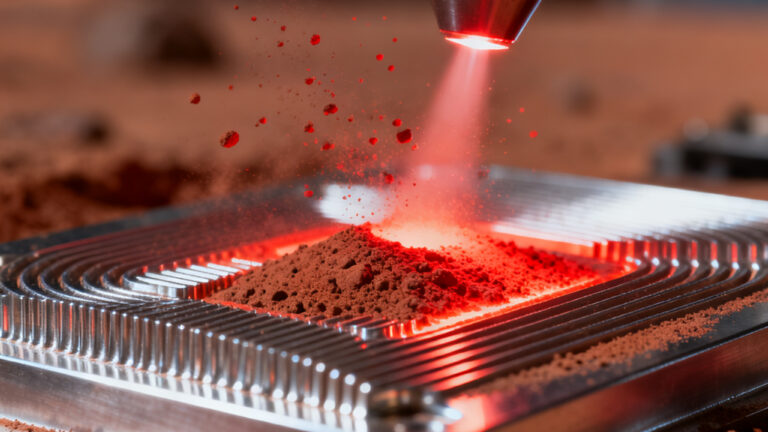
New patented method for thermal control in metal 3D printing reduces times by up to 47% and prevents defects caused by overheating, improving quality and repeatability.

/