Cold Spray: metals without fusion?
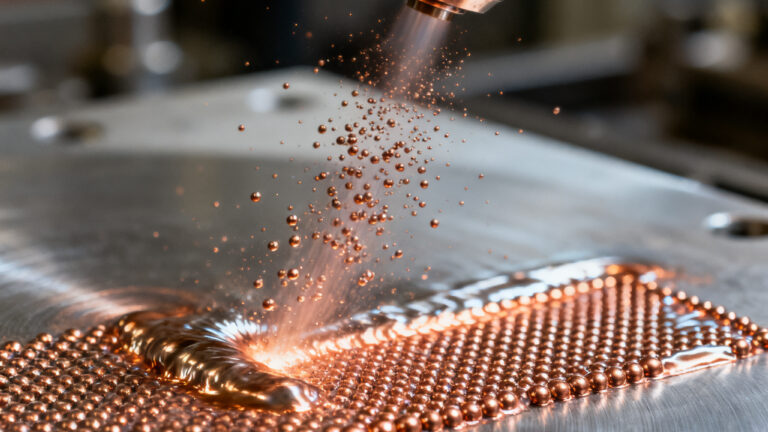
Cold Spray deposits metals at supersonic speeds without melting, preserving the material's properties. Ideal for repairs and complex components in aerospace, energy, and industry.

 Manufacturing
 Cold Spray deposits metals at supersonic speeds without melting, preserving the material's properties. Ideal for repairs and complex components in aerospace, energy, and industry.
 Manufacturing
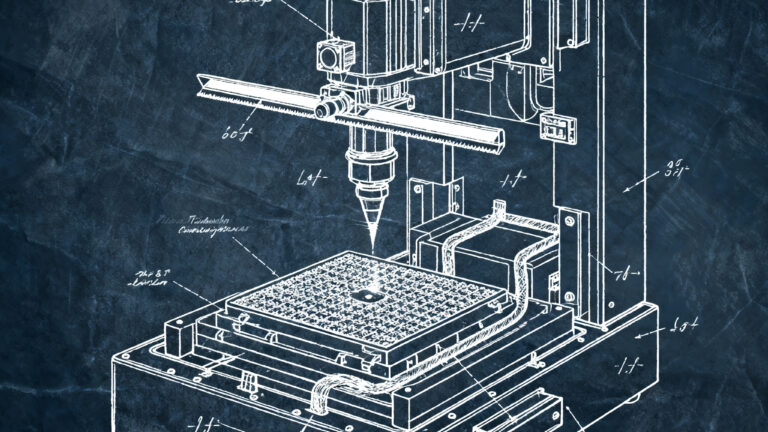
 AM qualification in three phases: FAT, IQ, and OQ. The choice between pre-qualified or validated in-process feedstock determines robustness. Only in-process monitoring with calibrated and traceable data transforms visibility into control, making Additive Manufacturing scalable and truly industrial.
 Manufacturing
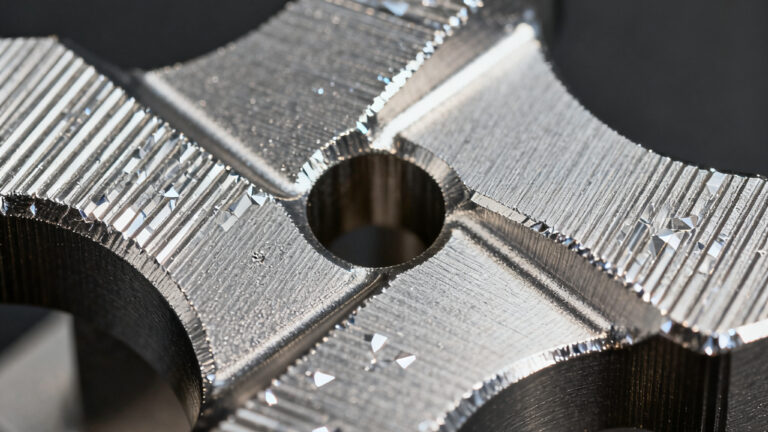
 Logistical resilience is more critical than the availability of raw materials for supply chain security. The distance between production and consumption is the greatest risk. Strategic reserves of materials such as tungsten and production localization reduce the risk of downtime and ensure continuity for supply chains.
 Innovations
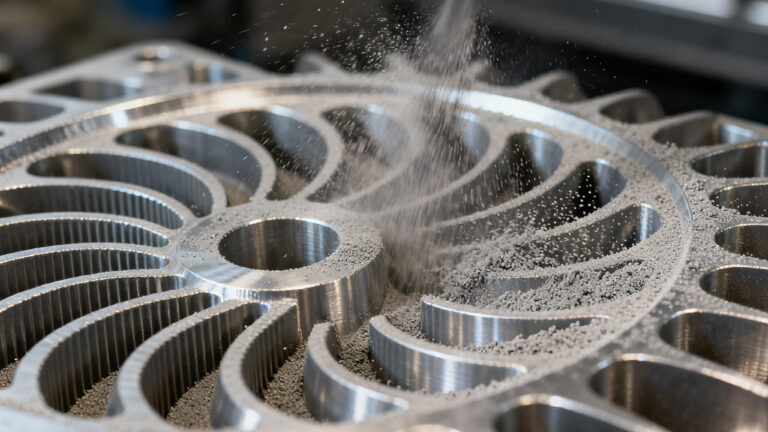
 A new patent uses frequency control to optimize de-powdering in 3D printing: 30% reduced times, greater repeatability and transferability between machines. It requires sensors, but the ROI is 2-5 years for complex components.
 Manufacturing
 AI in industrial automation requires rethinking the entire production flow. Real value emerges when artificial intelligence operates along the entire chain, overcoming the limited approach to single machines and local optimizations in additive manufacturing.
 Innovations
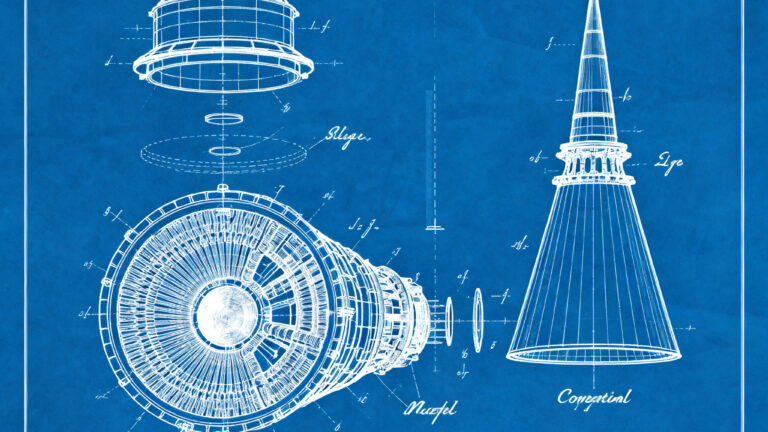
 LEAP 71 compares a classic nozzle and an aerospike of 20 kN in CuCrZr: the first is stable and efficient beyond 93%, the second at 50 bar but with startup criticalities. Mature nozzle for immediate missions, promising aerospike for multi-regime efficiency and reusable launches.
 Maker
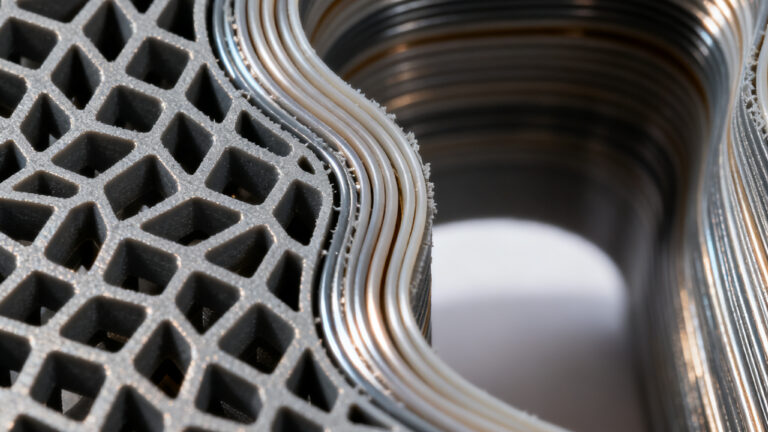
Maker Double the strength of 3D prints without extra weight: use gyroid infill, optimized pathing with Arachne, and localized reinforcements in the G-Code. Advanced slicing techniques for stronger and lighter parts, without complex CAD modifications.
 Innovations
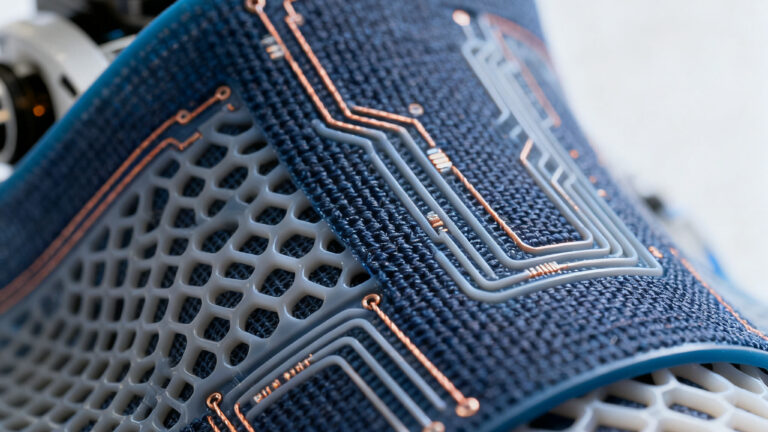
 ESA is developing Smart Skin, an intelligent 3D-printed skin for space robotic arms. The flexible coating integrates thermal protection, sensors, and wiring for lunar and Martian missions, overcoming the limits of traditional insulation.
 Manufacturing
 Industrial metrology requires flexibility. Discover how universal software platforms overcome rigidity and inefficiencies, integrating every measuring device to maximize precision and productivity. A practical guide to choosing the ideal solution.
 Manufacturing
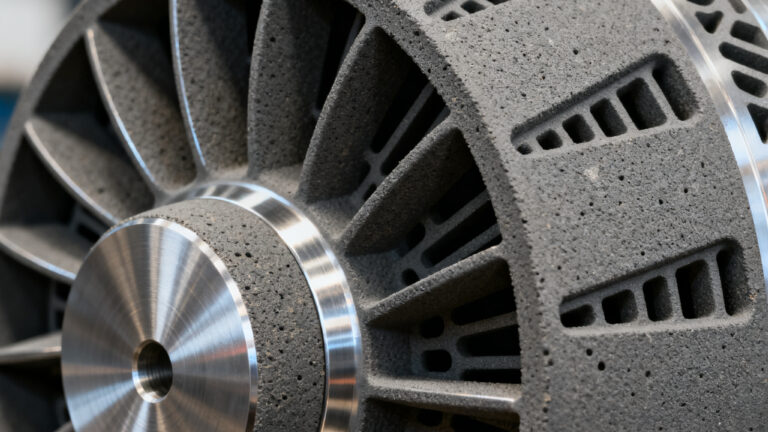
 Metals and ceramics in industrial 3D printing are complementary, not alternative. The competitive advantage comes from structured workflows, replicable case studies, and targeted training. To scale, standardized processes and a clear integration plan are needed.
 Manufacturing
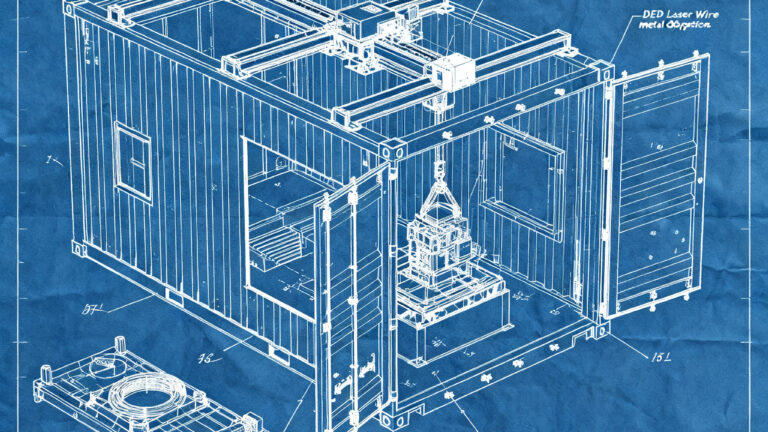
 Containerized production combines additive and subtractive technologies in ruggedized containers for remote and defense contexts. Cases such as Farsoon-Addimax and Snowbird-Meltio demonstrate flexibility, autonomy, and reduced dependence on the supply chain, with local support and standard materials.
 Manufacturing
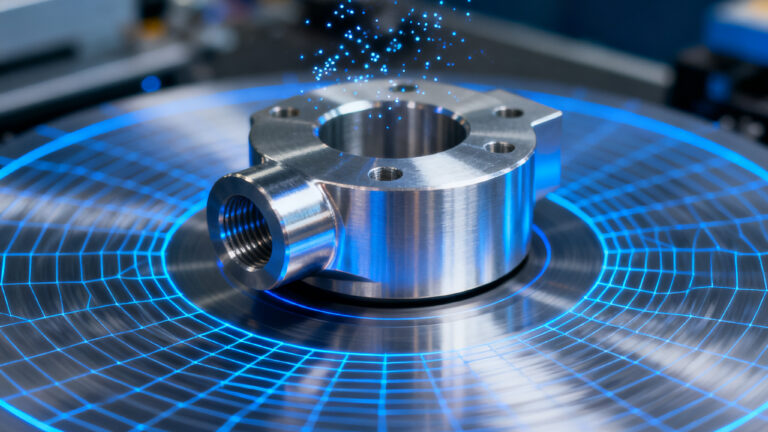
 Digitizing industrial components for 3D printing in a few hours is possible with real-time visual feedback scanners, automatic mesh cleaning, and parameters aligned with the printer. A method that reduces errors, iterations, and the learning curve.