Applicazione: Production

Why did Amnovis bring its 3D printing to Indiana?

Why did Amnovis bring its 3D printing to Indiana?

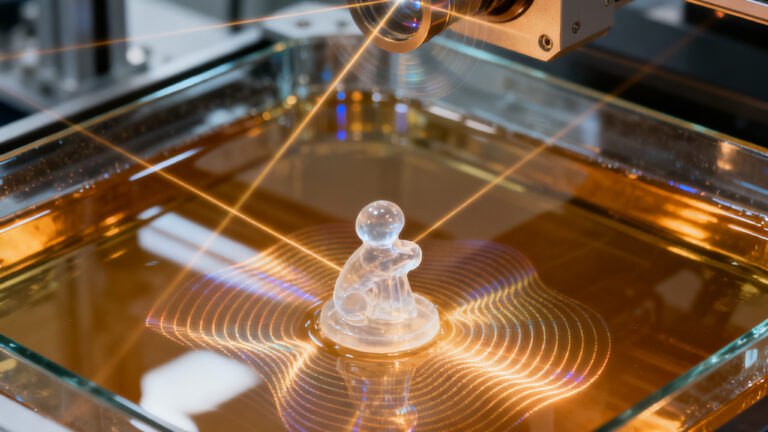
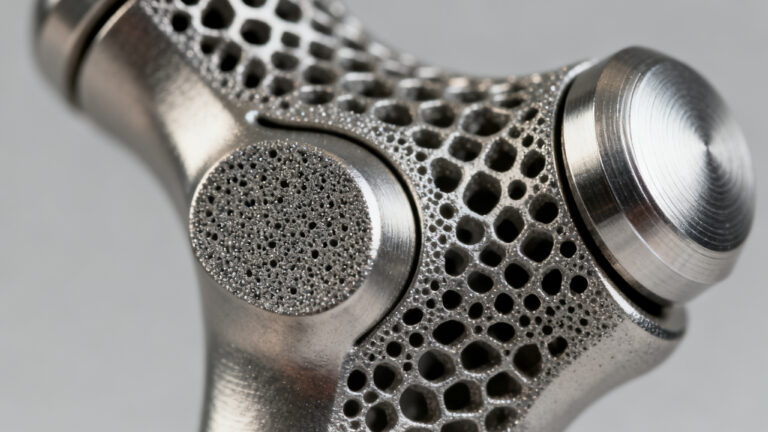
Amnovis acquires Westconn and opens a production unit in Indiana mirroring its Belgian facility for 3D printing of orthopedic devices. By replicating the end-to-end process (design, additive manufacturing, certification) near Warsaw, the capital of US orthopedics, it ensures homogeneous quality and FDA compliance for the American market.
PrusaSlicer 3.0: does a redesigned engine change everything?

PrusaSlicer 3.0: does a redesigned engine change everything?

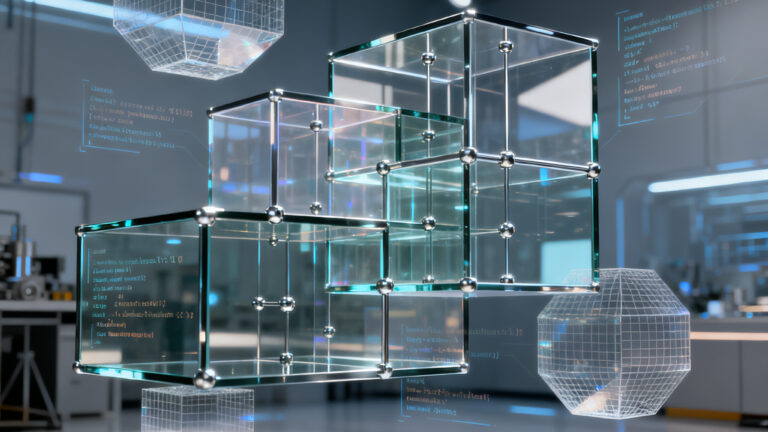
PrusaSlicer 3.0 introduces a deep rewrite of the code to reduce technical debt and improve maintenance and future updates. The release is expected in a few weeks. It does not bring immediate spectacular features, but a more solid software base for greater stability and more frequent releases.

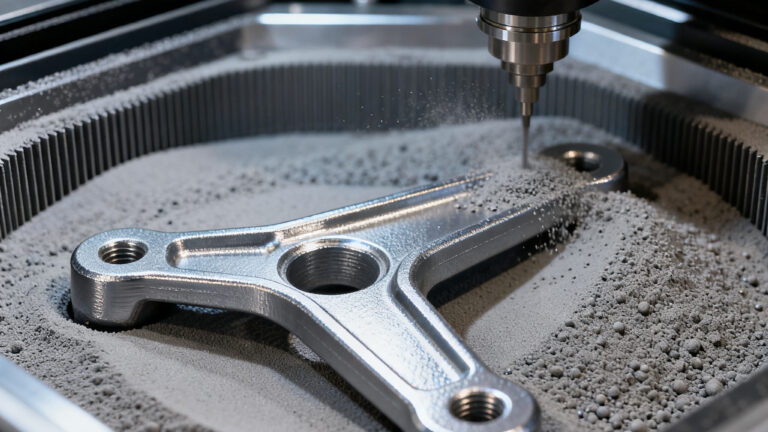
Can you really reuse metal powder?

Can you really reuse metal powder?

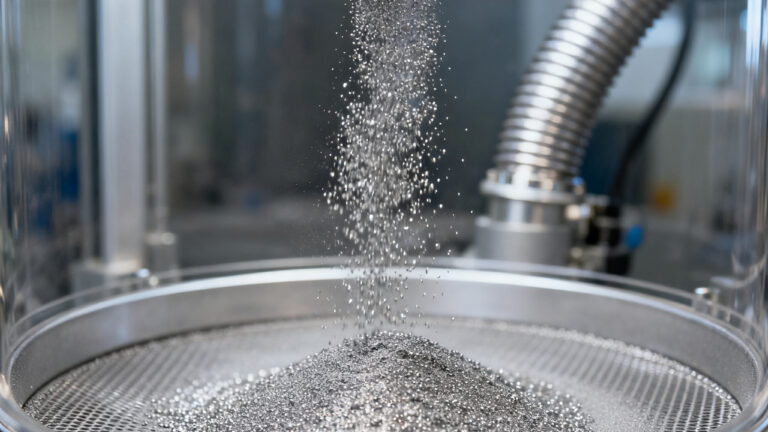
PowTReX automates the recovery of metal powder in additive manufacturing with closed cycles, ultrasonic screening, and safe transport. It guarantees quality, operator protection, and compatibility with major 3D printers.

3 suppliers, 1 benchmark: who wins?

3 suppliers, 1 benchmark: who wins?

Comparison between Craftcloud, Xometry and HP MJF Service for on-demand additive manufacturing. No absolute winner: the choice depends on volumes, delivery times, total costs and certifications. For small batches, outsourcing is more economical, while in-house production is only worthwhile above specific volume thresholds.

Can you really print on Mars?

Can you really print on Mars?

3D printing is the key to sustainability on Mars: regolith and titanium create resistant materials, atmospheric CO2 replaces argon, and in-situ production eliminates dependence on Earth. Earth-based tests are already validating the technology for future human missions.

Can you really create without knowing design?

Can you really create without knowing design?

AI Text-to-STL tools are revolutionizing 3D printing by eliminating the need for CAD skills. Anyone can create custom objects, opening up entrepreneurial scenarios for makers and micro-entrepreneurs. Large companies are integrating AI into their design ecosystems.

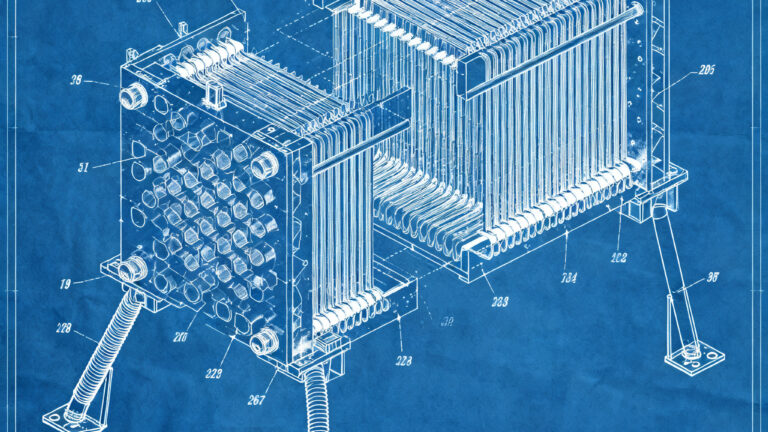
3 patents, 1 thermal revolution

3 patents, 1 thermal revolution

3D printing is revolutionizing heat exchangers with previously impossible geometries. Two patents show removable intelligent supports and interwoven 3D structures to manage more fluids. Benefits: greater efficiency, reduced costs, smaller footprints. Expected adoption in 2-5 years in aerospace and automotive.

Ti-6Al-4V in the field: here's how to cut costs by 30%

Ti-6Al-4V in the field: here's how to cut costs by 30%

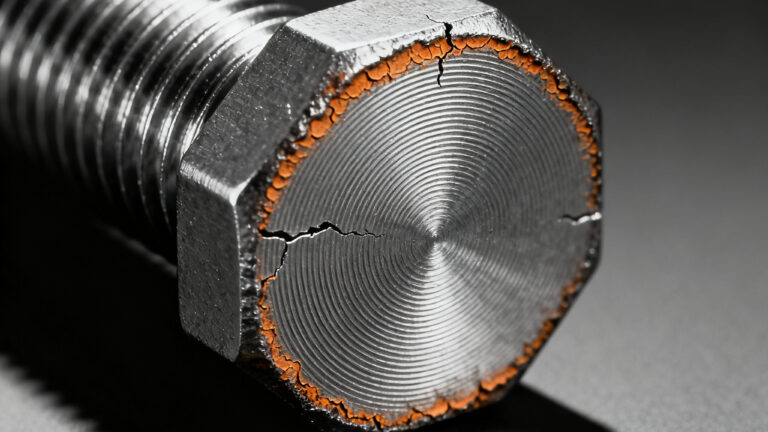
Additive manufacturing of Ti-6Al-4V reduces costs by up to 30% by optimizing design and minimizing supports and waste. It requires proven parameters and atmospheric control, but offers superior performance to steel for critical applications with high strength-to-weight ratio.

Tailor-made defense: how additive manufacturing is reinventing the production chain

Tailor-made defense: how additive manufacturing is reinventing the production chain

Additive manufacturing becomes strategic for defense: having surpassed the experimental phase, 3D printing produces critical components reducing times by 80%. Million-dollar programs, new tungsten alloys, and growth beyond 20% in 2026.

Can you really automate custom prosthetics?

Can you really automate custom prosthetics?

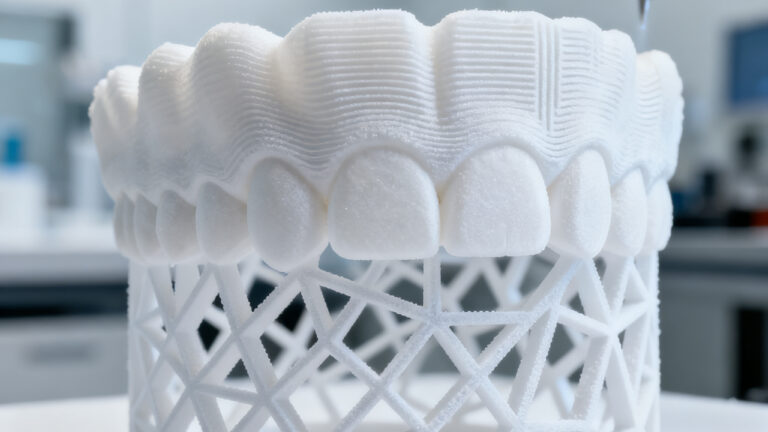
Automation in custom prosthetics is now a necessity. Integrating design, production, and support removal with end-to-end digital workflows guarantees scalability, repeatable quality, and regulatory traceability, from dental labs to complex hip prostheses.

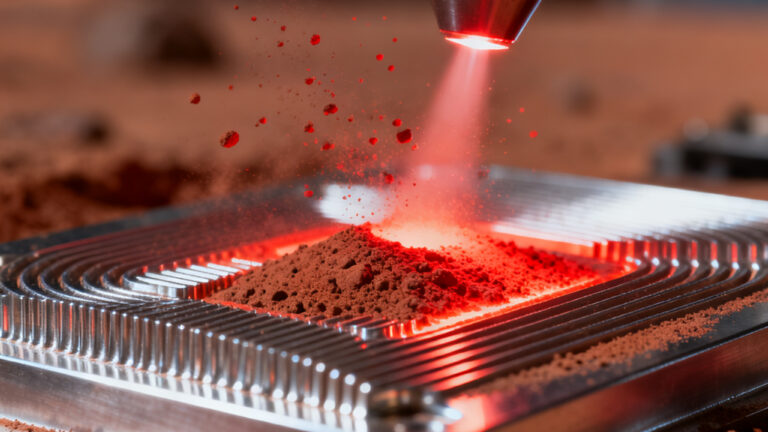
Cold Spray: metals without fusion?

Cold Spray: metals without fusion?

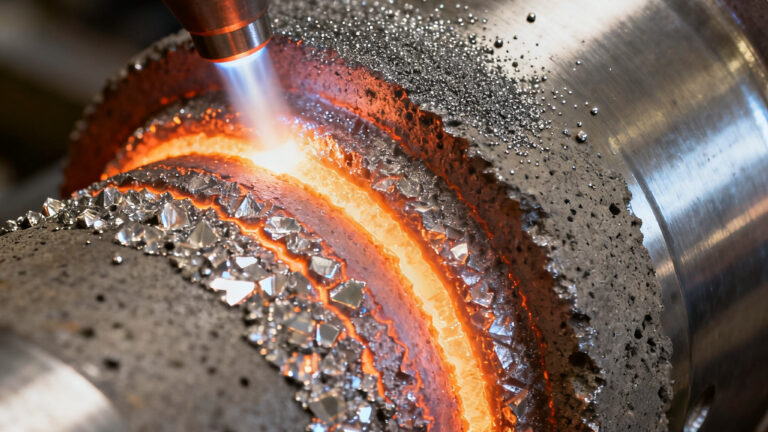
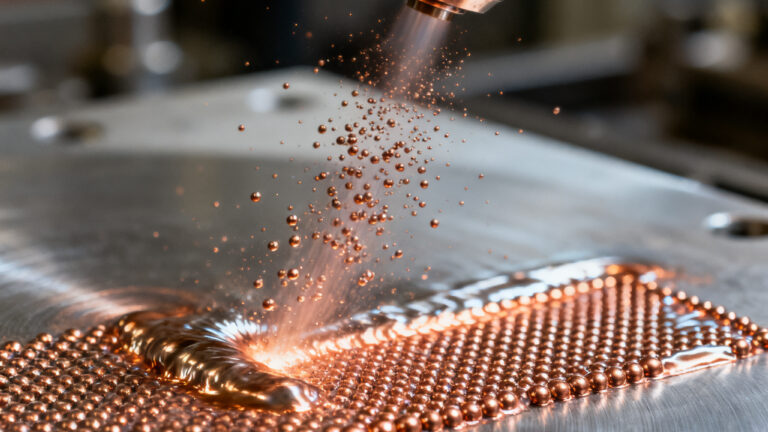
Cold Spray deposits metals at supersonic speeds without melting, preserving the material's properties. Ideal for repairs and complex components in aerospace, energy, and industry.

DISH 3D print without layers?

DISH 3D print without layers?

Tsinghua University's DISH technology revolutionizes volumetric 3D printing by eliminating layering. It uses holographic light fields and wave optics to print millimeter objects in 0.6 seconds with a uniform resolution of 19 μm over 1 cm of depth. Ideal for biomedicine and microfluidics.

/