Category: Manufacturing

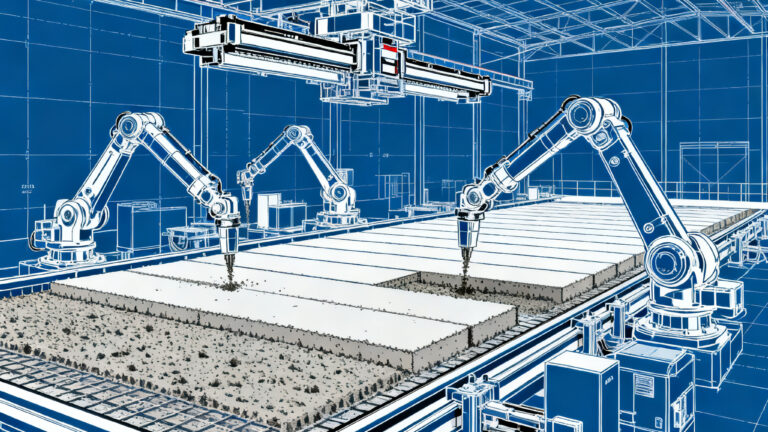
Does the factory of the future build with 3D concrete?

Does the factory of the future build with 3D concrete?

Forge I, a new factory in the United Kingdom, produces structural concrete elements via large-scale 3D printing. The project, led by Hyperion Robotics and LKAB Minerals, represents a paradigm shift towards the industrial production of complex building components, with benefits in terms of efficiency, quality control, waste reduction, and lower environmental impact. The factory is expected to
20% savings with the right supply chain?

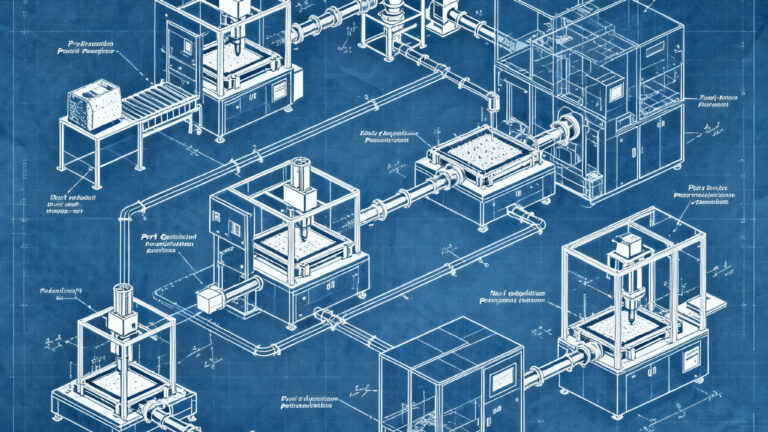
20% savings with the right supply chain?

The integrated supply chain in the metal 3D printing sector represents a key competitive advantage, with a focus on end-to-end support, traceability, and certified quality. Technology alone is not enough: reliable partners are needed to reduce costs and lead times, improving efficiency and production resilience.

Can AI read defects in LPBF metal?

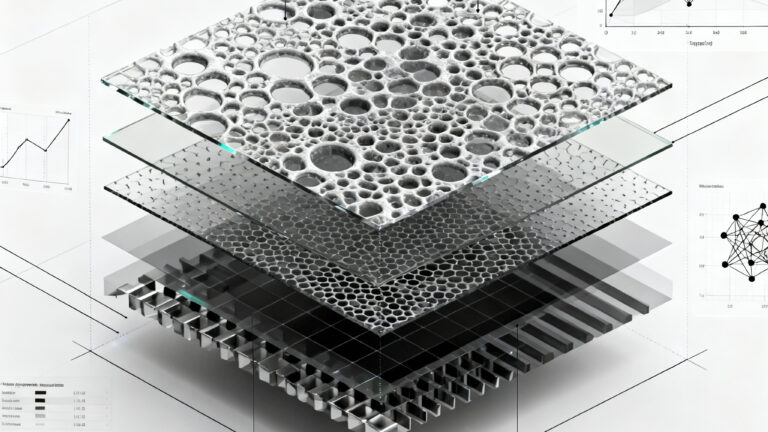
Can AI read defects in LPBF metal?

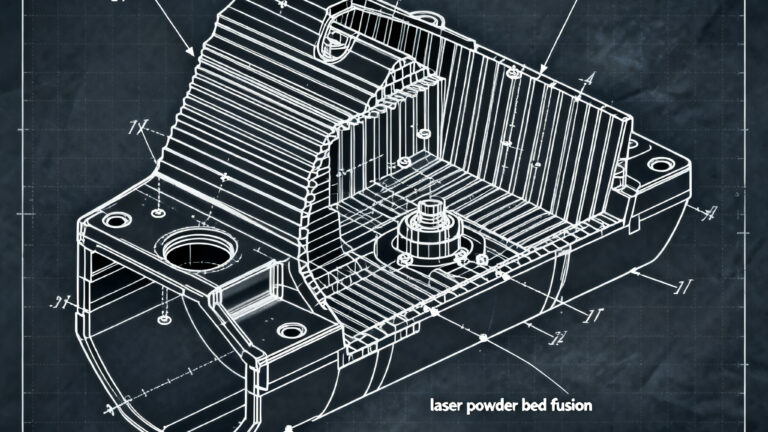
An artificial intelligence model developed by KIMS and Max Planck Institute predicts the mechanical properties of metal components produced with LPBF, analyzing pore morphology without destructive testing.

90% uptime? The truth about industrial 3D printers

90% uptime? The truth about industrial 3D printers

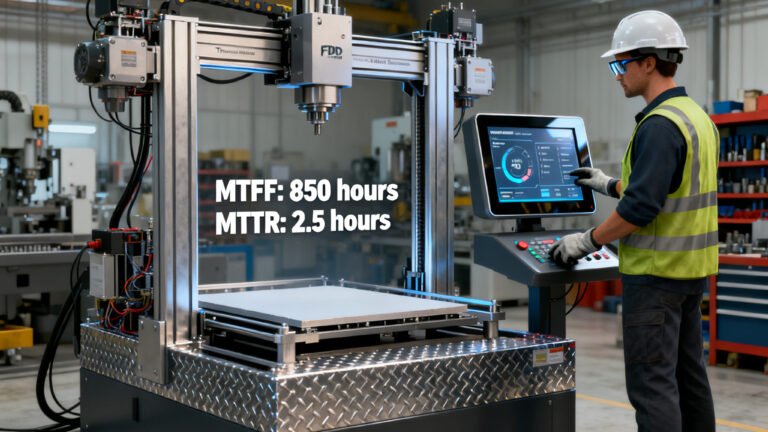
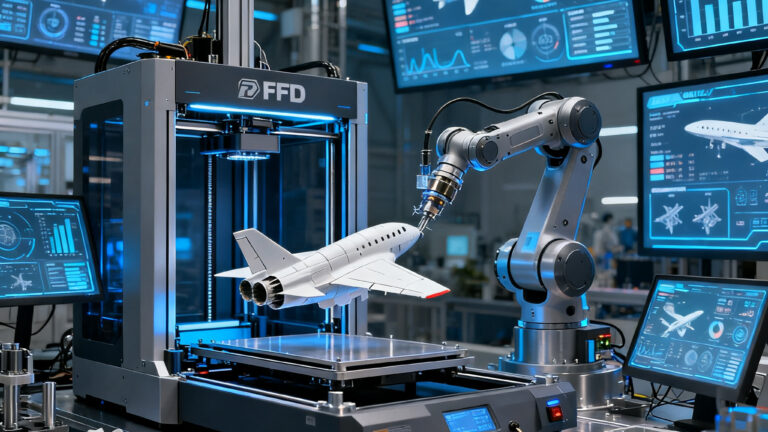
The real uptime of industrial 3D printers exceeds 90%, with less than 73 hours of annual downtime. Metrics such as MTBF and MTTR are essential for evaluating reliability. The difference between hobby and industry lies in construction details: robust frames, mechanical auto-leveling, and automation reduce dead times. The main causes of downtime are thermal instability, mechanical wear, and human errors.

Does laser cladding beat hard chrome plating?

Does laser cladding beat hard chrome plating?

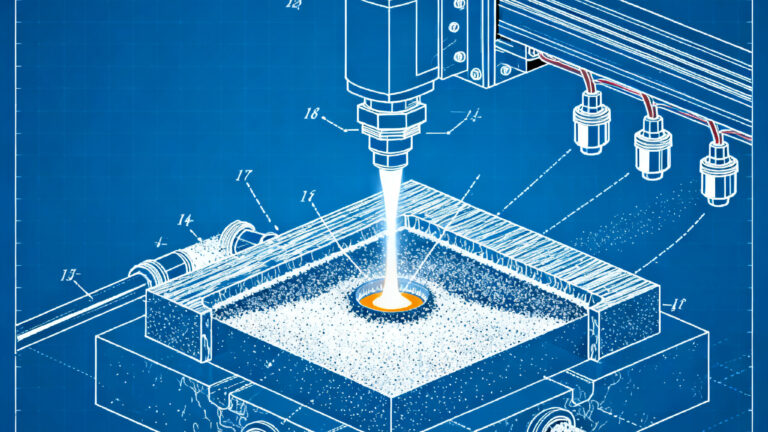
Laser cladding offers an innovative and sustainable solution against corrosion, overcoming the limits of hard chrome plating. This technology deposits resistant alloys directly onto surfaces, without toxic substances such as hexavalent chromium, ensuring a strong metallurgical bond and precise control of the layer. Compared to chrome plating, it reduces the CO₂ footprint by up to 12 times and perme

Fragile Chains: The Hidden Cost of Globalization?

Fragile Chains: The Hidden Cost of Globalization?

The fragility of global supply chains puts the world economy at risk. Distance, logistics, and geopolitical volatility generate hidden costs. Local production and additive manufacturing are emerging as solutions to reduce risks and response times. Traditional metrics are not enough: a new approach based on resilience is needed.

How to print 1000°C of competitive advantage?

How to print 1000°C of competitive advantage?

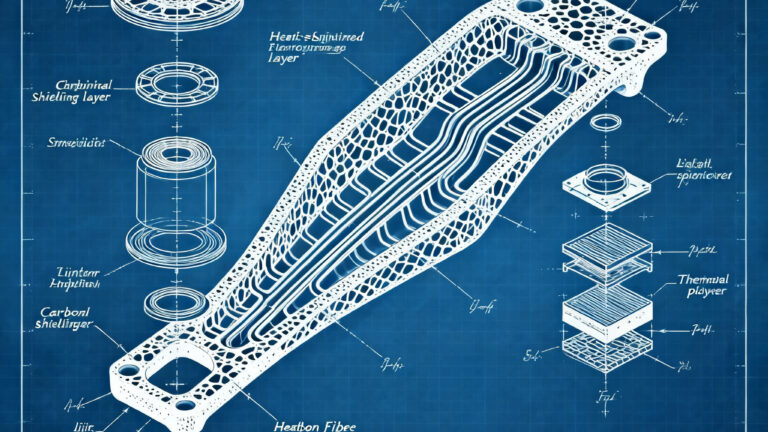
Additive manufacturing offers competitive advantages in automotive and motorsport, reducing development times and optimizing components. Technologies like SLS, binder jetting, and PBF allow on-demand production, weight reduction, and greater strength. Practical cases demonstrate the effective integration of 3D printing without disrupting existing production lines.

Scrap steel becomes a structure? Here's how

Scrap steel becomes a structure? Here's how

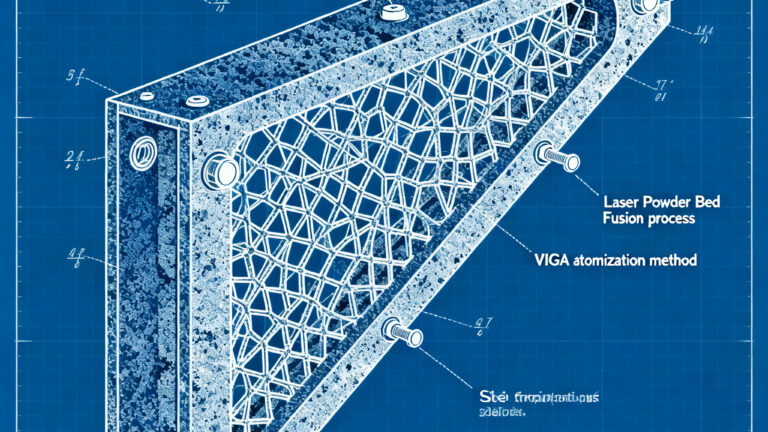
The German project AddMamBa transforms scrap steel into structural components for construction via 3D printing, reducing emissions and waste. Through the atomization of metal scraps into powder suitable for laser melting, brackets and connectors are obtained with performance similar to traditional components, but with lower environmental impact. The approach includes chemical control, optimization

Does the US Navy 3D print spare parts? Here's how

Does the US Navy 3D print spare parts? Here's how

The US Navy introduces a “material maturity” framework to certify 3D printed materials, reducing logistics lead times by 70% and integrating additive parts into the supply chain without compromising safety or reliability.

AI in Process Control: How Not to Mess Up the Implementation

AI in Process Control: How Not to Mess Up the Implementation

The implementation of AI in production process control requires a systemic approach that goes beyond the optimization of individual machines. To achieve significant results in additive manufacturing, it is necessary to integrate data, automation, and open standards throughout the entire production cycle. Only then can AI become the “digital nervous system” of the factory, ensuring quality,

Perpetua or subscription? Choose the right model for your print farm

Perpetua or subscription? Choose the right model for your print farm

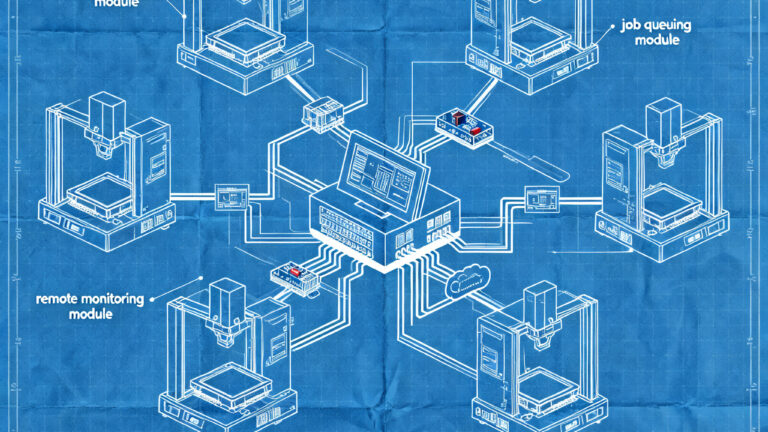
The choice between a perpetual license and a subscription for desktop print farms impacts costs, flexibility, and growth. A perpetual license is cost-effective for those with defined budgets and stable expansion plans, while a subscription offers flexibility and continuous access to advanced features. Solutions like AutoFarm3D Lite and Prusa Connect represent the two models, with different advantages depending on the es

Why are additive manufacturing giants focusing on vertical niches?

Why are additive manufacturing giants focusing on vertical niches?

The additive manufacturing sector is consolidating on vertical niches such as aerospace, medical, and foundry, abandoning the logic of horizontal coverage. The companies that survive focus on specialization, integration into client workflows, and reliable solutions, not just innovation. Success now depends on the ability to generate concrete economies and ensure uptime and repeatability.

/