Tecnologia: SLS

How does stiffness arise in flexible 3D structures?

How does stiffness arise in flexible 3D structures?

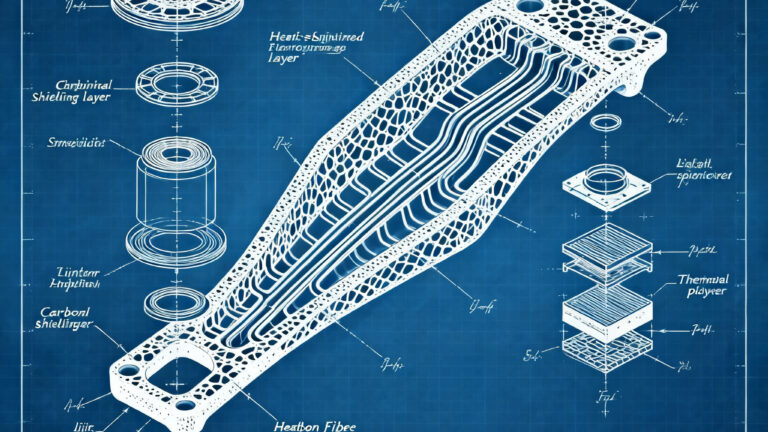
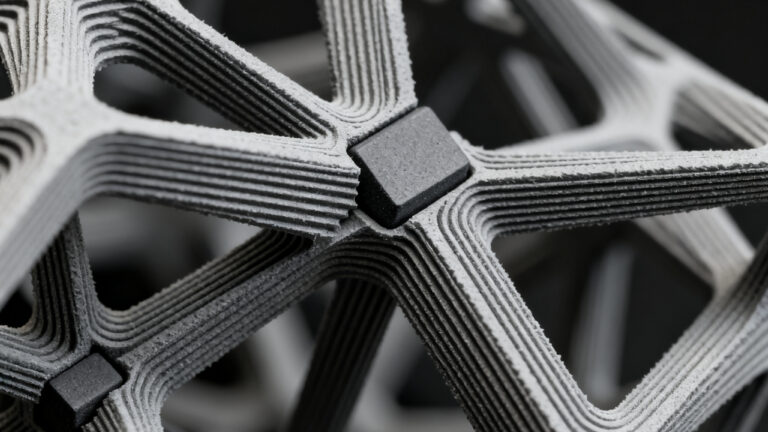
Flexible 3D structures that become rigid: variable geometries, asymmetric struts, and central limiting structures allow for the controlled transition from flexibility to rigidity, optimizable with 3D printing and composite materials.
3D RF Components: Less Weight, More Power?

3D RF Components: Less Weight, More Power?

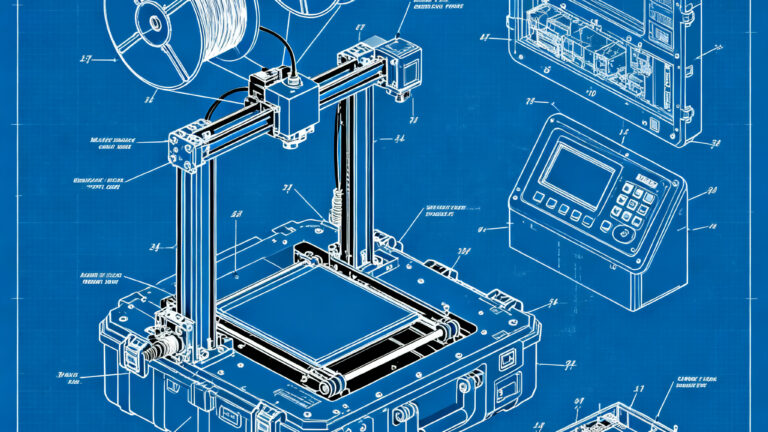
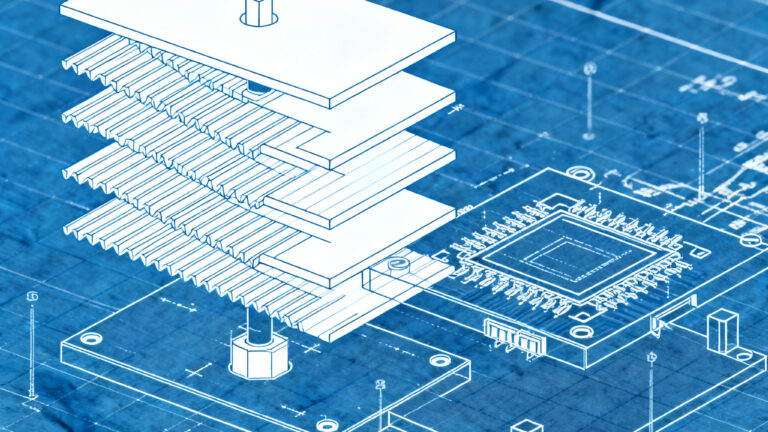
3D printing is revolutionizing the production of RF components, enabling lighter antennas and integrated EMI shielding in electronic packages. Additive technologies improve efficiency, customization, and reduce weight, while posing challenges regarding materials and repeatability.

MJF/SLS post-processing: 3 tricks for small labs?

MJF/SLS post-processing: 3 tricks for small labs?

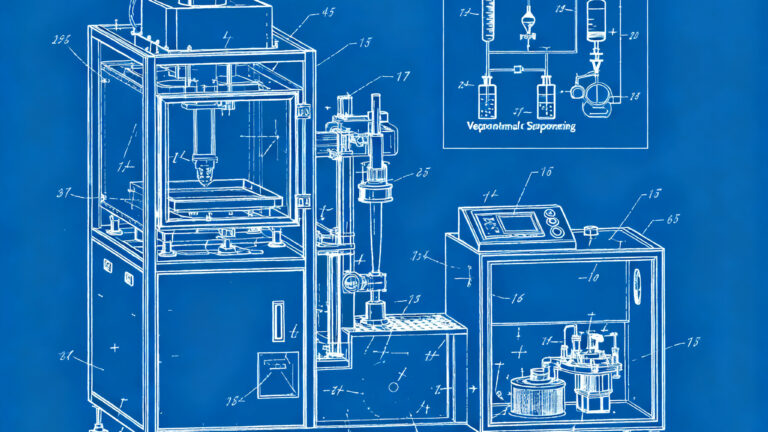
New automated systems like DyeMansion's Powershot and AMT's PostPro solutions make MJF/SLS post-processing accessible to small labs, reducing costs and processing times.

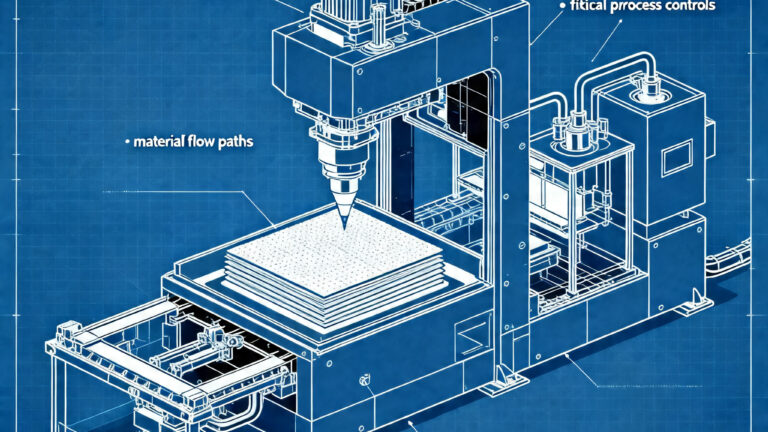
3 hours, not 3 days: how to really optimize production?

3 hours, not 3 days: how to really optimize production?

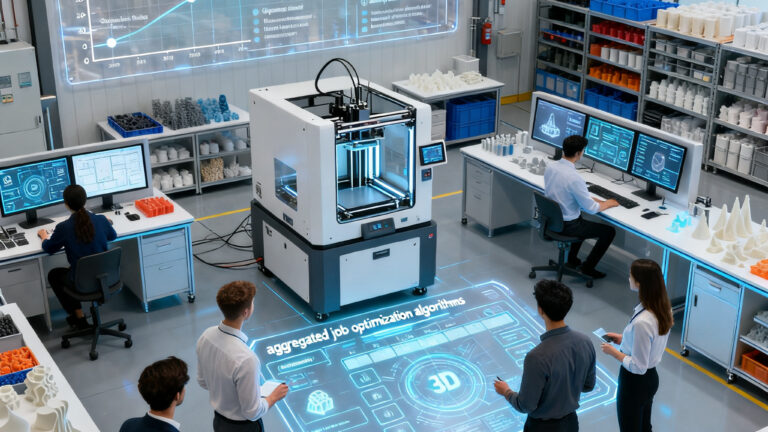
Optimizing additive production requires a holistic vision that includes not only print time, but also preparation phases, order aggregation, and post-processing. Often overlooked, these latter stages represent the true bottlenecks. To improve efficiency and reduce delivery times from 3 days to 3 hours, it is essential to integrate the entire production flow into a system

How does the army print in mission?

How does the army print in mission?

Additive production is revolutionizing military logistics, reducing supply times and costs. The Camp Lejeune model shows how targeted training and technological integration allow for the printing of critical parts in the field, saving up to 99.81% compared to traditional methods.

How to print 1000°C of competitive advantage?

How to print 1000°C of competitive advantage?

Additive manufacturing offers competitive advantages in automotive and motorsport, reducing development times and optimizing components. Technologies like SLS, binder jetting, and PBF allow on-demand production, weight reduction, and greater strength. Practical cases demonstrate the effective integration of 3D printing without disrupting existing production lines.

Sensors that sense without electronics?

Sensors that sense without electronics?

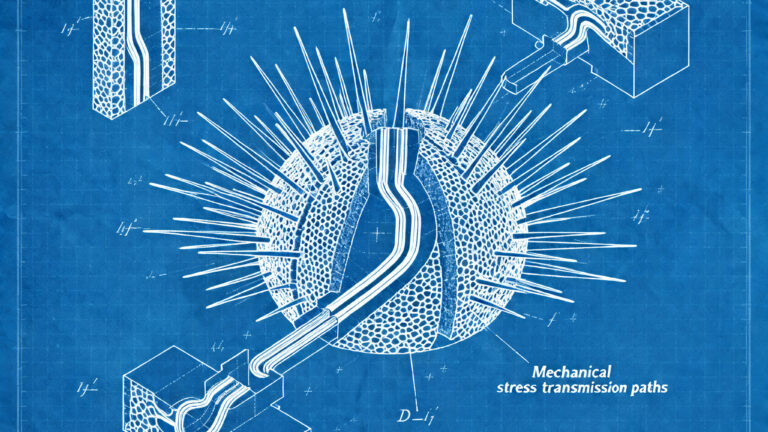
Bio-inspired soft sensors represent an engineering revolution: the material structure itself becomes the true sensor, generating electrical signals without electronic components. Thanks to porous and anisotropic microarchitectures, these smart materials convert mechanical stimuli into electrical responses by leveraging natural physical phenomena, such as streaming potential. Studies inspired by the spines

Why do 8 out of 10 additive startups fail?

Why do 8 out of 10 additive startups fail?

Many additive startups fail because they focus on technology without building a sustainable business. A solid economic model, paying customers, and strategic patience are needed.

AM in production? Only if you know what to stop

AM in production? Only if you know what to stop

Additive Manufacturing (AM) succeeds in production only when applied to specific cases with high functional requirements, not to replace traditional methods, but to solve needs that these cannot satisfy. Success depends on consolidated designs, controlled materials, fixed parameters, and disciplined post-processing. Sectors such as aerospace, medical, and tooling exploit the

Metrology in 3D Scanning: How Integrated Processing Works and Its Industrial Applications

Metrology in 3D Scanning: How Integrated Processing Works and Its Industrial Applications

Integrated metrology in 3D scanners enables real-time quality control, reducing time and costs. Thanks to advanced sensors, geometric algorithms, and connectivity, these systems process dimensional data directly during scanning, integrating with metrology platforms and production processes. Despite some technological limitations, they represent a breakthrough for high-

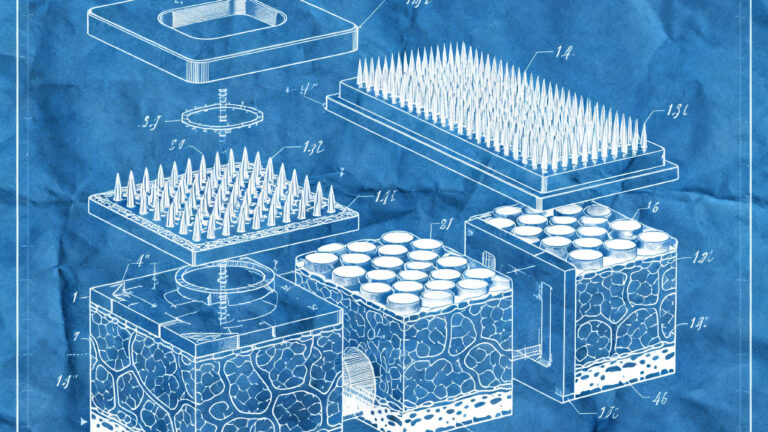
3D Micropile for Immunotherapy? Here's How It Works

3D Micropile for Immunotherapy? Here's How It Works

3D microneedles based on polysaccharides represent a new frontier for cancer immunotherapy. These biodegradable structures penetrate the skin to release drugs directly into the tumor microenvironment, reducing side effects and increasing therapeutic efficacy. Thanks to 3D printing, it is possible to customize their shape and composition for targeted and controlled release. I

High-temperature ceramics: which AM process to choose?

High-temperature ceramics: which AM process to choose?

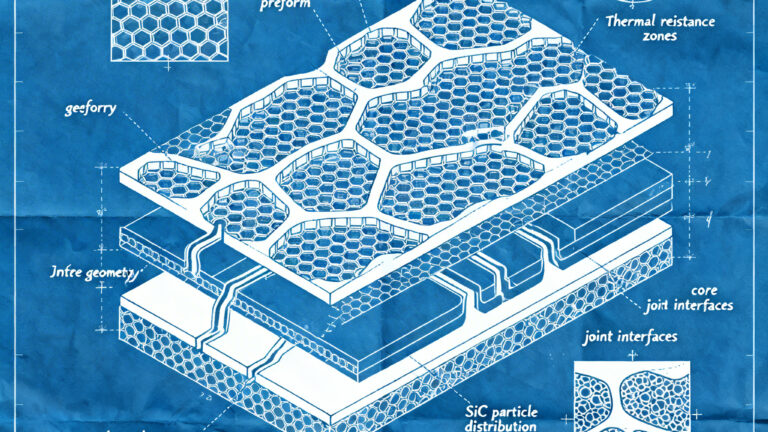
Additive manufacturing of high-temperature resistant ceramics requires careful selection of the process: melt-infiltration, CVI, or PIP, each with advantages and limitations in terms of cost, speed, and complexity. Cellular structures reduce weight and material but can compromise structural integrity. Advanced materials such as SiC and multi-oxide composites offer high performance but at

/