Latest additive manufacturing news

Additive manufacturing in APAC: from laboratory to production line?

Additive manufacturing in APAC: from laboratory to production line?

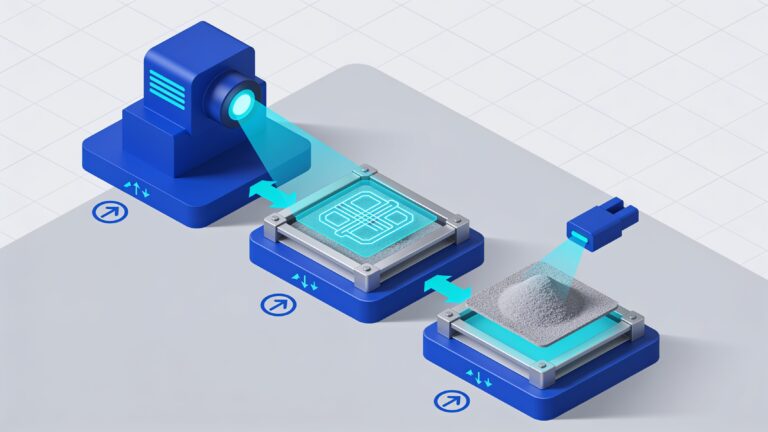
Additive manufacturing in the APAC region is now a production infrastructure. TCT Asia 2026 confirms the overcoming of the experimental phase: the market competes on reliable workflows, industrial integration, and operational costs, shifting the focus from prototyping to mass production.

Washable in water does not mean safe: here's why

Washable in water does not mean safe: here's why

Water-washable resins for 3D printing are neither safe nor eco-friendly. The wash water becomes contaminated with unpolymerized toxic resin and must be disposed of as hazardous waste. Do not pour down the sink. Always use gloves and protective gear: convenience does not eliminate health and environmental risks.

80 hours of therapy in 10 hours of production?

80 hours of therapy in 10 hours of production?

SLS 3D printing in Nylon 12 produces custom pediatric prostheses in 8-10 hours. The Pedi-Knee prototype weighs 240g with 0-120° flexion. Rapid workflow and clinical-industrial partnerships allow devices to be adapted to a child's growth with frequent iterations and sustainable costs.

Custom 3D in series: how to do it without failing?

Custom 3D in series: how to do it without failing?

To customize wearable devices in series, four pillars are needed: modular architecture, AI and biometric scans for ergonomic variants, hybrid production processes, and end-to-end digital integration. Missing one and the system collapses.

How does stiffness arise in flexible 3D structures?

How does stiffness arise in flexible 3D structures?

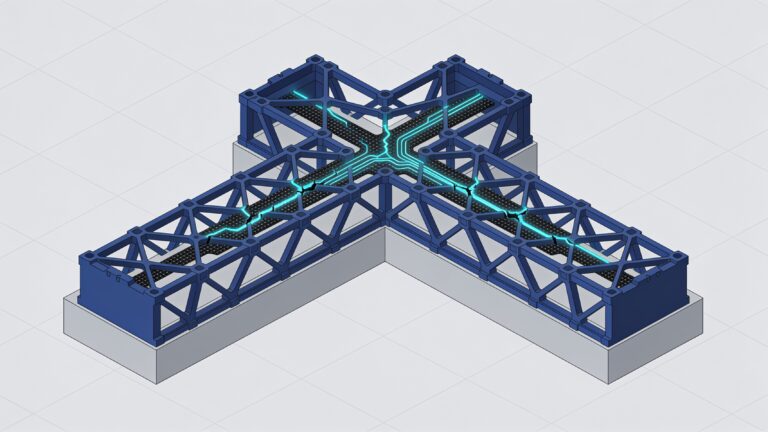
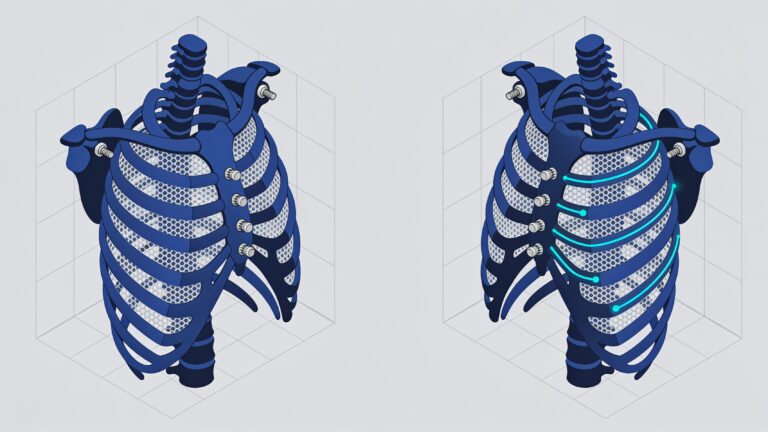
Flexible 3D structures that become rigid: variable geometries, asymmetric struts, and central limiting structures allow for the controlled transition from flexibility to rigidity, optimizable with 3D printing and composite materials.

How is a color created in Bambu Studio 2.5.3?

How is a color created in Bambu Studio 2.5.3?

Bambu Studio 2.5.3 introduces Color Mixing: create custom shades by combining 2-3 filaments of the same type. Thanks to a software-controlled optical effect, it generates uniform colors or gradients without purchasing new spools. Requires compatible and translucent materials for optimal results.

3D printers at school? Not enough: here's the real plan

3D printers at school? Not enough: here's the real plan

Equipping schools with 3D printers is not enough: a structured educational plan oriented towards professional objectives is needed. Programs must integrate practical skills, critical thinking, and knowledge of materials to train professionals capable of choosing and applying technology with awareness.

Critical bugs fixed: OrcaSlicer and Marlin are now more reliable

Critical bugs fixed: OrcaSlicer and Marlin are now more reliable

OrcaSlicer v2.3.2 and Marlin 2.1.3-b3 resolve critical bugs: no more crashes in multi-material slicing, 3MF vulnerabilities closed, and native support for FLY boards and GD32 processors. Essential updates for stability, security, and modern hardware.

300 km of cables in 48h?

300 km of cables in 48h?

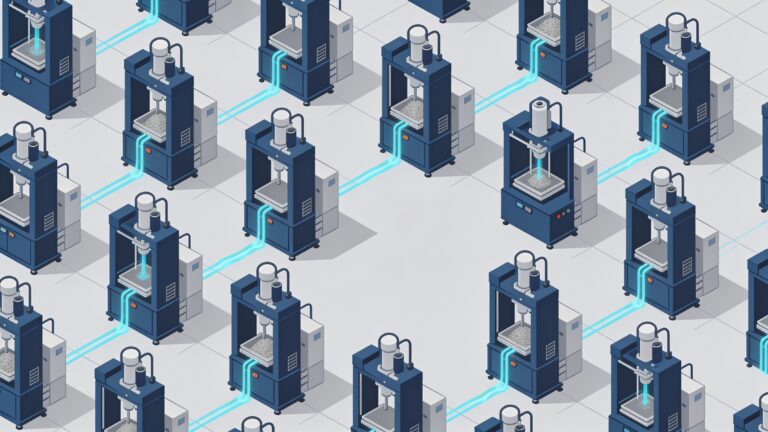
Data centers and chip factories are driving industrial-scale infrastructure investments. 3D printing, custom materials, and integrated logistics reduce times and costs. However, scaling requires mature digital ecosystems and resilient supply chains.

Who dominates Metal AM in 2026?

Who dominates Metal AM in 2026?

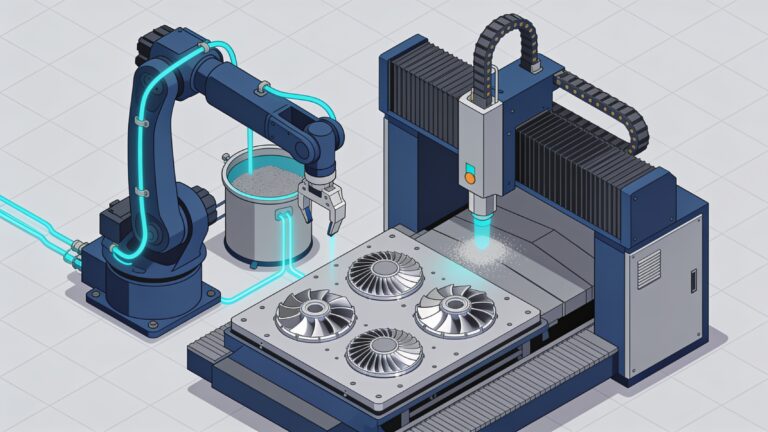
The Metal AM market in 2026 exceeds 6 billion with a decisive turning point: for the first time, data include defense and maritime, revealing hidden dynamics. Solid growth, a data-driven approach based on real data, and consolidation towards specialized applications will guide winning strategies.

Cooling by half a millimeter?

Cooling by half a millimeter?

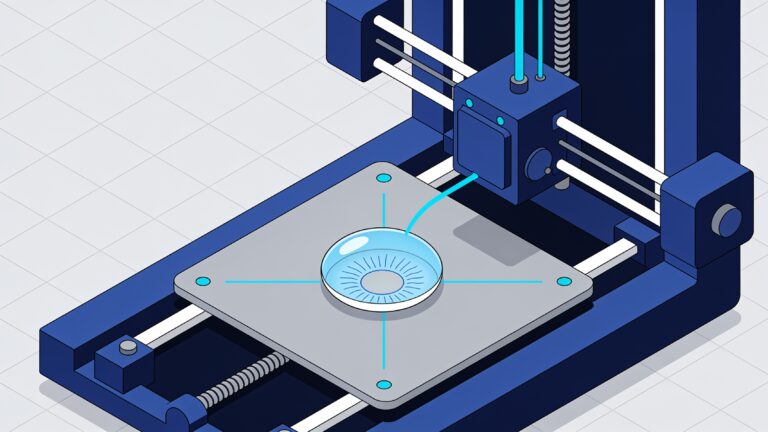
A photopolymerizable ceramic slurry formulation enables 3D printing of components with cooling channels down to 0.2 mm. DLP technology overcomes the limits of traditional bonding, opening new perspectives for wafers, micro-coolers, and laser mirrors. Scalability and material stability remain to be verified.

AI and Digital Twin: the future of smart recycling?

AI and Digital Twin: the future of smart recycling?

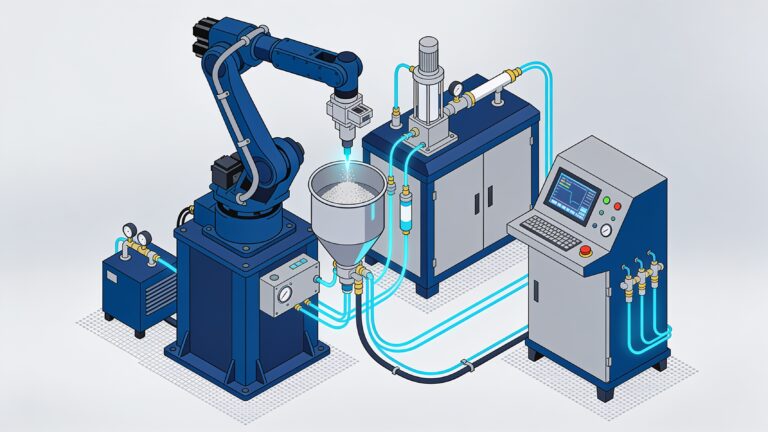
Fraunhofer IAPT combines AI and Digital Twin for intelligent recycling in 3D printing. The closed-loop system manages the variability of recycled polymers in real time, reduces waste, and builds a shared technical memory for sustainable and predictive production processes.

/