Latest additive manufacturing news

The smart skin that protects robots in space?

The smart skin that protects robots in space?

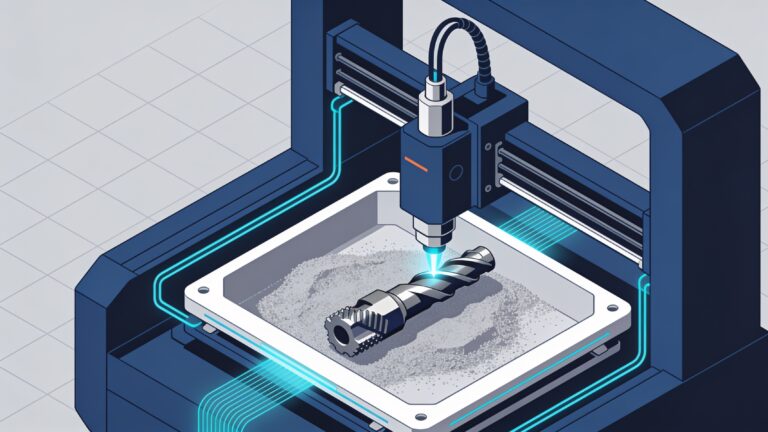
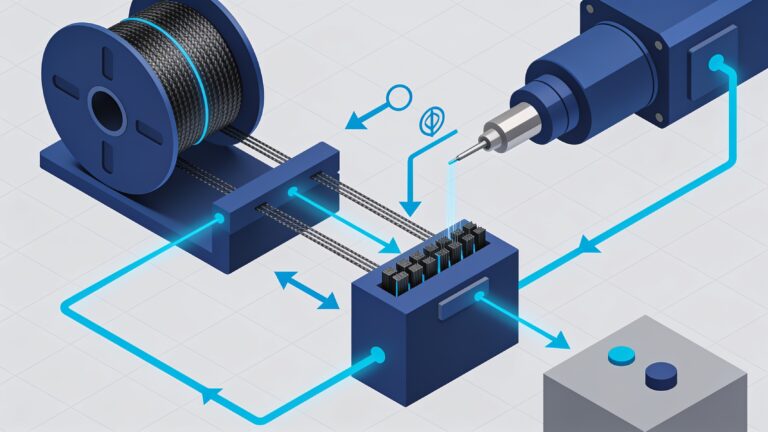
ESA is developing Smart Skin, an intelligent 3D-printed skin for space robotic arms. The flexible coating integrates thermal protection, sensors, and wiring for lunar and Martian missions, overcoming the limits of traditional insulation.

Metrology without technological boundaries?

Metrology without technological boundaries?

Industrial metrology requires flexibility. Discover how universal software platforms overcome rigidity and inefficiencies, integrating every measuring device to maximize precision and productivity. A practical guide to choosing the ideal solution.

3 moves that are revolutionizing industrial AM

3 moves that are revolutionizing industrial AM

Metals and ceramics in industrial 3D printing are complementary, not alternative. The competitive advantage comes from structured workflows, replicable case studies, and targeted training. To scale, standardized processes and a clear integration plan are needed.

30€ and 2 days: here's how I built my tool changer

30€ and 2 days: here's how I built my tool changer

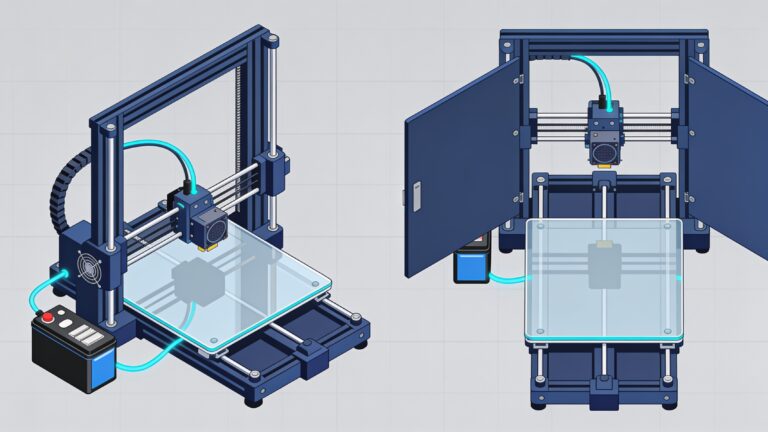
Practical guide to building a tool changer system for 3D printers with less than €30 and a weekend of work. Discover which components to buy, what to print, the critical tolerances to respect, and common errors to avoid to build a functional DIY tool changer.

Mobile production in containers? Here's how to scale it

Mobile production in containers? Here's how to scale it

Containerized production combines additive and subtractive technologies in ruggedized containers for remote and defensive contexts. Cases like Farsoon-Addimax and Snowbird-Meltio demonstrate flexibility, autonomy, and reduced dependence on the supply chain, with local support and standard materials.

3D printed shoes? Here's who's already making money from them

3D printed shoes? Here's who's already making money from them

In 2026, 3D shoes become industrial reality: Zellerfeld, PollyFab and others offer production platforms, AI design and dedicated materials. From custom footwear to orthopedic soles, the industry abandons experimentation for scalable models and digital customization.

30 printers, 1 historic environment: how they did it

30 printers, 1 historic environment: how they did it

The Saint Louis Art Museum replicated a section of the Trajan's Column with 30 desktop 3D printers. A modular workflow of modeling, printing, and assembly created a full-scale tactile replica, demonstrating that distributed desktop production is scalable for cultural heritage.

Binder jetting in production? Here's how to scale it

Binder jetting in production? Here's how to scale it

Binder jetting is entering industrial production, but scalability depends on nozzle control, material management (including ceramic slurries) and integration into workflows. To be a solid production asset, a rigorous roadmap is needed that includes electronics, software and maintenance.

Thus I digitized an industrial piece

Thus I digitized an industrial piece

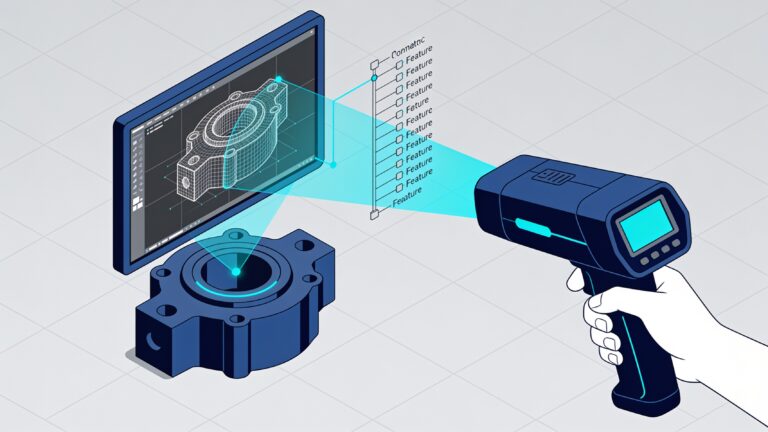
Digitizing industrial components for 3D printing in a few hours is possible with real-time visual feedback scanners, automatic mesh cleaning, and parameters aligned with the printer. A method that reduces errors, iterations, and the learning curve.

3 tools that cut setup times by up to 70%

3 tools that cut setup times by up to 70%

Three solutions to optimize print farms: SimplyPrint, AutoFarm3D, and 3D Print Manager. Reduce setup times by up to 70% with centralized queues, multi-start, automatic monitoring, and integrated material and cost management.

Functional 3D fidget toys? Here's how to make them properly

Functional 3D fidget toys? Here's how to make them properly

Guide to creating functional 3D fidget toys: choose tested models, use print-in-place and snap-fit with tolerances of 0.2-0.3 mm, and suitable materials: PLA for rigid clickers, PETG for stress, and TPU for soft grips. Calibrate the printer for durable results.

Refactoring without breaking changes? Here's how to verify it

Refactoring without breaking changes? Here's how to verify it

Refactoring 3D models without breaks: verify hierarchical constraints, test dependencies, and validate the STL. A three-level system to maintain parametricity and integrity before production.

/