Materiale: Metals

Implementing the Digital Thread in Additive Manufacturing: An Operational Playbook for Multi-CAD Integration

Implementing the Digital Thread in Additive Manufacturing: An Operational Playbook for Multi-CAD Integration

Implementing the digital thread in additive manufacturing is now an operational necessity, no longer a futuristic vision. Multi-CAD integration requires reliable solutions to overcome interoperability barriers, ensure traceability, and maintain data consistency throughout the entire production cycle. Case studies and best practices show how middleware, clear governance, and hybrid toolchains can

Designing “Lights-Out” Factories: The Software Architecture That Makes the Difference

Designing “Lights-Out” Factories: The Software Architecture That Makes the Difference

Designing lights-out factories requires an advanced software architecture that integrates machines, data, and processes in real time. Software-defined automation makes it possible to overcome the limitations of proprietary solutions, ensuring interoperability, security, and scalability. Only in this way can artificial intelligence be fully leveraged to optimize production and maintain control of the p

Superelastic Metamaterials: How the Combination of Reticulated Structures and NiTi Works for Advanced Mechanical Properties

Superelastic Metamaterials: How the Combination of Reticulated Structures and NiTi Works for Advanced Mechanical Properties

Researchers have developed superelastic metamaterials in Nitinol with interwoven 3D-printed structures, combining superelasticity and lattice architectures to achieve advanced mechanical properties without altering the chemical composition. These materials, which behave more like fabrics than metals, open new possibilities for biomedical implants, protective devices, and stru

Defensive Supply Chains: How Additive Manufacturing is Redesigning Operational Resilience

Defensive Supply Chains: How Additive Manufacturing is Redesigning Operational Resilience

The war in Iran has pushed the defense sector to rethink supply chains, focusing on additive manufacturing for greater flexibility and resilience. Advanced technologies and partnerships between government and startups enable the production of critical components in record time, reducing dependence on foreign suppliers. Examples like Ursa Major and the Draper engine show how it is possible

Additive Manufacturing: How Market Consolidation Redesigns Financial Strategy in the Sector

Additive Manufacturing: How Market Consolidation Redesigns Financial Strategy in the Sector

The additive manufacturing sector is experiencing a shift: from growth based on volumes to a strategy focused on margins, vertical specialization, and operational optimization. Companies like Materialise demonstrate how consolidation and attention to profitability, rather than expansion, can guarantee positive cash flows and solid financial positions, even

Accessible LPBF: How Startups Can Produce Metal Without Costs from Industry

Accessible LPBF: How Startups Can Produce Metal Without Costs from Industry

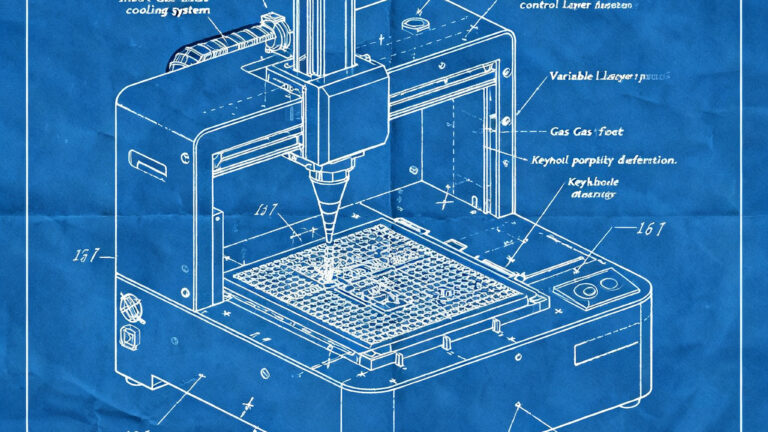
New entry-level LPBF systems, such as Metal-Base, make metal 3D printing accessible to startups and labs with costs under €10,000, thanks to innovative technologies, compact design, and open-source software.

How the PowTReX System Works for Advanced Management of Metal Powders

How the PowTReX System Works for Advanced Management of Metal Powders

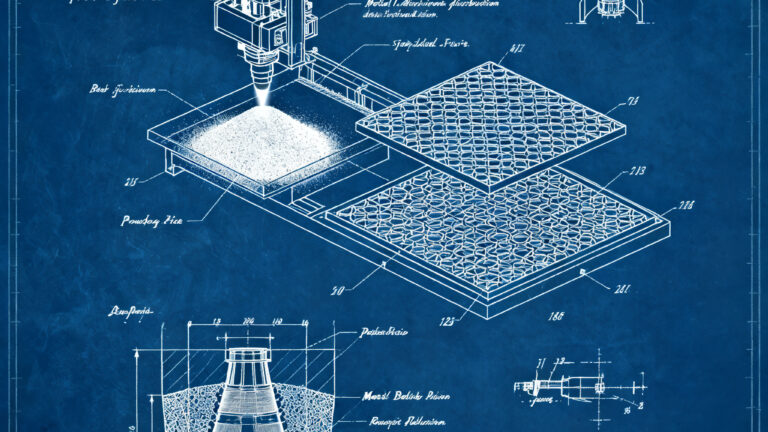
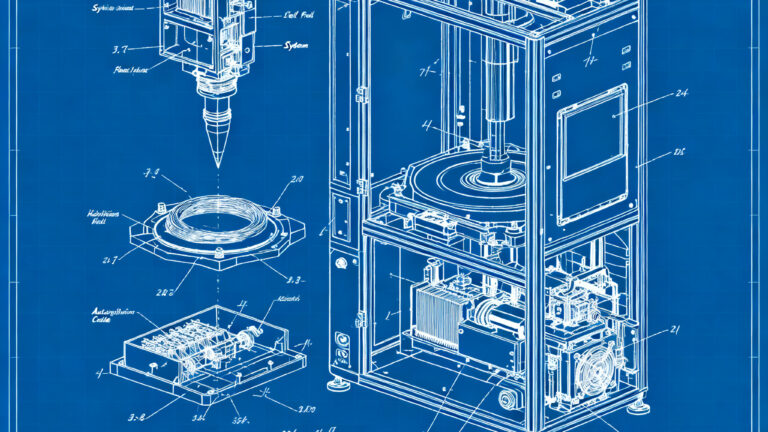
The PowTReX by Volkmann is an advanced system for the automated management of metal powders in additive production. It integrates pneumatic transport, ultrasonic sieving, and automatic recovery in a closed, explosion-proof environment, ensuring safety, material quality, and production continuity. Ideal for scalable industrial contexts and multi-supplier environments, it supports various metal allo

Dust under control: how patents are redefining precision in additive manufacturing

Dust under control: how patents are redefining precision in additive manufacturing

The filed patents improve dust control in metal 3D printing, monitoring its characteristics and flow in real-time to adapt process parameters. This reduces waste, improves layer quality and increases repeatability, with positive impacts on costs and production times.

Press TCT 2026: new frontiers of industrial additive manufacturing

Press TCT 2026: new frontiers of industrial additive manufacturing

The TCT Awards 2026 highlight the growing role of additive manufacturing in strategic sectors such as aerospace, defense, and automotive, with projects that integrate optimized structures, advanced materials, and cross-sector collaborations.

Hybrid Metal-Polymer FDM Extrusion: How It Works and What Are Its Industrial Applications

Hybrid Metal-Polymer FDM Extrusion: How It Works and What Are Its Industrial Applications

Hybrid metal-polymer FDM extrusion allows printing parts with metallic properties using composite filaments, without complex post-processing. It combines ease of use and safety, reducing costs and production times. Ideal for rapid prototyping and production of complex metal components in sectors such as aerospace, automotive, and tooling.

Additive Manufacturing for Hypersonic Vehicles: How 3D Printing is Changing the Aerospace Game

Additive Manufacturing for Hypersonic Vehicles: How 3D Printing is Changing the Aerospace Game

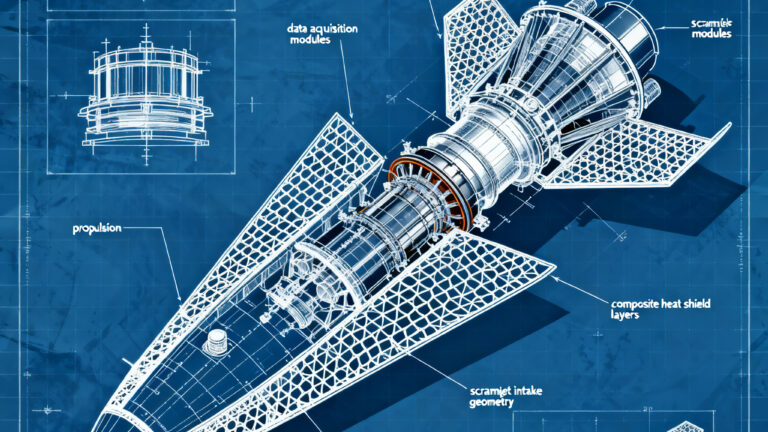
3D printing is revolutionizing the development of hypersonic vehicles, reducing costs and production times. Programs like the Pentagon's HyCAT focus on rapid and reusable test platforms, such as Hypersonix's DART AE demonstrator, entirely 3D printed. Additive manufacturing allows for complex geometries and the use of advanced materials resistant to high temperatures, accelerating

How to Transform Lunar Regolith into Printable Electronic Components

How to Transform Lunar Regolith into Printable Electronic Components

An ESA project studies how to transform lunar regolith into conductive materials to print electronic components in space, reducing dependence on Earth supplies.

/