Settore Industriale: Aerospace

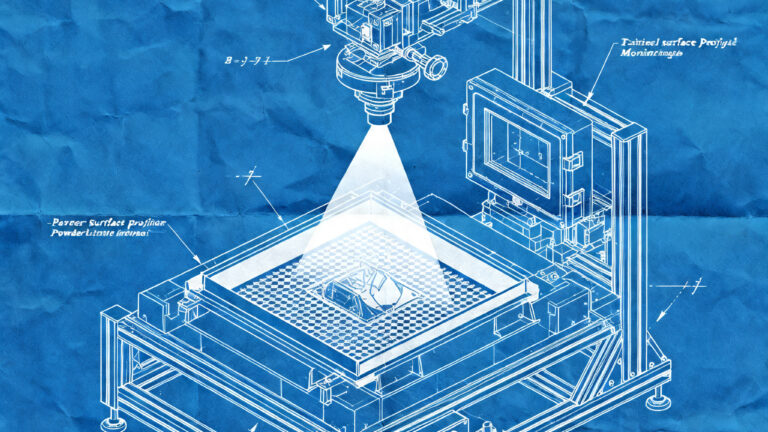
THE EYE THAT DOES NOT MISTAKE? PROCESS CONTROL IN THE AEROSPACE AM

THE EYE THAT DOES NOT MISTAKE? PROCESS CONTROL IN THE AEROSPACE AM

In aerospace additive manufacturing, in-process inspection with calibrated measurements overcomes the limits of passive monitoring. Technologies such as structured light metrology enable objective, traceable, and comparable controls between machines, reducing qualification costs and times.
Why do 8 out of 10 additive startups fail?

Why do 8 out of 10 additive startups fail?

Many additive startups fail because they focus on technology without building a sustainable business. A solid economic model, paying customers, and strategic patience are needed.

AM in production? Only if you know what to stop

AM in production? Only if you know what to stop

Additive Manufacturing (AM) succeeds in production only when applied to specific cases with high functional requirements, not to replace traditional methods, but to solve needs that these cannot satisfy. Success depends on consolidated designs, controlled materials, fixed parameters, and disciplined post-processing. Sectors such as aerospace, medical, and tooling exploit the

Why is powder flow revolutionizing AM?

Why is powder flow revolutionizing AM?

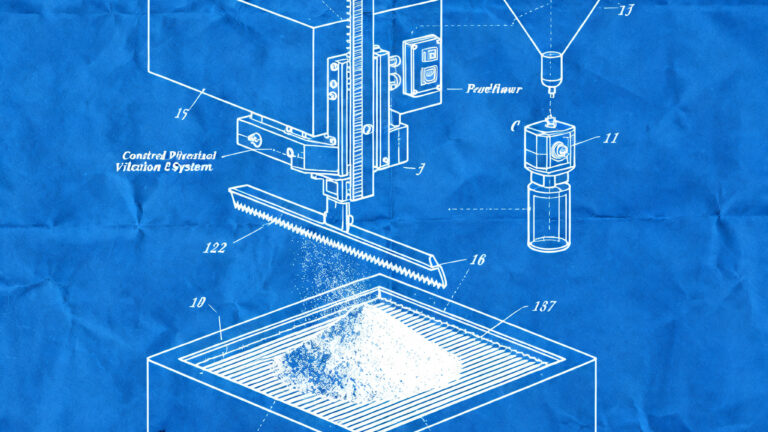
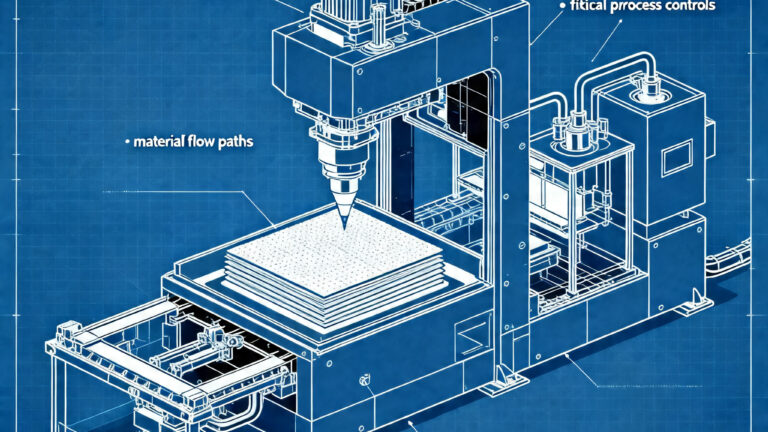
3D printing improves with two patented innovations: controlled vibrations and smart sensors for precise powder distribution. These systems reduce defects, waste, and post-production rework, increasing quality and repeatability without changing materials or machinery.

32 laser, 500W each: where does it break?

32 laser, 500W each: where does it break?

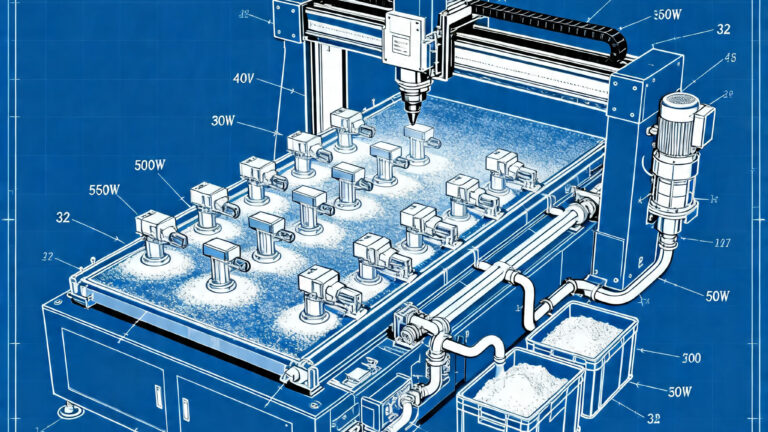
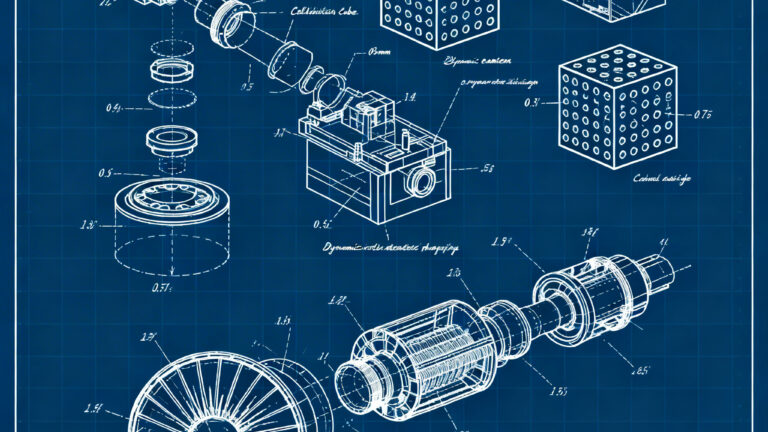
Multi-laser systems with 32 units of 500W each represent the state of the art in metal 3D printing, offering build volumes of up to 3862 liters. While increasing productivity and automation, these plants present thermal limits, powder management issues, and geometric constraints that affect actual production feasibility. Integration with MES and automated systems enables scalability

Metrology in 3D Scanning: How Integrated Processing Works and Its Industrial Applications

Metrology in 3D Scanning: How Integrated Processing Works and Its Industrial Applications

Integrated metrology in 3D scanners enables real-time quality control, reducing time and costs. Thanks to advanced sensors, geometric algorithms, and connectivity, these systems process dimensional data directly during scanning, integrating with metrology platforms and production processes. Despite some technological limitations, they represent a breakthrough for high-

Polyamide for 3D printing: why traditional PA is no longer enough (and what to use today)

Polyamide for 3D printing: why traditional PA is no longer enough (and what to use today)

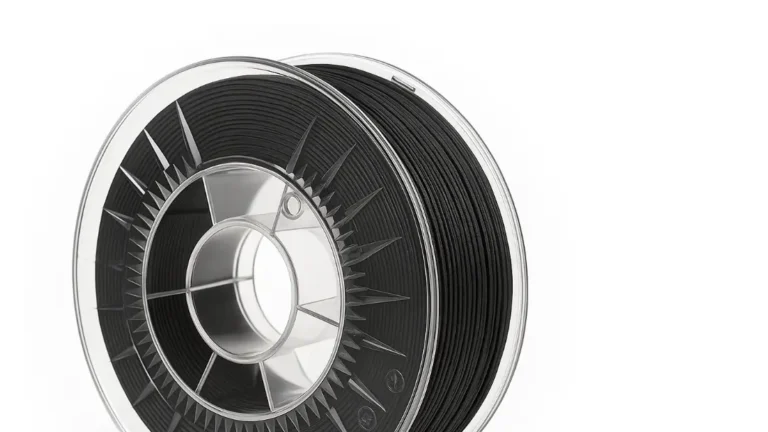
Technical polyamides offer excellent performance, but their printing complexity often makes them impractical. SP4 CF15 from 3DBooster was created to solve this paradox: 8.5 GPa rigidity, thermal resistance up to 180°C, and open-air printability without advanced setups.

High-temperature ceramics: which AM process to choose?

High-temperature ceramics: which AM process to choose?

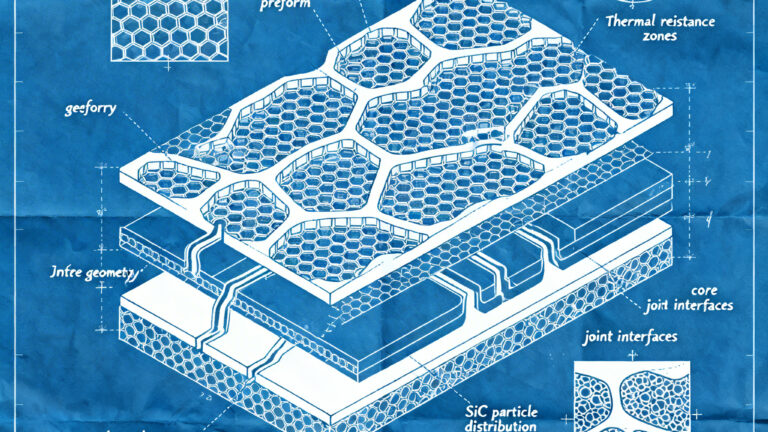
Additive manufacturing of high-temperature resistant ceramics requires careful selection of the process: melt-infiltration, CVI, or PIP, each with advantages and limitations in terms of cost, speed, and complexity. Cellular structures reduce weight and material but can compromise structural integrity. Advanced materials such as SiC and multi-oxide composites offer high performance but at

Who wins in 2026 among FDM toolchangers?

Who wins in 2026 among FDM toolchangers?

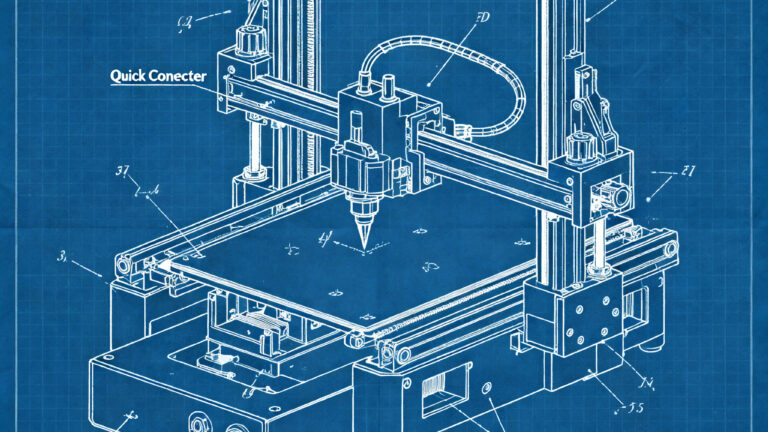
In 2026, the FDM toolchanger market has consolidated: here is the solution that stands out for performance, reliability, and software integration. The best choice depends on the specific workload.

Fixing on the fly: how patents promise to revolutionize 3D printing

Fixing on the fly: how patents promise to revolutionize 3D printing

New real-time quality control systems promise to revolutionize 3D printing, correcting errors during the production process. Optical and thermal sensors monitor calibration elements printed together with the component, enabling immediate corrections to parameters. This reduces waste and improves precision, especially for complex geometries such as aerospace ones. The patent

How Lightweight Reticulated and Foamed Structures Work: A Technical Overview of Advanced Composite Materials

How Lightweight Reticulated and Foamed Structures Work: A Technical Overview of Advanced Composite Materials

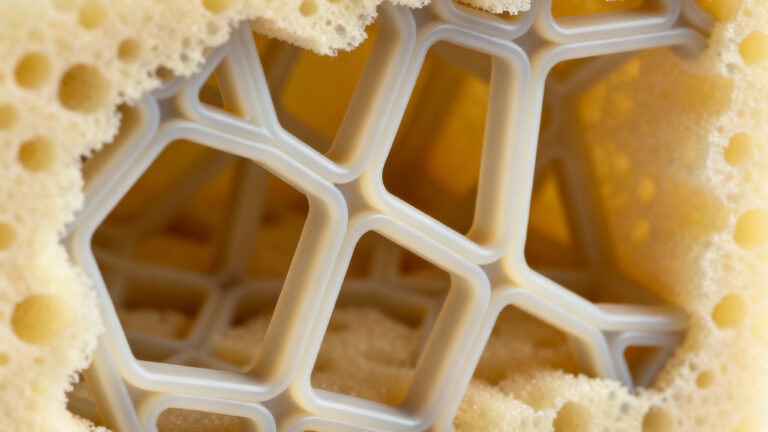
New IFAM technique combines foam and 3D structures for lightweight, high-performance, low-cost composites, with energy absorption up to 10x higher.

Functional and Adaptive Filaments: Mechanisms of Fracture and Thermomechanical Stability

Functional and Adaptive Filaments: Mechanisms of Fracture and Thermomechanical Stability

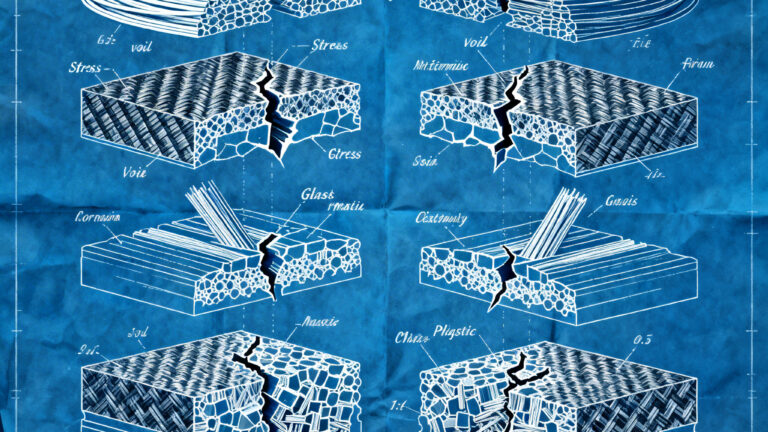
Composite filaments for FDM 3D printing, enriched with carbon or glass fibers, exhibit brittleness and risk of breakage during printing due to poor integration between additives and the polymer matrix. Heating the chamber does not improve the situation and can worsen the problem. Structural discontinuities generate localized stresses, especially in the curves of the filament path

/