Settore Industriale: Aerospace

Beyond Traditional Slicing: Advanced Architectures for Path Planning in Industrial 3D Printing

Beyond Traditional Slicing: Advanced Architectures for Path Planning in Industrial 3D Printing

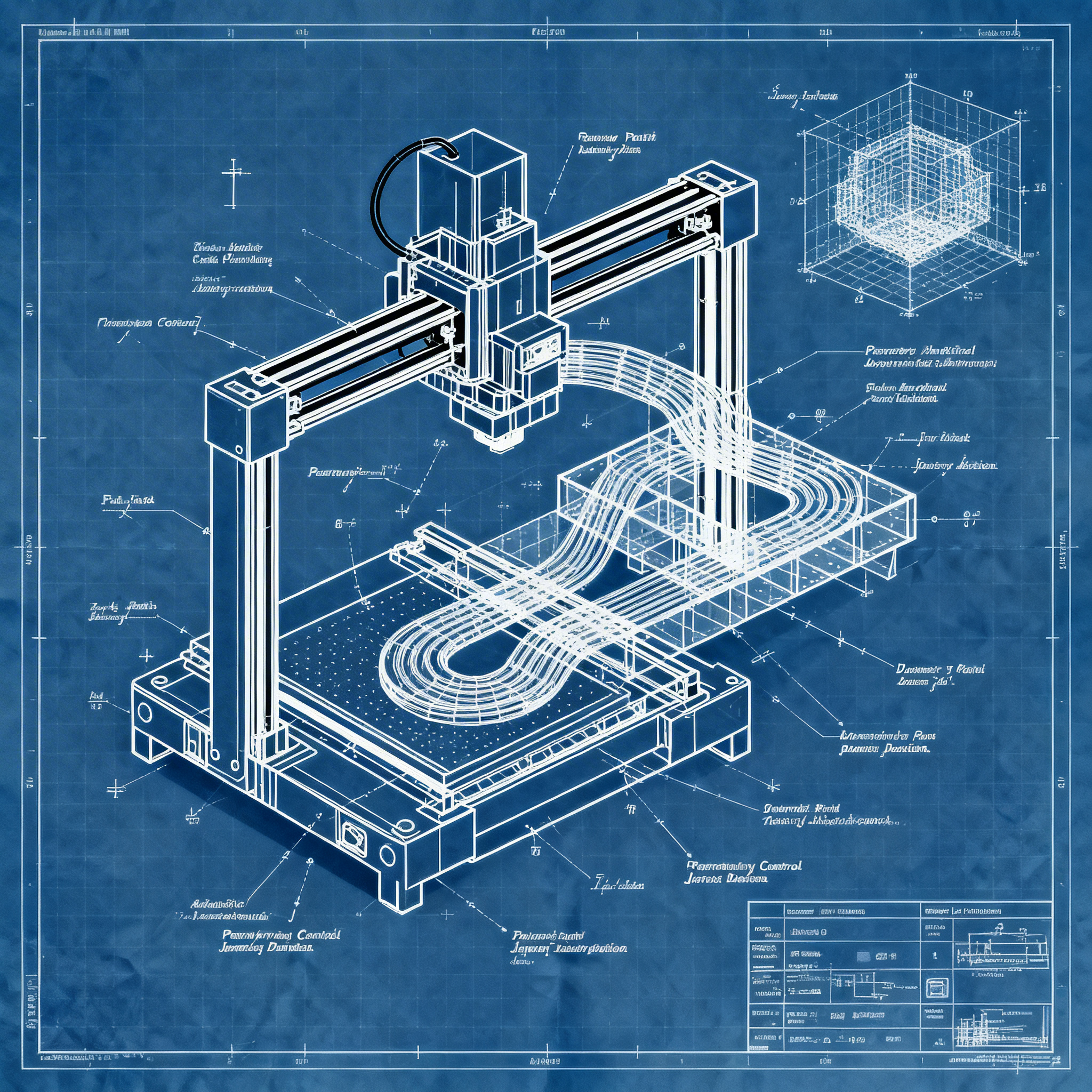
The article explores how advanced software architectures, such as 64-bit systems and modern geometric libraries, are revolutionizing path planning in slicers for industrial 3D printing, improving precision, reliability, and efficiency.
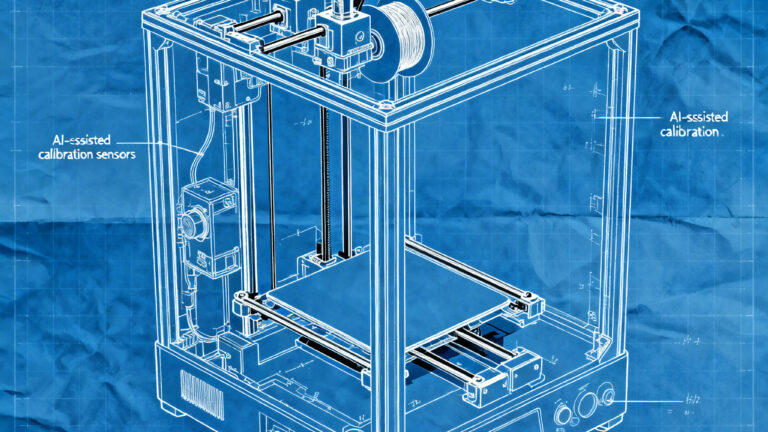

From Maker Lab to Real Production: How Desktop 3D Printers Are Scaling in the Consumer and Industrial Markets

From Maker Lab to Real Production: How Desktop 3D Printers Are Scaling in the Consumer and Industrial Markets

3D desktop printers are becoming concrete production tools, no longer just for makers. In 2025, China exported over 5 million units, with a 331% growth. Technological improvements make them more reliable, easier to use, and suitable for professional sectors like cinema and racing drones. Adoption is growing among professionals, schools, and small businesses, with concrete cases of pr

Resilience and Hidden Costs: How Geopolitics Is Redesigning Global Supply Chains

Resilience and Hidden Costs: How Geopolitics Is Redesigning Global Supply Chains

The resilience of global chains is becoming crucial for economic sustainability. Geopolitics reveals hidden costs related to distances, logistics, and systemic fragility. Companies are reconsidering production localization and additive manufacturing to reduce risks and improve self-sufficiency.

Two wires instead of one: how multi-wire deposition is accelerating metal 3D printing

Two wires instead of one: how multi-wire deposition is accelerating metal 3D printing

Double-wire metal 3D printing accelerates production times by doubling the deposition speed without compromising quality. Thanks to a mathematical model that controls wire feeding in real time, the process reduces defects and allows the use of different alloys in the same component. Ideal for sectors such as aerospace and energy, this technology improves efficiency and

How Functional Grading Works in Industrial Additive Processes

How Functional Grading Works in Industrial Additive Processes

Functional grading in industrial additive processes enables the creation of components with variable properties in a controlled manner, modulating the thermal energy during deposition. Thanks to sensors and real-time feedback, the process allows gradual and precise transitions of mechanical characteristics, without interruptions or the need for assembly. This innovative technology finds app

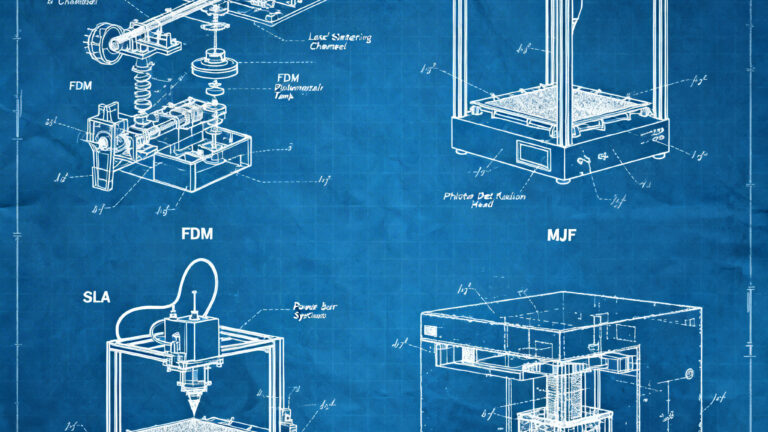
Comparison of 3D Printing Technologies for Polymers: FDM, SLA, SLS, and MJF Compared

Comparison of 3D Printing Technologies for Polymers: FDM, SLA, SLS, and MJF Compared

Comparison of 3D printing technologies for polymers: FDM, SLA, SLS, and MJF. Each technology offers specific advantages in terms of precision, mechanical strength, surface finish, and industrial applications. The evolution of materials is expanding the operational boundaries in advanced sectors such as aerospace, automotive, and medical.

HP extends Multi Jet Fusion service: here is how the 3D printing industry is changing

HP extends Multi Jet Fusion service: here is how the 3D printing industry is changing

HP expands Multi Jet Fusion service with the new IF 600HT printer and the Maintenance & Monitoring Service, targeting the industry with greater reliability, scalability, and flexibility on materials.

How the New CAD Cloud-Native Is Revolutionizing Design for 3D Printing

How the New CAD Cloud-Native Is Revolutionizing Design for 3D Printing

The new cloud-native CAD revolutionizes design for 3D printing, overcoming the limits of traditional systems. Thanks to hybrid modeling, simulation integration, and automation, it enables rapid and precise modifications, reducing times and errors. Ideal for scalable and innovative additive productions.

Advanced Training for Industrial 3D Printing: How Companies Build Scalable Competencies

Advanced Training for Industrial 3D Printing: How Companies Build Scalable Competencies

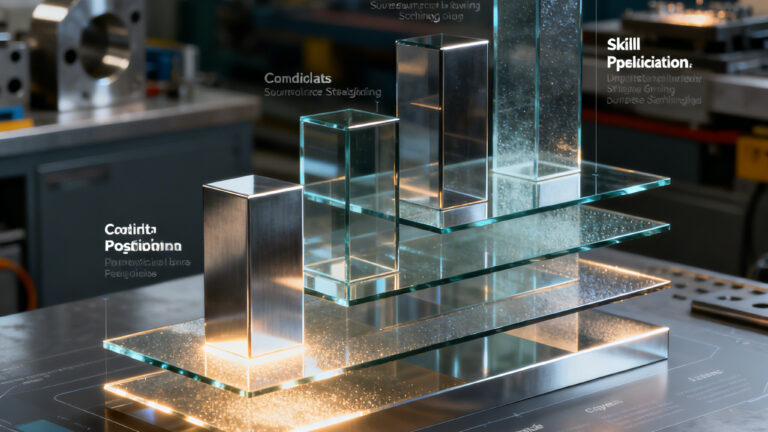
Advanced training in industrial 3D printing is now strategic for bridging the skills gap and ensuring the growth of the sector. Structured programs, academic partnerships, and hybrid learning models are preparing professionals capable of integrating technology and productive practice.

Additive Manufacturing vs Plastic Injection: Trade-offs in Industrial and Aerospace Contexts

Additive Manufacturing vs Plastic Injection: Trade-offs in Industrial and Aerospace Contexts

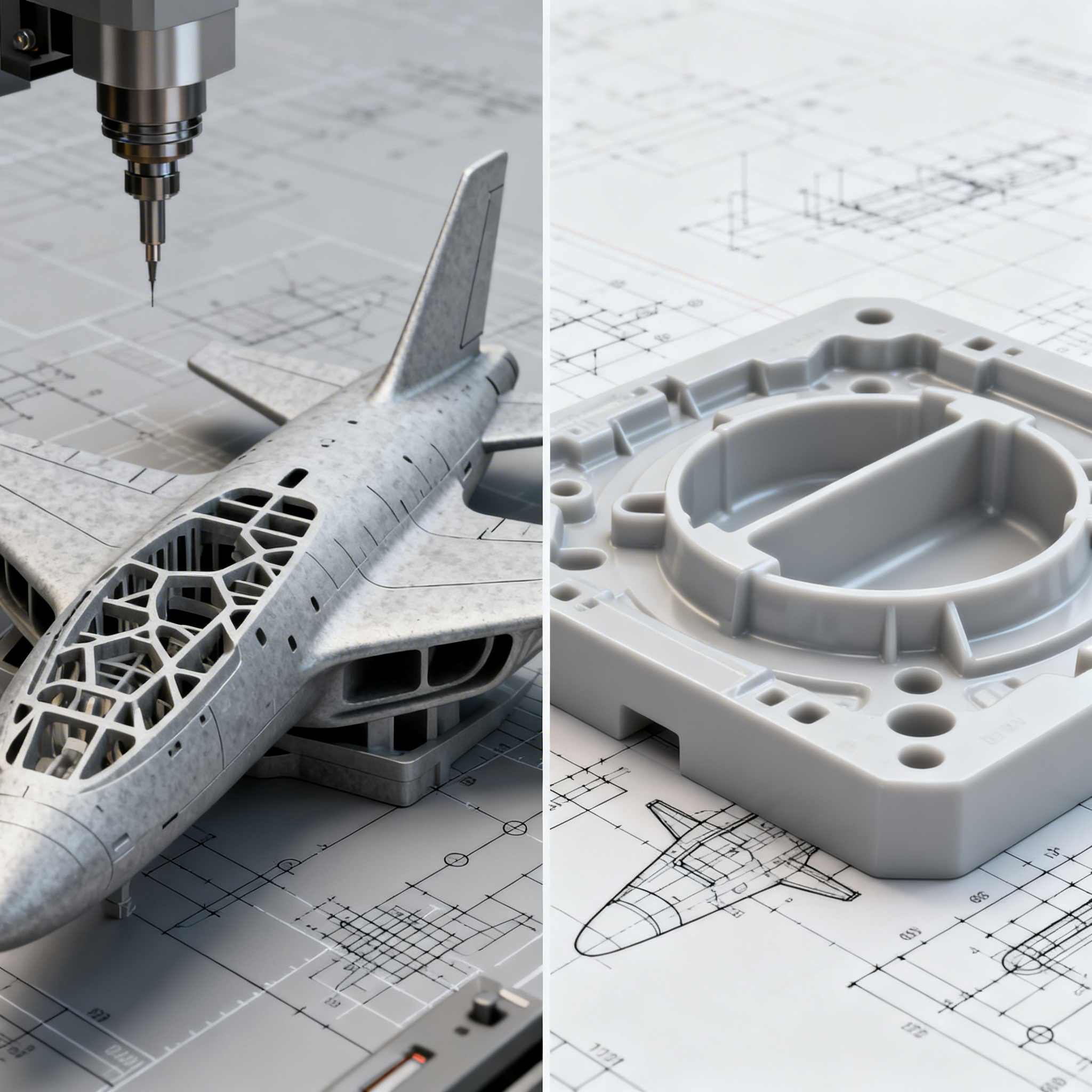
The choice between 3D printing and plastic injection depends on volume, customization, and operational context. Injection dominates in high volumes, while 3D printing is preferred for small batches and complex geometries. Both are complementary.

Industrial 3D Printing: Contract Clauses at Risk and How to Avoid Them

Industrial 3D Printing: Contract Clauses at Risk and How to Avoid Them

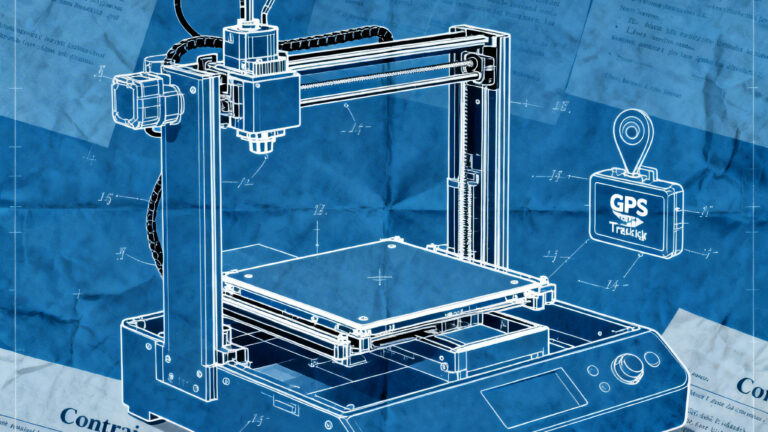
Industrial 3D printing presents often underestimated contractual risks, with clauses that unilaterally shift liability and costs onto clients. Key points include: GPS tracking, geographic limits, training obligations, vague definitions of “failure”, and choice of jurisdiction. It is essential to negotiate fair contracts to avoid legal constraints and ensure safe operations.

New Frontiers of the Workforce in Additive Manufacturing: Operational Skills at the Center of Industrial Transformation

New Frontiers of the Workforce in Additive Manufacturing: Operational Skills at the Center of Industrial Transformation

The additive manufacturing industry is evolving towards greater maturity, with a focus on specific skills, production, and customer interaction. An increasing number of professionals is changing the job market, making hiring more selective and promoting internal skill development.

/