Can hydrogen really be safe? Yes, if you 3D print it
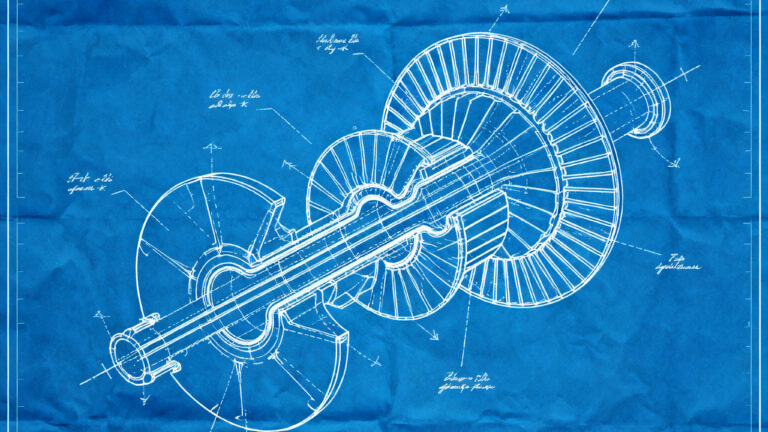
3D printing makes hydrogen safer for use in transportation by eliminating joints and improving the strength of metals.

 Innovations
 3D printing makes hydrogen safer for use in transportation by eliminating joints and improving the strength of metals.
 Manufacturing
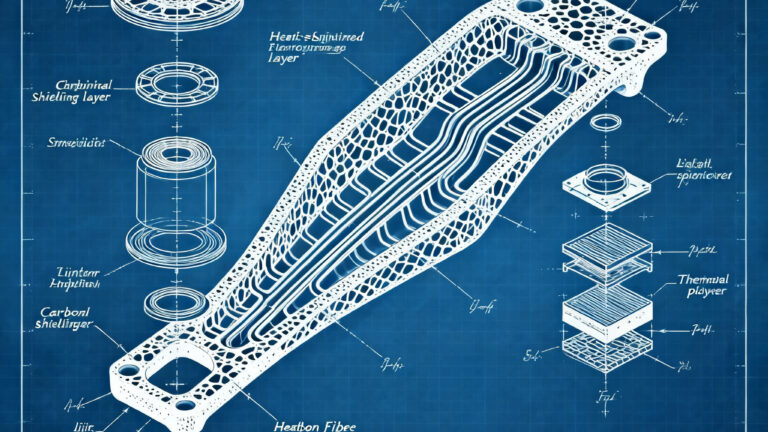
 Additive manufacturing offers competitive advantages in automotive and motorsport, reducing development times and optimizing components. Technologies like SLS, binder jetting, and PBF allow on-demand production, weight reduction, and greater strength. Practical cases demonstrate the effective integration of 3D printing without disrupting existing production lines.
 Manufacturing
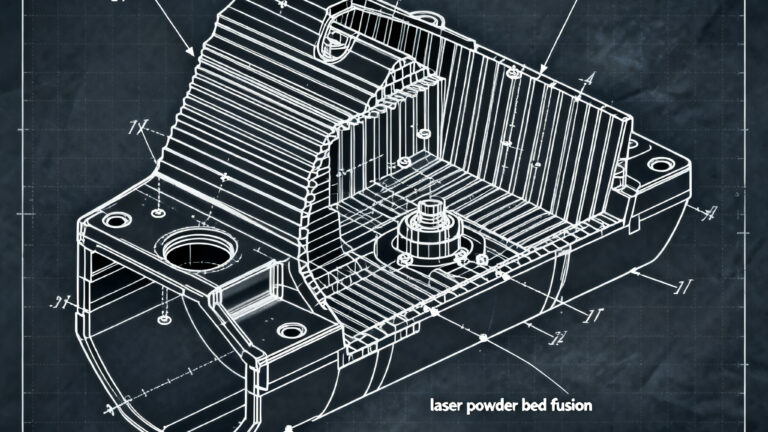
 The US Navy introduces a “material maturity” framework to certify 3D printed materials, reducing logistics lead times by 70% and integrating additive parts into the supply chain without compromising safety or reliability.
 Manufacturing
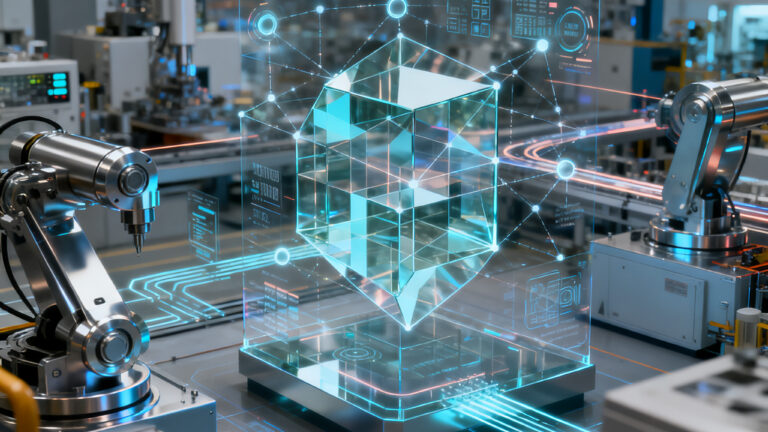
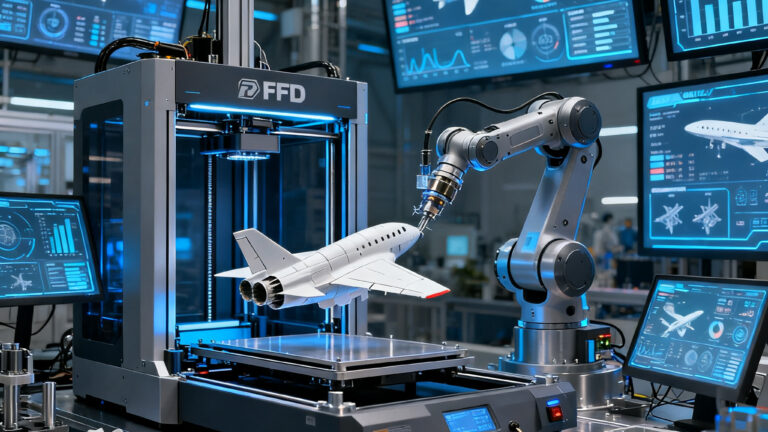
 The implementation of AI in production process control requires a systemic approach that goes beyond the optimization of individual machines. To achieve significant results in additive manufacturing, it is necessary to integrate data, automation, and open standards throughout the entire production cycle. Only then can AI become the “digital nervous system” of the factory, ensuring quality,
 Manufacturing
 The additive manufacturing sector is consolidating on vertical niches such as aerospace, medical, and foundry, abandoning the logic of horizontal coverage. The companies that survive focus on specialization, integration into client workflows, and reliable solutions, not just innovation. Success now depends on the ability to generate concrete economies and ensure uptime and repeatability.
 Innovations
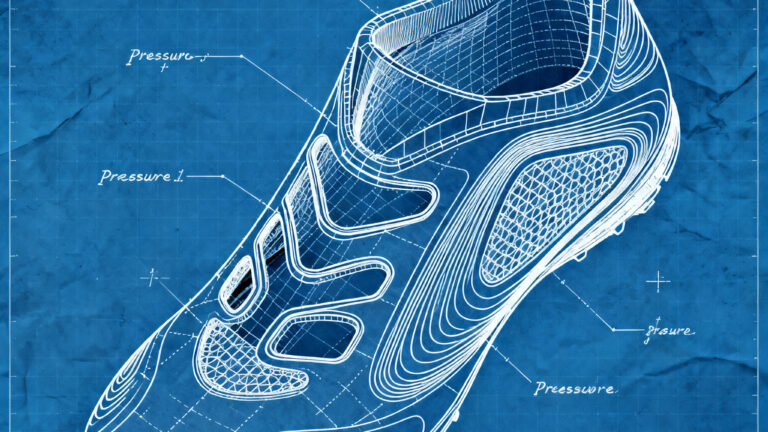
 Large-scale customization in the sports industry is made possible by 3D printing, which allows for the production of customized equipment without increasing costs. Thanks to parametric design and AI, companies and teams like Legacy Motor Club are able to create functional components quickly and with significant savings. The technology enables the efficient management of thousands of variants,
 Innovations
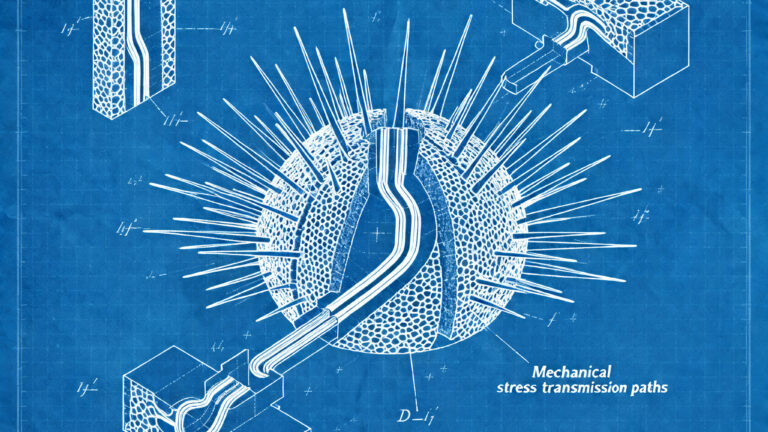
 Bio-inspired soft sensors represent an engineering revolution: the material structure itself becomes the true sensor, generating electrical signals without electronic components. Thanks to porous and anisotropic microarchitectures, these smart materials convert mechanical stimuli into electrical responses by leveraging natural physical phenomena, such as streaming potential. Studies inspired by the spines
 Innovations
 Many additive startups fail because they focus on technology without building a sustainable business. A solid economic model, paying customers, and strategic patience are needed.
 Manufacturing
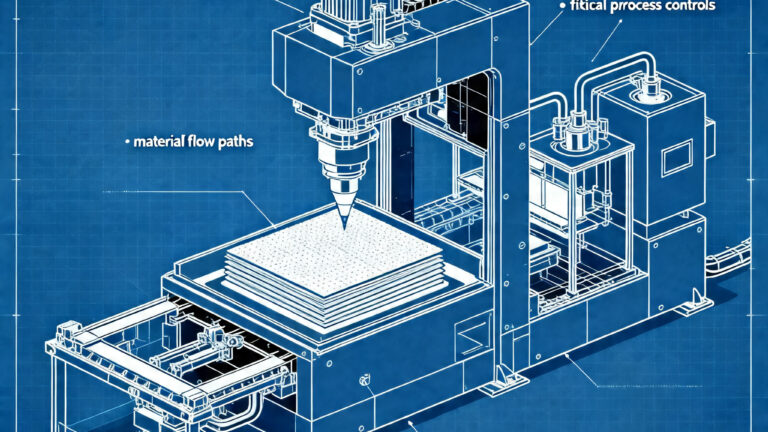
 Additive Manufacturing (AM) succeeds in production only when applied to specific cases with high functional requirements, not to replace traditional methods, but to solve needs that these cannot satisfy. Success depends on consolidated designs, controlled materials, fixed parameters, and disciplined post-processing. Sectors such as aerospace, medical, and tooling exploit the
 Manufacturing
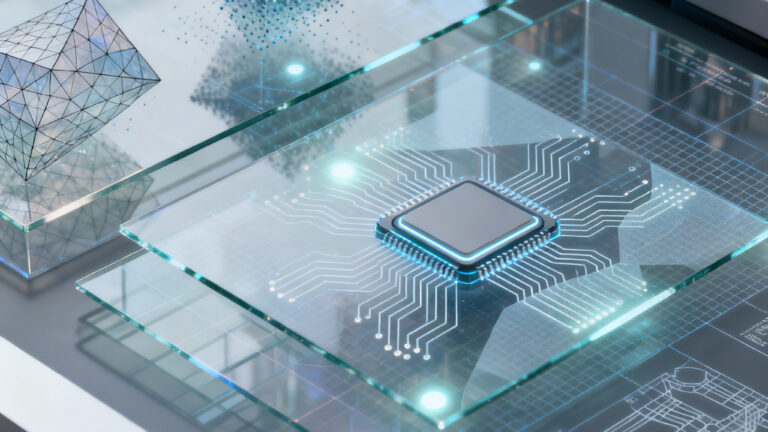
 Integrated metrology in 3D scanners enables real-time quality control, reducing time and costs. Thanks to advanced sensors, geometric algorithms, and connectivity, these systems process dimensional data directly during scanning, integrating with metrology platforms and production processes. Despite some technological limitations, they represent a breakthrough for high-
 Innovations
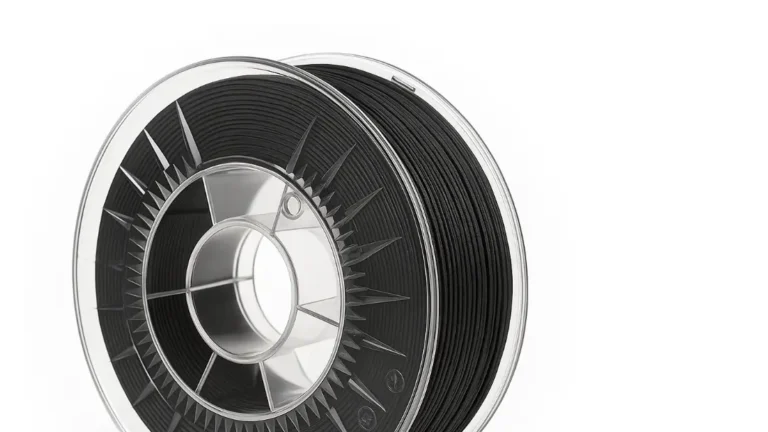
 Technical polyamides offer excellent performance, but their printing complexity often makes them impractical. SP4 CF15 from 3DBooster was created to solve this paradox: 8.5 GPa rigidity, thermal resistance up to 180°C, and open-air printability without advanced setups.
 Innovations
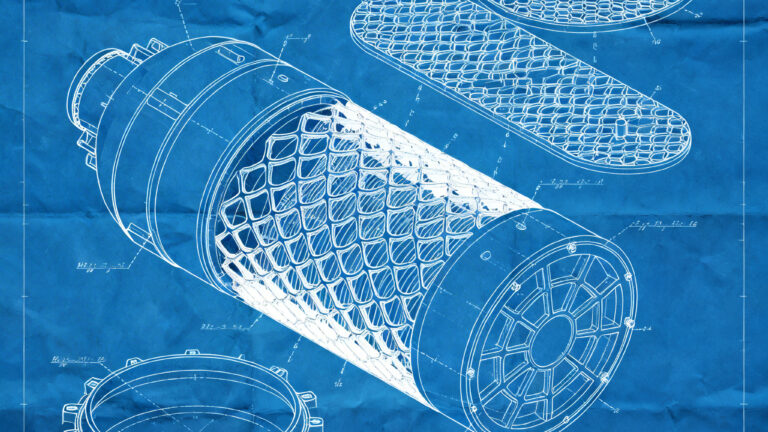
 Additive manufacturing could revolutionize the transport of spent nuclear fuel, reducing costs and production times for critical components such as impact limiters. Technologies like FFF and PBF allow for complex geometries and savings of up to $1.7 million per cask. Studies by Orano and UNC Charlotte confirm technical feasibility, but specific regulatory standards are still lacking.