Case Study: OEM

3D RF Components: Less Weight, More Power?

3D RF Components: Less Weight, More Power?

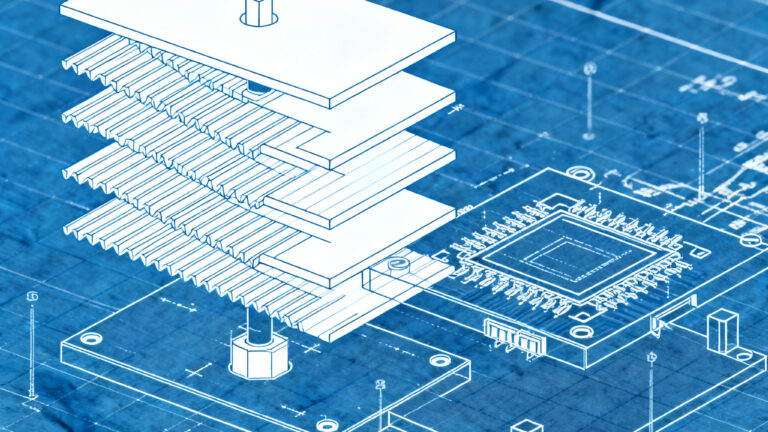
3D printing is revolutionizing the production of RF components, enabling lighter antennas and integrated EMI shielding in electronic packages. Additive technologies improve efficiency, customization, and reduce weight, while posing challenges regarding materials and repeatability.
Can you automate the post-processing of the resin?

Can you automate the post-processing of the resin?

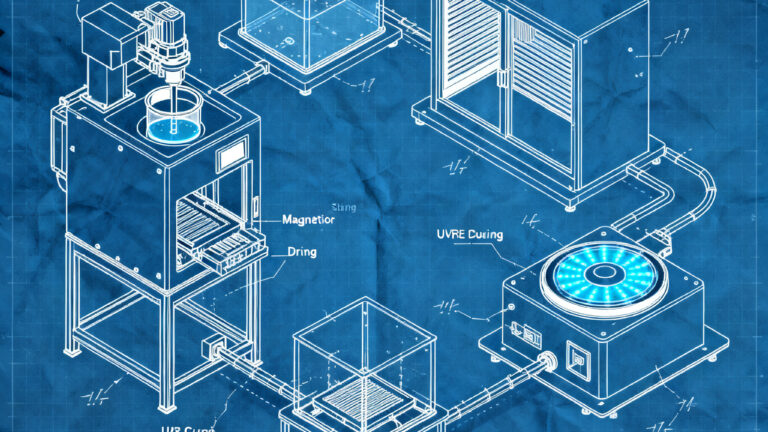
Automating the post-processing of resin improves precision and repeatability. A modular workflow adapts each phase to the specific parameters of the material, reducing errors and manual times. The integration between the printer and washing/curing stations enables certified, traceable, and scalable flows, ideal for professional and biocompatible applications.

Scalable Motion Control for Industrial 3D Printers?

Scalable Motion Control for Industrial 3D Printers?

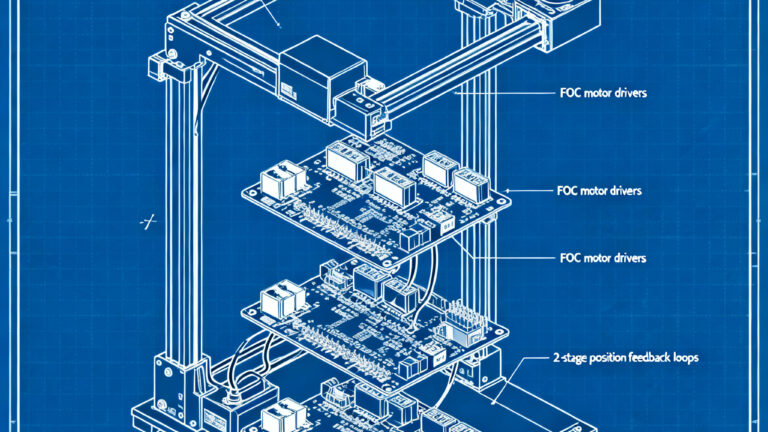
Scalable Motion Control for Industrial 3D Printers: modular architecture enabling reuse, upgrades, and flexible adaptation to different mechanical configurations. Dyze Design's Aurora system with two-stage feedback for greater precision and responsiveness. Benefits: cost reduction, targeted maintenance, and gradual integration.

Is AM really revolutionizing the industry?

Is AM really revolutionizing the industry?

Additive manufacturing is transforming sectors such as aerospace and healthcare, where complex geometries and customizations offer tangible structural and economic advantages, confirming the mechanism of creative destruction.

3D metal simulation: prevent defects in 24h?

3D metal simulation: prevent defects in 24h?

3D simulation is essential to prevent defects in metal printing, reducing costs and production times. Tools like PanX allow for predictive process optimization, improving quality and efficiency.

How does the army print in mission?

How does the army print in mission?

Additive production is revolutionizing military logistics, reducing supply times and costs. The Camp Lejeune model shows how targeted training and technological integration allow for the printing of critical parts in the field, saving up to 99.81% compared to traditional methods.

Does the factory of the future build with 3D concrete?

Does the factory of the future build with 3D concrete?

Forge I, a new factory in the United Kingdom, produces structural concrete elements via large-scale 3D printing. The project, led by Hyperion Robotics and LKAB Minerals, represents a paradigm shift towards the industrial production of complex building components, with benefits in terms of efficiency, quality control, waste reduction, and lower environmental impact. The factory is expected to

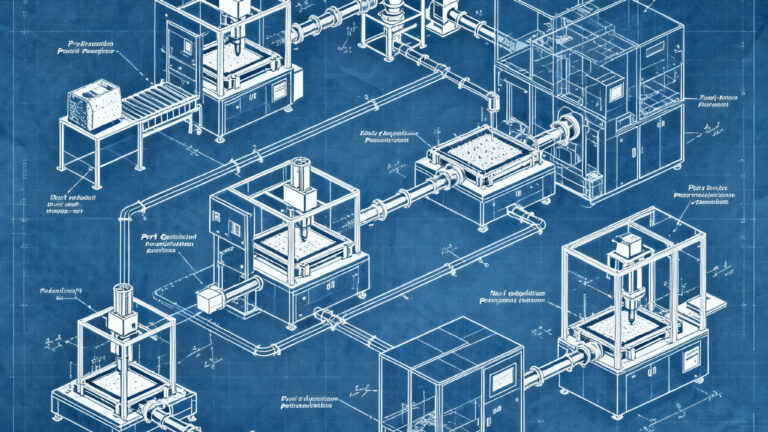
20% savings with the right supply chain?

20% savings with the right supply chain?

The integrated supply chain in the metal 3D printing sector represents a key competitive advantage, with a focus on end-to-end support, traceability, and certified quality. Technology alone is not enough: reliable partners are needed to reduce costs and lead times, improving efficiency and production resilience.

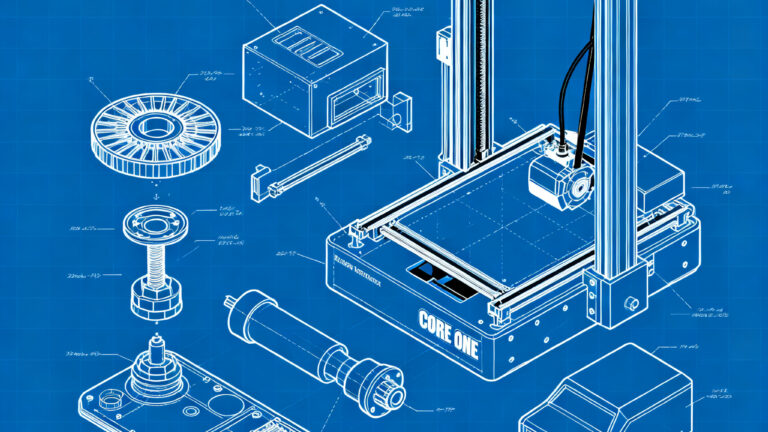
Can you really 3D print the CORE One?

Can you really 3D print the CORE One?

Prusa releases the CORE One CAD files under the new open-source OCL license, which allows modifications, sharing, and internal use, but prohibits direct sale without an agreement. Discover what you can concretely do with STEP and Fusion 360 files.

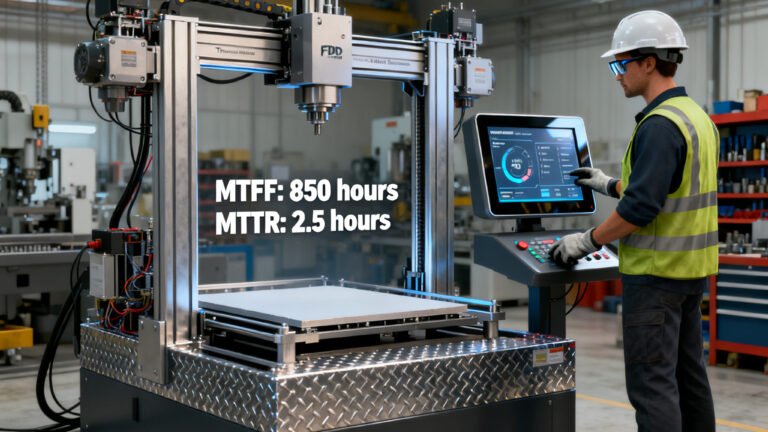
90% uptime? The truth about industrial 3D printers

90% uptime? The truth about industrial 3D printers

The real uptime of industrial 3D printers exceeds 90%, with less than 73 hours of annual downtime. Metrics such as MTBF and MTTR are essential for evaluating reliability. The difference between hobby and industry lies in construction details: robust frames, mechanical auto-leveling, and automation reduce dead times. The main causes of downtime are thermal instability, mechanical wear, and human errors.

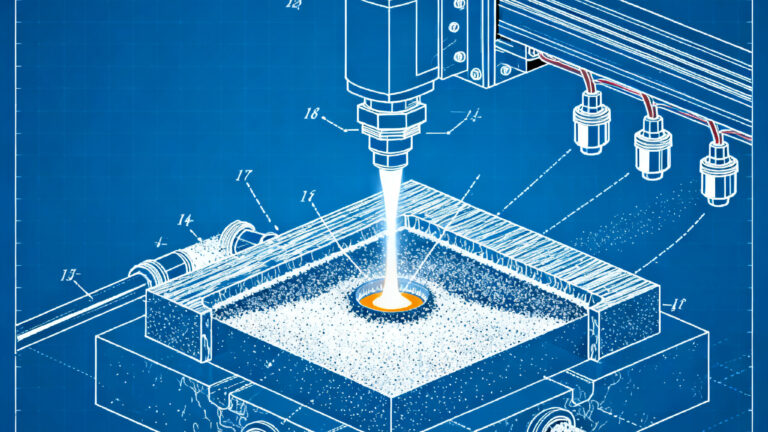
Does laser cladding beat hard chrome plating?

Does laser cladding beat hard chrome plating?

Laser cladding offers an innovative and sustainable solution against corrosion, overcoming the limits of hard chrome plating. This technology deposits resistant alloys directly onto surfaces, without toxic substances such as hexavalent chromium, ensuring a strong metallurgical bond and precise control of the layer. Compared to chrome plating, it reduces the CO₂ footprint by up to 12 times and perme

Fragile Chains: The Hidden Cost of Globalization?

Fragile Chains: The Hidden Cost of Globalization?

The fragility of global supply chains puts the world economy at risk. Distance, logistics, and geopolitical volatility generate hidden costs. Local production and additive manufacturing are emerging as solutions to reduce risks and response times. Traditional metrics are not enough: a new approach based on resilience is needed.

/