Category: Innovations

Is AM really revolutionizing the industry?

Is AM really revolutionizing the industry?

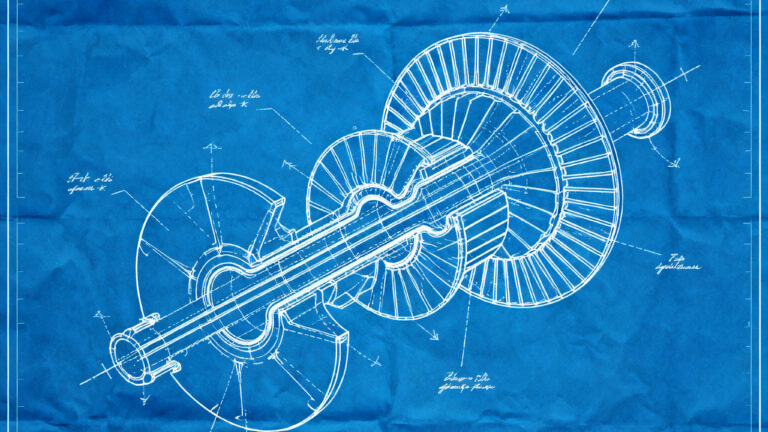
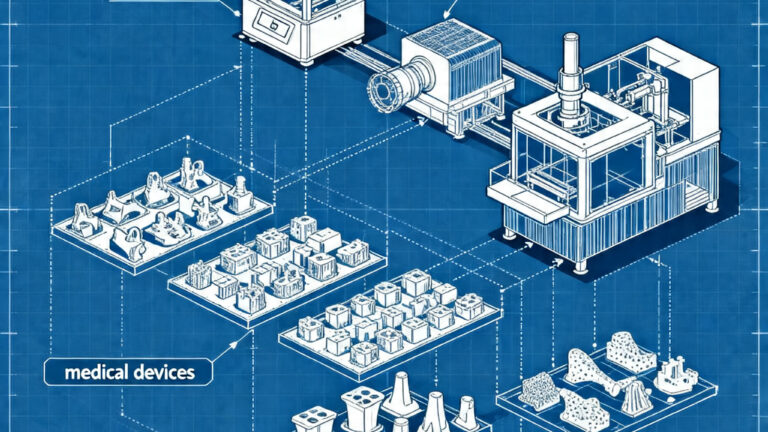
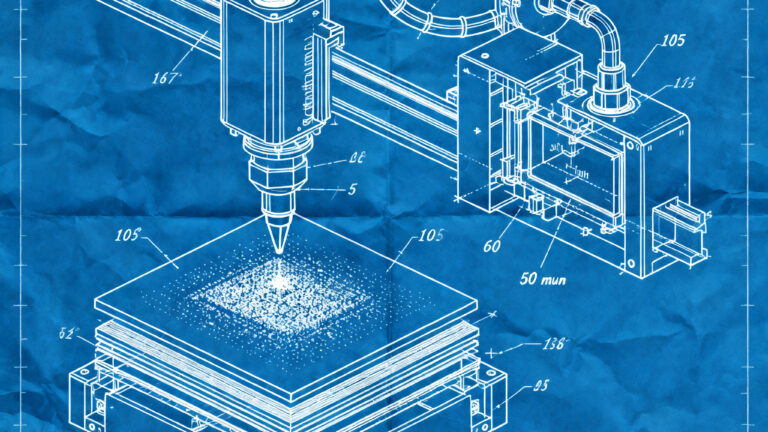
Additive manufacturing is transforming sectors such as aerospace and healthcare, where complex geometries and customizations offer tangible structural and economic advantages, confirming the mechanism of creative destruction.
Why does 15% GelMA work?

Why does 15% GelMA work?

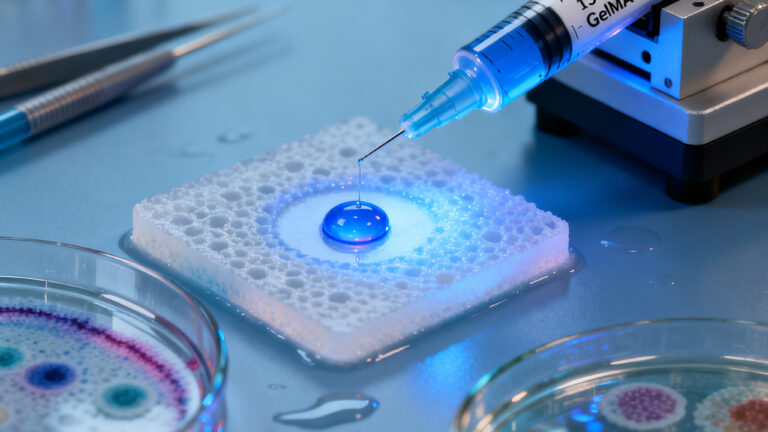
3D bioprinting uses 15% GelMA and 0.5% LAP to create precise and reproducible tissue models. Photopolymerization at 405 nm and low/intermediate speed printing ensure high cell viability. The use of viscoelastic supports such as Pluronic allows for complex geometries without cell damage. Modular systems such as MagMix easily integrate existing platforms, improving

How does the army print in mission?

How does the army print in mission?

Additive production is revolutionizing military logistics, reducing supply times and costs. The Camp Lejeune model shows how targeted training and technological integration allow for the printing of critical parts in the field, saving up to 99.81% compared to traditional methods.

3D in studio: less than 10 minutes for a crown?

3D in studio: less than 10 minutes for a crown?

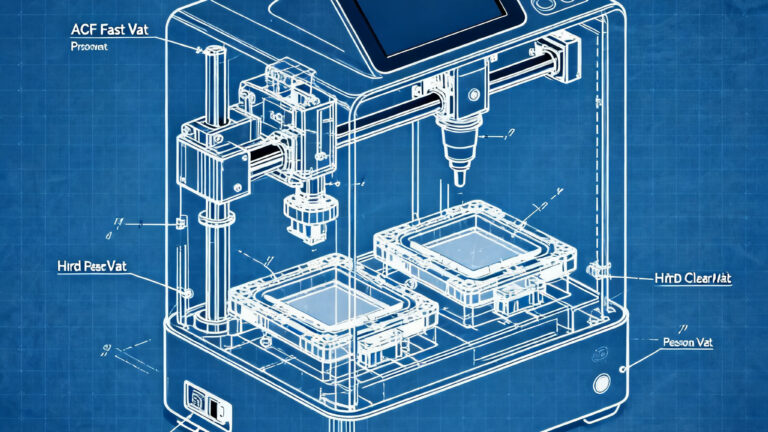
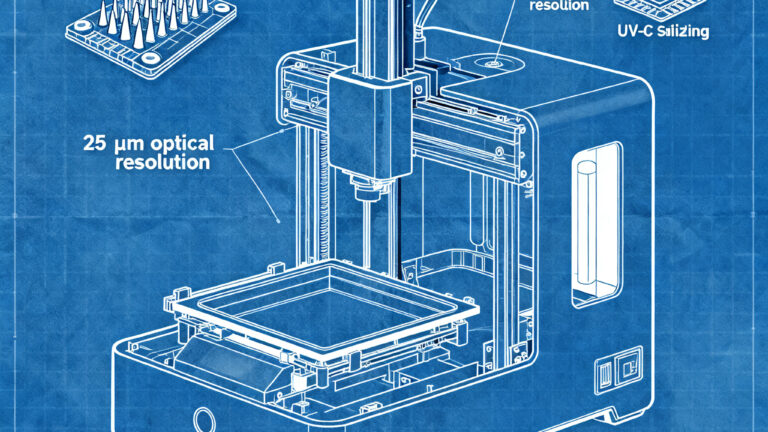
PioCreat presents at Formnext 2025 3D solutions for rapid dental production: the PioNext Mini prints crowns in 10 minutes with compact design and dual resin vat. Ideal for dental studios, it offers high precision, biocompatibility and operational flexibility, revolutionizing the digital workflow in the medical and dental field. Learn more at PioCreat.com.

3D custom in the operating room? Here's how it really works

3D custom in the operating room? Here's how it really works

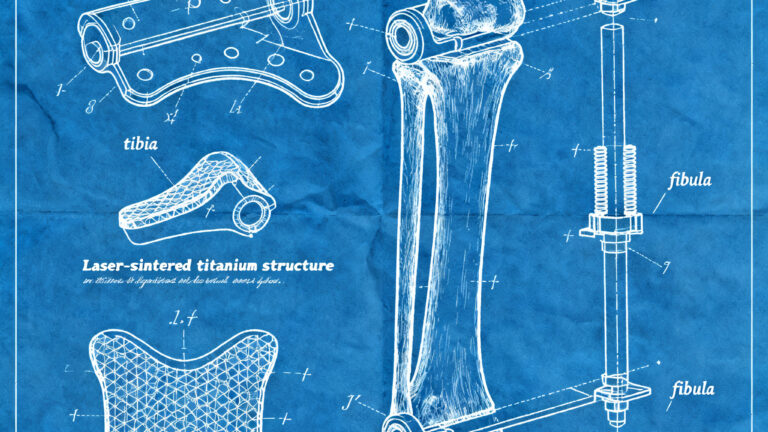
MedCAD has obtained FDA authorization for AccuStride, a system that brings personalized surgical planning for lower limbs to 3D-printed titanium guides, with delivery in 5 days. By integrating imaging, digital design, and rapid production, it reduces operating times and complications.

ESAM: 3x faster than the traditional bow?

ESAM: 3x faster than the traditional bow?

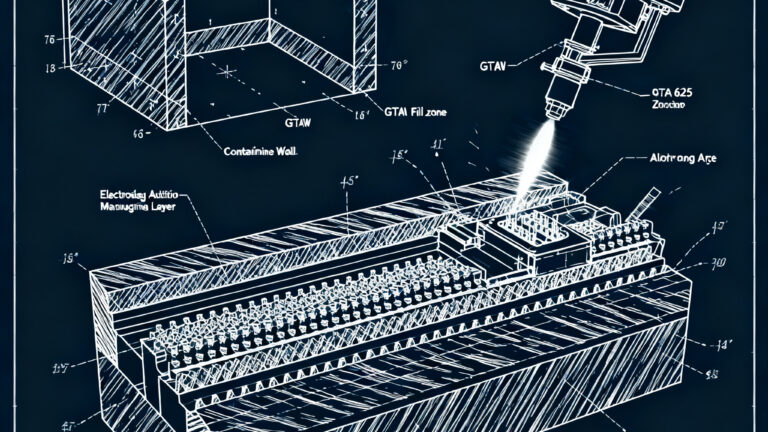
ESAM, developed by ORNL and ARC Specialties, accelerates the production of large metal components up to 3x compared to traditional methods. It combines electroslag strip cladding and wire arc additive manufacturing to achieve high productivity and geometric control, with mechanical properties comparable to cast materials. Ideal for the energy sector.

Can hydrogen really be safe? Yes, if you 3D print it

Can hydrogen really be safe? Yes, if you 3D print it

3D printing makes hydrogen safer for use in transportation by eliminating joints and improving the strength of metals.

Low-cost precision? Here are the real trade-offs

Low-cost precision? Here are the real trade-offs

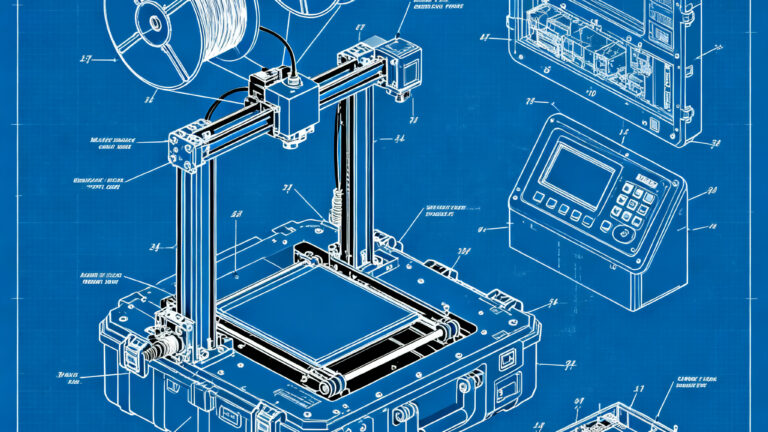
Desktop 3D printing today offers industrial-grade precision at contained costs, but with limits on scale and speed. Solutions like the microArch S150 and its Ultra upgrade balance precision and throughput for R&D and pilot production. Entry-level post-processors like the M4 Basic improve finish, albeit with dimensional limits. The right choice depends on the specific use case.

Can 3D printing really save the planet?

Can 3D printing really save the planet?

3D printing can be sustainable with targeted choices. Additive-X demonstrates how: every kg of filament sold removes plastic from the oceans and offsets CO₂ emissions. Thanks to partnerships with Plastic Bank and Carbon Footprint™, in 2022, 64 tons of CO₂ were offset. Additive manufacturing reduces waste and emissions, especially with on-demand models and certified systems. Traceability,

Why is the 3D market splitting in two?

Why is the 3D market splitting in two?

The 3D market is splitting: on one hand, entry-level systems under 2.500$ are growing by more than 30%; on the other, high-end industrial platforms are struggling. Three sectors are driving demand: aerospace, defense, and healthcare. China is recording strong increases in metal PBF. Business models are differentiating: suppliers are focusing on specific segments to remain competitive. Future growth

Customizing on a large scale? Here's how it's done in sports

Customizing on a large scale? Here's how it's done in sports

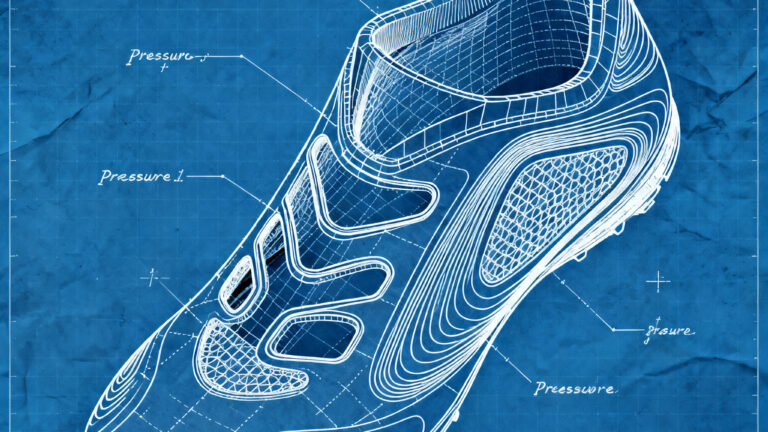
Large-scale customization in the sports industry is made possible by 3D printing, which allows for the production of customized equipment without increasing costs. Thanks to parametric design and AI, companies and teams like Legacy Motor Club are able to create functional components quickly and with significant savings. The technology enables the efficient management of thousands of variants,

Aerosol Jet Printing: Really Revolutionary?

Aerosol Jet Printing: Really Revolutionary?

Transistors produced with Aerosol Jet Printing are overcoming the limits of printed electronics, opening new paths for flexible and low-cost devices. Thanks to a resolution of 10-50 micrometers and the use of printable materials, this technology allows for the realization of circuits on 3D substrates with good electrical reliability, suitable for sensors, wearable electronics, and circuits lo

/