Applicazione: Production

Additive Manufacturing vs Plastic Injection: Trade-offs in Industrial and Aerospace Contexts

Additive Manufacturing vs Plastic Injection: Trade-offs in Industrial and Aerospace Contexts

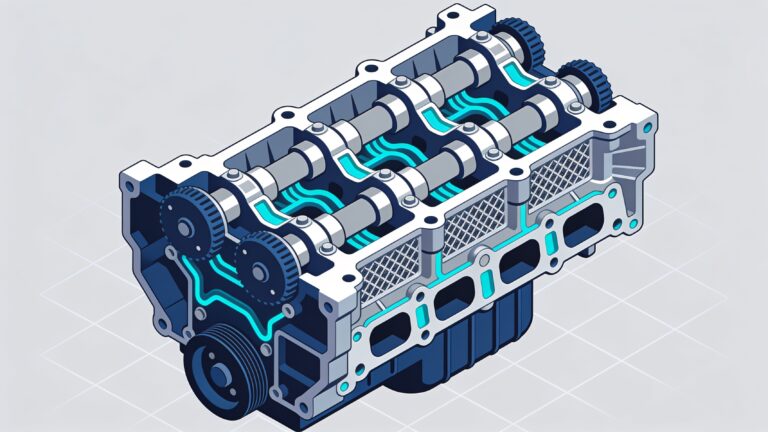
The choice between 3D printing and plastic injection depends on volume, customization, and operational context. Injection dominates in high volumes, while 3D printing is preferred for small batches and complex geometries. Both are complementary.

Industrial 3D Printing: Contract Clauses at Risk and How to Avoid Them

Industrial 3D Printing: Contract Clauses at Risk and How to Avoid Them

Industrial 3D printing presents often underestimated contractual risks, with clauses that unilaterally shift liability and costs onto clients. Key points include: GPS tracking, geographic limits, training obligations, vague definitions of “failure”, and choice of jurisdiction. It is essential to negotiate fair contracts to avoid legal constraints and ensure safe operations.

Implementing WAAM in Civil Engineering: A Real Case of Industrial Integration

Implementing WAAM in Civil Engineering: A Real Case of Industrial Integration

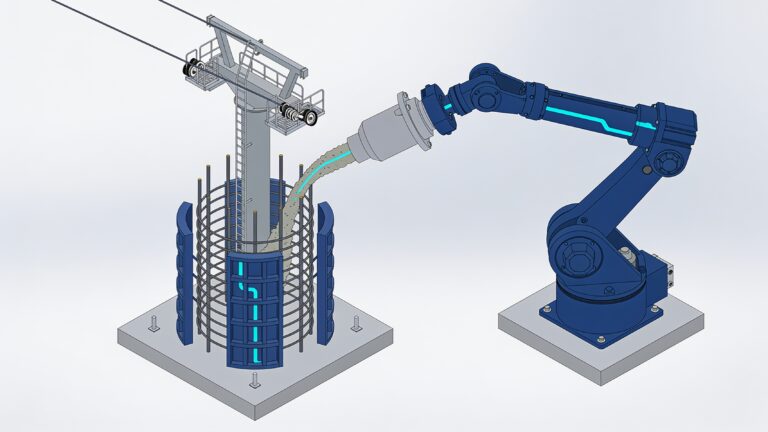
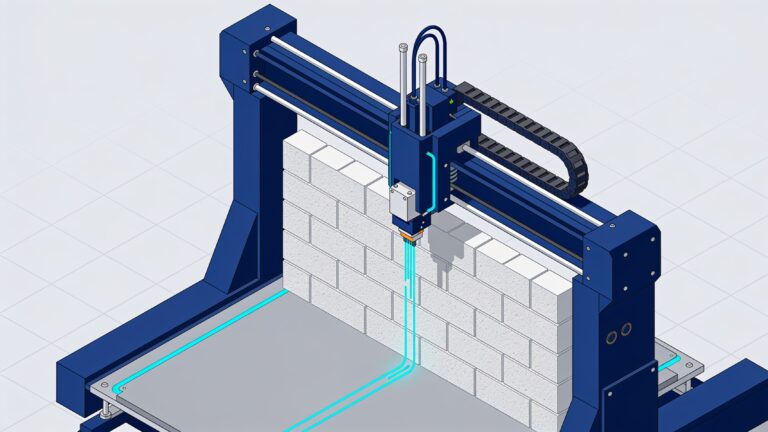
The collaboration project between NAICO Malaysia and WAAM3D demonstrates the concrete integration of Wire Arc Additive Manufacturing (WAAM) in civil engineering, with a systemic approach covering every phase of the process, from engineering to finishing. Through the MiniWAAM platform, the project develops advanced industrial capabilities, promoting the efficient production of metallic components of

Custom and biodegradable implants: what patents tell us about the future of orthopedics

Custom and biodegradable implants: what patents tell us about the future of orthopedics

3D printing is revolutionizing orthopedics with custom, biodegradable, and hybrid implants, which combine mechanical precision and porous structures to improve bone integration and reduce secondary surgeries.

Managing Software and Firmware Updates for Printers: A Technical Operational Guide

Managing Software and Firmware Updates for Printers: A Technical Operational Guide

Updating printer firmware and software is essential to prevent errors, optimize materials, and improve efficiency. Neglecting them can cause waste, interruptions, and a drop in quality. Following an accurate procedure, with testing and backups, allows you to fully leverage technological advantages and extend the life of the machines.

How 3D Printing is Revolutionizing Luxury Jewelry Production

How 3D Printing is Revolutionizing Luxury Jewelry Production

3D printing is revolutionizing luxury jewelry, enabling complex shapes, reduced production times, and less waste of precious metals. Thanks to digital design and technologies like SLA and LPBF, designers can create details impossible to achieve with traditional methods, accelerating prototyping and production. Integration with lost-wax casting maintains the high quality

How to Design a High-Volume 3D Printing University Makerspace

How to Design a High-Volume 3D Printing University Makerspace

The University of Wisconsin–Madison Makerspace is a model of a high-volume 3D printing university laboratory, based on standardized workflows, FDM/FFF technologies, and a hybrid team of students and technicians. Thanks to this approach, the center manages thousands of annual prints with high efficiency, supporting teaching, research, and innovation in a scalable and sustainable ecosystem.

New Frontiers of the Workforce in Additive Manufacturing: Operational Skills at the Center of Industrial Transformation

New Frontiers of the Workforce in Additive Manufacturing: Operational Skills at the Center of Industrial Transformation

The additive manufacturing industry is evolving towards greater maturity, with a focus on specific skills, production, and customer interaction. An increasing number of professionals is changing the job market, making hiring more selective and promoting internal skill development.

Implementing Direct-to-Consumer in the industrial sector: an operational plan for regional expansion

Implementing Direct-to-Consumer in the Industrial Sector: An Operational Plan for Regional Expansion

Implementing a Direct-to-Consumer (DTC) model in the industrial sector requires a structured approach that goes beyond online sales, integrating design, production, and logistics into an end-to-end workflow. Success depends on the governance of distributed capacity, secure digital platforms, and transparency in processes. Cases like Polymaker and Juise Mobility show how DTC, if well pro

How Conductive Elastomer Pellets Work for Reliable 3D Printing

How Conductive Elastomer Pellets Work for Reliable 3D Printing

Mechnano's new conductive elastomeric pellets offer reliable electrical and mechanical performance thanks to D'Func technology, which guarantees uniform dispersion of carbon nanotubes, overcoming the limits of traditional ESD materials. Ideal for sectors such as electronics, automation and medical, these materials enable the scalable production of flexible components with yields

Sustainable 3D Printing: Quality vs. Environmental Impact in Recycled Materials

Sustainable 3D Printing: Quality vs. Environmental Impact in Recycled Materials

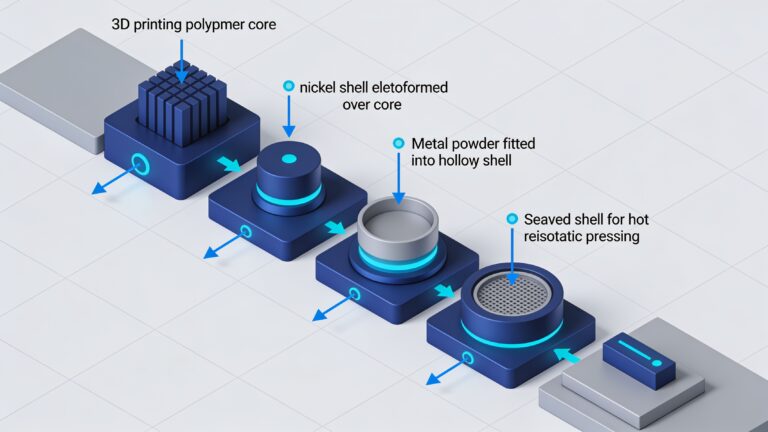
Industrial 3D printing with recycled materials offers environmental benefits but requires balancing between quality, cost, and performance. The use of recycled powders, if well managed, can reduce the carbon footprint without compromising mechanical properties, provided that parameters such as sphericity, oxygen content, and particle size distribution are controlled. Studies show up to 98.71% reduction

How to Redesign Industrial Metal AM Production: An Operational Playbook for Scalability and Efficiency

How to Redesign Industrial Metal AM Production: An Operational Playbook for Scalability and Efficiency

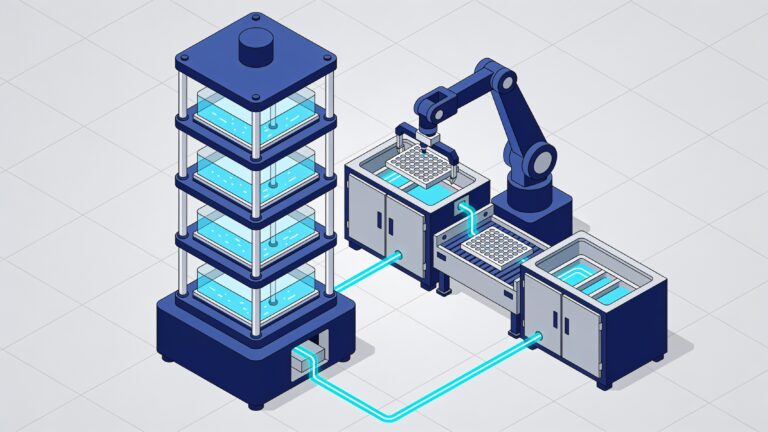
The future of industrial metal AM requires an integrated approach that connects all production processes into a single intelligent architecture, eliminating physical movements and operational delays. Winning factories do not improve individual steps, but redesign the entire workflow as a system coordinated by a common layer of intelligence, automation, and shared data.

/