How to Transform Lunar Regolith into Printable Electronic Components
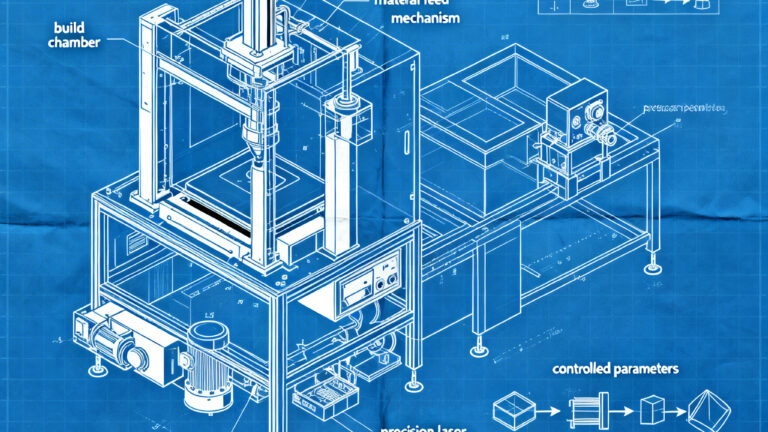
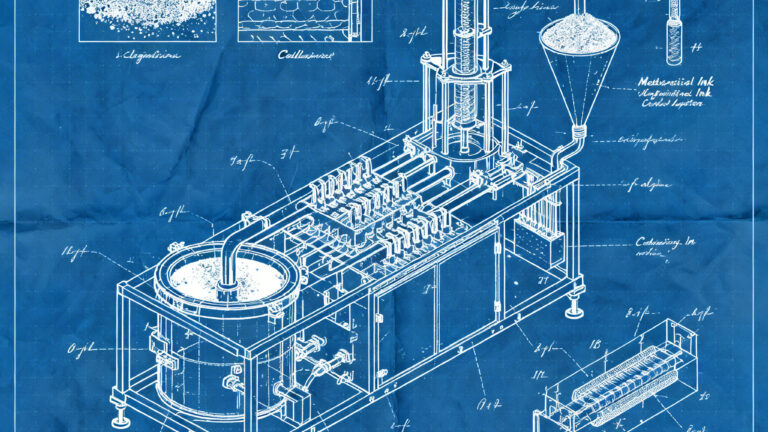
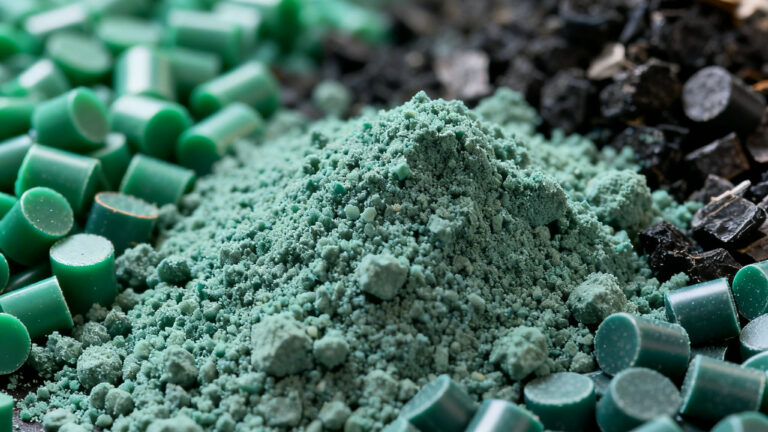
An ESA project studies how to transform lunar regolith into conductive materials to print electronic components in space, reducing dependence on Earth supplies.
Innovations An ESA project studies how to transform lunar regolith into conductive materials to print electronic components in space, reducing dependence on Earth supplies.
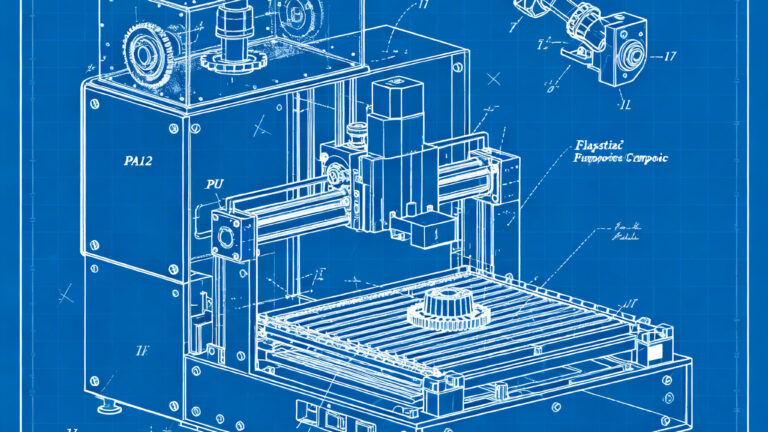
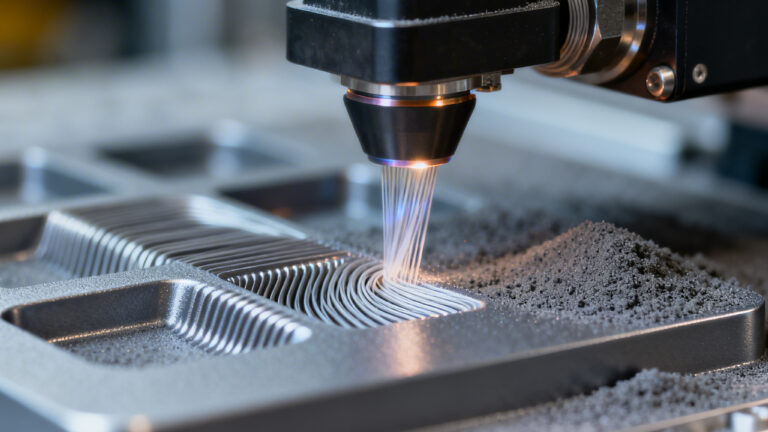
Manufacturing The direct production of functional parts without post-processing represents an evolution of additive manufacturing, aimed at eliminating post-printing processing stages. Thanks to advanced technologies and specialized materials, it is possible to obtain immediately usable components, reducing costs, times, and variability. Sectors such as aerospace and automotive are adopting these s
Innovations Innovation in materials and advanced recycling are transforming the manufacturing industry. Arkema, with the Virtucycle® program, promotes the use of recycled polymers without compromising performance. Technologies such as chemical recycling and 3D printing with recovered powders reduce environmental impact and costs. Strategic collaborations and bio-based materials open new paths towards an econ
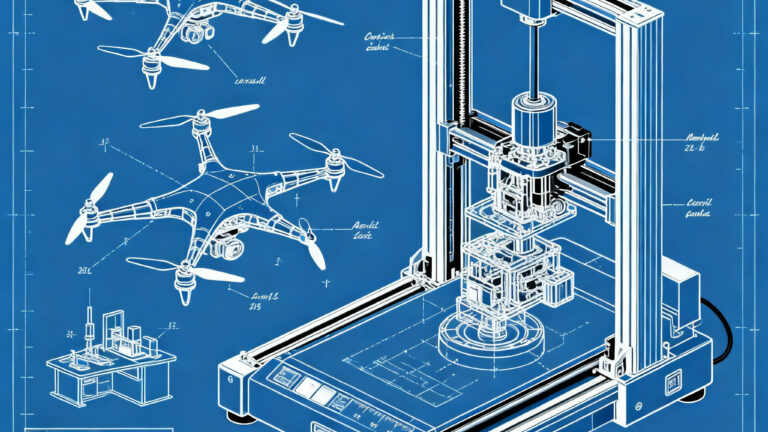
Innovations 3D printing is revolutionizing university laboratories, integrating into teaching and research processes. A key tool for rapid prototyping, it allows students to translate theory into practice, accelerating learning. Case studies such as drones and aerospace components demonstrate the real-world application of the technology, supported by advanced motion capture systems and workflow
Manufacturing The 3D printing market reaches $24.2 billion in 2025, with a growth of 10.91%. The sector enters a maturity phase, shifting from machinery to production services. The Asia-Pacific region grows at 19.81%, while Europe and EMEA slow down. Services cover 48% of the market, highlighting an industrial conversion based on real usage and economic return.
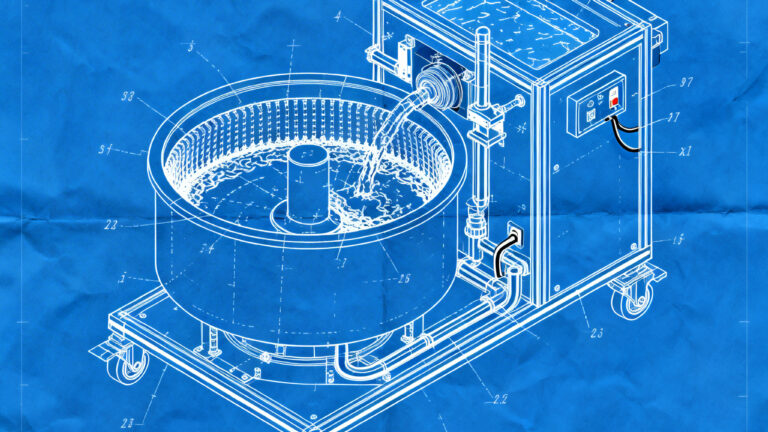
Manufacturing The M4 Basic by AM Solutions is a compact and plug-and-play system for industrial post-processing, ideal for small and medium-sized production realities. It guarantees quality finishes, repeatability and sustainability, eliminating manual methods. With easy installation, compatibility with various AM technologies and low operating costs, it represents an efficient and scalable solution for int
Manufacturing Industrial additive manufacturing today combines speed and precision thanks to advanced technologies such as multi-laser, AI and automated post-processing. Systems like SSLM and TVAM drastically reduce production times while maintaining high quality. High-performance materials – technical polymers, metal alloys and composites – expand applications. Automation in vapor smoothing and depowdering m
Manufacturing Australia is using additive manufacturing to build more resilient public infrastructure, reducing dependence on foreign suppliers and strengthening local production thanks to collaborations between research, industry, and government.
Manufacturing Industrial 3D printing can reduce environmental impact, but it requires strategic choices on materials, energy efficiency and life cycle management. Although it offers advantages such as less waste and simplification of the supply chain, the real benefit depends on sustainable feedstocks, efficient processes and recovery policies. Studies show that the use of recycled material and energy sources
Manufacturing The convergence between additive manufacturing and retail is redefining custom production, extending it from consumer goods to industrial sectors. Thanks to 3D printing, it is possible to produce multiple variants without additional costs, while artificial intelligence manages design complexity. Retail points are transforming into production and data collection nodes, enabling personalization
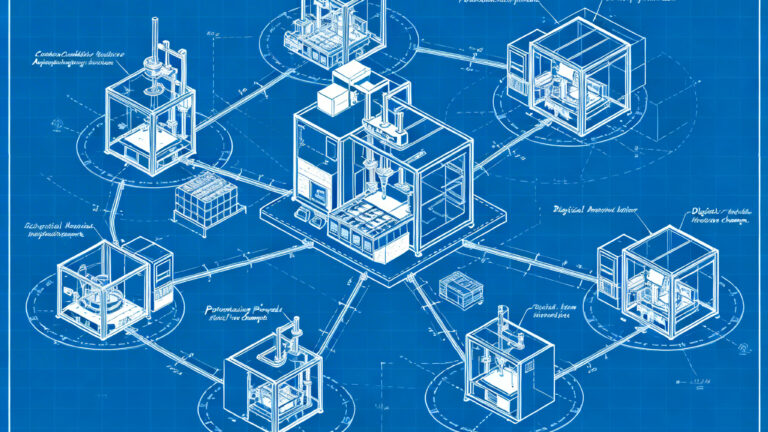
Manufacturing Automation of build preparation in additive manufacturing reduces errors and time through standardized and repeatable processes. Solutions like AMIS Runtime enable intelligent nesting and continuous optimization, increasing density and production flexibility. Benefits include fewer human errors, greater machine efficiency, and cost reduction. Integration requires val
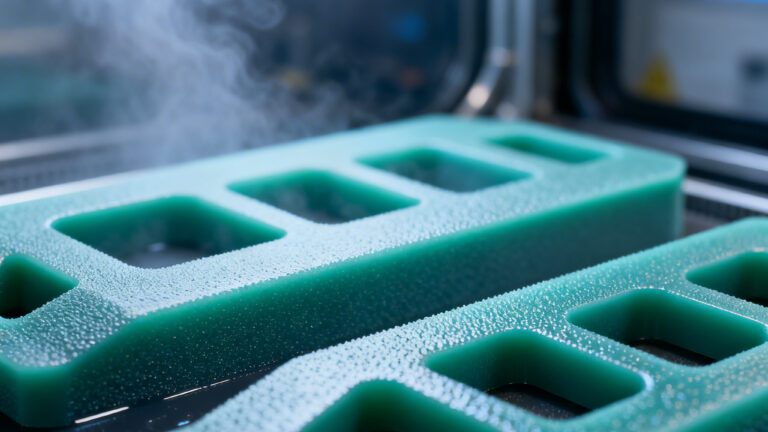
Manufacturing Post-processing and debinding are crucial stages in additive manufacturing that determine the quality, strength, and finish of components. Technologies such as vapor smoothing and chemical debinding improve surface and structural properties, making parts ready for industrial use.