Materiale: Metals

Accessible LPBF: How Startups Can Produce Metal Without Costs from Industry

Accessible LPBF: How Startups Can Produce Metal Without Costs from Industry

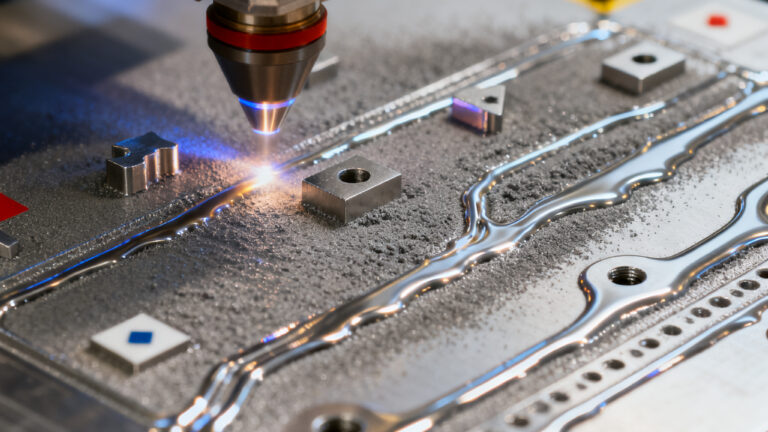
New entry-level LPBF systems, such as Metal-Base, make metal 3D printing accessible to startups and labs with costs under €10,000, thanks to innovative technologies, compact design, and open-source software.

How the PowTReX System Works for Advanced Management of Metal Powders

How the PowTReX System Works for Advanced Management of Metal Powders

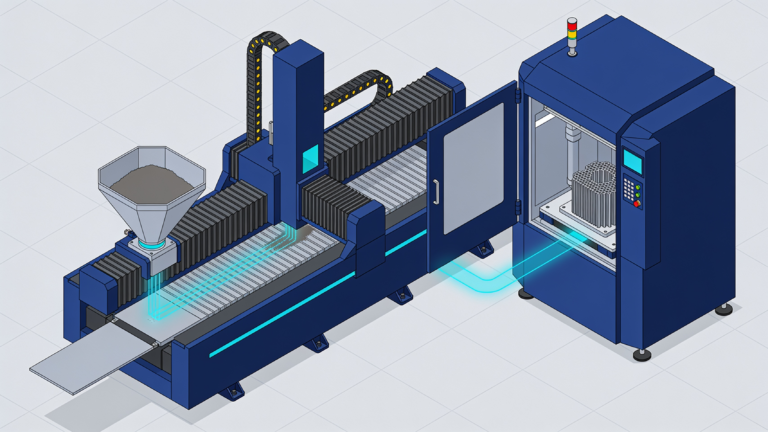
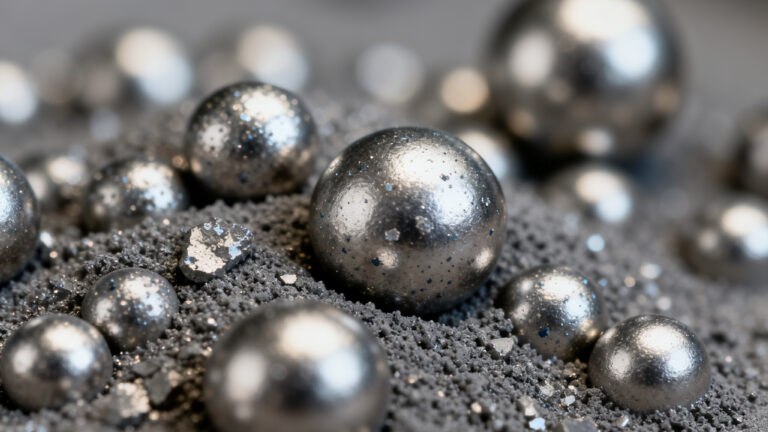
The PowTReX by Volkmann is an advanced system for the automated management of metal powders in additive production. It integrates pneumatic transport, ultrasonic sieving, and automatic recovery in a closed, explosion-proof environment, ensuring safety, material quality, and production continuity. Ideal for scalable industrial contexts and multi-supplier environments, it supports various metal allo

Dust under control: how patents are redefining precision in additive manufacturing

Dust under control: how patents are redefining precision in additive manufacturing

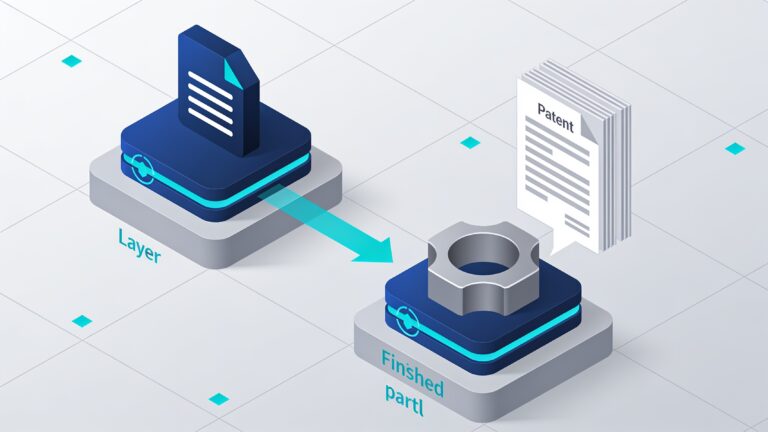
The filed patents improve dust control in metal 3D printing, monitoring its characteristics and flow in real-time to adapt process parameters. This reduces waste, improves layer quality and increases repeatability, with positive impacts on costs and production times.

Press TCT 2026: new frontiers of industrial additive manufacturing

Press TCT 2026: new frontiers of industrial additive manufacturing

The TCT Awards 2026 highlight the growing role of additive manufacturing in strategic sectors such as aerospace, defense, and automotive, with projects that integrate optimized structures, advanced materials, and cross-sector collaborations.

Hybrid Metal-Polymer FDM Extrusion: How It Works and What Are Its Industrial Applications

Hybrid Metal-Polymer FDM Extrusion: How It Works and What Are Its Industrial Applications

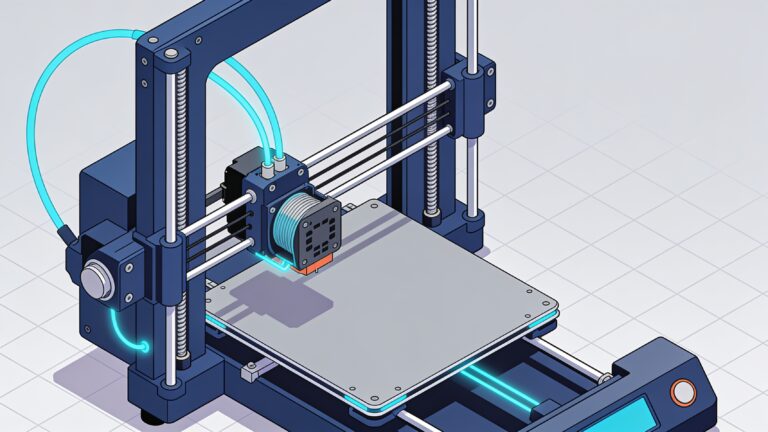
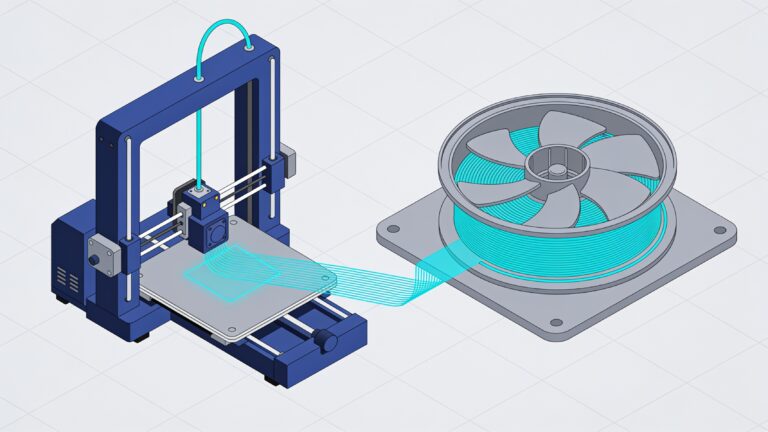
Hybrid metal-polymer FDM extrusion allows printing parts with metallic properties using composite filaments, without complex post-processing. It combines ease of use and safety, reducing costs and production times. Ideal for rapid prototyping and production of complex metal components in sectors such as aerospace, automotive, and tooling.

Additive Manufacturing for Hypersonic Vehicles: How 3D Printing is Changing the Aerospace Game

Additive Manufacturing for Hypersonic Vehicles: How 3D Printing is Changing the Aerospace Game

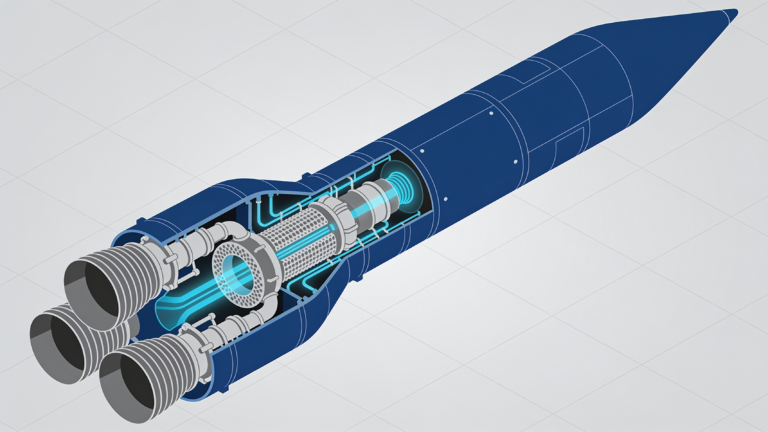
3D printing is revolutionizing the development of hypersonic vehicles, reducing costs and production times. Programs like the Pentagon's HyCAT focus on rapid and reusable test platforms, such as Hypersonix's DART AE demonstrator, entirely 3D printed. Additive manufacturing allows for complex geometries and the use of advanced materials resistant to high temperatures, accelerating

How to Transform Lunar Regolith into Printable Electronic Components

How to Transform Lunar Regolith into Printable Electronic Components

An ESA project studies how to transform lunar regolith into conductive materials to print electronic components in space, reducing dependence on Earth supplies.

Titanium Recycling Rewrites the Rules of Safety in US Supply Chains

Titanium Recycling Rewrites the Rules of Safety in US Supply Chains

Titanium recycling is strengthening the security of US supply chains, reducing dependence on foreign suppliers. IperionX, with its closed-loop model, produces recycled titanium for the defense sector, improving efficiency and strategic self-sufficiency.

Additive Manufacturing Rewrites the Rules of the Supply Chain in Defense: 6K and AGF Defcom Sign for Productive Sovereignty

Additive Manufacturing Rewrites the Rules of the Supply Chain in Defense: 6K and AGF Defcom Sign for Productive Sovereignty

The defense industry is betting on production self-sufficiency with 3D printing and material recycling. The partnership between 6K Additive and AGF Defcom introduces US-made metal powder for defense components, reducing waste and external dependencies. A circular system based on waste recycling lowers costs and environmental impact, responding to national security needs and to

Medical Implants and Metal Sensitivity: Balancing Biocompatibility, Durability, and Costs

Medical Implants and Metal Sensitivity: Balancing Biocompatibility, Durability, and Costs

The choice of materials for medical implants requires a balance between biocompatibility, durability, and costs. Titanium, PEEK, and bioresorbable materials like magnesium offer different solutions with specific advantages. Innovations such as TPMS structures and AI improve bone integration and reduce surgical times. Customization allows for better results, even with higher initial costs.

Smart heat exchangers: thermal efficiency comes from patents

Smart heat exchangers: thermal efficiency comes from patents

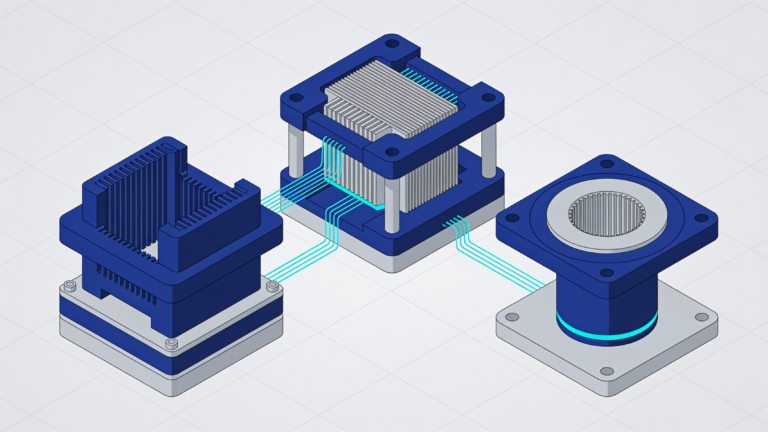
New smart heat exchangers, made with 3D printing technologies and patented, offer greater thermal efficiency without pumps or fans. Thanks to innovative geometries such as partial fins and preloaded integration in engines, weight, costs and consumption are reduced, improving reliability and facilitating assembly. Applications in data centers and aerospace confirm adva

Additive Manufacturing in Semiconductor Packaging: The Operational Plan of XTPL and Manz Asia

Additive Manufacturing in Semiconductor Packaging: The Operational Plan of XTPL and Manz Asia

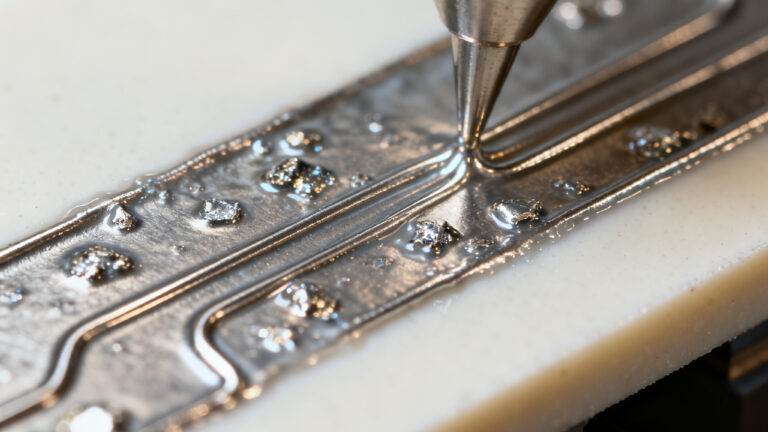
XTPL and Manz Asia collaborate to integrate Ultra-Precise Dispensing (UPD) technology into semiconductor advanced packaging processes. Thanks to this partnership, XTPL can scale the adoption of its solution without infrastructure investments, entering the Taiwanese market through a technological demonstrator. UPD technology enables sub-micron depositions of materials c

/