3D printing without CAD? Here's how
From idea to finished product in just a few clicks: artificial intelligence and next-generation 3D printers are eliminating the technical barriers between creativity and physical production. You no longer need to be a CAD expert or know complex printing parameters.
The revolution is already underway. Tools like Meshy allow you to transform a simple text description into a printable physical object, while machines like the Gauss MT90 automate the entire production process. The result? Anyone can go from digital imagination to tangible reality.
- Meshy generates 3D models ready for printing from text prompts, without CAD skills
- The Gauss MT90 automatically configures printing parameters in Quick Start mode
- Integrated software repairs meshes, selects materials, and sets parameters autonomously
Dall’idea al modello in pochi secondi
The new generation of tools based on artificial intelligence allows you to generate 3D models ready for printing directly from a text description, completely eliminating the CAD design phase.
Meshy represents the turning point. The system transforms a text prompt into a complete 3D model, ready for production. No 3D modeling skills or advanced technical knowledge are required.
The flow is completely automated. The software autonomously repairs the model's geometry, adapting it to production constraints. Then it recommends materials, finishes, and printing parameters based on the shape and intended use of the object.
«We have automated the most difficult parts of the process, from mesh repair to full-color production», explains Ethan Hu, founder and CEO of Meshy. «Now anyone who knows how to write a prompt can hold a professional-quality object in their hands».
The platform also integrates real-time pricing and production options through a network of manufacturing partners. The path from AI-generated design to physical product becomes direct and immediate.
Printing that requires no experience
Solutions like the Gauss MT90 simplify the entire production process, minimizing manual intervention and the technical skills required to print metal safely.
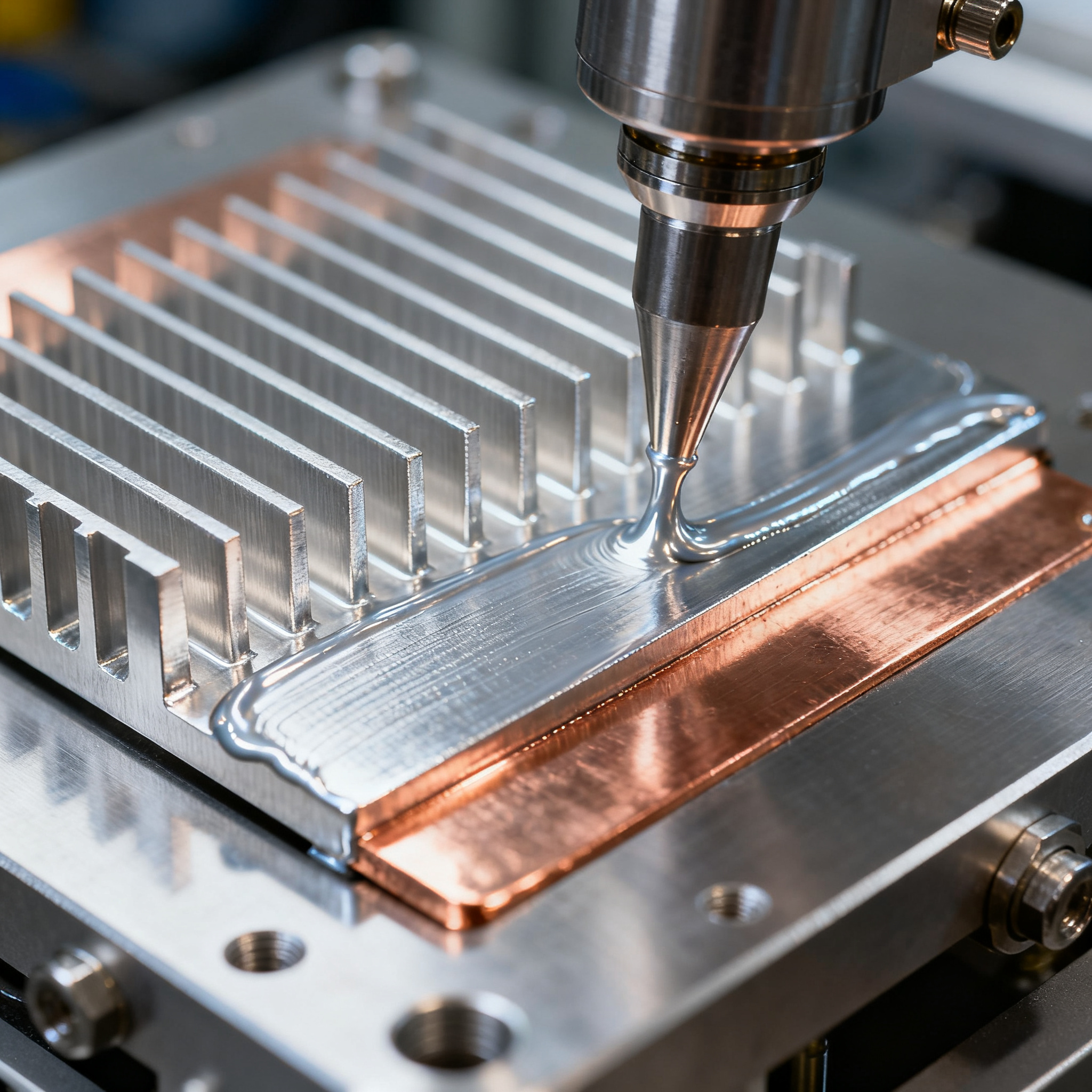
Korean company MetalPrinting has launched the Gauss MT90, a compact printer based on paste metal extrusion (PME). The technology eliminates the risks of traditional solutions: no powders, explosions, or high temperatures.
The machine was designed with inexperienced users in mind. The Quick Start mode automatically configures process parameters, allowing printing to start in minutes. An integrated HEPA filter blocks emissions, while an LED system provides visual status feedback.
PME technology makes metal printing safe for non-industrial environments, eliminating powders and high-temperature processes typical of laser or welding solutions.
The Gauss MT90 is compatible with SUS 316L stainless steel, copper, titanium, and aluminum. Thanks to a precise dispensing algorithm, it can manufacture high-precision components such as heat sinks and electronic elements. Energy consumption is reduced because it does not require lasers or high-power heating.
Automatic repair and optimization
The integrated software autonomously corrects models, selects materials, and sets printing parameters, drastically accelerating time-to-product.
L’automation touches every phase of the workflow. Systems like Meshy automatically repair geometry to meet product and manufacturing constraints. A specialized technician is no longer needed to check and correct files.
Material selection is based on the model shape and intended use. The software analyzes the geometry and suggests the optimal solution, including finishes, coloring, and slicing parameters. The end user only needs to approve the proposed choices.
Automated workflow
- Generation: Enter a text prompt to create the base 3D model.
- Optimization: The system repairs the mesh and adapts the geometry automatically.
- Production: Materials, parameters, and manufacturing partners are selected by the software.
This level of automation drastically reduces development times. The transition from idea to physical product, which used to take days or weeks, is now completed in hours. The barrier to entry collapses, opening physical production to creatives, designers, and developers without a technical background.
Conclusion
3D printing finally becomes accessible to everyone, eliminating the need for CAD skills and advanced technical knowledge. Intelligent automation transforms creativity into physical products at a speed unthinkable until recently.
Gaming, personalized entertainment, and on-demand production directly benefit from this technological democratization. The distance between digital imagination and physical reality thins until it almost disappears.
Try an automatic generation tool and discover how much it speeds up your creative workflow. The future of physical production is already here and no longer requires years of technical training to be exploited.
article written with the help of artificial intelligence systems
Q&A
What is Meshy and how does it simplify 3D model creation?
Meshy is an artificial intelligence-based platform that transforms a text description into a 3D print-ready model. The system automates geometry repair, recommends materials and finishes, and integrates production options with manufacturing partners, eliminating the need for CAD skills.
What does the PME technology of the Gauss MT90 printer consist of?
PME (Paste Metal Extrusion) technology is a metal paste extrusion process that makes metal 3D printing safe even in non-industrial environments. Unlike traditional methods, it does not use powders, high temperatures, or lasers, reducing risks and emissions thanks to an integrated HEPA filter.
What materials can the Gauss MT90 use and what advantages does it offer?
The printer is compatible with SUS 316L stainless steel, copper, titanium, and aluminum. Thanks to the absence of lasers and high-power heating, energy consumption is reduced, while a precise dispensing algorithm allows for the creation of high-precision components such as heat sinks.
How does the traditional workflow change with these new automated tools?
The process is structured in three automated phases: model generation from text prompt, autonomous mesh and geometry optimization, and automatic selection of materials, parameters, and production partners. This reduces time-to-product from days or weeks to a few hours, without requiring specialized technical intervention.
Why is the new generation of 3D printers and AI software considered a revolution for non-expert users?
Because it eliminates traditional technical barriers, such as knowledge of CAD and complex printing parameters. Tools like Meshy and the Gauss MT90 allow anyone to go from idea to physical product with a few clicks, democratizing access to physical production.
What does the Gauss MT90's Quick Start mode do?
The Quick Start mode automatically configures the process parameters for metal printing, allowing even inexperienced users to start production in a few minutes. It is accompanied by an LED system that provides visual feedback on the machine's status and a HEPA filter for environmental safety.