Settore Industriale: Manufacturing

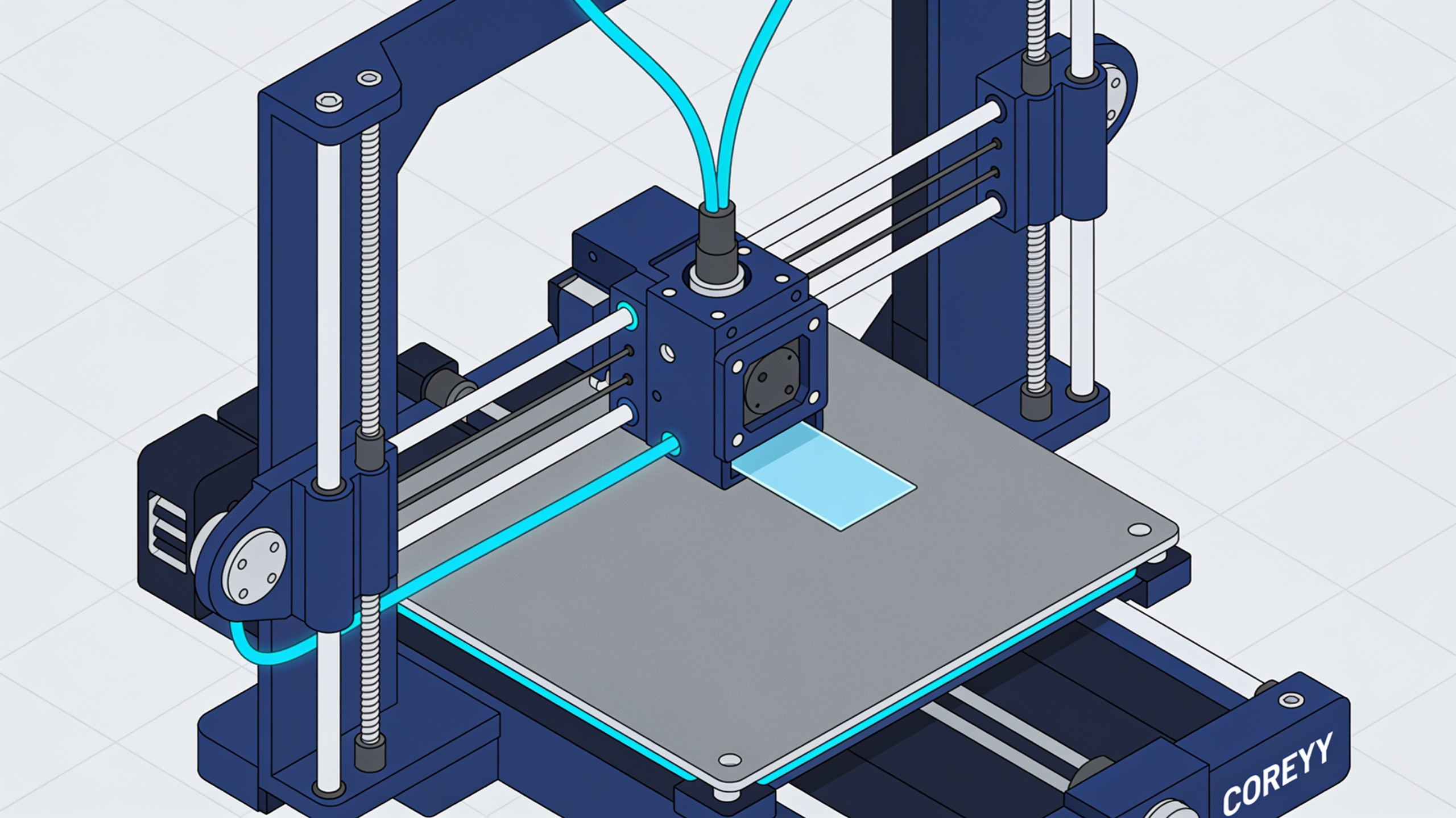
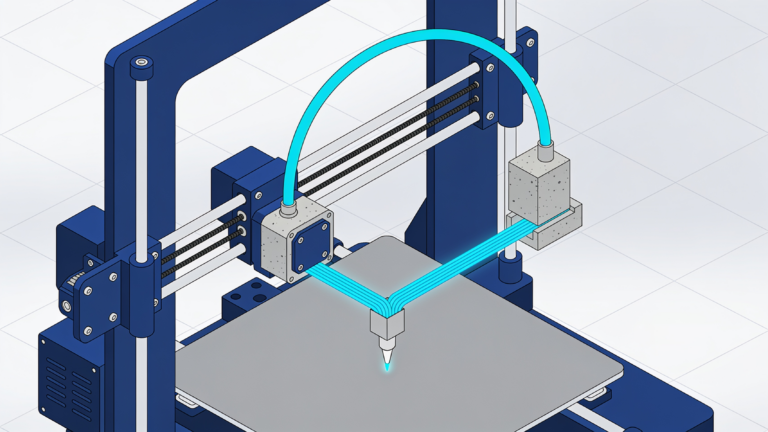
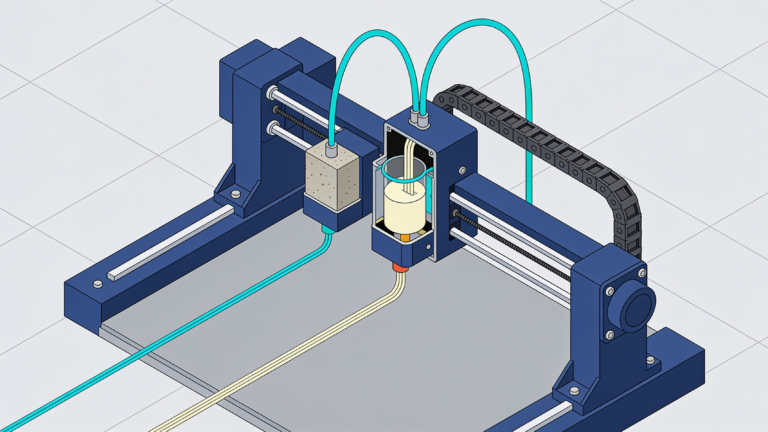
FullSpectrum and Toolchanger: How Advanced Color 3D Printing Really Works

FullSpectrum and Toolchanger: How Advanced Color 3D Printing Really Works

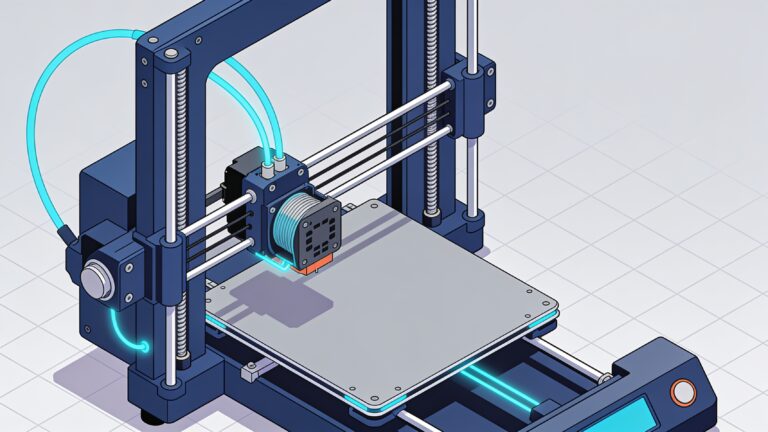
Advanced color 3D printing is evolving with FullSpectrum and intelligent toolchangers, combining optical mixing and rapid tool changing to achieve realistic gradients and shades, reducing waste and downtime. Technologies like Snapmaker Orca Full Spectrum and multi-nozzle toolchangers open new possibilities for aesthetic prototyping and multicolor design, maintaining high productivity.

Beyond Traditional Slicing: Advanced Architectures for Path Planning in Industrial 3D Printing

Beyond Traditional Slicing: Advanced Architectures for Path Planning in Industrial 3D Printing

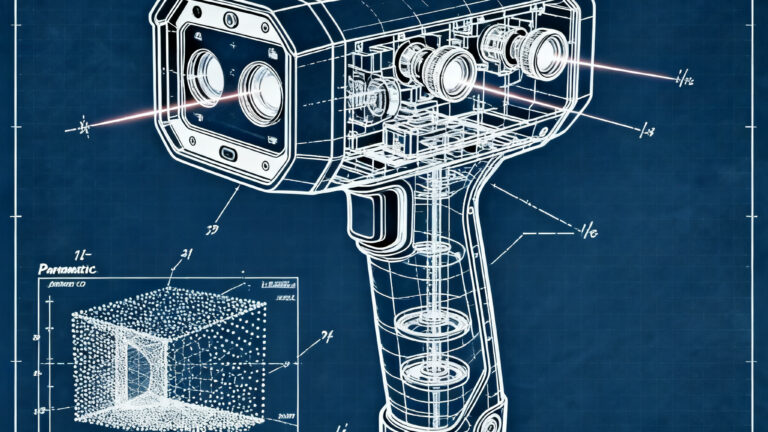
The article explores how advanced software architectures, such as 64-bit systems and modern geometric libraries, are revolutionizing path planning in slicers for industrial 3D printing, improving precision, reliability, and efficiency.

Photopolymer Resin Safety in SLA Printers: Process Standardization and Informed Choices

Photopolymer Resin Safety in SLA Printers: Process Standardization and Informed Choices

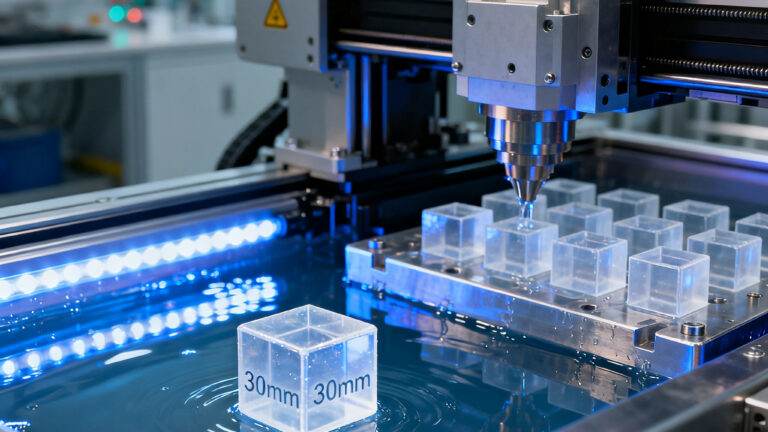
SLA 3D printing with photopolymer resins requires attention to chemical risks. Material selection, operational safety, and disposal are fundamental for health and compliance.

Nozzle and Gcode: Advanced Techniques for Precision in 3D Printing

Nozzle and Gcode: Advanced Techniques for Precision in 3D Printing

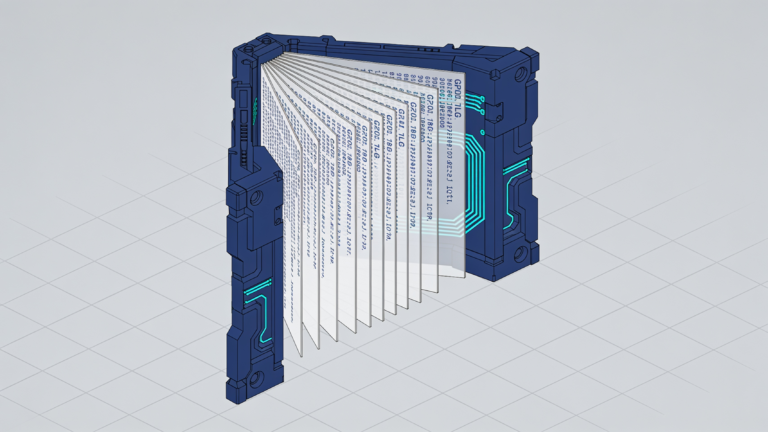
Optimizing nozzle and G-code is essential for precise 3D printing. The choice of nozzle diameter, extrusion calibration, and the correct use of G1, M109/M104 commands allow for avoiding defects and improving quality. Advanced techniques like Blender simulation and custom nozzles open new possibilities in areas such as food or ceramics.

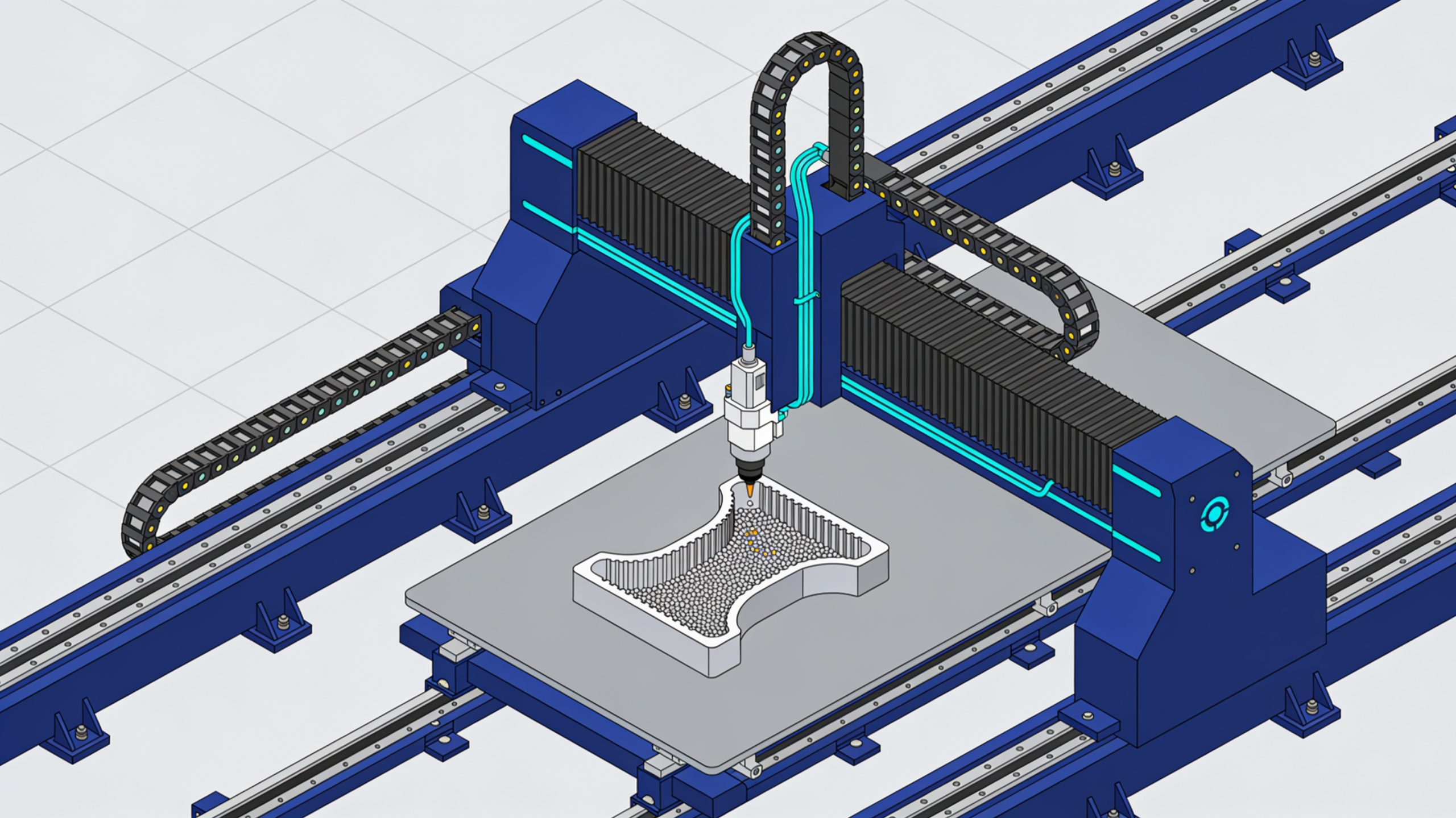
How Functional Grading Works in Industrial Additive Processes

How Functional Grading Works in Industrial Additive Processes

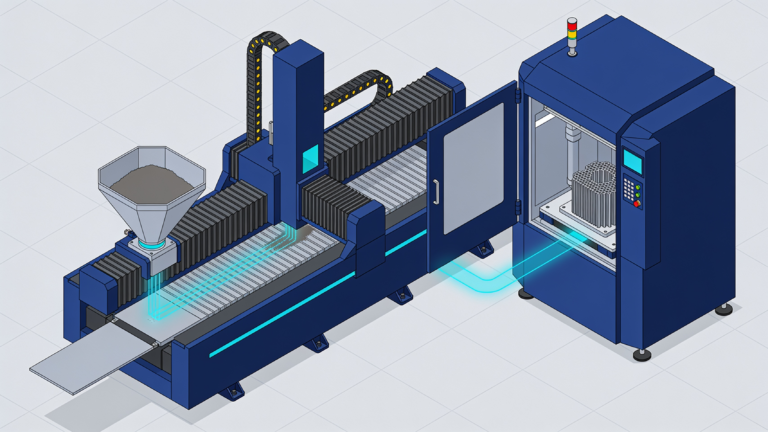
Functional grading in industrial additive processes enables the creation of components with variable properties in a controlled manner, modulating the thermal energy during deposition. Thanks to sensors and real-time feedback, the process allows gradual and precise transitions of mechanical characteristics, without interruptions or the need for assembly. This innovative technology finds app

HP extends Multi Jet Fusion service: here is how the 3D printing industry is changing

HP extends Multi Jet Fusion service: here is how the 3D printing industry is changing

HP expands Multi Jet Fusion service with the new IF 600HT printer and the Maintenance & Monitoring Service, targeting the industry with greater reliability, scalability, and flexibility on materials.

Additive Manufacturing vs Plastic Injection: Trade-offs in Industrial and Aerospace Contexts

Additive Manufacturing vs Plastic Injection: Trade-offs in Industrial and Aerospace Contexts

The choice between 3D printing and plastic injection depends on volume, customization, and operational context. Injection dominates in high volumes, while 3D printing is preferred for small batches and complex geometries. Both are complementary.

Managing Software and Firmware Updates for Printers: A Technical Operational Guide

Managing Software and Firmware Updates for Printers: A Technical Operational Guide

Updating printer firmware and software is essential to prevent errors, optimize materials, and improve efficiency. Neglecting them can cause waste, interruptions, and a drop in quality. Following an accurate procedure, with testing and backups, allows you to fully leverage technological advantages and extend the life of the machines.

How 3D Printing is Revolutionizing Luxury Jewelry Production

How 3D Printing is Revolutionizing Luxury Jewelry Production

3D printing is revolutionizing luxury jewelry, enabling complex shapes, reduced production times, and less waste of precious metals. Thanks to digital design and technologies like SLA and LPBF, designers can create details impossible to achieve with traditional methods, accelerating prototyping and production. Integration with lost-wax casting maintains the high quality

How to Design a High-Volume 3D Printing University Makerspace

How to Design a High-Volume 3D Printing University Makerspace

The University of Wisconsin–Madison Makerspace is a model of a high-volume 3D printing university laboratory, based on standardized workflows, FDM/FFF technologies, and a hybrid team of students and technicians. Thanks to this approach, the center manages thousands of annual prints with high efficiency, supporting teaching, research, and innovation in a scalable and sustainable ecosystem.

Bioinspired Soft Robotics: How Multimaterial 3D Printing is Revolutionizing Integrated Actuators and Sensors

Bioinspired Soft Robotics: How Multimaterial 3D Printing is Revolutionizing Integrated Actuators and Sensors

Multimaterial 3D printing is revolutionizing bioinspired soft robotics, allowing the direct integration of actuators and sensors into flexible structures. This approach eliminates complex processes and accelerates prototyping and customization, opening new opportunities in the medical, surgical, and industrial fields.

Implementing Direct-to-Consumer in the industrial sector: an operational plan for regional expansion

Implementing Direct-to-Consumer in the Industrial Sector: An Operational Plan for Regional Expansion

Implementing a Direct-to-Consumer (DTC) model in the industrial sector requires a structured approach that goes beyond online sales, integrating design, production, and logistics into an end-to-end workflow. Success depends on the governance of distributed capacity, secure digital platforms, and transparency in processes. Cases like Polymaker and Juise Mobility show how DTC, if well pro

/