3D printing without overheating? The trick is in the gas
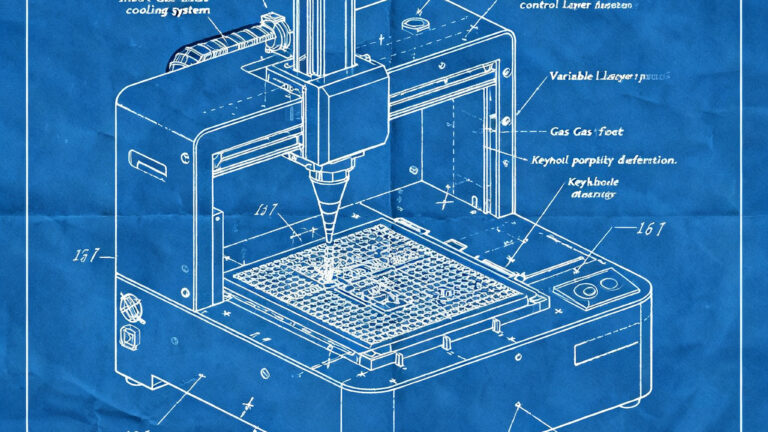
New patented method for thermal control in metal 3D printing reduces times by up to 47% and prevents defects caused by overheating, improving quality and repeatability.

 Innovations
 New patented method for thermal control in metal 3D printing reduces times by up to 47% and prevents defects caused by overheating, improving quality and repeatability.
 Manufacturing
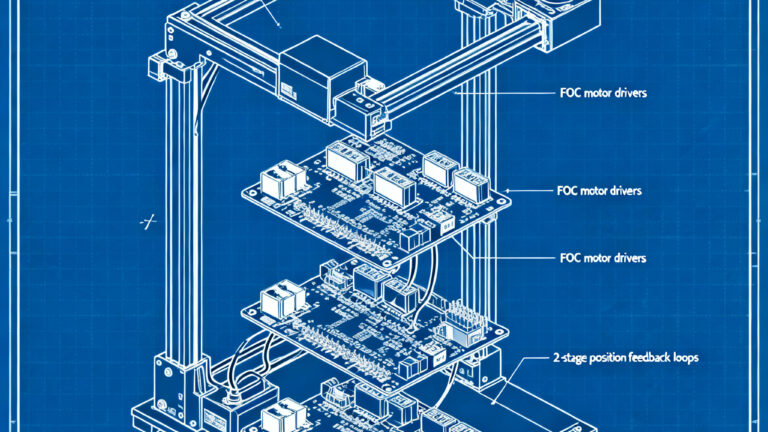
 Scalable Motion Control for Industrial 3D Printers: modular architecture enabling reuse, upgrades, and flexible adaptation to different mechanical configurations. Dyze Design's Aurora system with two-stage feedback for greater precision and responsiveness. Benefits: cost reduction, targeted maintenance, and gradual integration.
 Manufacturing
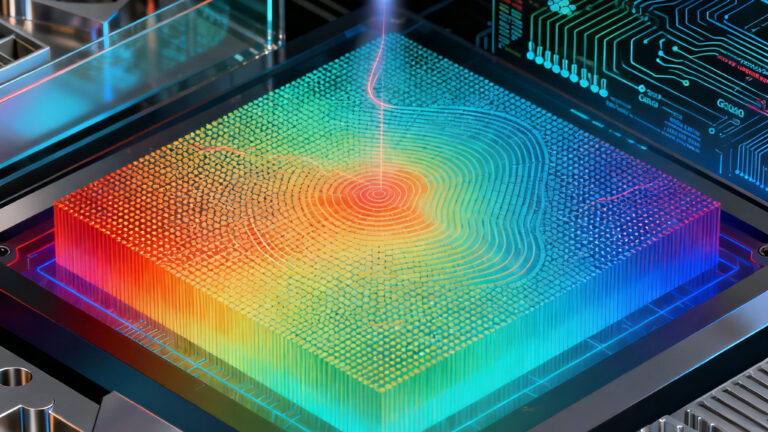
 3D simulation is essential to prevent defects in metal printing, reducing costs and production times. Tools like PanX allow for predictive process optimization, improving quality and efficiency.
 Manufacturing
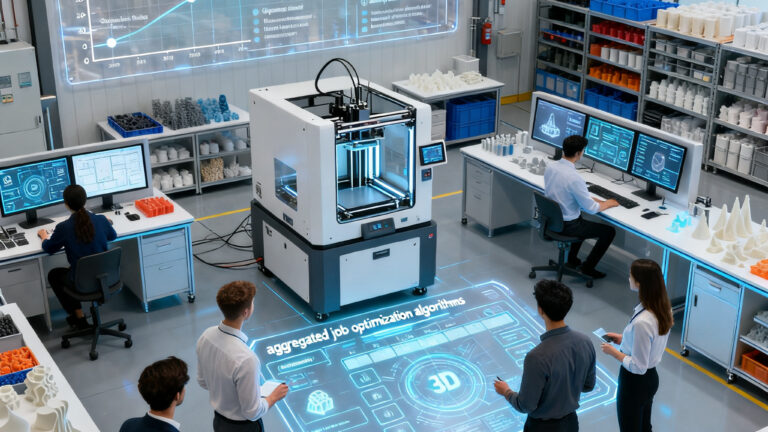
 Optimizing additive production requires a holistic vision that includes not only print time, but also preparation phases, order aggregation, and post-processing. Often overlooked, these latter stages represent the true bottlenecks. To improve efficiency and reduce delivery times from 3 days to 3 hours, it is essential to integrate the entire production flow into a system
 Manufacturing
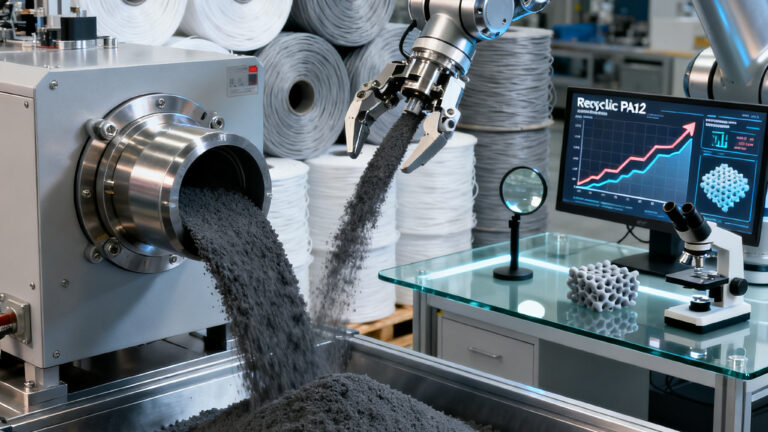
 Recycling high-performance polymers, such as PA12, offers significant economic and environmental benefits. Transforming waste powder into recycled filament reduces costs by up to 30% and increases independence from the supply chain. Maintaining high mechanical performance, the recycled material can be used in non-critical structural applications. A controlled process ensures
 Manufacturing
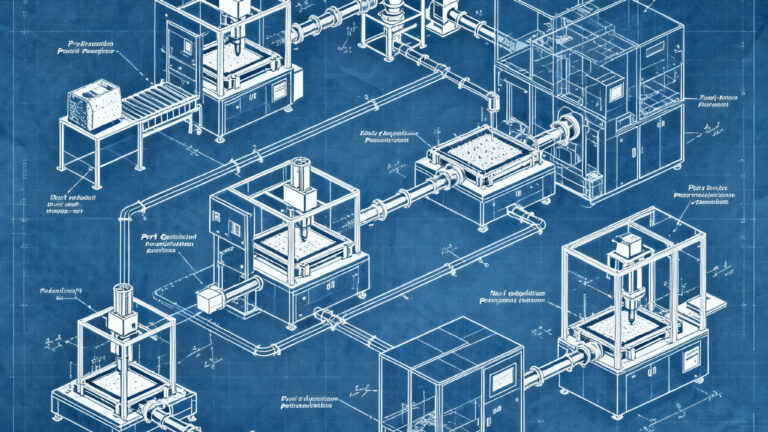
 The integrated supply chain in the metal 3D printing sector represents a key competitive advantage, with a focus on end-to-end support, traceability, and certified quality. Technology alone is not enough: reliable partners are needed to reduce costs and lead times, improving efficiency and production resilience.
 Manufacturing
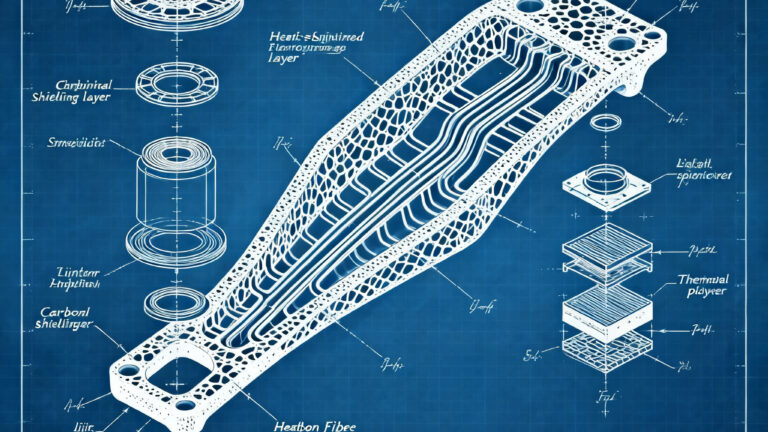
 The fragility of global supply chains puts the world economy at risk. Distance, logistics, and geopolitical volatility generate hidden costs. Local production and additive manufacturing are emerging as solutions to reduce risks and response times. Traditional metrics are not enough: a new approach based on resilience is needed.
 Manufacturing
 Additive manufacturing offers competitive advantages in automotive and motorsport, reducing development times and optimizing components. Technologies like SLS, binder jetting, and PBF allow on-demand production, weight reduction, and greater strength. Practical cases demonstrate the effective integration of 3D printing without disrupting existing production lines.
 Manufacturing
 The implementation of AI in production process control requires a systemic approach that goes beyond the optimization of individual machines. To achieve significant results in additive manufacturing, it is necessary to integrate data, automation, and open standards throughout the entire production cycle. Only then can AI become the “digital nervous system” of the factory, ensuring quality,
 Innovations
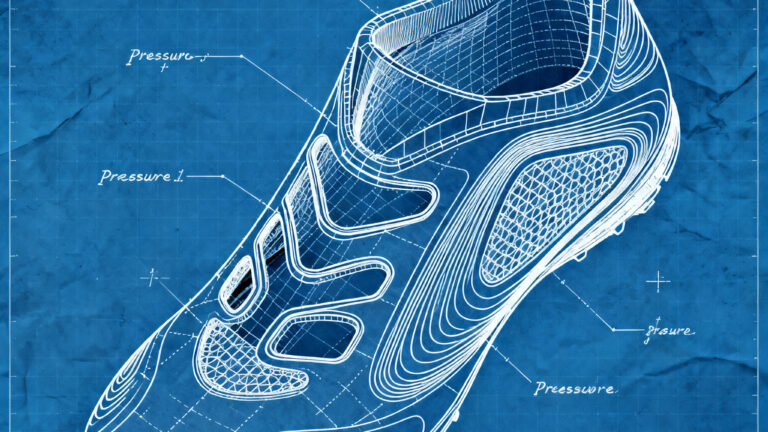
 Large-scale customization in the sports industry is made possible by 3D printing, which allows for the production of customized equipment without increasing costs. Thanks to parametric design and AI, companies and teams like Legacy Motor Club are able to create functional components quickly and with significant savings. The technology enables the efficient management of thousands of variants,
 Manufacturing
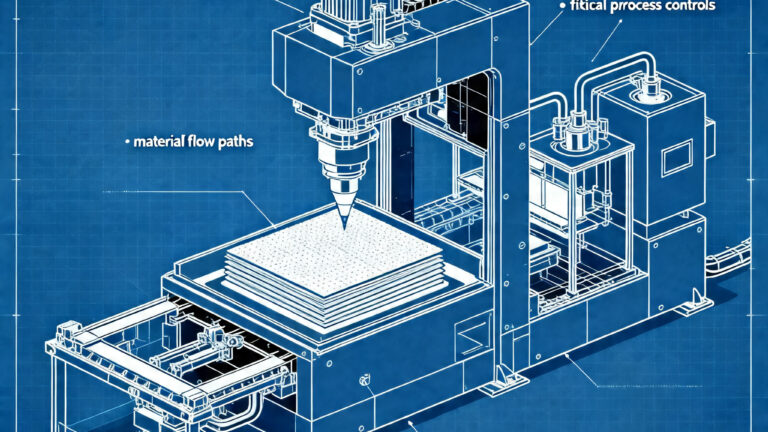
 Additive Manufacturing (AM) succeeds in production only when applied to specific cases with high functional requirements, not to replace traditional methods, but to solve needs that these cannot satisfy. Success depends on consolidated designs, controlled materials, fixed parameters, and disciplined post-processing. Sectors such as aerospace, medical, and tooling exploit the
 Manufacturing
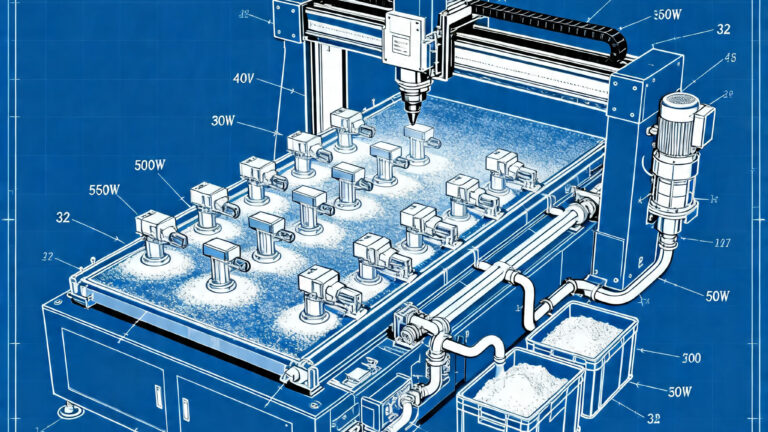
 Multi-laser systems with 32 units of 500W each represent the state of the art in metal 3D printing, offering build volumes of up to 3862 liters. While increasing productivity and automation, these plants present thermal limits, powder management issues, and geometric constraints that affect actual production feasibility. Integration with MES and automated systems enables scalability