Settore Industriale: Aerospace

Comparison of 3D Printing Technologies for Polymers: FDM, SLA, SLS, and MJF Compared

Comparison of 3D Printing Technologies for Polymers: FDM, SLA, SLS, and MJF Compared

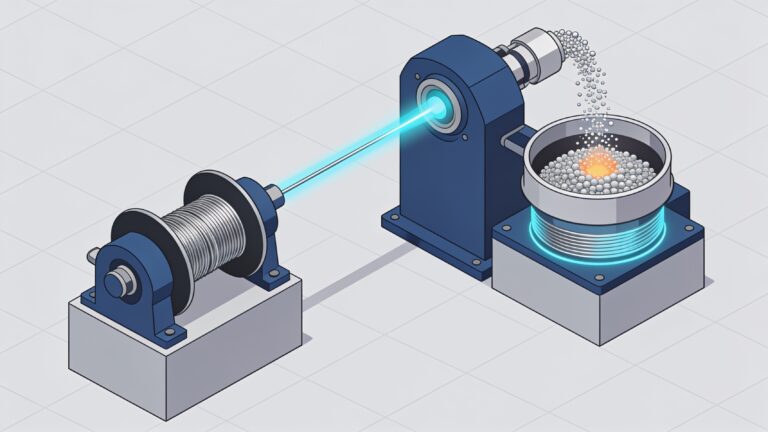
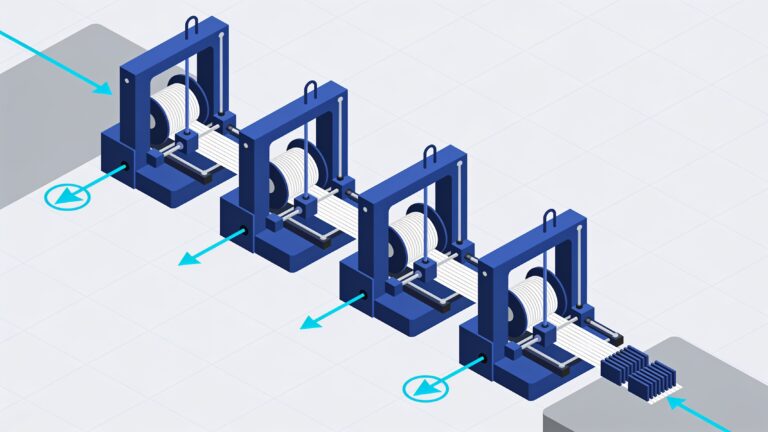
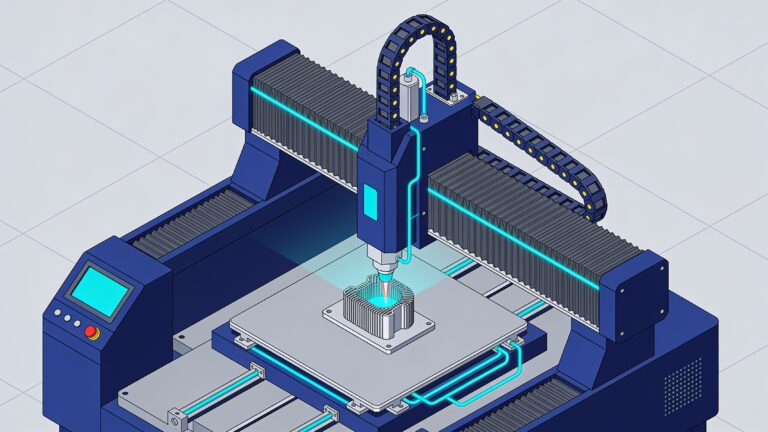
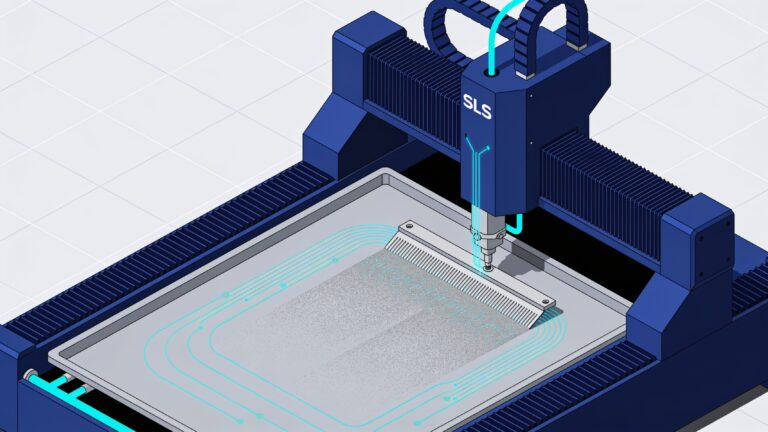
Comparison between 3D printing technologies for polymers: FDM, SLA, SLS, and MJF. Each technology offers specific advantages in terms of precision, mechanical strength, surface finish, and industrial applications. The evolution of materials is expanding operational boundaries in advanced sectors such as aerospace, automotive, and medical.

HP extends Multi Jet Fusion service: here is how the 3D printing industry is changing

HP extends Multi Jet Fusion service: here is how the 3D printing industry is changing

HP expands Multi Jet Fusion service with the new IF 600HT printer and the Maintenance & Monitoring Service, targeting the industry with greater reliability, scalability, and flexibility on materials.

How the New CAD Cloud-Native Is Revolutionizing Design for 3D Printing

How the New CAD Cloud-Native Is Revolutionizing Design for 3D Printing

The new cloud-native CAD revolutionizes design for 3D printing, overcoming the limits of traditional systems. Thanks to hybrid modeling, simulation integration, and automation, it enables rapid and precise modifications, reducing times and errors. Ideal for scalable and innovative additive productions.

Advanced Training for Industrial 3D Printing: How Companies Build Scalable Competencies

Advanced Training for Industrial 3D Printing: How Companies Build Scalable Competencies

Advanced training in industrial 3D printing is now strategic for bridging the skills gap and ensuring the growth of the sector. Structured programs, academic partnerships, and hybrid learning models are preparing professionals capable of integrating technology and productive practice.

Additive Manufacturing vs Plastic Injection: Trade-offs in Industrial and Aerospace Contexts

Additive Manufacturing vs Plastic Injection: Trade-offs in Industrial and Aerospace Contexts

The choice between 3D printing and plastic injection depends on volume, customization, and operational context. Injection dominates in high volumes, while 3D printing is preferred for small batches and complex geometries. Both are complementary.

Industrial 3D Printing: Contract Clauses at Risk and How to Avoid Them

Industrial 3D Printing: Contract Clauses at Risk and How to Avoid Them

Industrial 3D printing presents often underestimated contractual risks, with clauses that unilaterally shift liability and costs onto clients. Key points include: GPS tracking, geographic limits, training obligations, vague definitions of “failure”, and choice of jurisdiction. It is essential to negotiate fair contracts to avoid legal constraints and ensure safe operations.

New Frontiers of the Workforce in Additive Manufacturing: Operational Skills at the Center of Industrial Transformation

New Frontiers of the Workforce in Additive Manufacturing: Operational Skills at the Center of Industrial Transformation

The additive manufacturing industry is evolving towards greater maturity, with a focus on specific skills, production, and customer interaction. An increasing number of professionals is changing the job market, making hiring more selective and promoting internal skill development.

How to Redesign Industrial Metal AM Production: An Operational Playbook for Scalability and Efficiency

How to Redesign Industrial Metal AM Production: An Operational Playbook for Scalability and Efficiency

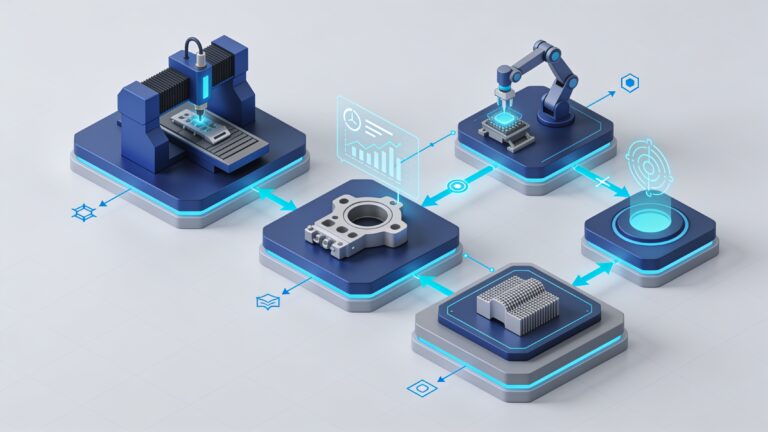
The future of industrial metal AM requires an integrated approach that connects all production processes into a single intelligent architecture, eliminating physical movements and operational delays. Winning factories do not improve individual steps, but redesign the entire workflow as a system coordinated by a common layer of intelligence, automation, and shared data.

How Energy-Absorbing Metamaterials Are Revolutionizing Structural Safety

How Energy-Absorbing Metamaterials Are Revolutionizing Structural Safety

Titanium metamaterials, thanks to their nature-inspired geometric structure realized with SLM 3D printing, absorb energy more efficiently and predictably than traditional materials. Designed to distribute stresses homogeneously, they offer a stable stress plateau during deformation, ideal for structural safety applications in the aerospace field

Desktop 3D printer: industrial or prosumer? How to choose

Desktop 3D printer: industrial or prosumer? How to choose

Entry-level desktop 3D printing offers low costs but presents limitations in quality, materials, and reliability compared to industrial systems. Compromises on advanced materials, post-sales support, and longevity make a careful evaluation of actual production needs necessary before purchase.

New Investment Criteria for Additive Manufacturing: Operational Excellence Over Speculation

New Investment Criteria for Additive Manufacturing: Operational Excellence Over Speculation

Investors in additive manufacturing are increasingly focusing on operational efficiency and solid business models, leaving technological speculation behind. Businesses with stable contracts, sustainable margins, and the ability to generate real value in the production chain are being rewarded.

How AI is stitching together the engineering workflow with Aibuild OS

How AI is stitching together the engineering workflow with Aibuild OS

Aibuild OS is an AI platform that unifies the engineering workflow, integrating CAD, CAE, and CAM into a single intelligent environment. It eliminates fragmentation between tools, automates complex processes with “Digital Engineers,” and generates 3D models from text or 2D inputs, reducing errors and production times.

/