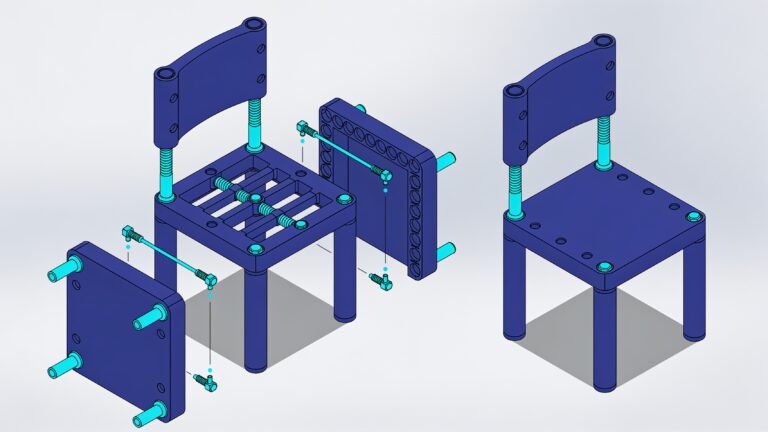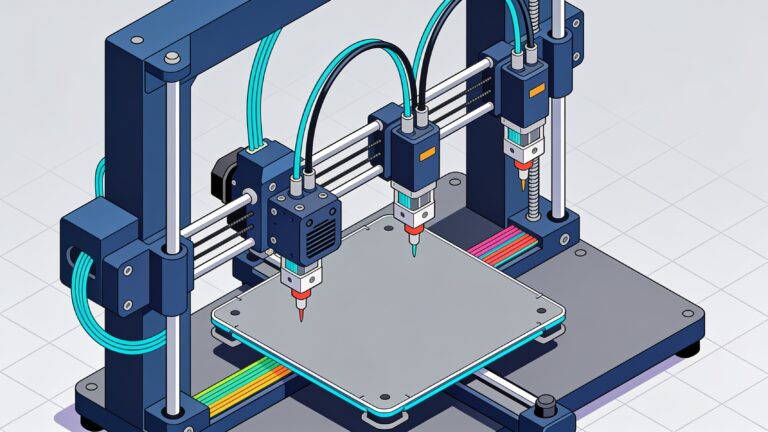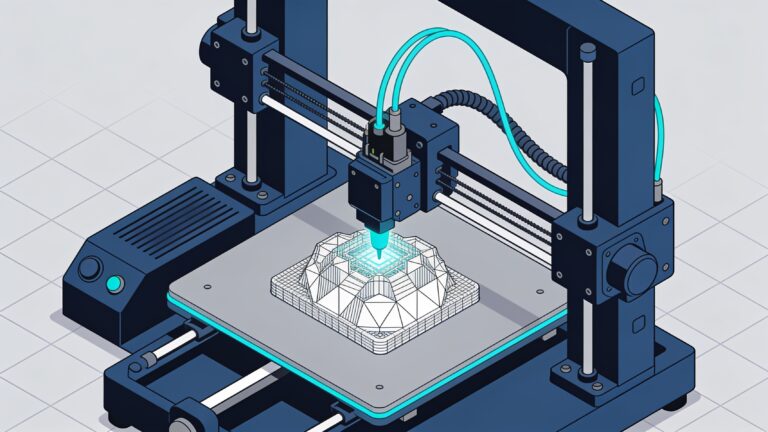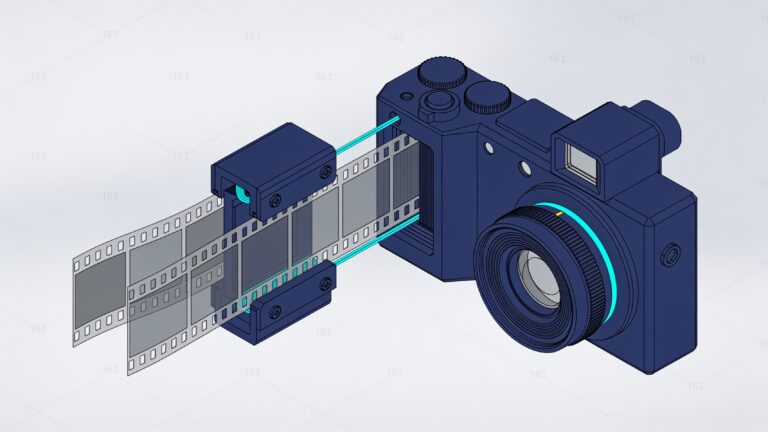
Applicazione: Prototyping

How is a color created in Bambu Studio 2.5.3?

How is a color created in Bambu Studio 2.5.3?

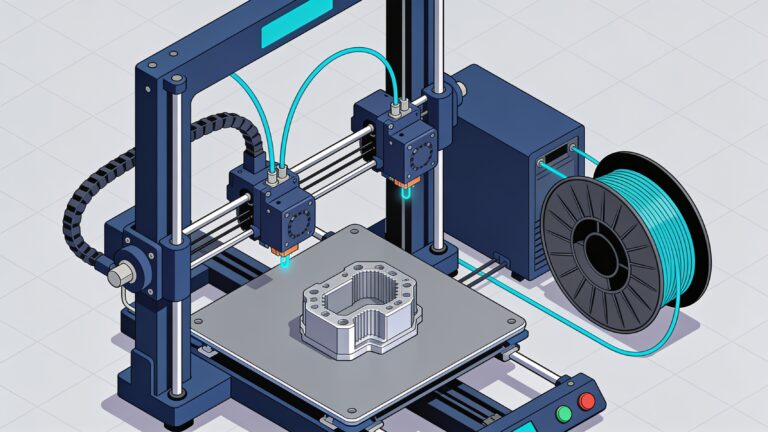
Bambu Studio 2.5.3 introduces Color Mixing: create custom shades by combining 2-3 filaments of the same type. Thanks to a software-controlled optical effect, it generates uniform colors or gradients without purchasing new spools. Requires compatible and translucent materials for optimal results.

3D printers at school? Not enough: here's the real plan

3D printers at school? Not enough: here's the real plan

Equipping schools with 3D printers is not enough: a structured educational plan oriented towards professional objectives is needed. Programs must integrate practical skills, critical thinking, and knowledge of materials to train professionals capable of choosing and applying technology with awareness.

Critical bugs fixed: OrcaSlicer and Marlin are now more reliable

Critical bugs fixed: OrcaSlicer and Marlin are now more reliable

OrcaSlicer v2.3.2 and Marlin 2.1.3-b3 resolve critical bugs: no more crashes in multi-material slicing, 3MF vulnerabilities closed, and native support for FLY boards and GD32 processors. Essential updates for stability, security, and modern hardware.

Cooling by half a millimeter?

Cooling by half a millimeter?

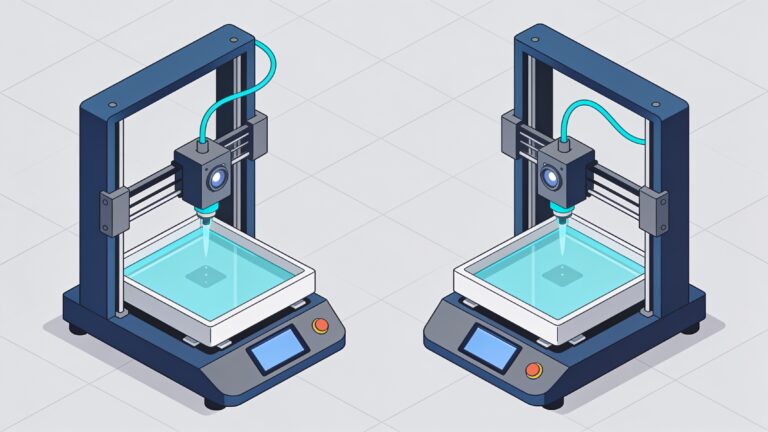
A photopolymerizable ceramic slurry formulation enables 3D printing of components with cooling channels down to 0.2 mm. DLP technology overcomes the limits of traditional bonding, opening new perspectives for wafers, micro-coolers, and laser mirrors. Scalability and material stability remain to be verified.

HyCAT: 300 km/h in 3 days?

HyCAT: 300 km/h in 3 days?

HyCAT, a Pentagon program, accelerates hypersonic aerodynamic testing with dedicated vehicles and commercial launchers, reducing time and costs.

3D RF Components: Less Weight, More Power?

3D RF Components: Less Weight, More Power?

3D printing is revolutionizing the production of RF components, enabling lighter antennas and integrated EMI shielding in electronic packages. Additive technologies improve efficiency, customization, and reduce weight, while posing challenges regarding materials and repeatability.

Can you automate the post-processing of the resin?

Can you automate the post-processing of the resin?

Automating the post-processing of resin improves precision and repeatability. A modular workflow adapts each phase to the specific parameters of the material, reducing errors and manual times. The integration between the printer and washing/curing stations enables certified, traceable, and scalable flows, ideal for professional and biocompatible applications.

Who is in charge when costs dictate the law?

Who is in charge when costs dictate the law?

The cost reduction of key components such as lasers and light engines is democratizing additive manufacturing, allowing access to metal 3D printers under $10,000. This change is redefining market dynamics, shifting the focus from hardware to services and adaptability to specific use cases. Modularity and standardization allow new realities to com

Scalable Motion Control for Industrial 3D Printers?

Scalable Motion Control for Industrial 3D Printers?

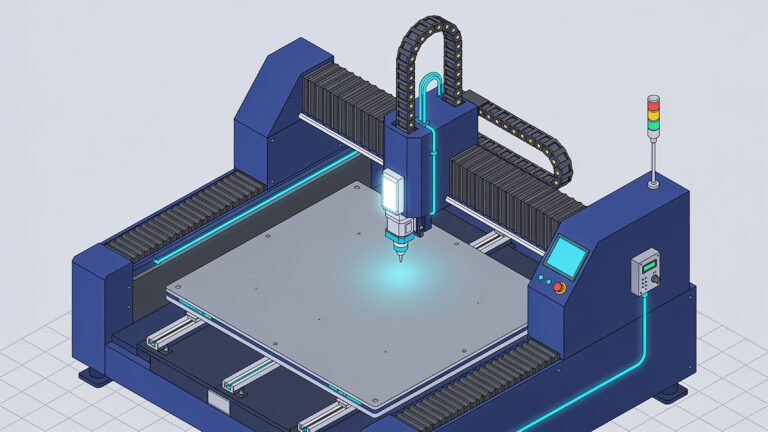
Scalable Motion Control for Industrial 3D Printers: modular architecture enabling reuse, upgrades, and flexible adaptation to different mechanical configurations. Dyze Design's Aurora system with two-stage feedback for greater precision and responsiveness. Benefits: cost reduction, targeted maintenance, and gradual integration.

War drones: how to build autonomous systems at a defensive level?

War drones: how to build autonomous systems at a defensive level?

Autonomous warfare requires integrated multi-domain systems, not just drones. The US DAWG program invests billions in sacrificial, modular platforms produced locally with technologies like 3D printing. The objective is to create rapid, scalable, and interoperable defensive capabilities, supported by advanced commands like SAWC. Priorities: distributed production, reduced costs, rapid qualification.

How does the army print in mission?

How does the army print in mission?

Additive production is revolutionizing military logistics, reducing supply times and costs. The Camp Lejeune model shows how targeted training and technological integration allow for the printing of critical parts in the field, saving up to 99.81% compared to traditional methods.

Recycle to compete? The hidden advantage of high-performance polymers

Recycle to compete? The hidden advantage of high-performance polymers

Recycling high-performance polymers, such as PA12, offers significant economic and environmental benefits. Transforming waste powder into recycled filament reduces costs by up to 30% and increases independence from the supply chain. Maintaining high mechanical performance, the recycled material can be used in non-critical structural applications. A controlled process ensures

/