OrcaSlicer 2.4.2: bug fix profiles and cloud
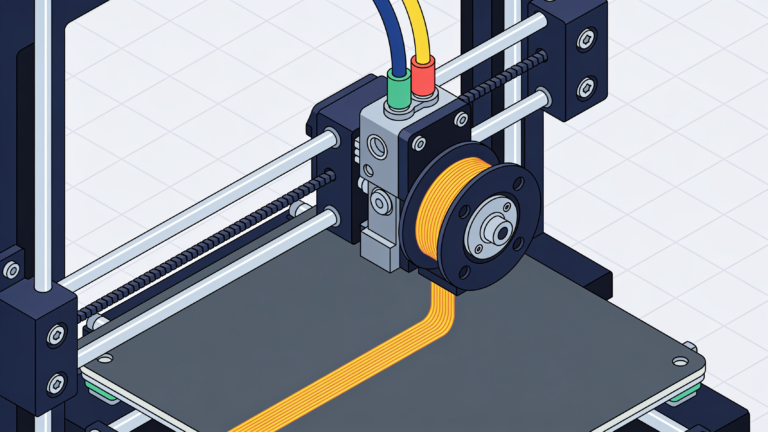
OrcaSlicer 2.4.2 risolve problemi di sincronizzazione cloud, compatibilità dei profili e stabilità, migliorando l’affidabilità del software open source.

 Manufacturing
 OrcaSlicer 2.4.2 risolve problemi di sincronizzazione cloud, compatibilità dei profili e stabilità, migliorando l’affidabilità del software open source.
 Manufacturing
 Turmeric in 3D printing: the kitchen spice that reduces light scattering in ceramics
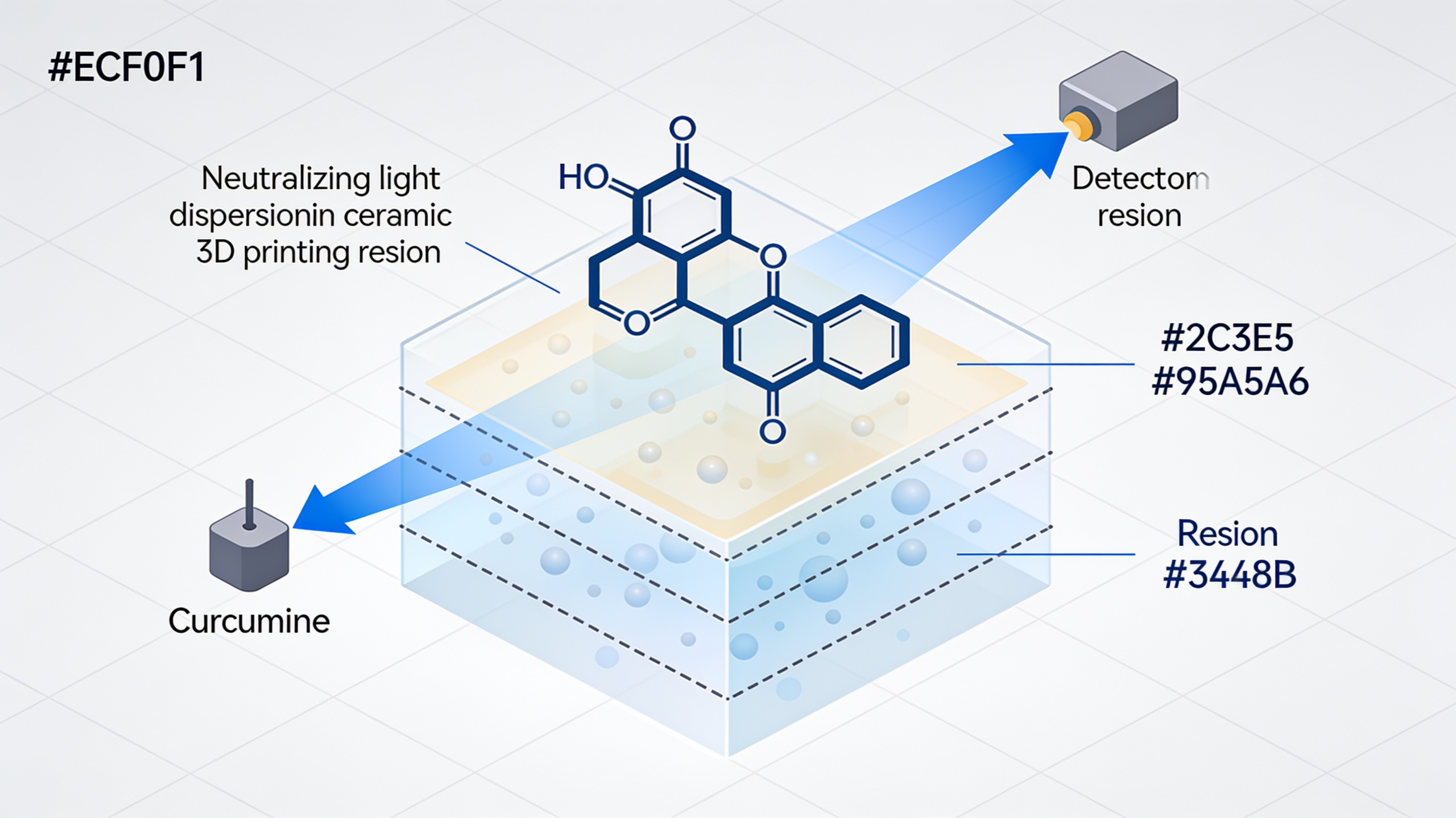
Ricercatori della Hunan University hanno scoperto che la curcumina, il composto attivo della curcuma, risolve uno dei problemi più critici della stampa 3D ceramica: la dispersione incontrollata della
 Innovations
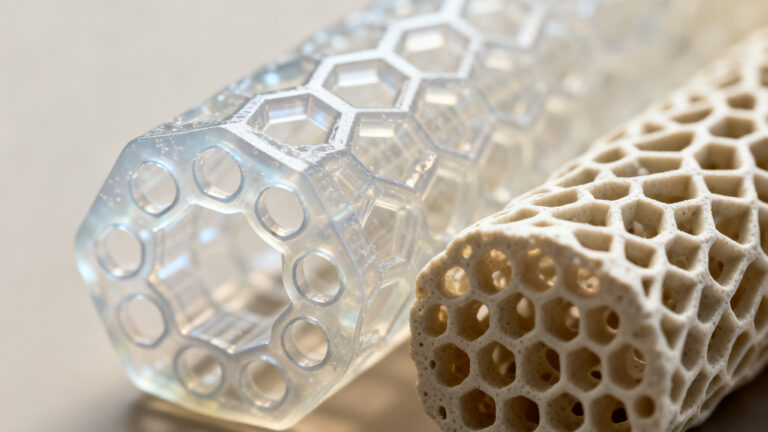
 La stampa 3D reinventa scaffold medici con microcanali esagonali per i nervi e strutture gyroid per le ossa. Materiali approvati e geometrie intelligenti migliorano la rigenerazione, ma validazione clinica e normativa sono ancora necessarie.
 Manufacturing
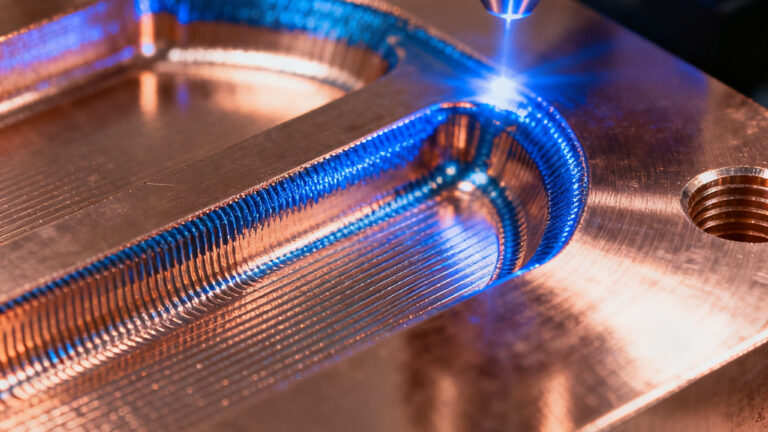
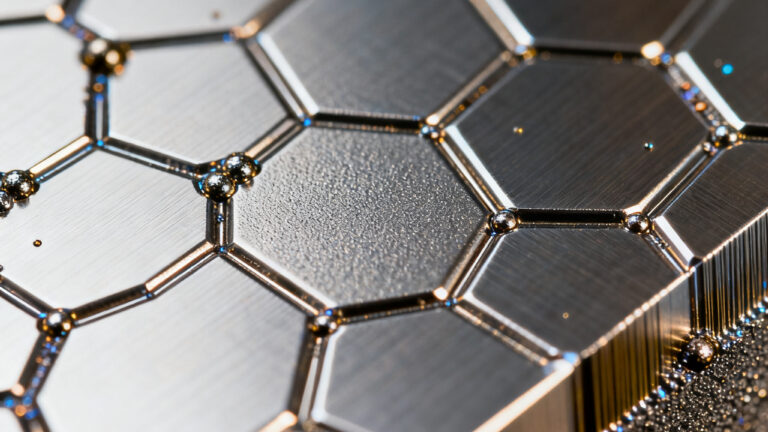
 I sistemi ibridi uniscono additivo e sottrattivo in una piattaforma sola, riducendo setup ed errori. Non sono sempre convenienti: il valore dipende da geometria, materiali e tolleranze. L’AR/VR migliora il controllo ma richiede calibrazione. Scegliere con criterio trasforma complessità in vantaggio.
 Innovations
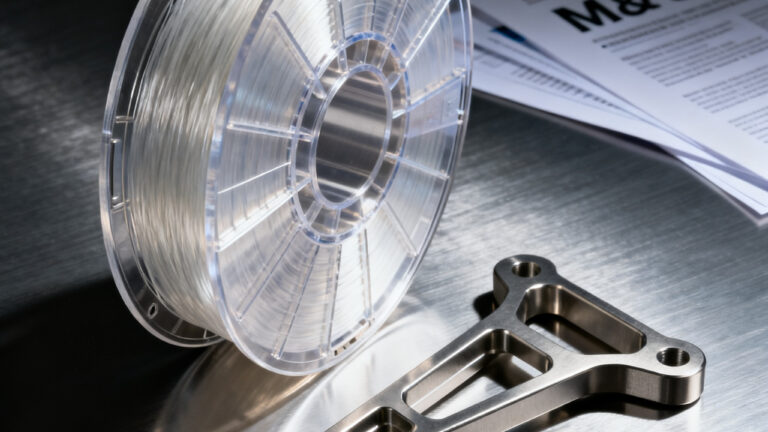
 Modelli computazionali e machine learning consentono di prevedere proprietà e comportamento di leghe avanzate come HEA e RCCA prima della produzione, accelerando lo sviluppo di materiali su misura per applicazioni estreme in aerospaziale e industria.
 Manufacturing
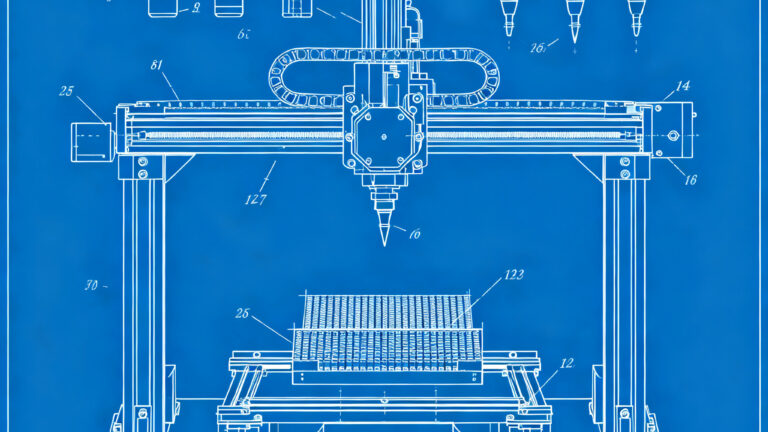
 Nel settore della stampa 3D il consolidamento premia la specializzazione verticale e il controllo delle filiere, penalizzando chi è generalista. Management buyout e acquisizioni mirate rafforzano nicchie ad alto margine come medical e aerospazio. Coerenza tecnologica e ricavi ricorrenti sono la chiave per competere.
 Maker
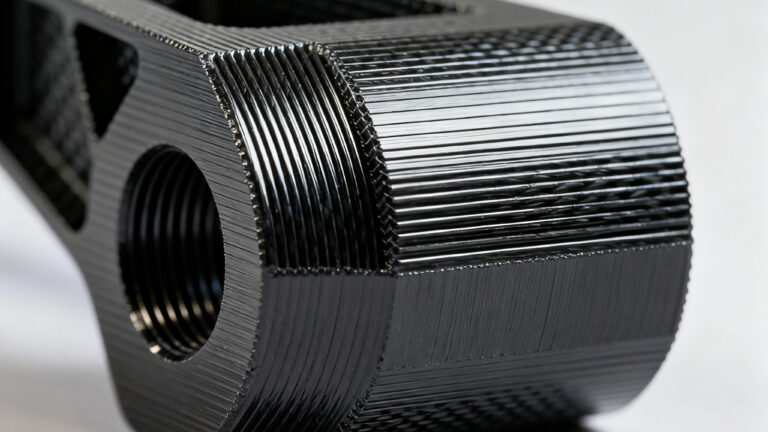
Maker Comparison between Prusa XL, InfiMech MX Pro, and Snapmaker U1: three approaches to toolchanger for 3D printing. Prusa focuses on flexibility and customization, InfiMech on speed with eight toolheads and waste reduction, Snapmaker on an integrated ecosystem. The choice depends on specific needs.
 Manufacturing
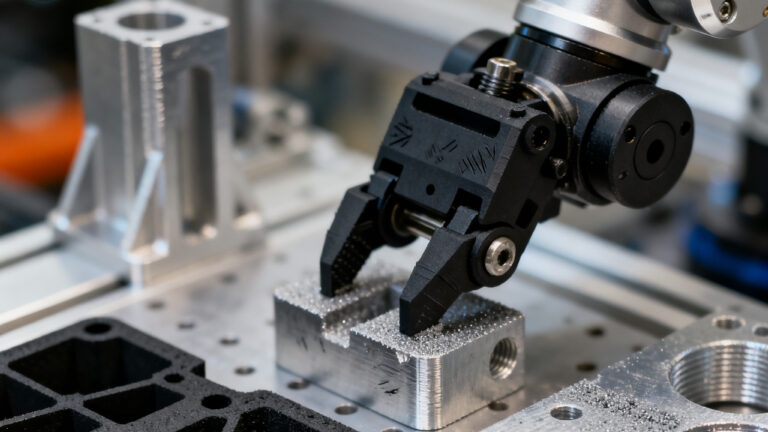
 Roboze entra nell’ecosistema SABIC in Arabia Saudita per produrre localmente componenti critici con stampa 3D. Integra tecnologia avanzata, materiali locali e formazione di talenti sauditi, riducendo la dipendenza dalle catene globali e costruendo un’economia industriale resiliente e sovrana.
 Manufacturing
 Tre mosse per localizzare l’industria: scegliere un settore tecnologico preciso, definire regole di trasparenza e collaborazione tra i player locali, e specializzarsi orizzontalmente su un segmento produttivo per economie di scala mirate. Ecosistemi industriali duraturi nascono da scelte concrete, non da visioni generiche.
 Manufacturing
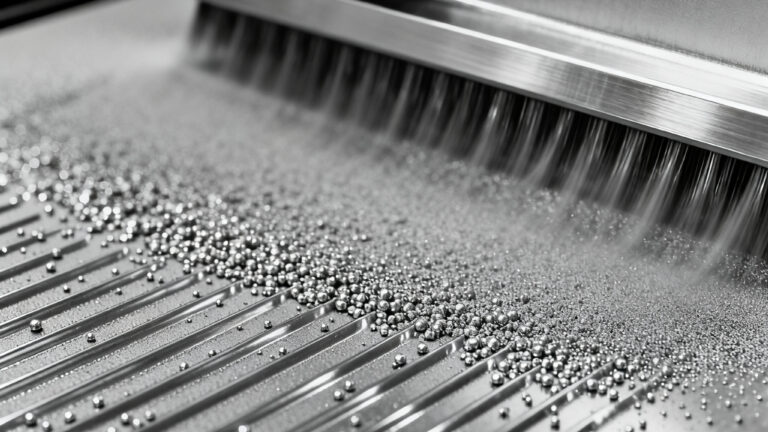
 Due brevetti accelerano la stampa 3D metallica PBF: vibrazioni nel distributore per strati di polvere più uniformi e un metodo sperimentale per ottimizzare parametri, raggiungendo densità oltre il 99,95% e riducendo il tempo di setup. Soluzioni concrete ma con limiti operativi da valutare.
 Manufacturing
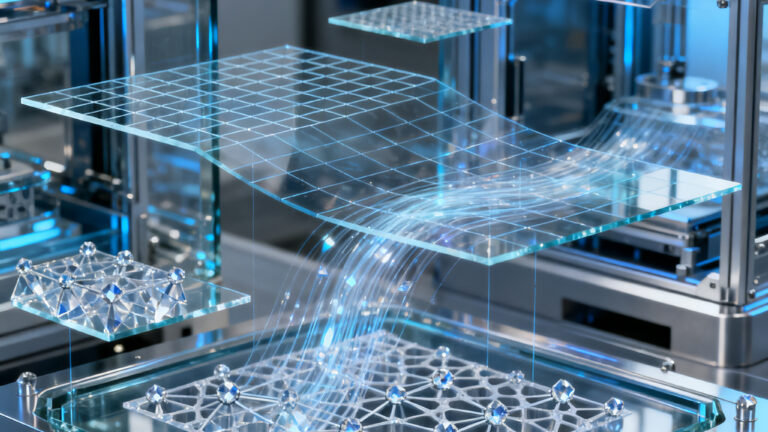
 La stampa 3D in microgravità migliora le ceramiche: carburo di silicio e allumina si distribuiscono meglio senza gravità. Photocentric ha collaudato CosmicMaker su voli parabolici, dimostrando un processo LCD senza supporti ideale per la produzione nello spazio.
 Manufacturing
 L’Additive Manufacturing Alliance unisce AM I Navigator e Leading Minds per industrializzare l’additive manufacturing. Con Materialise, Siemens e altri partner, offre strumenti operativi e roadmap concrete per superare la sperimentazione e integrare l’AM nella produzione industriale.