Category: Maker

Why is your 3D printer making noise?

Why is your 3D printer making noise?

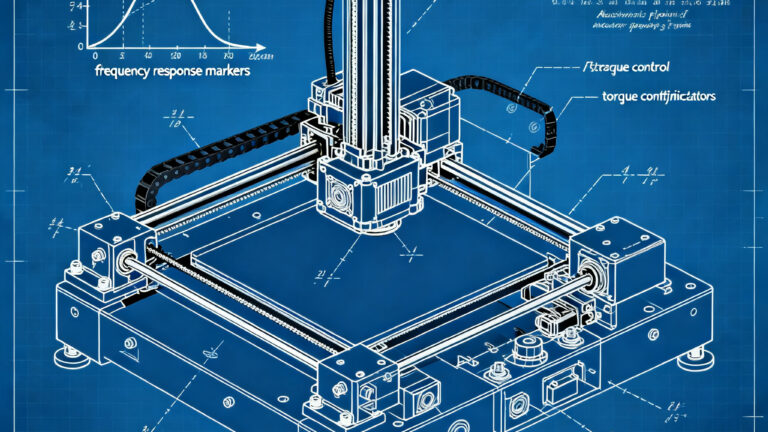
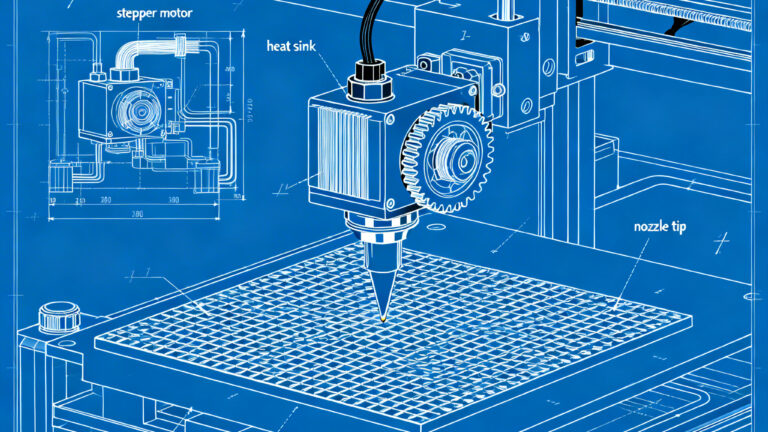
The noise from 3D printers mainly comes from stepper motor vibrations during movement. To reduce it, acoustic insulation is not enough; it is necessary to intervene on motor control, acceleration, and feedback. Techniques like input shaping allow vibrations to be prevented at the source, improving both noise and print quality. Good tuning of the parameters d

Can you really 3D print the CORE One?

Can you really 3D print the CORE One?

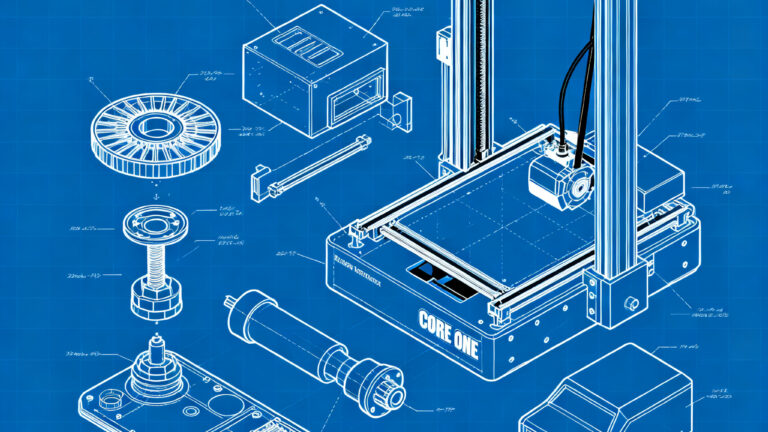
Prusa releases the CORE One CAD files under the new open-source OCL license, which allows modifications, sharing, and internal use, but prohibits direct sale without an agreement. Discover what you can concretely do with STEP and Fusion 360 files.

3D Printing at School Without Uncertainties?

3D Printing at School Without Uncertainties?

3D printing in schools can be inclusive and scalable if well planned. Simple models, materials like PLA, and collaboration with teachers allow for optimizing production and educational impact, avoiding waste and overloads. Starting with pilot projects and scaling gradually is the key to success.

3D Printer Upgrades: What Real Value?

3D Printer Upgrades: What Real Value?

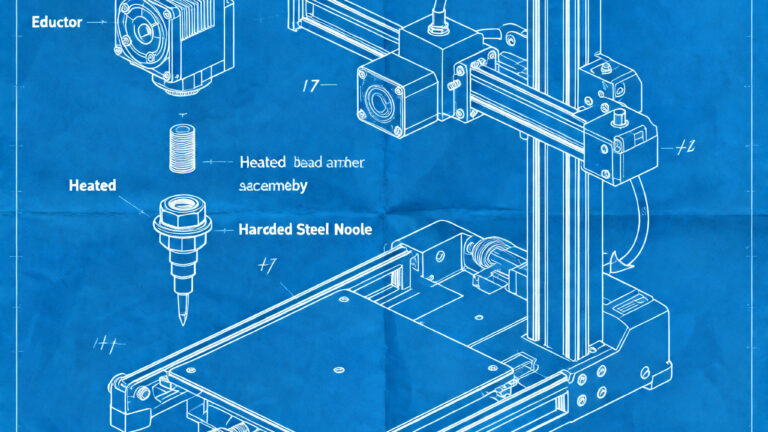
Upgrades for desktop 3D printers can improve quality and versatility, but they must be chosen carefully. Always verify mechanical, electrical, and firmware compatibility before purchase. Prioritize high-impact modifications like heated beds, hardened nozzles, and direct extruders, suitable for the materials you use. Start with simple upgrades like the PEI bed or filament sensors, then move on

Polyamide for 3D printing: why traditional PA is no longer enough (and what to use today)

Polyamide for 3D printing: why traditional PA is no longer enough (and what to use today)

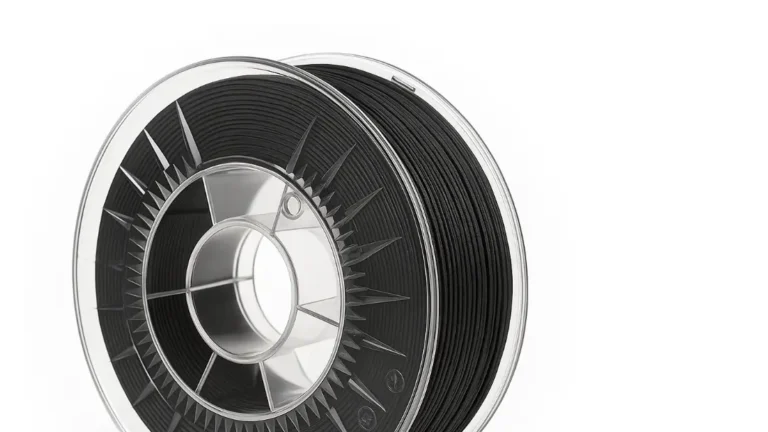
Technical polyamides offer excellent performance, but their printing complexity often makes them impractical. SP4 CF15 from 3DBooster was created to solve this paradox: 8.5 GPa rigidity, thermal resistance up to 180°C, and open-air printability without advanced setups.

Transform Images into 3D Textures in 5 Minutes?

Transform Images into 3D Textures in 5 Minutes?

CNC Kitchen's BumpMesh transforms images into realistic 3D textures in minutes, directly from the browser. Without complex software, it allows you to apply displacement maps to create physical details on 3D models, ideal for 3D printing and rendering. Open-source, free, and easy-to-use tool.

Can you really recycle your 3D filament at home?

Can you really recycle your 3D filament at home?

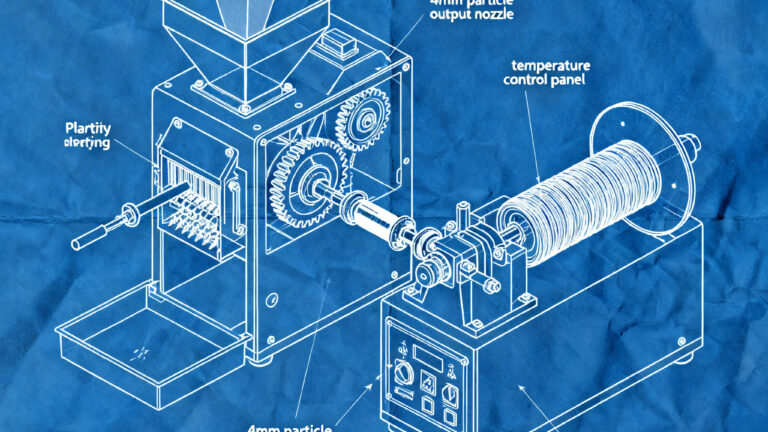
Creality develops a home recycling system for 3D filament, composed of a shredder and extruder, which turns print failures into new filament. The process includes shredding, drying, and re-extrusion, with acceptable tolerances for non-professional use. It supports various materials and allows for creative customizations, yet still requires manual intervention. A first step

How to Design a High-Volume 3D Printing University Makerspace

How to Design a High-Volume 3D Printing University Makerspace

The University of Wisconsin–Madison Makerspace is a model of a high-volume 3D printing university laboratory, based on standardized workflows, FDM/FFF technologies, and a hybrid team of students and technicians. Thanks to this approach, the center manages thousands of annual prints with high efficiency, supporting teaching, research, and innovation in a scalable and sustainable ecosystem.

Desktop 3D printer: industrial or prosumer? How to choose

Desktop 3D printer: industrial or prosumer? How to choose

Entry-level desktop 3D printing offers low costs but presents limitations in quality, materials, and reliability compared to industrial systems. Compromises on advanced materials, post-sales support, and longevity make a careful evaluation of actual production needs necessary before purchase.

3D Printing Implementation for Microfluidic Devices: A Practical Guide to Reducing Costs and Complexity

3D Printing Implementation for Microfluidic Devices: A Practical Guide to Reducing Costs and Complexity

3D printing is revolutionizing microfluidics by enabling the rapid and precise production of complex devices in a single process. Technologies like PolyJet and PµSL allow for the creation of microfluidic chips with micrometer-scale channels, eliminating assembly phases and reducing development costs and times. The integration of advanced design, biocompatible materials, and functional coatings enables

Self-produced design without compromise: the True Iconic Design case

Self-produced design without compromise: the True Iconic Design case

There's a prejudice that's hard to die: 3D printed products have an inevitably compromised aesthetic. True Iconic Design overturns this logic by building sculptural home accessories where the production technology disappears completely — and only the design remains.

Practical Guide to Using Consumer-Grade LiDAR: Tools, Workflow, and Maker vs Industrial Use Case

Practical Guide to Using Consumer-Grade LiDAR: Tools, Workflow, and Maker vs Industrial Use Case

The guide illustrates the use of consumer-grade LiDAR for 3D scanning, comparing tools such as smartphones with integrated LiDAR, portable scanners like 3DMakerpro Lynx and Toucan, and practical workflows for makers and small productions. The advantages of each technology are analyzed in terms of precision, portability, and costs, with application examples in design, teaching, and prototyping

/