Large Scale Additive Manufacturing: Operational Playbook for the Industry
Industrial 3D printing is a reality: it requires gradual integration, advanced materials, digital workflows, and measured ROI to scale successfully.

 Manufacturing
 Industrial 3D printing is a reality: it requires gradual integration, advanced materials, digital workflows, and measured ROI to scale successfully.
 Maker
Maker 3D scanning transforms real objects into editable and printable digital models, accelerating reverse engineering and production with precision down to 50 µm.
 Manufacturing
 New 3D printing generates a metal-ceramic composite in situ: components come out already wear-resistant, cutting post-treatment times and costs.
 Manufacturing
 AI transforms metal 3D printing from prototyping to serial production: real-time control, early defect detection, reduced costs and waste. Precision Additive launches ultra-fast LPBF platform, paving the way for critical aerospace and energy components.
 Manufacturing
 3D printing eliminates molybdenum segregation in superalloys, ensuring homogeneous microstructures without costly remelting processes. More reliable components for gas turbines and aerospace.
 Manufacturing
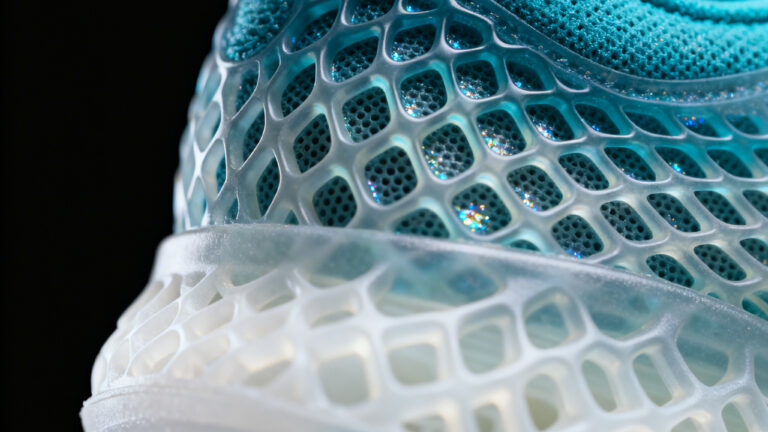
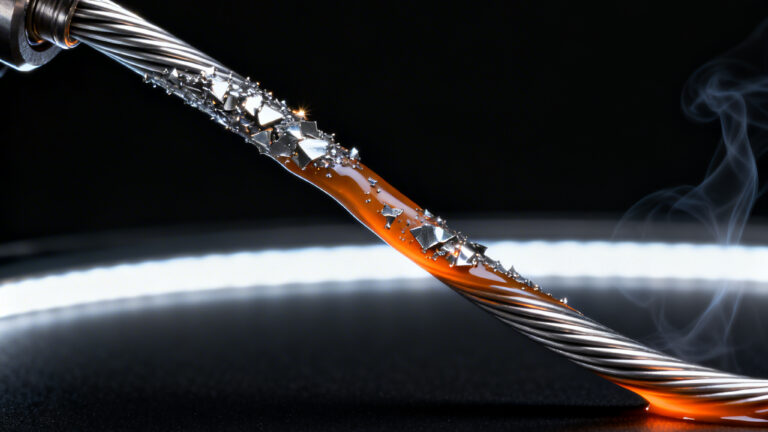
 Two new patents bring 3D printing into shoe factories: soles up to 30% lighter thanks to optimized structures and seamless multilayer uppers, customizable to measure. Production expected within 2-5 years.
 Manufacturing
 Metal FFF prints functional metal components with powder+polymer filaments, followed by washing and sintering: economical, fast, suitable for low volumes and complex geometries in aerospace and automotive.
 Manufacturing
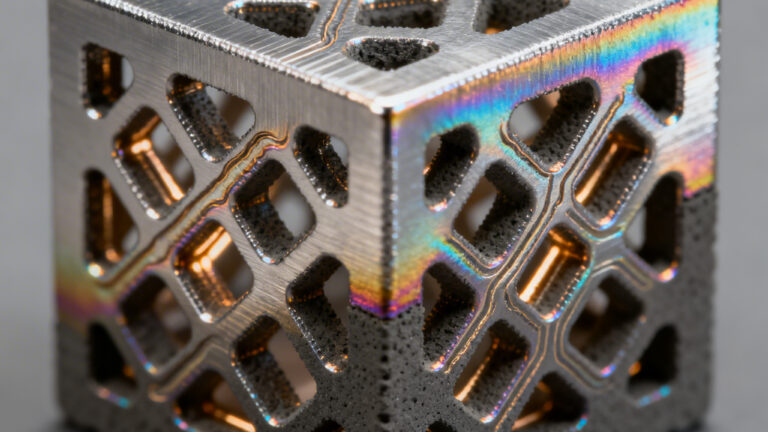
 Intelligent thermal control in 3D printing: adaptive pauses and real-time sensors reduce defects by up to 47%, cutting scrap and times even in aerospace and medical fields.
 Manufacturing
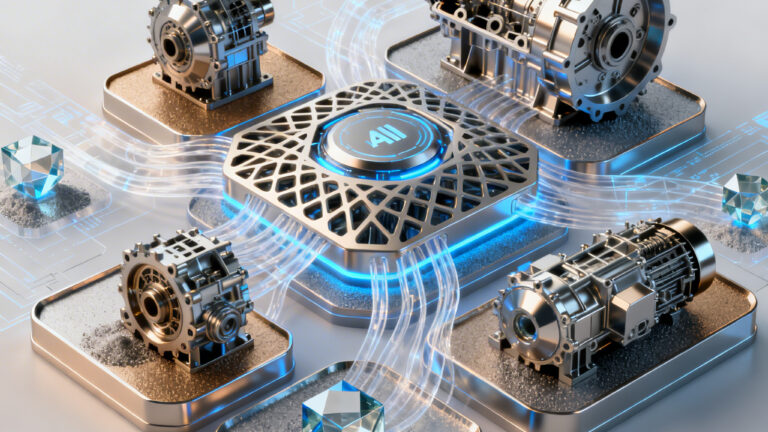
 In 2025, additive manufacturing of metals and ceramics enters industrial production: DED heads without chamber, LFAM for large structures, 3D ceramics for medtech and semiconductors.
 Manufacturing
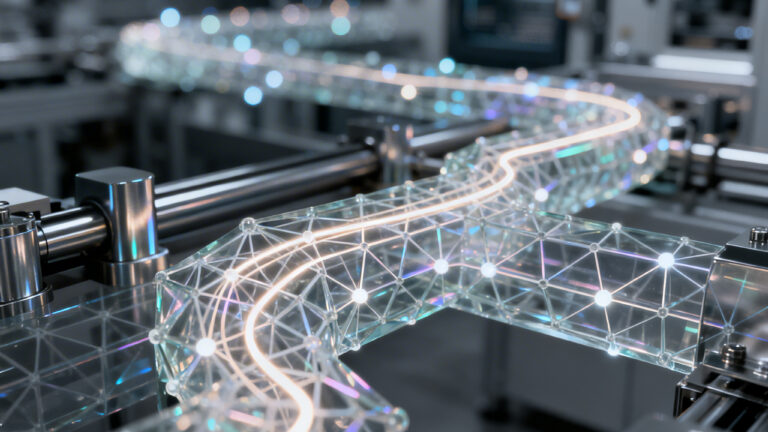
 Industrial mass customization leverages 3D printing and AI to produce customized components at competitive costs, transferring flexibility from consumer to B2B and reducing times and waste.
 Manufacturing
 To scale additive manufacturing, end-to-end planning is needed: integrate printing, post-processing and the supply chain, monitor flows and bottlenecks, use specific software and build repeatability on data and standards, not just on machines.
 Manufacturing
 AI revolutionizes 3D printing: real-time monitoring, automatic CAD-scan alignment, and predictive analysis reduce waste, time, and costs, making additive production scalable and competitive.